We may earn money or products from the companies mentioned in this post. This means if you click on the link and purchase the item, I will receive a small commission at no extra cost to you ... you're just helping re-supply our family's travel fund.
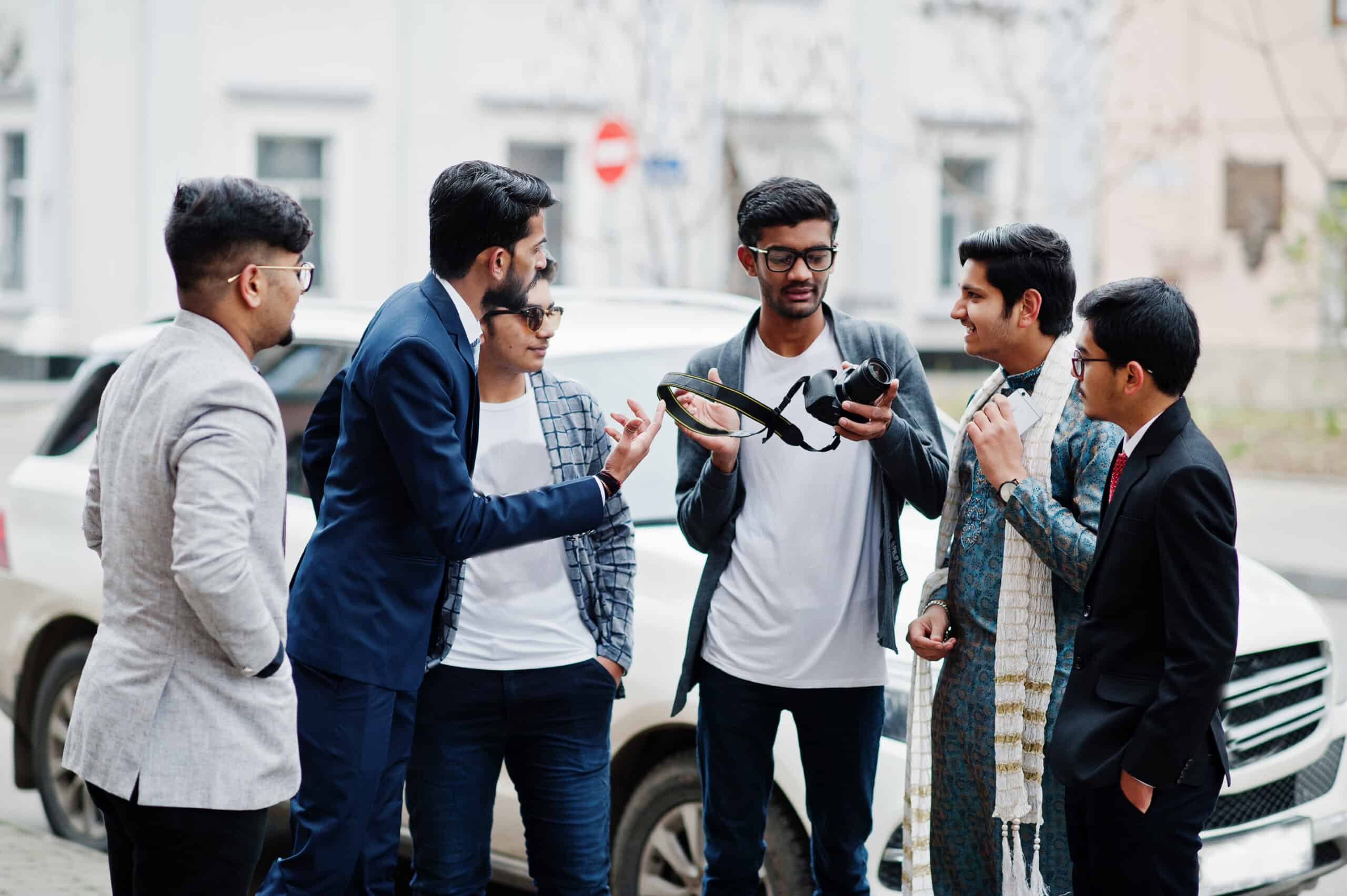
Some countries are built for quiet rituals: trains that stay hushed, weekends that slow down, and towns where the same faces appear again and again. For extroverts who thrive on constant interaction, those patterns can feel like social hunger, even when the destination is beautiful and the people are kind. The difference is rarely about friendliness. It is about density, daylight, rules, and etiquette that reward restraint. These seven places can challenge high-energy travelers, especially at first, and they often become easier once routines, clubs, and trusted circles form.
Japan
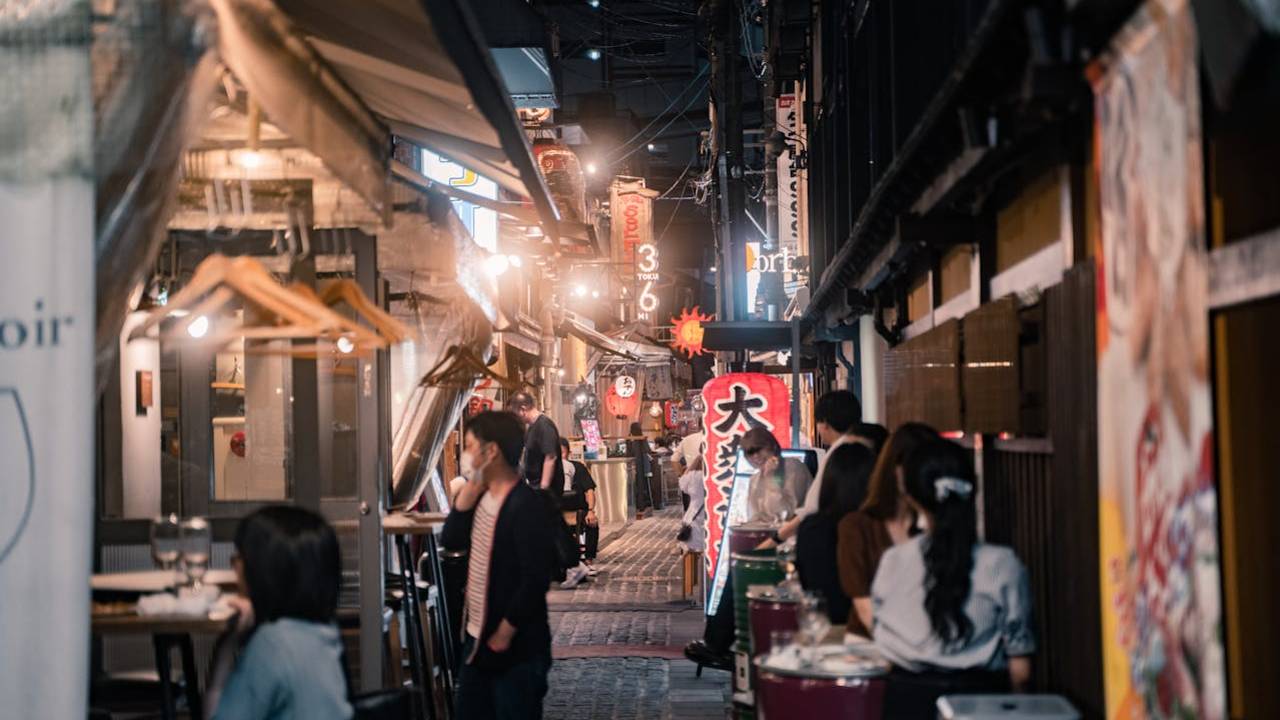
Japan can feel unexpected quiet for someone fueled by spontaneous chatter, especially on trains and in queues where low-volume courtesy is an unspoken rule and phone calls are often avoided. Social life is vibrant, but it often runs through planned channels like hobby circles, neighborhood festivals, and after-work gatherings, with introductions happening through friends, coworkers, or shared routines. Extroverts usually thrive once patterns form, yet the first days can feel like trying to dance inside a reading room, with etiquette rewarding calm, and pauses doing half the conversation.
Switzerland
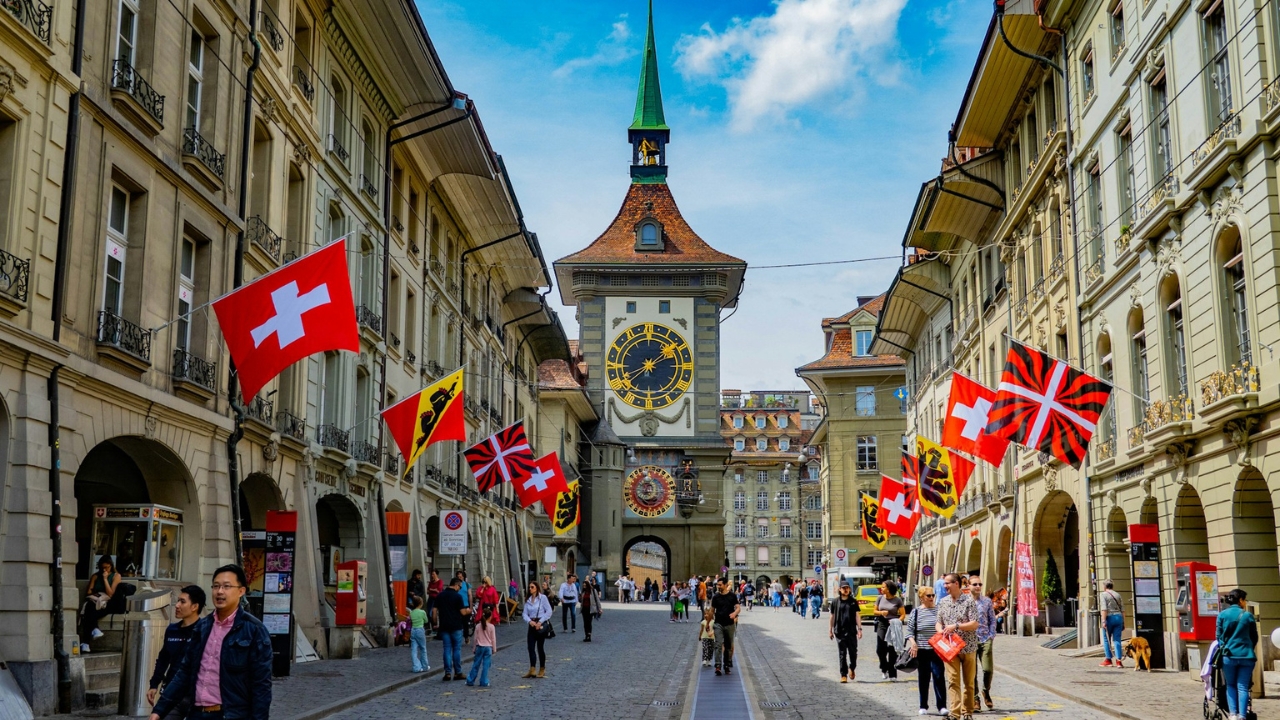
Switzerland rewards order, privacy, and predictable rhythms, which can leave high-energy socializers craving more spontaneous noise and fewer rules around when life is allowed to be loud. In many cantons, most shops stay closed on Sundays except in big stations, airports, and petrol stops, and Sunday or night work often requires special authorization, so the weekend can feel unusually hushed, too. Even in lively cities, quiet-hours expectations and neighbor awareness make late, impulsive gatherings harder, nudging extroverts toward scheduled dinners, reservations, earlier meetups, and social plans that end with the last tram, not a last call.
Norway
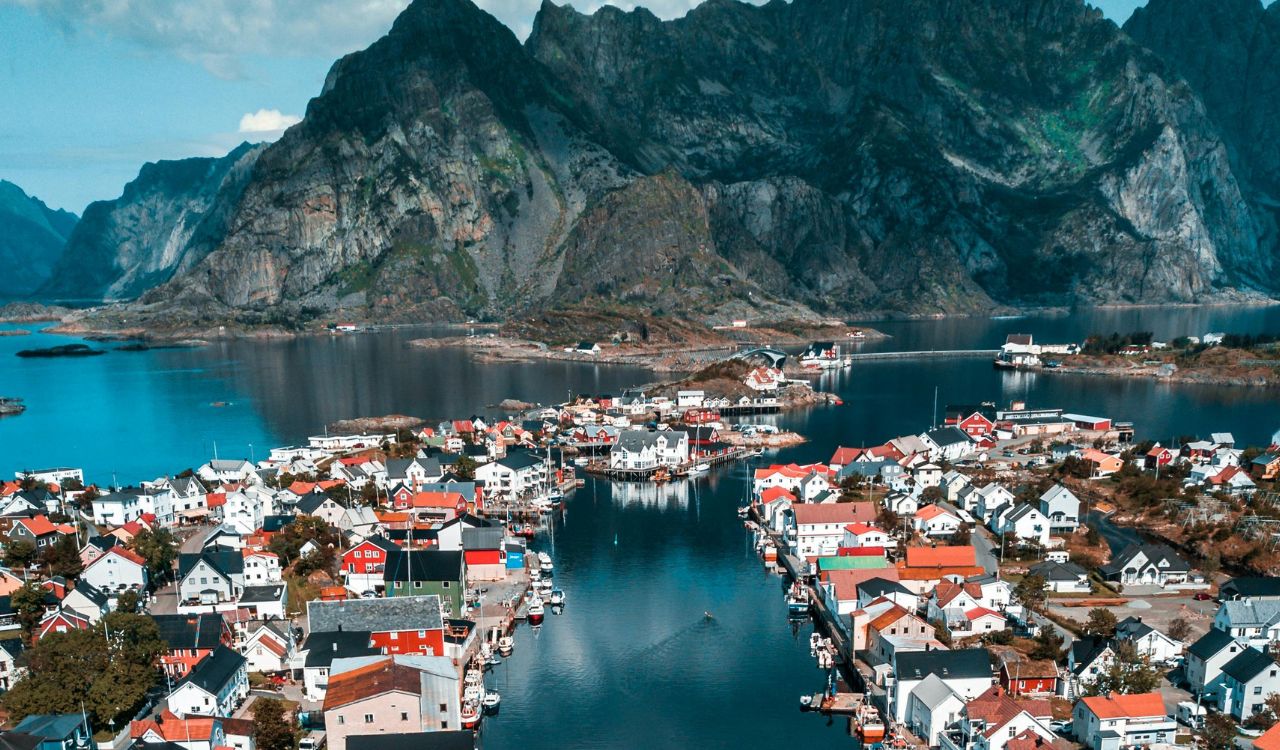
Norway’s social warmth is real, but daily life can be structured in ways that surprise travelers used to constant drop-in plans and casual nights that stretch easily. Stronger alcohol sales run through Vinmonopolet with set hours, shorter Saturdays, and Sunday closures, and winter weather can compress nights indoors, so the street scene can fade earlier than expected. Extroverts often do best by joining sports clubs, volunteer groups, or cabin-weekend circles, where conversation flows freely, yet the gap between invitations can feel long when darkness arrives early and a quiet bus ride home replaces a late wander that used to refill the tank.
Finland
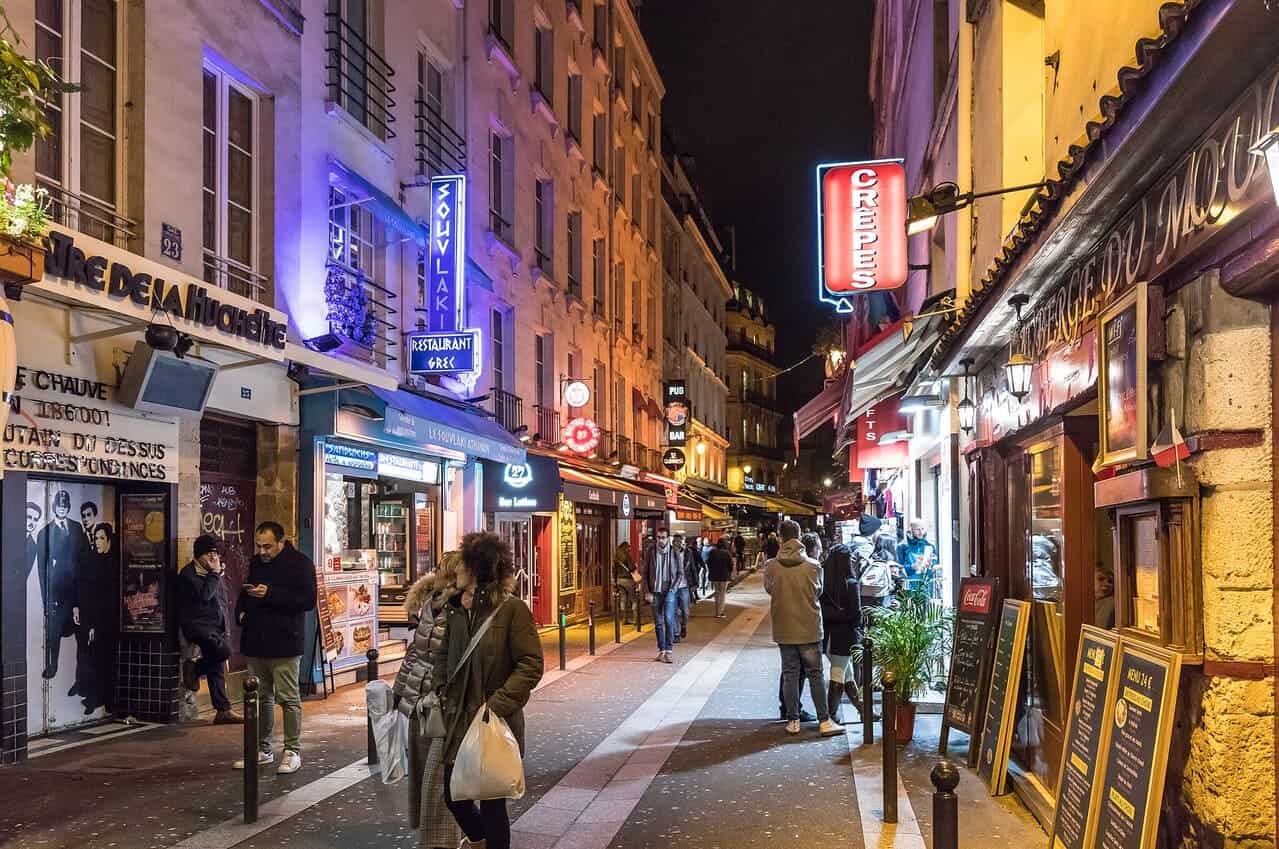
Finland’s long winter darkness and strong personal-space norms can test extroverts who recharge through frequent, casual company and the easy buzz of meeting new faces. Around late Dec., Helsinki sunrise can be about 9:25 a.m., and farther north the sun may stay below the horizon into January, shrinking the window for street life, outdoor cafés, and impulsive detours, after work. The culture prizes sincerity over chatter, and even with saunas, cafés, and winter markets, social circles often form through shared routines, not cold calls, so invitations build slowly and silence is treated as comfort, making patience feel like the real entry fee.
Sweden
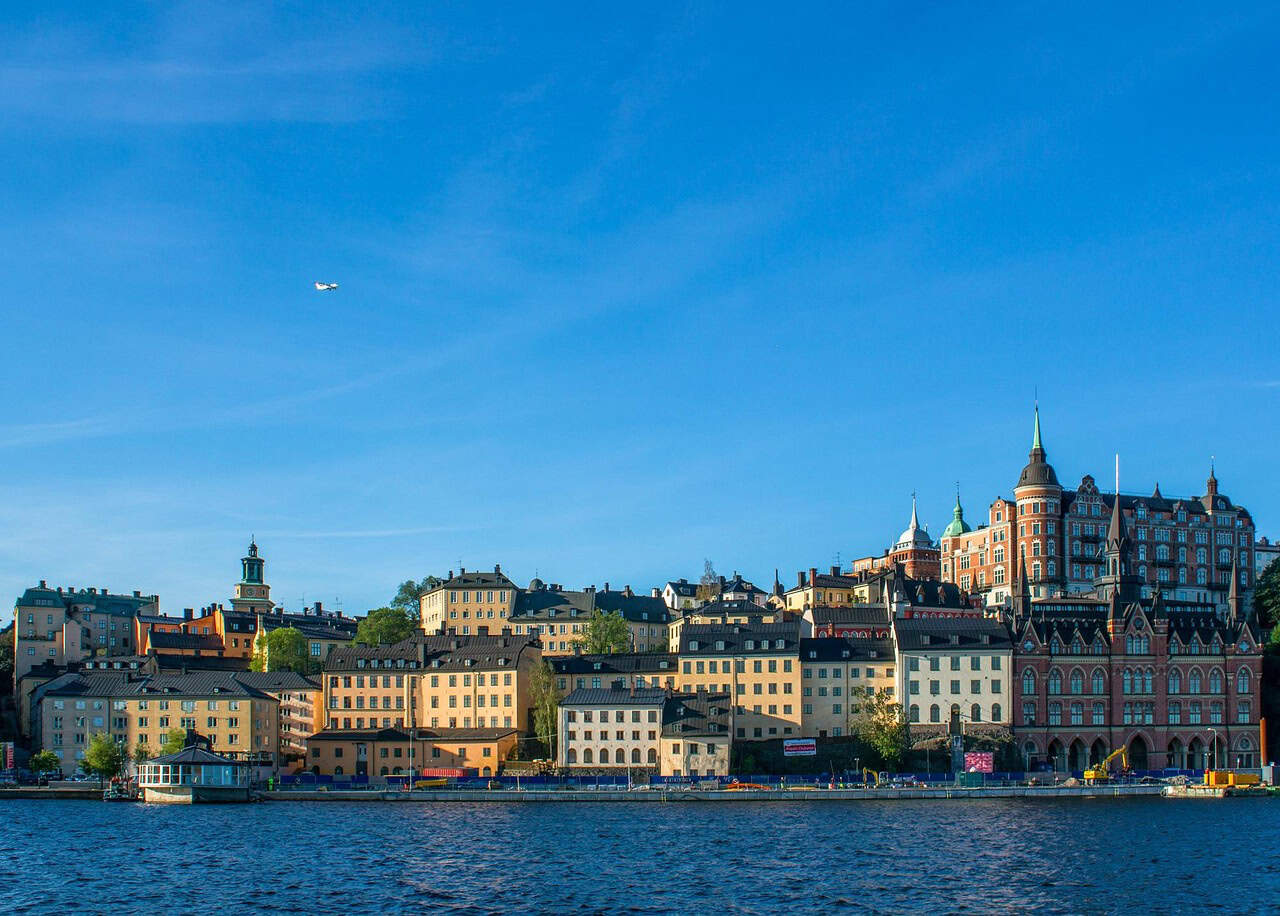
Sweden has festivals, clubs, and busy cities, yet everyday social life often keeps a respectful distance that can feel chilly to fast-bonding extroverts who expect strangers to chat back on a whim. Stronger alcohol is sold through Systembolaget with early closing times and Sunday closures, which quietly shapes spur-of-the-moment plans and nudges nights toward apartments and dinner tables, not last-minute bar crawls. The payoff is calm, safe public space and clear boundaries, but it favors booked fika dates, ticketed events, and associations that meet, so friend networks grow steadily, not instantly, and small talk stays brief on the way home.
Iceland
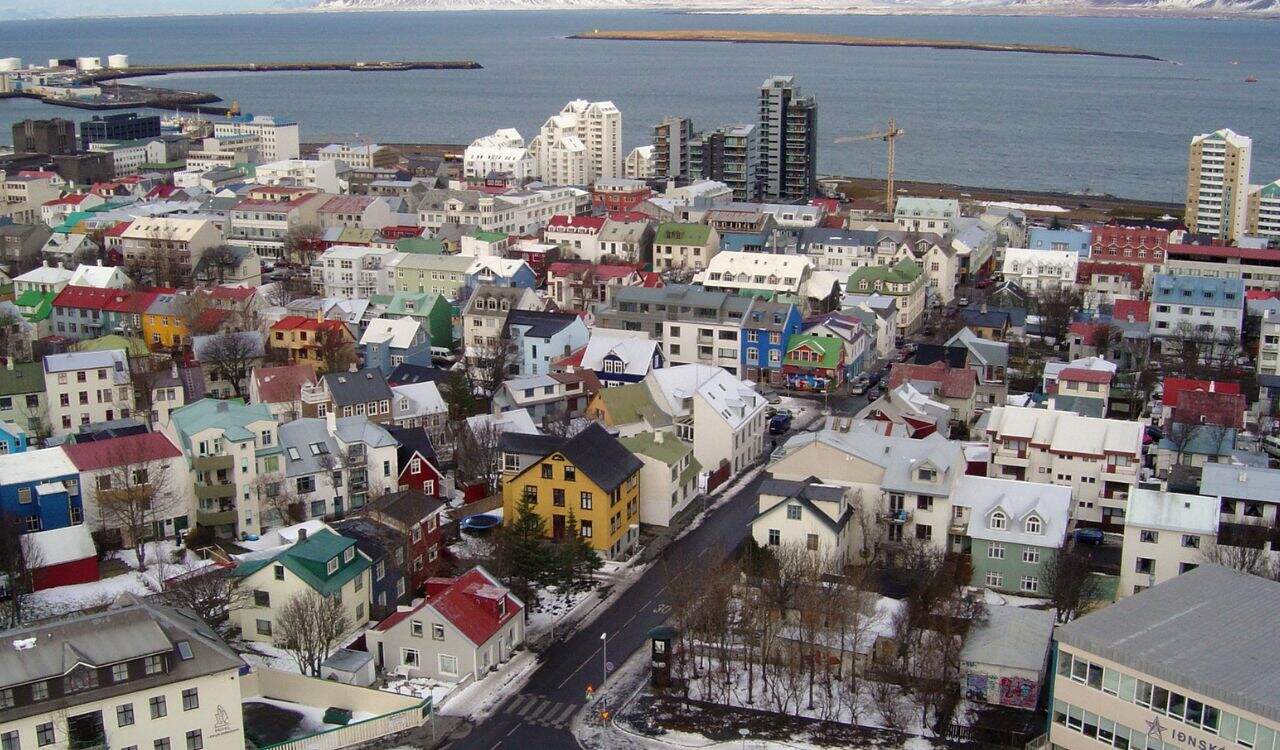
Iceland’s magic comes with geography, and very low population density means fewer accidental crowds outside Reykjavík’s center, especially once the road pulls into lava fields and open coastlines. Long winter nights, wind, and distance can thin out casual drop-ins, and small towns may have only a handful of gathering spots, so social energy collects around concerts, pool visits, café meetups, and weekend trips. Extroverts tend to love the creative scene once connected, yet between gatherings the quiet can feel loud, turning connection into something that needs intention, rides, and calendars, not a quick walk to the next lively block.
New Zealand
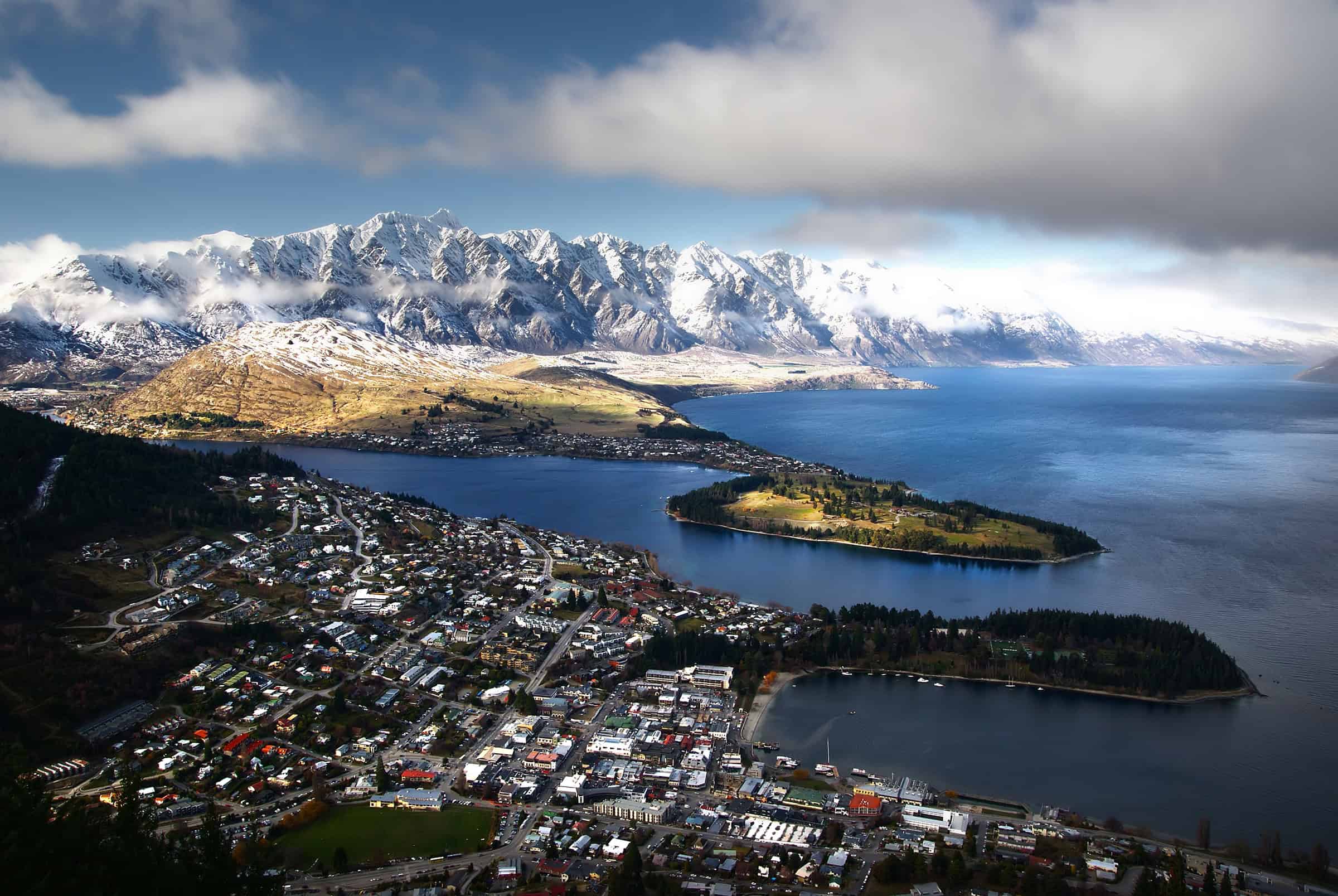
New Zealand is famously welcoming, yet its relatively low population density and spread-out towns can make social variety feel farther apart than expected, especially once the highway leaves the main hubs. Outside Auckland, Wellington, and Christchurch, evenings can be early, venues can be limited, and long drives or weather can thin out casual meetups, so a lively weeknight may require planning, not luck and a missed bus can end the night fast. Extroverts usually thrive by anchoring to sports clubs, volunteer crews, and outdoor groups, then showing up consistently, because community often gathers by intention, not by accident in small towns.