We may earn money or products from the companies mentioned in this post. This means if you click on the link and purchase the item, I will receive a small commission at no extra cost to you ... you're just helping re-supply our family's travel fund.
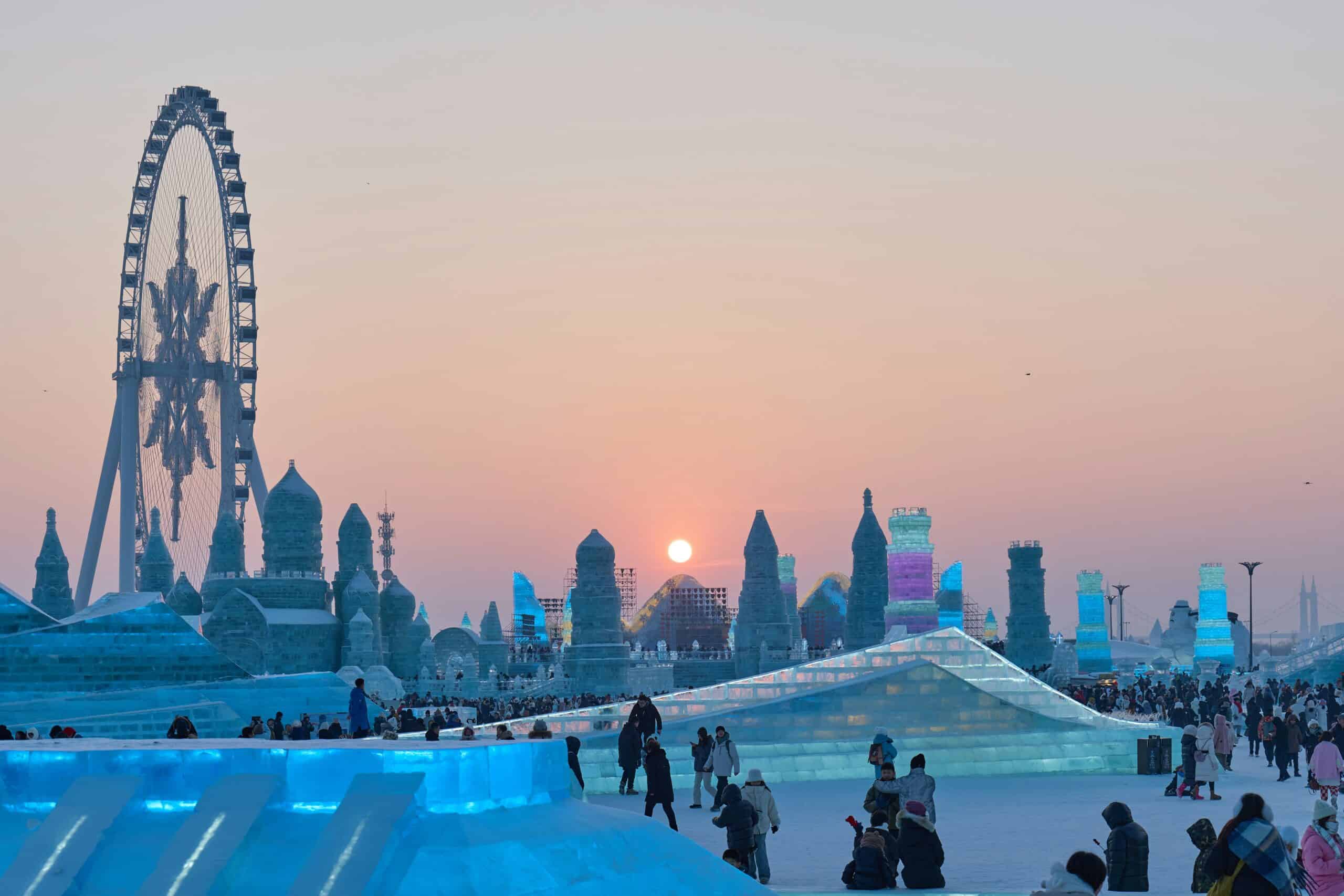
Winter is not equally harsh everywhere. In a few countries, cold does more than inconvenience daily life, it actively limits how long a person can stay outdoors without risk. Temperature, wind, moisture, and distance from shelter combine into one hard reality: mistakes shrink in size, but consequences grow fast. These places are not permanently unlivable, and communities there are deeply adapted. Still, during severe outbreaks, conditions can cross from difficult to dangerous in minutes, especially when transport fails, power drops, or exposure starts before proper gear is in place.
Russia’s Siberian Interior Where Cold Redefines Survival
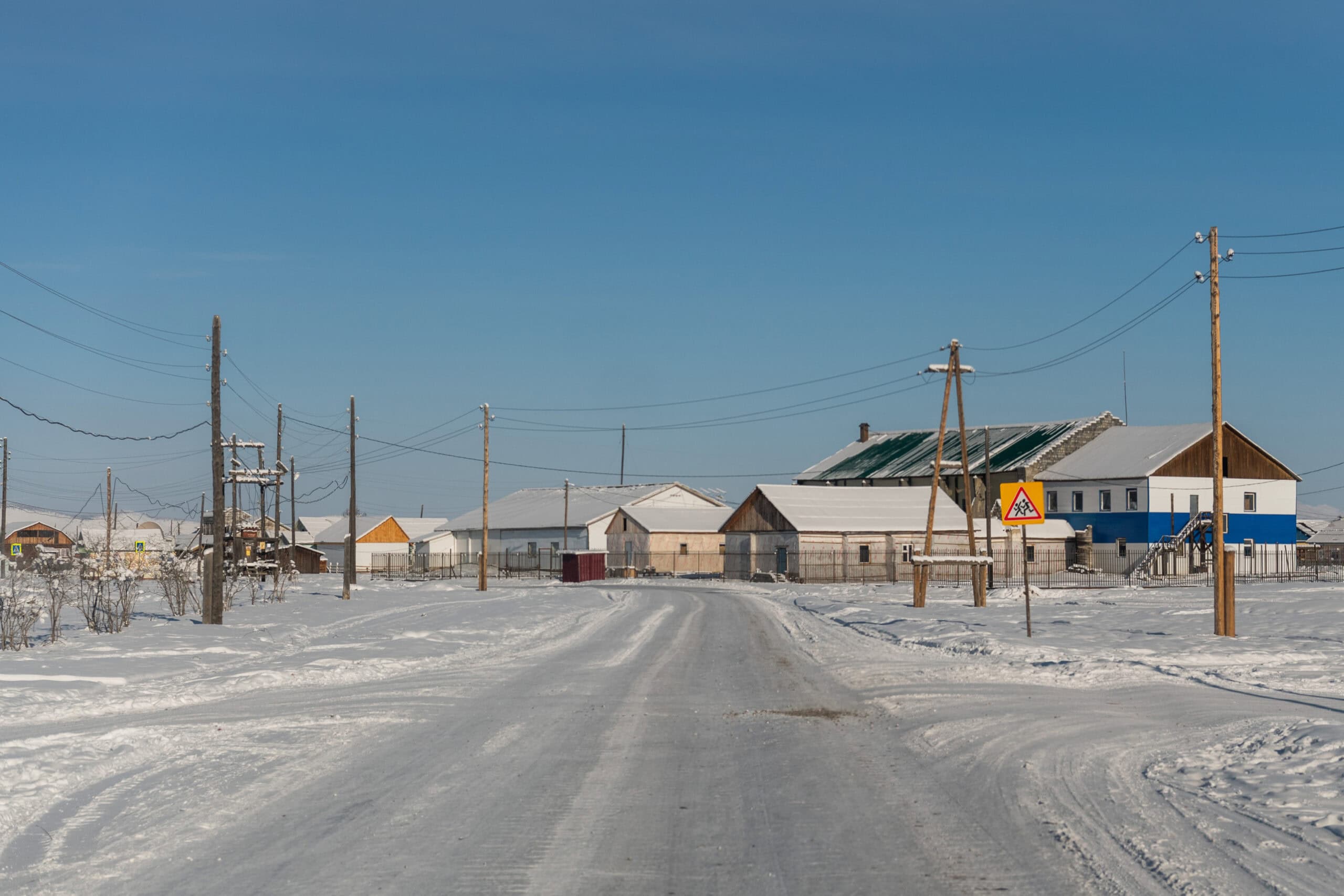
In Russia’s far northeast, places like Oymyakon have become shorthand for extreme winter, with cold that can pin life to strict routines around fuel, layering, and timing. Cars may stay running to avoid engine freeze, breath crystallizes immediately, and exposed skin can begin to fail quickly when wind rises. The deeper issue is duration: this is not one dramatic night, but long spells where roads, pipes, and schedules all strain at once. In those weeks, safety depends less on bravery and more on discipline, planning, and never underestimating small delays.
Canada’s Arctic And Yukon Regions Where Exposure Escalates Fast
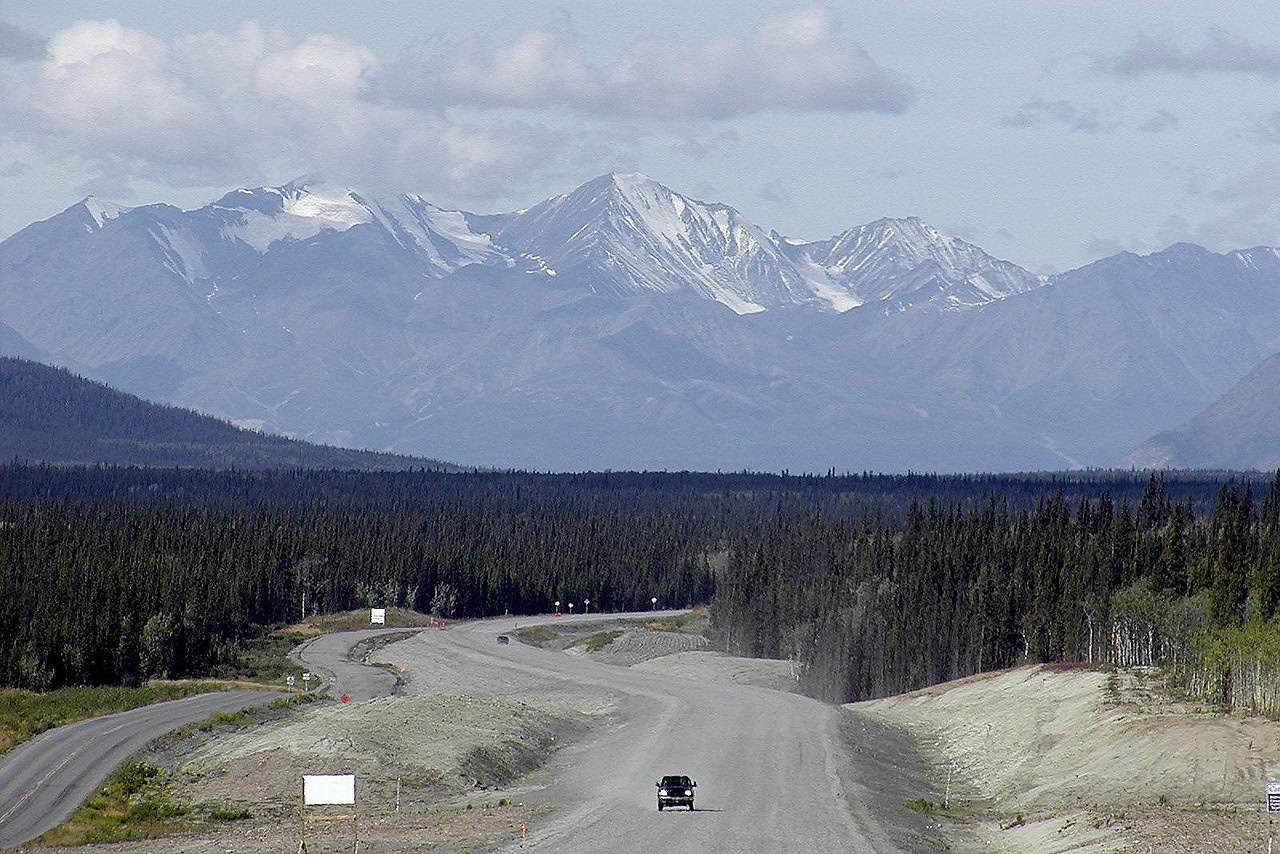
Canada’s northern and interior zones can produce bitter, prolonged cold that changes how communities move, work, and recover after storms. A short drive can become high-risk when visibility drops, machinery stalls, and help is hours away across frozen terrain. Wind chill is often the hidden threat, because it accelerates heat loss even when people think they are dressed adequately. In the hardest stretches, local life becomes a sequence of controlled transitions between heated spaces, and even routine tasks are timed around weather windows rather than convenience.
The United States In Interior Alaska Where Cold Can Overwhelm
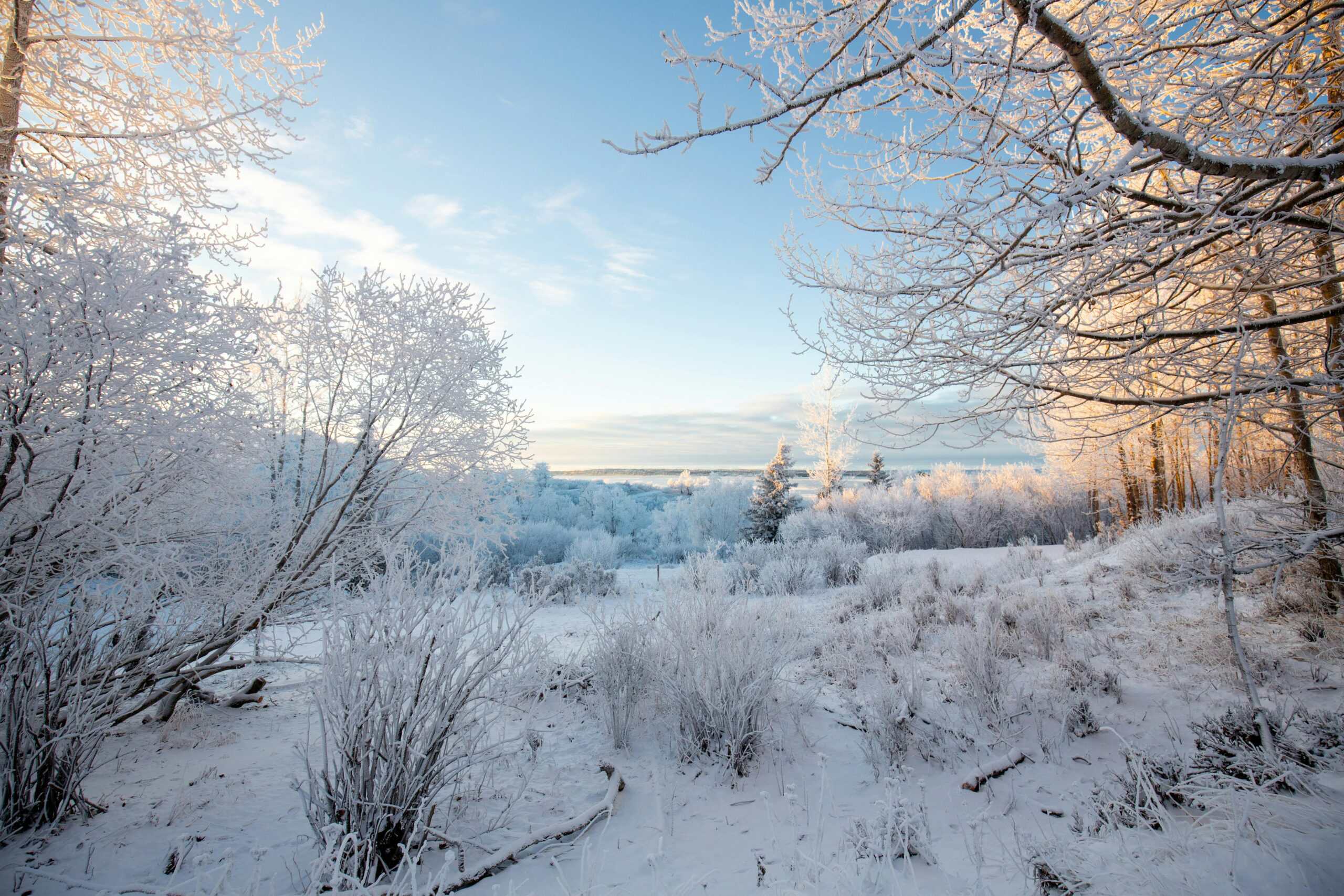
Most of the United States is not defined by lethal cold, but interior Alaska can reach levels that challenge human endurance quickly. Distance between settlements, sparse services, and limited daylight magnify every decision, especially when roads glaze over or equipment fails outdoors. Frostbite risk climbs with wind and moisture, and hypothermia can begin before symptoms feel dramatic. The danger here is not theatrics, it is arithmetic: minutes of exposure, miles to shelter, and whether gear performs as expected when temperatures drop far below normal winter assumptions.
Mongolia’s High Steppe Where Winter Becomes A System Test
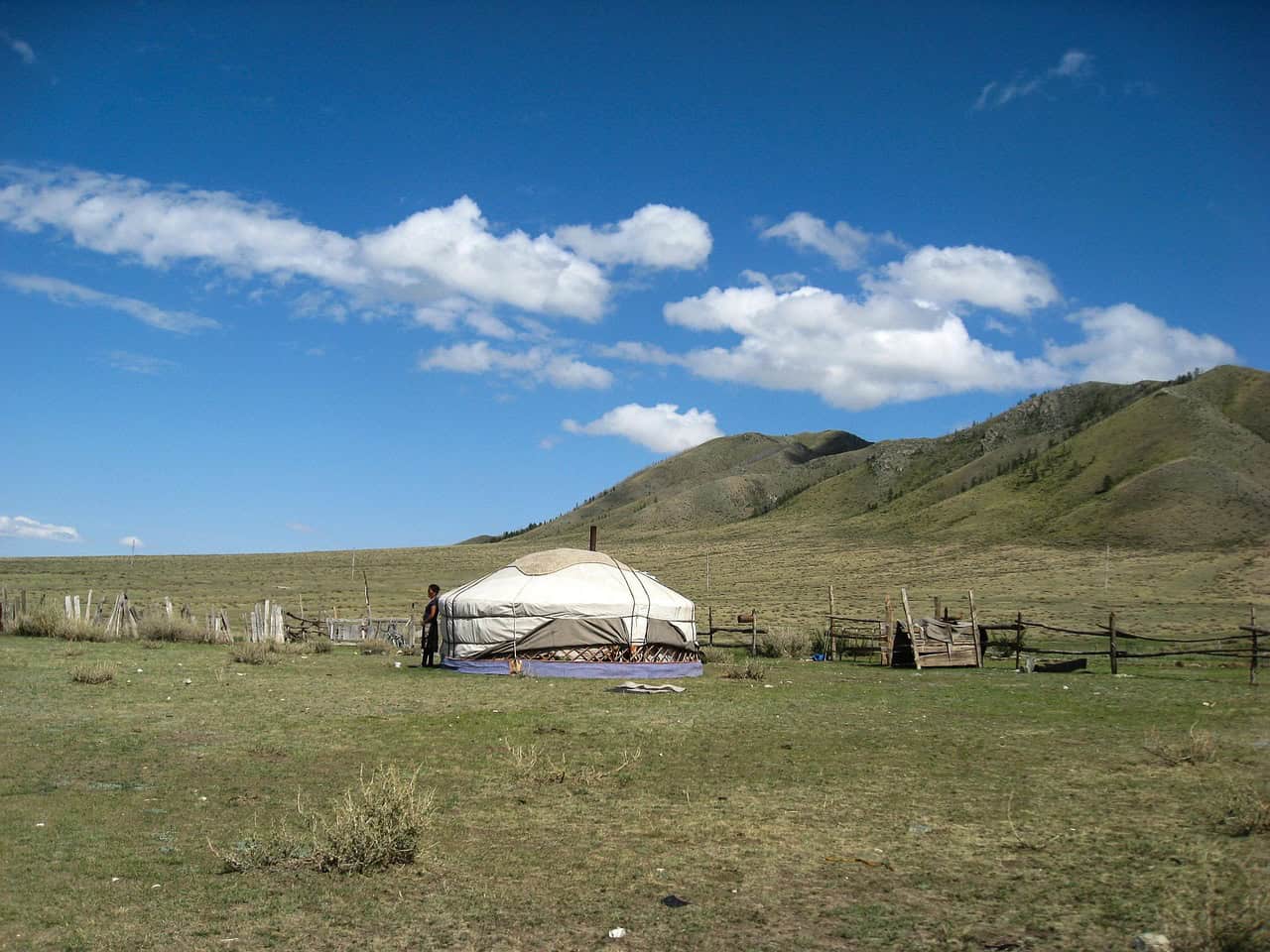
Mongolia’s broad, elevated steppe can lock into severe cold that affects people, transport, and livestock at the same time. In rural districts, winter is a full systems challenge: fuel supply, animal feed, road access, and emergency response all compete under one freezing ceiling. Air is dry, winds are sharp, and distances are long enough that a small mechanical problem can turn serious quickly. What makes conditions feel beyond ordinary endurance is persistence, not novelty, because hardship repeats day after day until weather breaks and infrastructure catches up.
Kazakhstan’s Northern Plains Where Wind Makes Cold More Dangerous
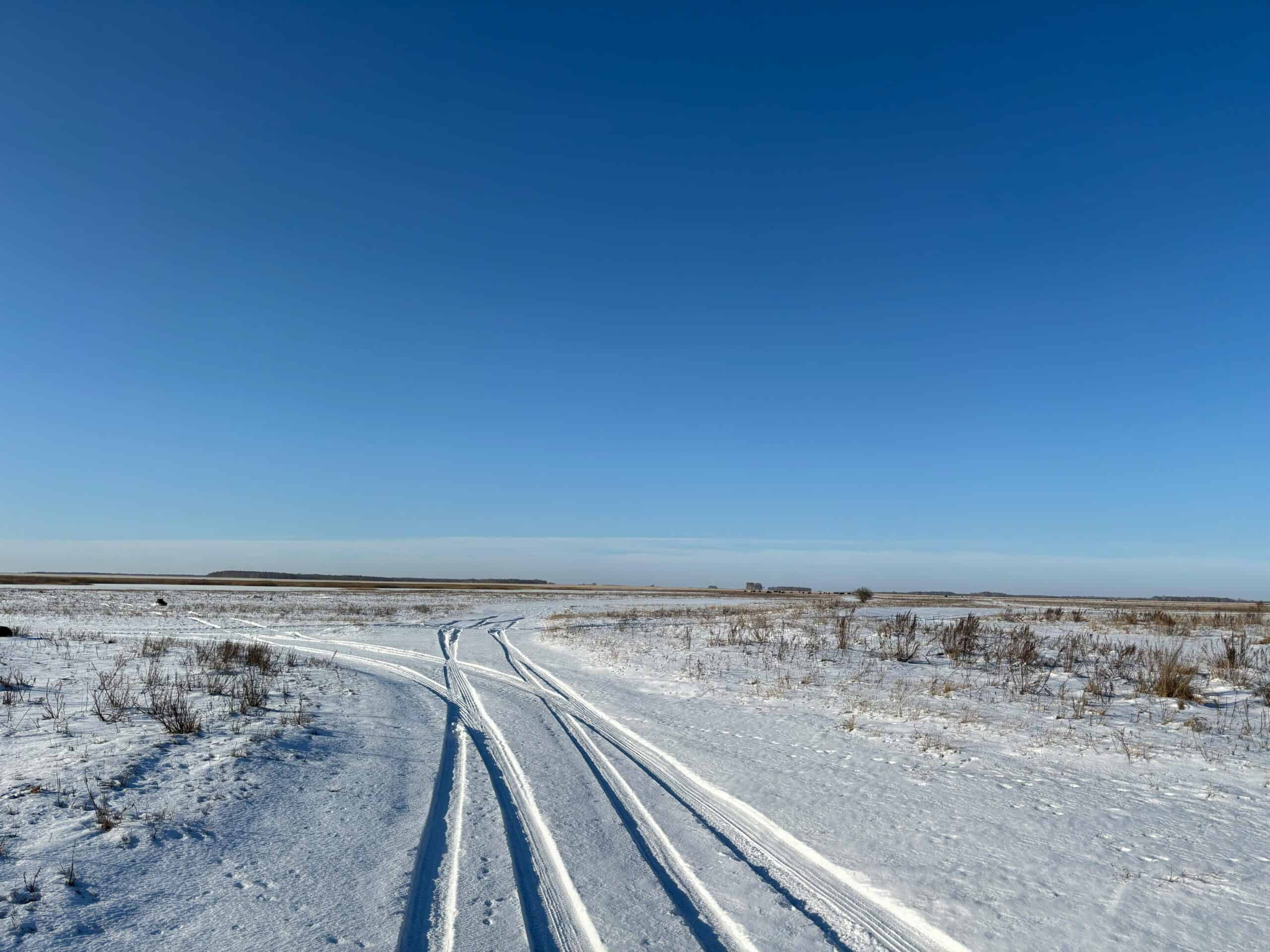
Northern Kazakhstan can face continental outbreaks that pair low temperatures with open-steppe wind, a combination that strips body heat faster than many people expect. Travel risk rises when drifting snow narrows roads and visibility collapses, even before temperatures hit headline values. Urban centers cope better than remote routes, but the margin can still vanish if heat, transport, or communication is interrupted. In these winters, cold is not a single event; it is a chain of stresses that compound, forcing people to plan every movement around shelter access.
China’s Northeast And Far Northwest Where Cold Arrives In Waves
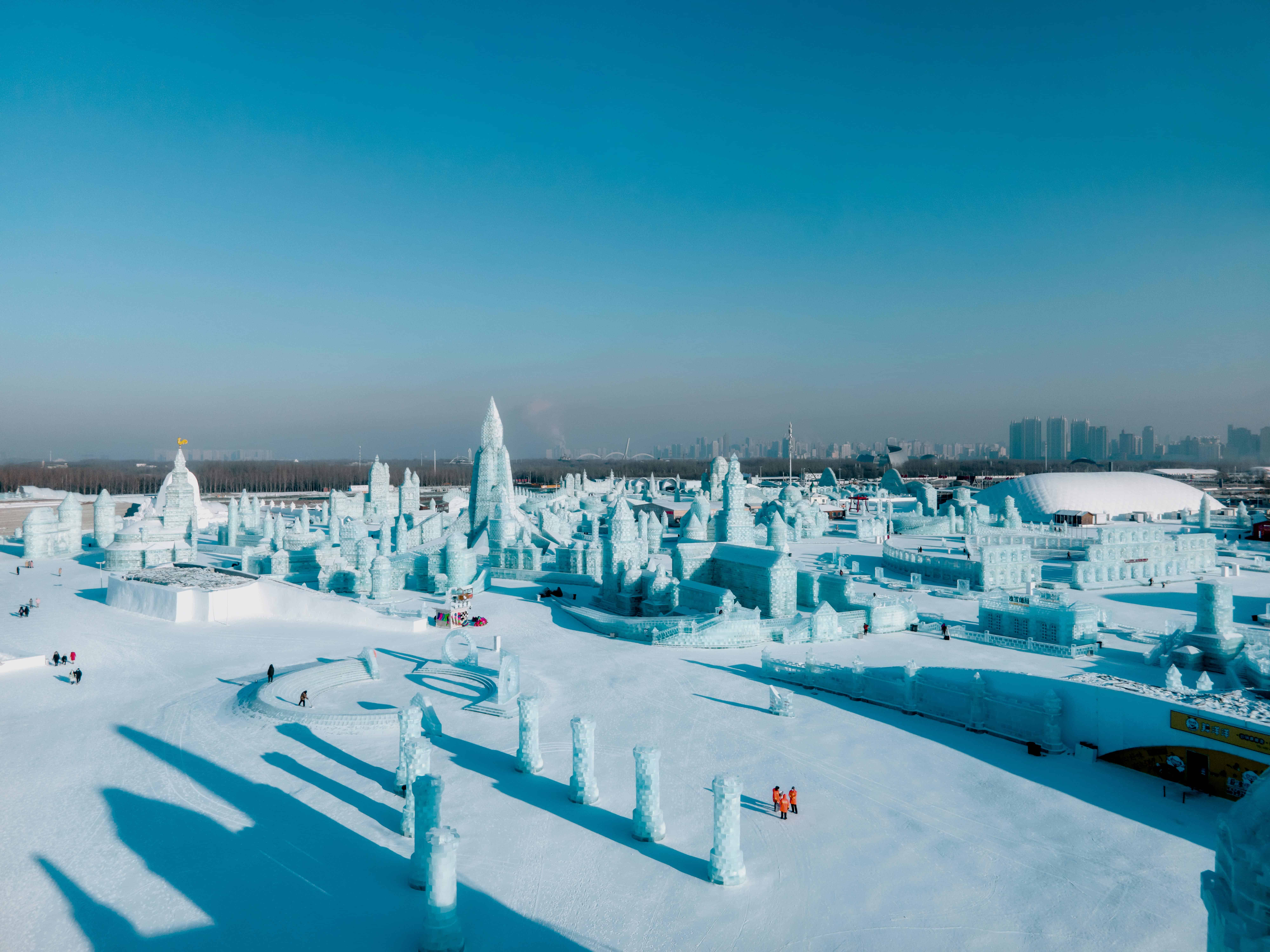
China spans many climates, yet its northeast and far northwest can experience deep freezes that rival the harshest winters in the region. The challenge is inconsistency: one province may be manageable while another enters a dangerous cold wave, creating false confidence across travelers and supply systems. In exposed corridors, wind and drifting snow can turn routine commutes into survival decisions. Communities adapt with layered housing and strong winter habits, but during severe episodes, endurance is tested by repetition, fatigue, and the simple demand to stay warm every hour.
Finland’s Lapland Where Long Darkness Deepens Winter Strain
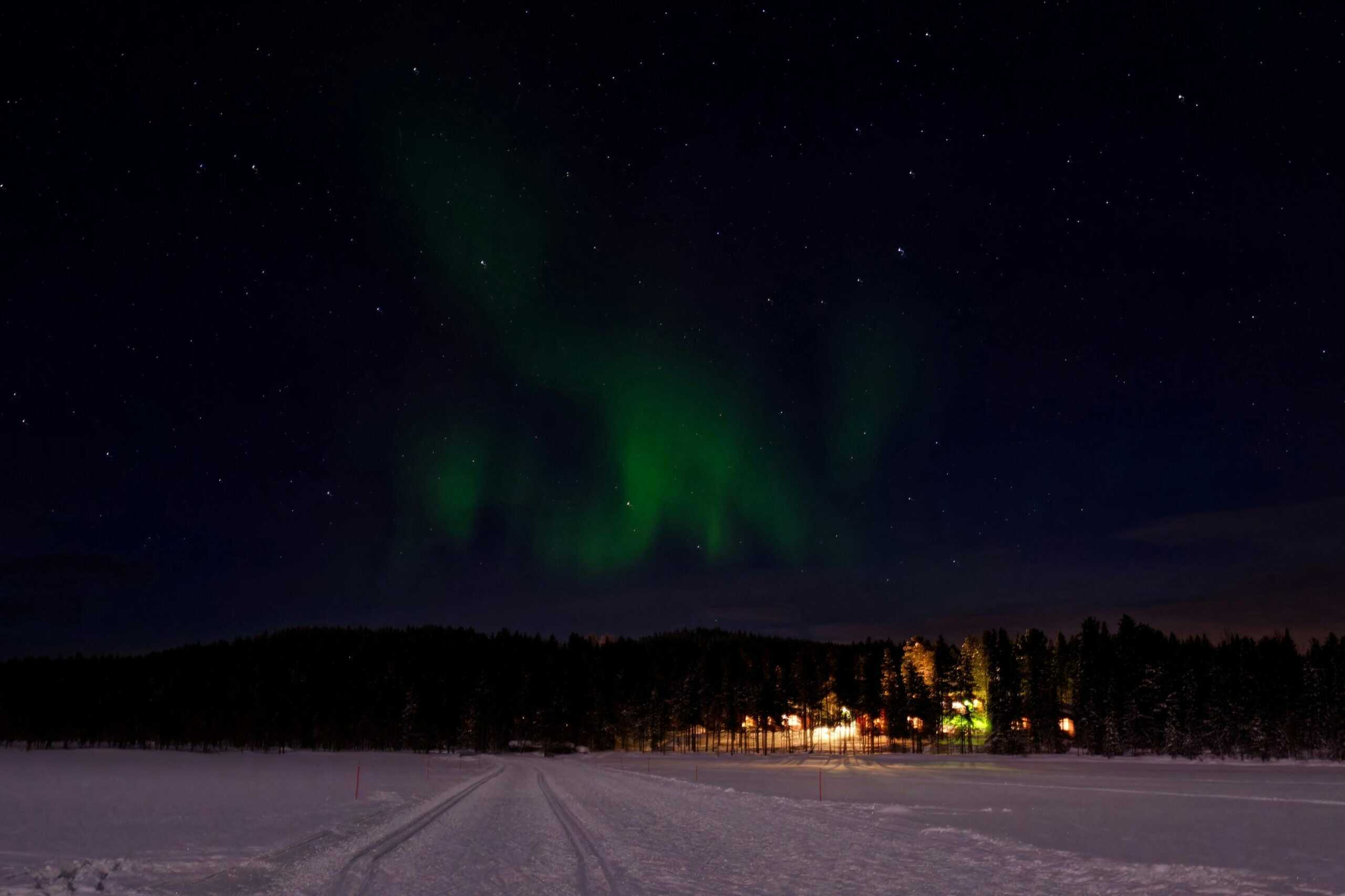
Finland’s Lapland is built for winter, but adaptation does not erase risk when severe cold settles in for extended periods. Long nights, icy surfaces, and remote stretches between services raise the cost of any delay, especially for outdoor work and long-distance driving. Cold management becomes precise: clothing moisture, meal timing, and shelter intervals matter as much as the thermometer itself. During hard spells, the human challenge is cumulative wear, where sleep, movement, and attention all degrade unless routines stay strict and support systems remain reliable.