We may earn money or products from the companies mentioned in this post. This means if you click on the link and purchase the item, I will receive a small commission at no extra cost to you ... you're just helping re-supply our family's travel fund.
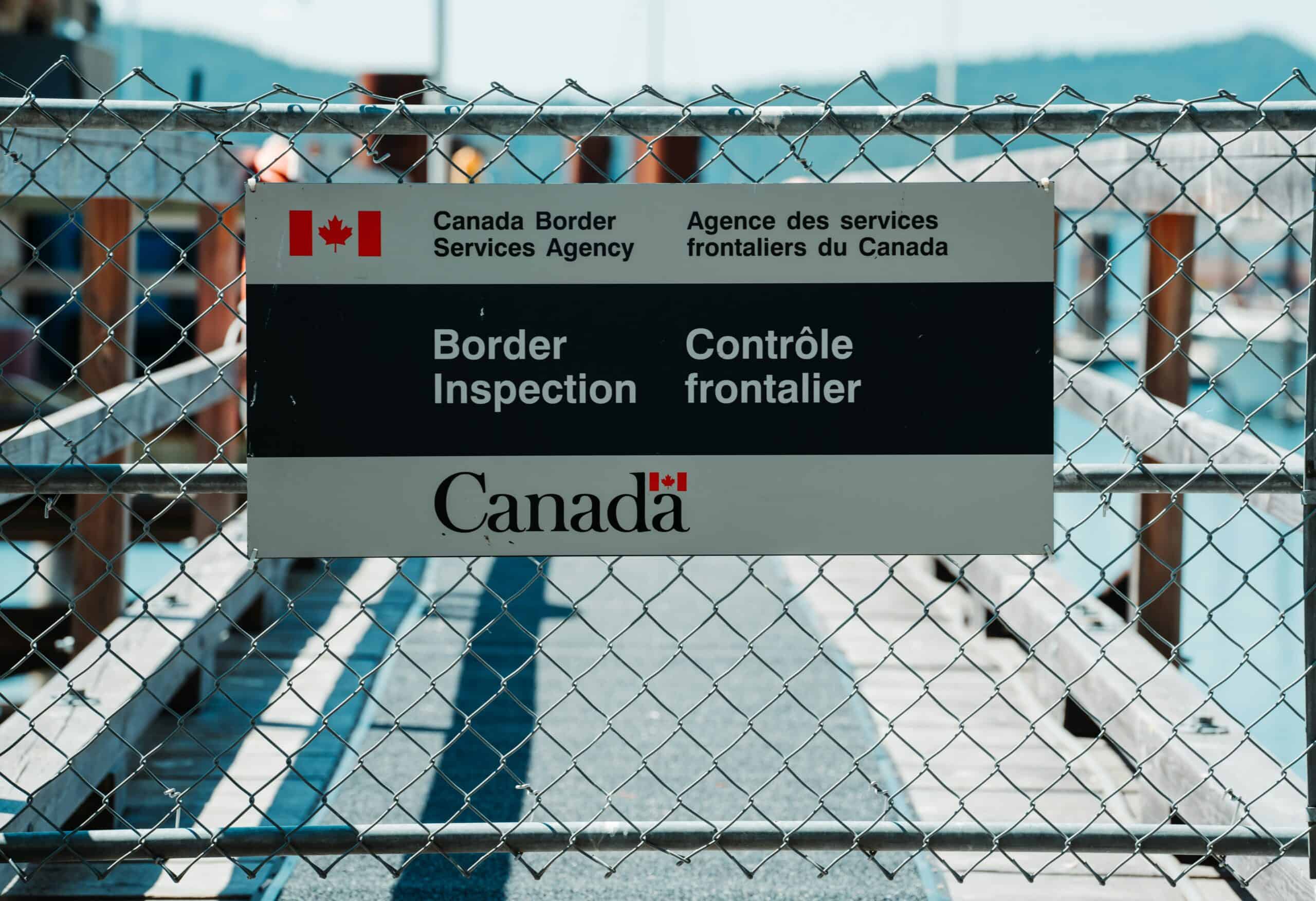
Canada can feel familiar to Americans, right up until a small habit turns into a real problem at the border or on the road. The rules are not meant to trip anyone up, but they do expect travelers to slow down, declare what they are carrying, and follow local driving norms. A few things that seem normal in many U.S. states can be treated very differently in Canada, especially around cannabis, self-defense items, and vehicle laws. Knowing the lines ahead of time prevents stress from swallowing a good trip.
Carrying Cannabis Across The Border

In many U.S. states, a leftover edible or vape can feel like no big deal. At the Canadian border, it is. Canada’s federal guidance is clear that crossing an international border with any amount of cannabis, including products containing cannabis, is illegal, even if cannabis is legal where it was purchased. Mailing or shipping it across the border is also illegal. Border inspections tend to be about simple facts, not explanations. The easiest trip is the one that leaves cannabis products behind, checks pockets and bags twice, and avoids accidental surprises in car consoles or jacket linings.
Packing Pepper Spray For Peace Of Mind
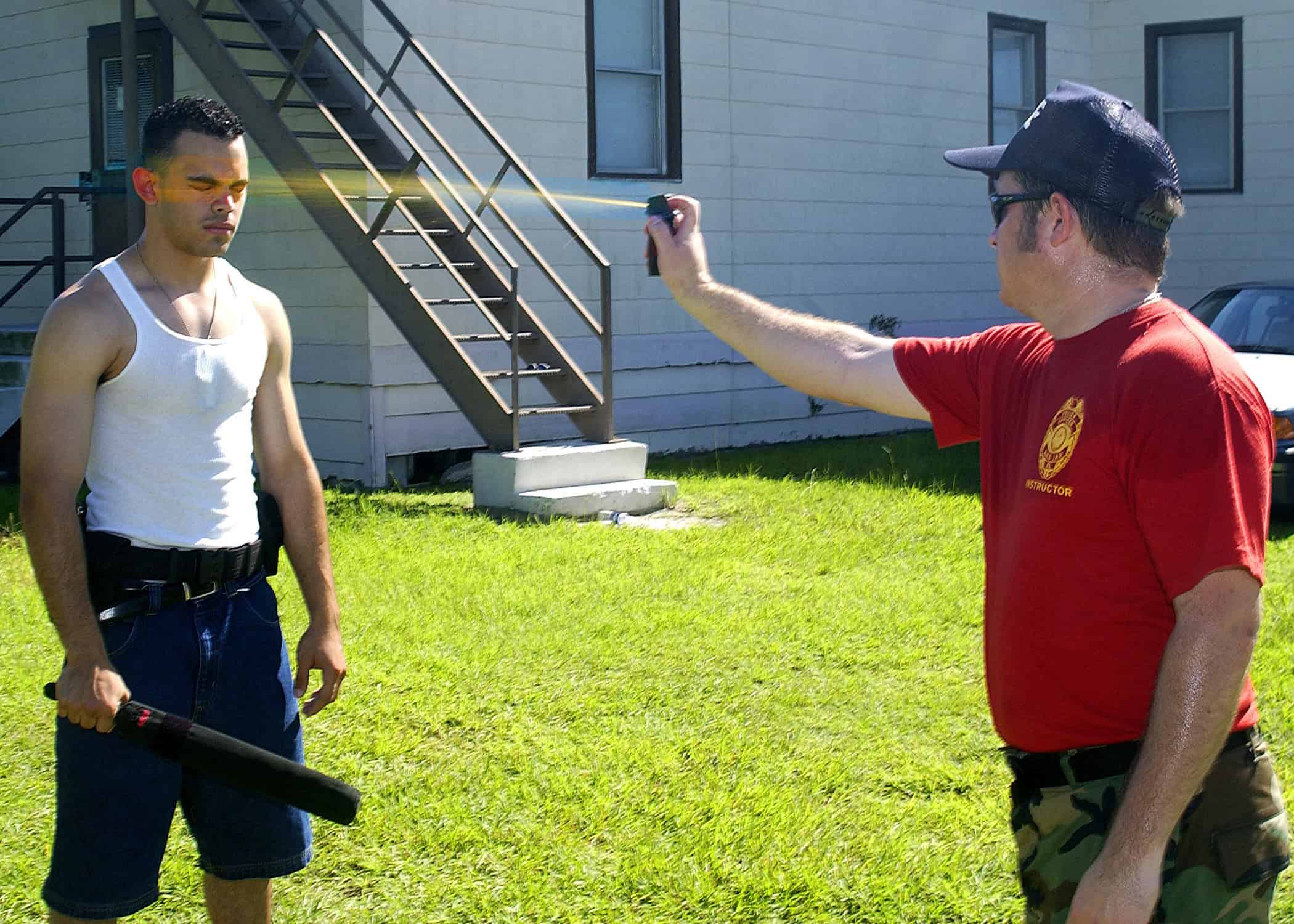
Pepper spray is a common U.S. purchase for travel safety, but Canada treats it as a prohibited weapon when it is intended for use on people. That difference can surprise visitors who assume it is just another personal safety tool. Canadian law focuses on purpose and design, and carrying pepper spray for self-defense can lead to criminal trouble rather than reassurance. Even items marketed as sprays can raise questions if the intent is personal protection against humans. Travelers who want peace of mind often do better with non-weapon options and situational planning instead of a spray that creates risk at entry.
Bringing A Firearm Without Declaring It
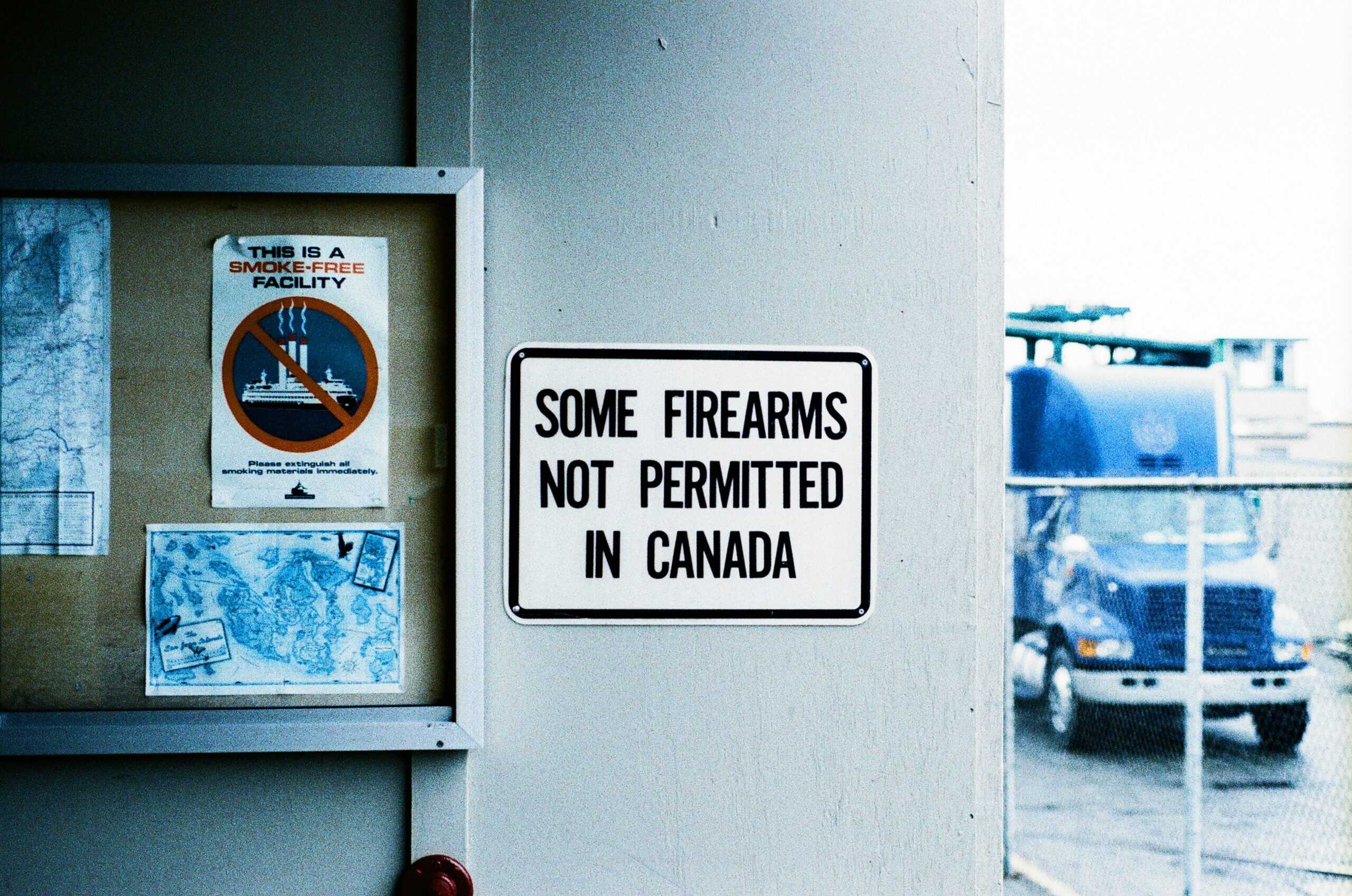
Some Americans are used to road trips with a firearm stored in the car. In Canada, the border process is formal, and undeclared firearms can cause serious consequences. Non-residents generally must declare eligible firearms and complete the correct paperwork, and Canada Border Services Agency guidance explains requirements and fees for non-restricted firearms. The RCMP also outlines the non-resident declaration process and how it functions while in Canada. Travelers who cross with anything firearm-related need to treat it as a paperwork-first situation, not a casual trunk item.
Using A Radar Detector On A Road Trip

Radar detectors are a classic American road-trip accessory, but Canada’s rules are patchwork, and several provinces and territories prohibit them. The U.S. State Department’s Canada travel advisory specifically notes radar detectors are illegal in places such as Québec, Ontario, Manitoba, the Yukon, and the Northwest Territories, even if not used, and police can confiscate them and issue fines. That detail matters because a device sitting in the glove box can still become an issue during a stop. For travelers planning long drives, the safest move is leaving radar detectors at home rather than gambling on jurisdiction changes.
Turning Right On Red In Montréal
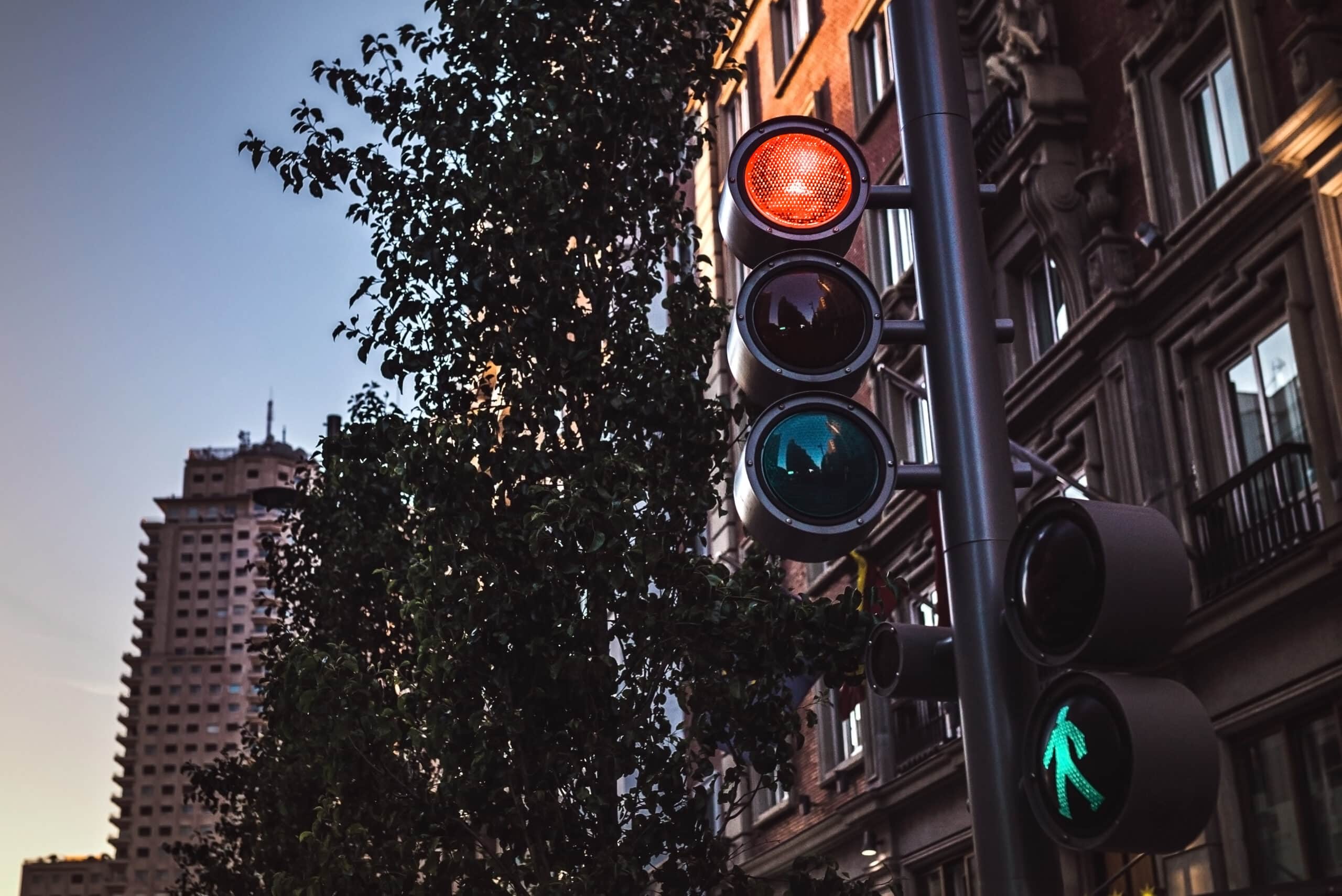
Turning right on red feels automatic in much of the United States, which is why Montréal catches visitors off guard. Québec’s road-safety authority states that right turns on red are prohibited on the island of Montréal, even though they are generally permitted elsewhere in Québec unless signage says otherwise. It is the kind of rule that does not look dramatic until a driver makes the turn in front of a crossing pedestrian. For travelers, it is a reminder that city rules can differ sharply from the surrounding region. A calm pause at intersections in Montréal prevents tickets, close calls, and the sour feeling of an avoidable mistake.
Forgetting To Declare Food, Plants, Or Animal Products

A cooler of snacks can feel harmless, but Canada requires travelers to declare food, plant, and animal items at entry. CBSA policy notes that failure to declare can lead to forfeiture, monetary penalties, and possible prosecution, depending on the situation. The Canadian Food Inspection Agency also explains that personal-use allowances exist, but limits and restrictions still apply. This catches travelers who toss fruit, jerky, or home-packed meals into a bag without thinking. The smartest habit is treating declarations as routine and letting officers decide what is allowed, rather than trying to guess and risking penalties for something that could have been disclosed in seconds.
Flying A Drone Without The Right Setup
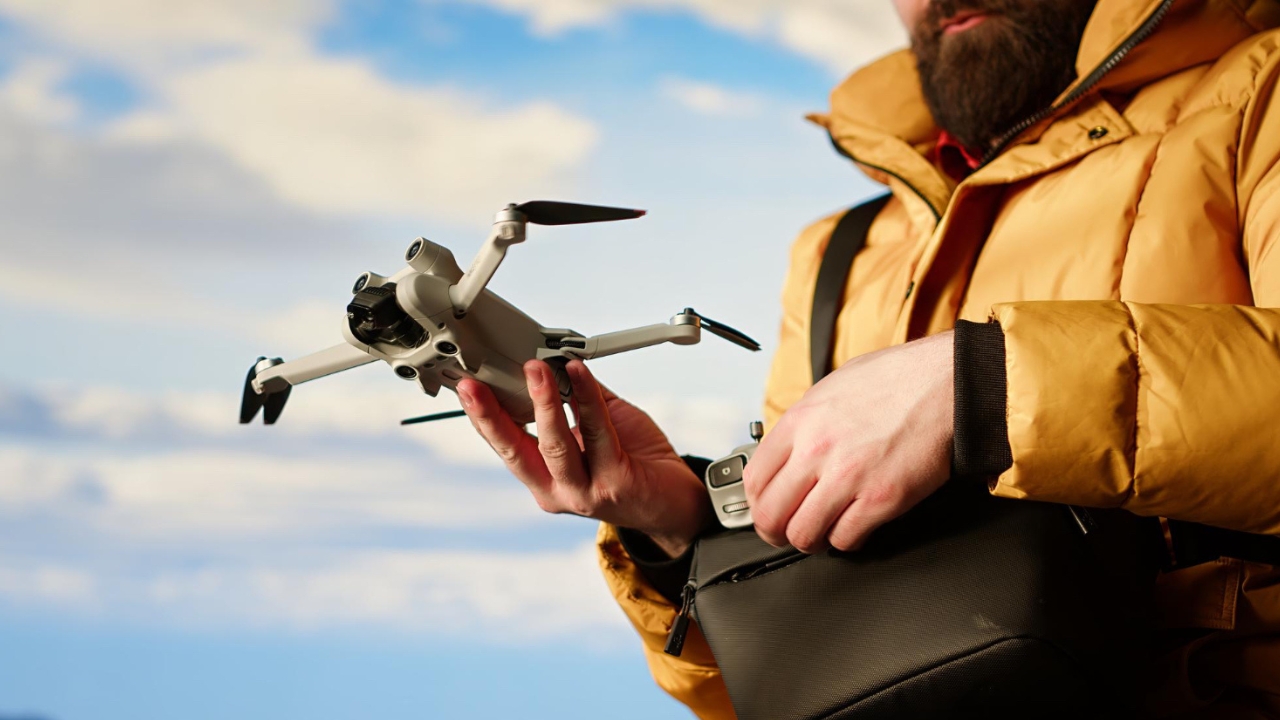
Quick drone shots can feel like standard vacation content now, but Canada’s rules hinge on drone weight and how it is flown. Transport Canada states that drones at or above 250 g must be registered, and it explains that pilot certificates are tied to operation categories and rules. That means a casual flight with an unregistered drone, or one flown outside the applicable rules, can become a legal headache fast. Accessories can push some drones over the weight threshold, which changes obligations immediately. Travelers who want aerial footage need to treat Canada like a regulated airspace, not a free-for-all for spontaneous takeoffs.