We may earn money or products from the companies mentioned in this post. This means if you click on the link and purchase the item, I will receive a small commission at no extra cost to you ... you're just helping re-supply our family's travel fund.
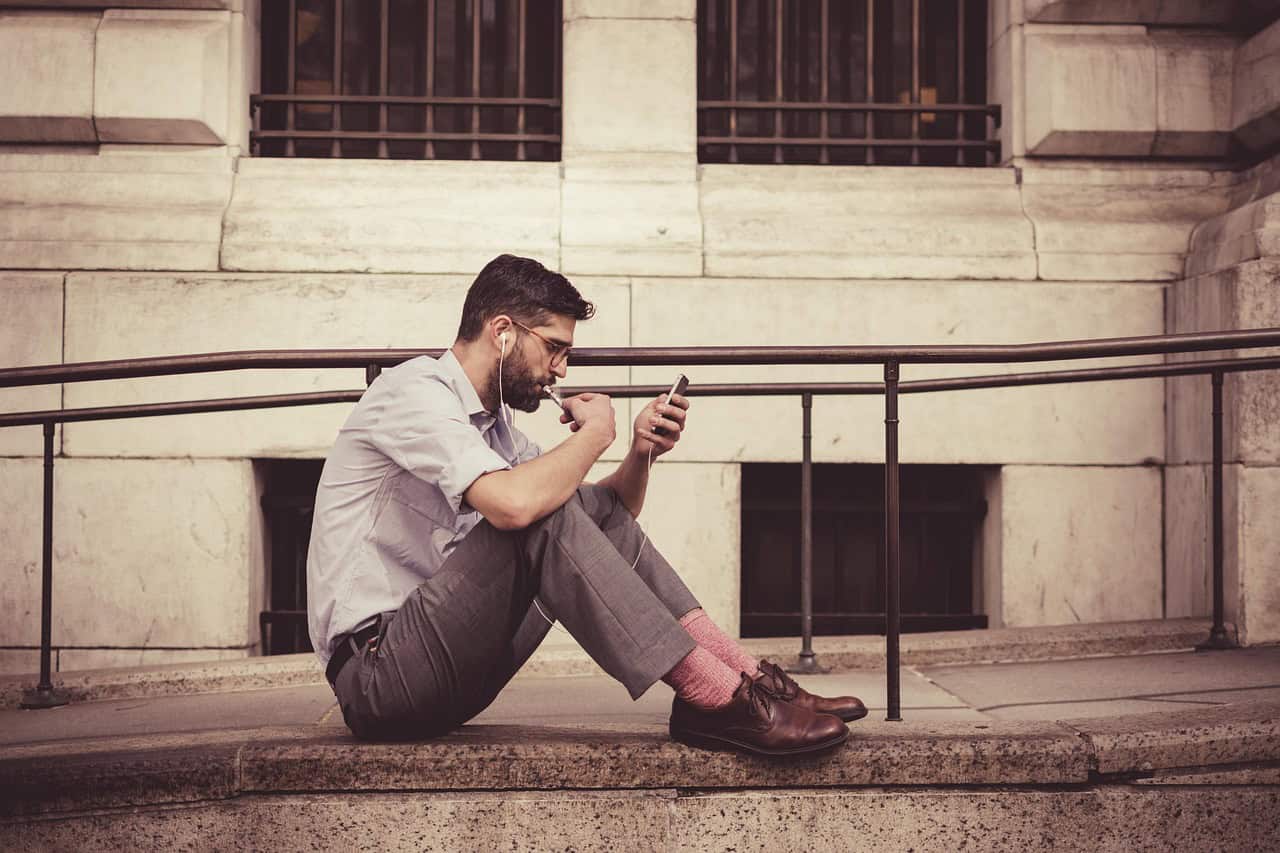
Smartphone hacking today is less about elite cybercriminals and more about speed, crowd density, and careless digital habits. In major global cities, attackers rely on public Wi-Fi, fake charging points, Bluetooth exploits, and human error rather than complex code. Places with heavy tourism, nonstop connectivity, and distracted users offer perfect conditions for quick data interception. The cities below are not unsafe overall, but their digital environments demand extra caution if you value your privacy, finances, and personal data.
1. New York City, USA
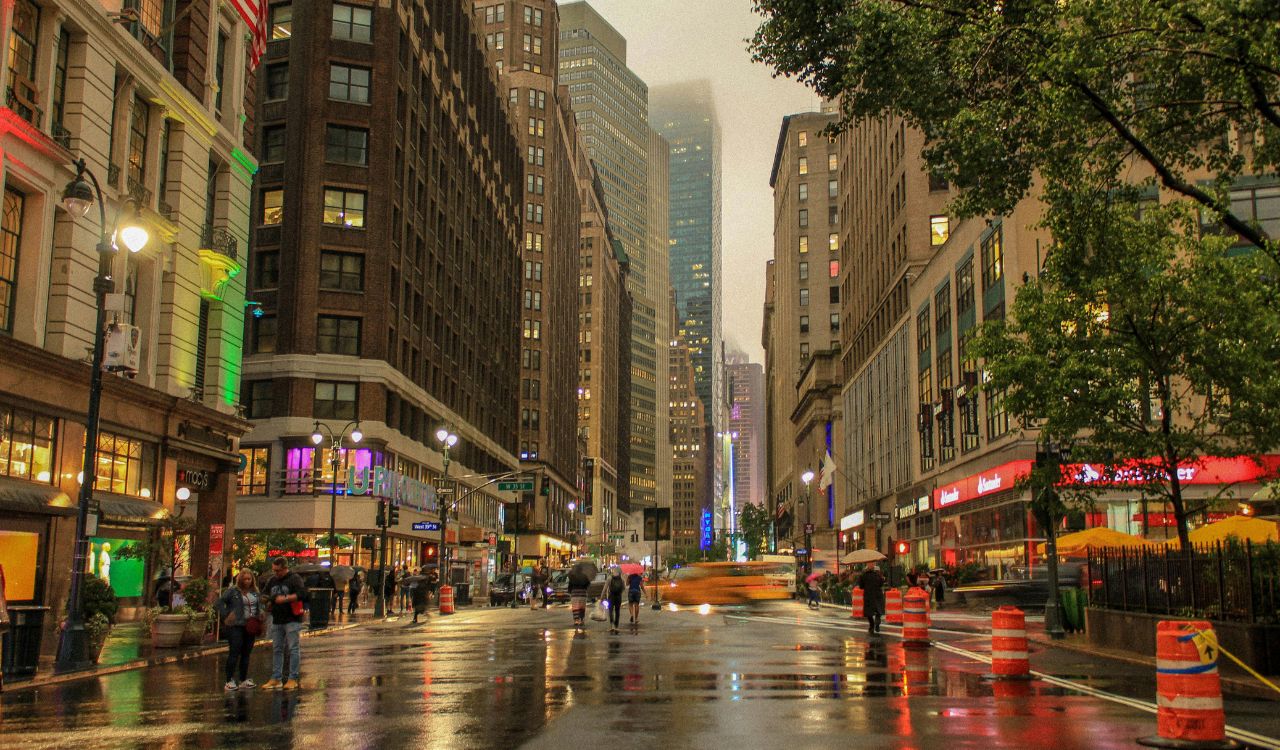
New York’s extreme connectivity makes smartphones unusually exposed. The city operates over 2,000 LinkNYC Wi-Fi kiosks, alongside tens of thousands of private hotspots. Cybersecurity reports estimate 1 in 5 public networks detected in Midtown are either unsecured or impersonated. Fake “Free Subway Wi-Fi” portals frequently harvest login credentials within 30–60 seconds of connection. With more than 8.5 million residents and millions of daily visitors, attackers blend in easily. Bluetooth scanning on crowded trains and juice-jacking risks at airports and cafés further increase vulnerability, especially for users who leave default settings unchanged.
2. London, United Kingdom
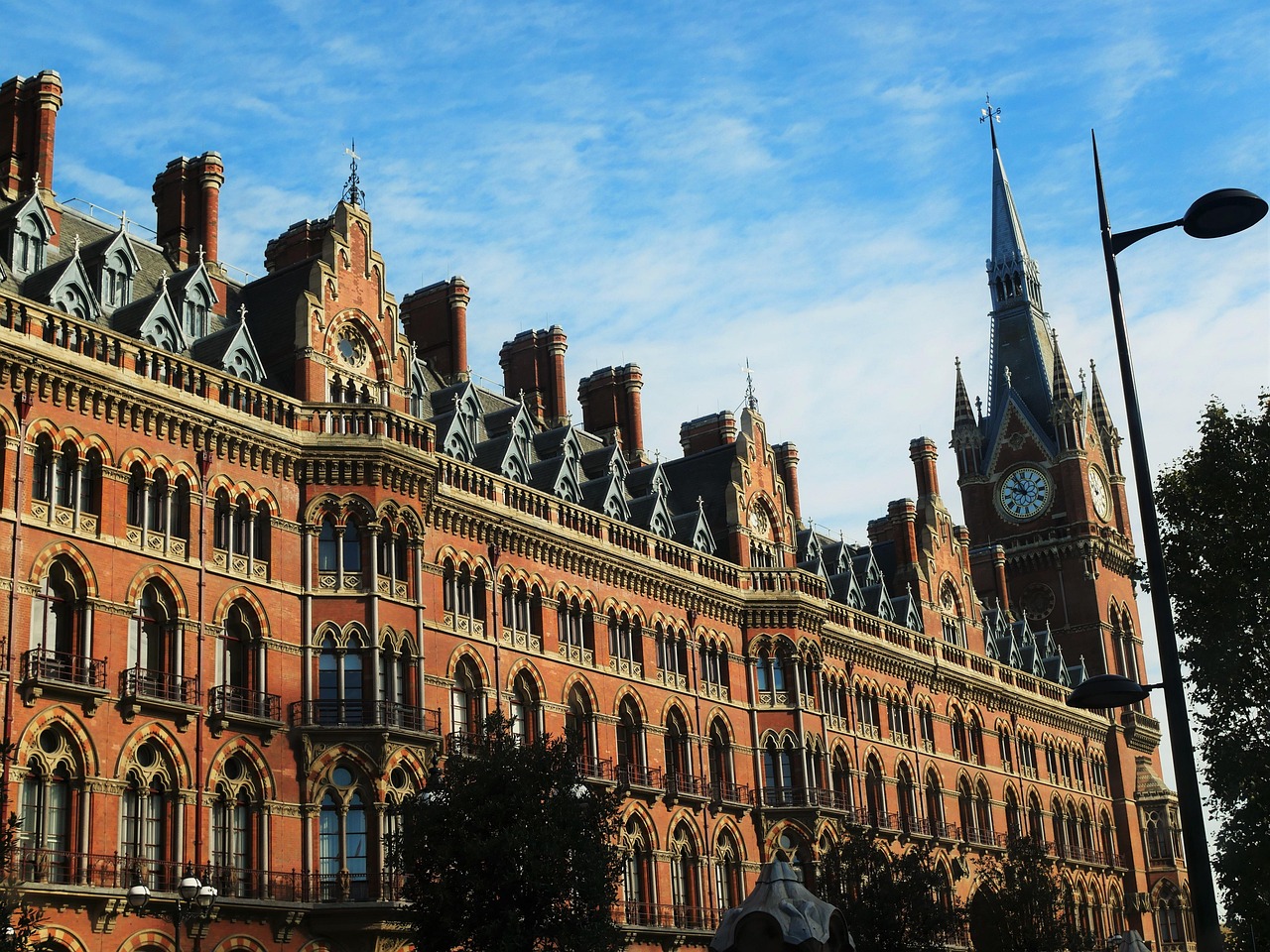
London combines dense crowds with aggressive digital convenience. Over 80% of residents use contactless payments daily, while public Wi-Fi is available across buses, Underground stations, and cafés. Security audits show that roughly 18% of detected hotspots in central London mimic trusted providers. QR-code scams surged by over 40% between 2023 and 2024, particularly in Soho and tourist zones. Attackers often intercept data during brief connections under two minutes, exploiting users who multitask. Shared charging stations at major rail terminals have also been flagged as recurring risk points.
3. Paris, France
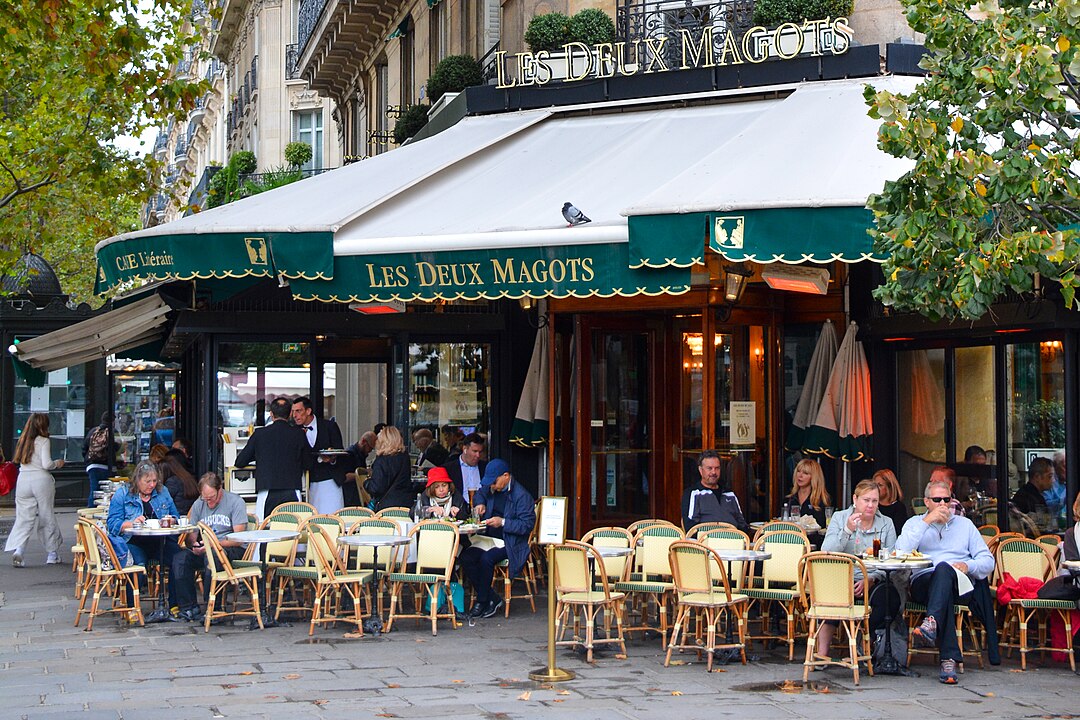
Paris offers widespread free municipal Wi-Fi, with access points around landmarks, museums, and transit hubs. Researchers have found that nearly 25% of open networks in tourist areas lack encryption. Fake login pages resembling city-branded portals are commonly used to capture emails and passwords almost instantly. Paris receives over 30 million visitors annually, many connecting impulsively while navigating unfamiliar areas. Man-in-the-middle attacks typically succeed within 90 seconds, especially when users reuse passwords. Crowded cafés and airports amplify exposure through shared networks and unattended devices.
4. Bangkok, Thailand

Bangkok’s mobile risks stem from speed and accessibility rather than sophistication. Prepaid SIM cards cost as little as $2–3, and unsecured Wi-Fi is everywhere. Studies indicate over 35% of public networks in central districts use weak or outdated security protocols. Malware-infected apps often circulate through unofficial app stores and phone repair markets. Tourists connecting briefly for maps or ride services can expose data in under one minute. With more than 22 million annual visitors, attackers rely on volume, knowing many users prioritize convenience over security.
5. Dubai, United Arab Emirates

Dubai’s ultra-fast public internet and heavy smartphone usage create a high-value digital environment. Smartphone penetration exceeds 95%, and Bluetooth, NFC, and QR-based services are deeply integrated into daily life. Cybersecurity firms report a 28% year-on-year rise in mobile phishing incidents, often delivered via messaging apps or mall QR codes. Free Wi-Fi in taxis, airports, and malls can expose unprotected devices in seconds. While infrastructure is advanced, users often underestimate how quickly personal data can be mirrored from unsecured connections.
6. Barcelona, Spain
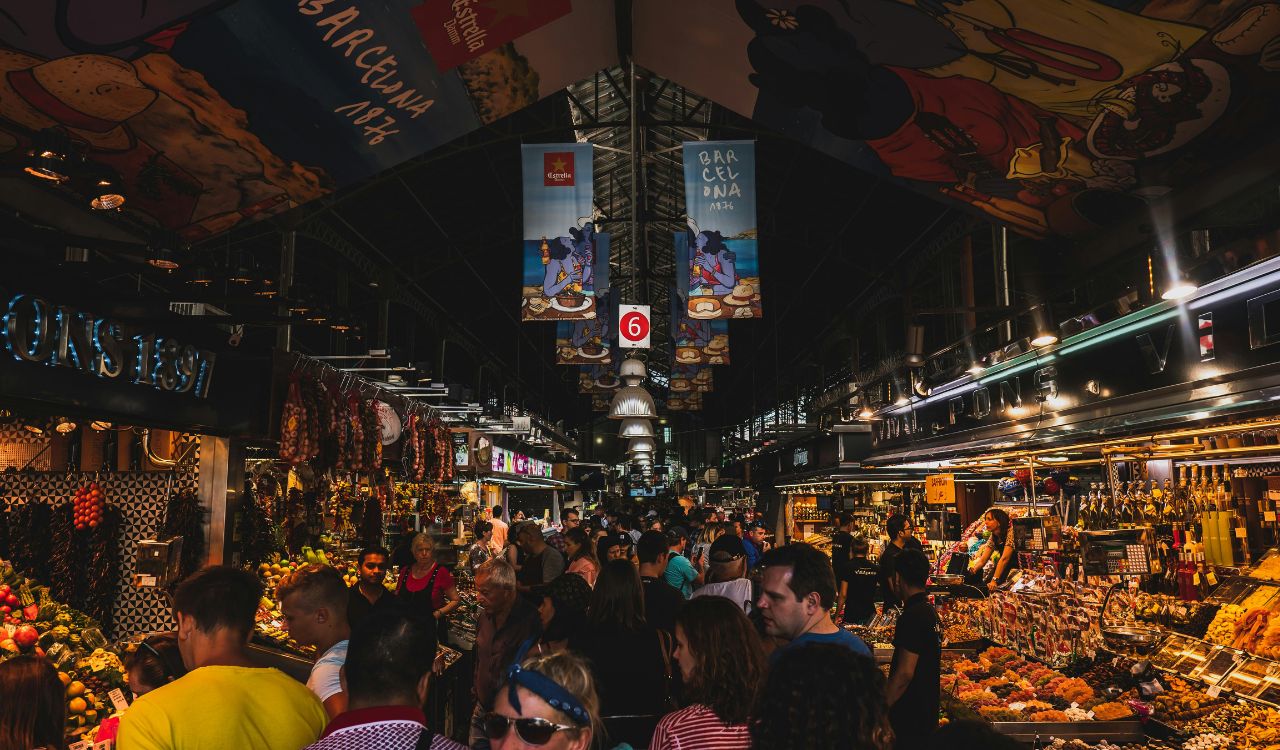
Barcelona attracts remote workers, conference crowds, and tourists, all sharing the same digital spaces. The city hosts over 12 million visitors annually, many relying on café Wi-Fi. Independent audits show that around 30% of shared networks in coworking zones lack proper encryption. During major events, rogue hotspots spike dramatically, targeting laptops and phones simultaneously. Hackers often succeed through session hijacking in under two minutes, especially when devices auto-connect. Unattended phones and shared charging tables further increase exposure in busy districts.
7. Tokyo, Japan
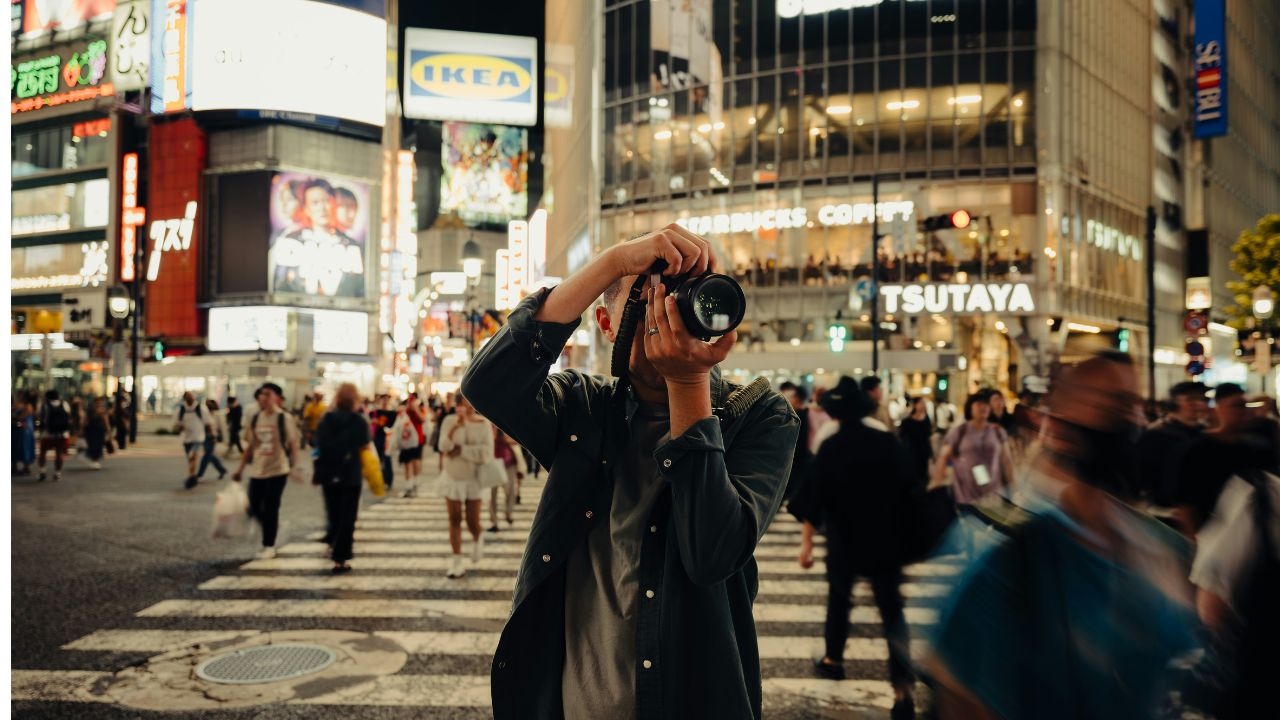
Tokyo is physically safe but digitally underestimated. Public Wi-Fi is expanding rapidly, with tens of thousands of access points across stations, vending areas, and shopping complexes. Security analysts note that roughly 20% of public connections still rely on minimal authentication. Trust-based behavior leads many users to disable few protections. Bluetooth-based exploits and malicious charging points can extract data in under 60 seconds. With more than 37 million people in the metro area, attackers depend on anonymity rather than aggression.