We may earn money or products from the companies mentioned in this post. This means if you click on the link and purchase the item, I will receive a small commission at no extra cost to you ... you're just helping re-supply our family's travel fund.
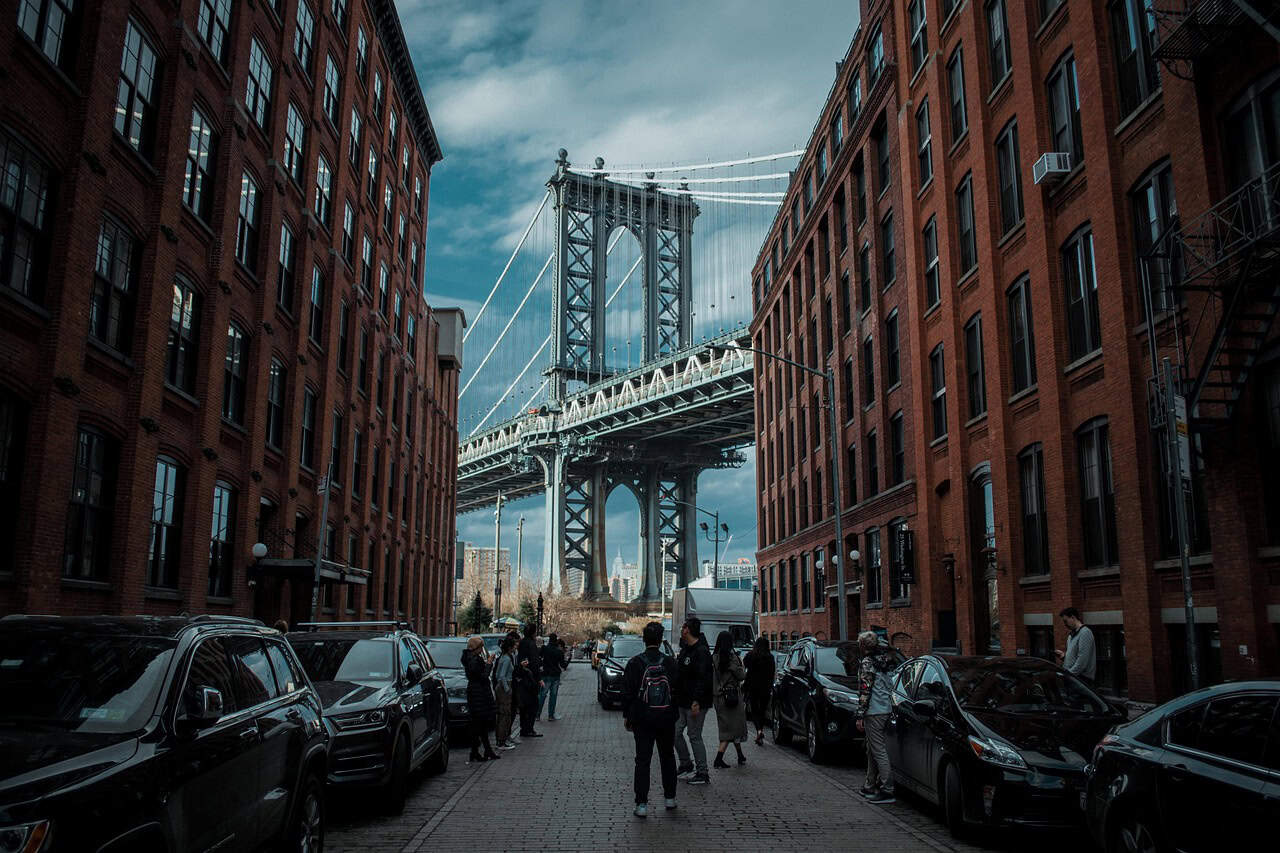
Some places feel like they run on a faster setting. The sidewalks vibrate, the air tastes metallic, and the evenings refuse to cool or quiet down. Aging is not only candles on a cake; it is the slow math of sleep, inflammation, heat strain, and daily exposure that adds up in the background. These cities are not villains. They are vivid examples of how climate, pollution, and pace can leave people looking and feeling worn sooner than expected. The body notices, even when the itinerary does not.
Delhi, India, Haze That Acts Like Time-Lapse
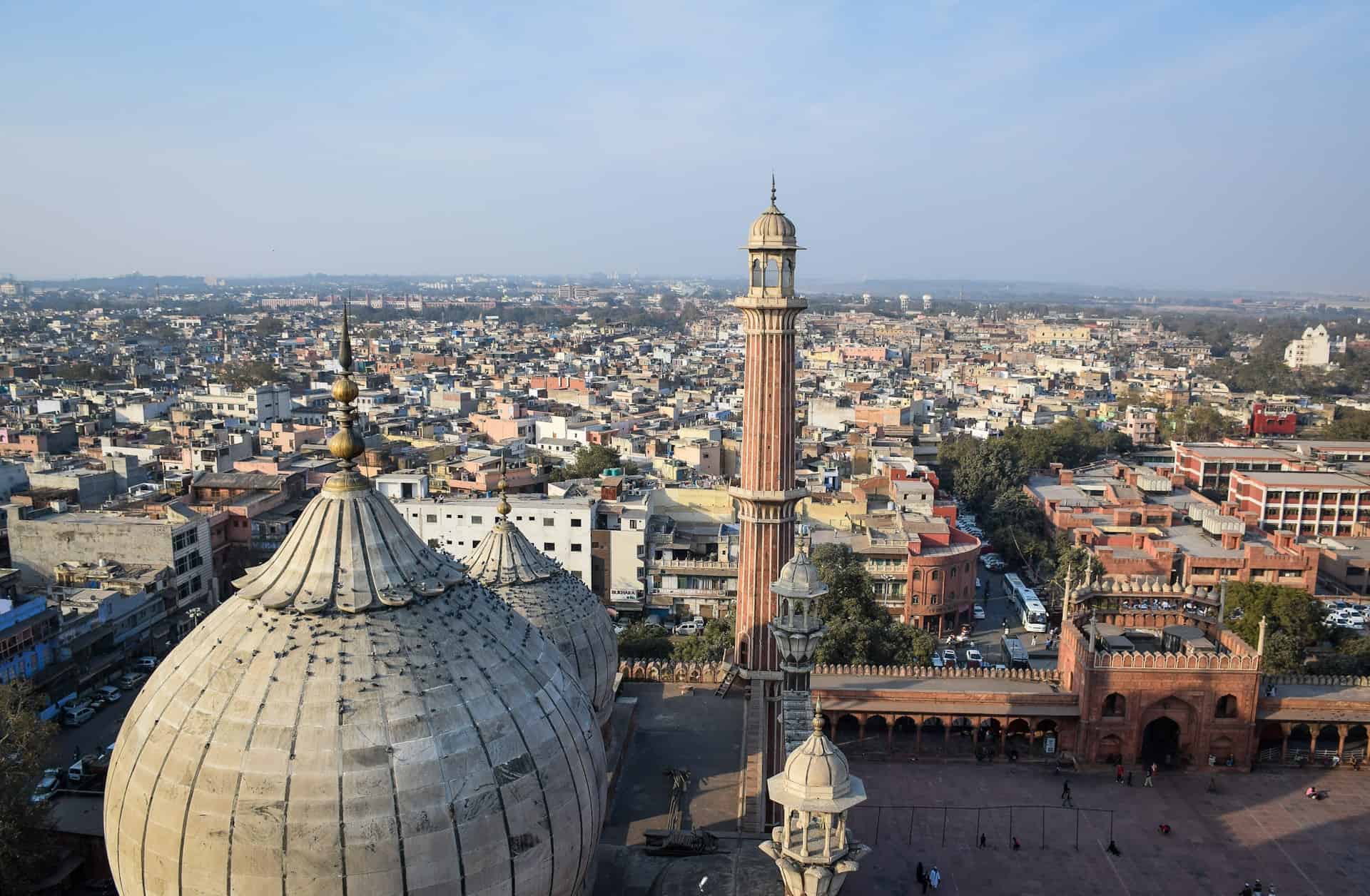
Delhi’s haze can feel like a clock speeding up, especially in late fall and winter when smoke, dust, and cold air trap fine particles close to the ground. Research links PM2.5 exposure with epigenetic age acceleration and other stress pathways tied to inflammation and clotting, which helps explain why the body can feel wrung out after a hard air week. When PM2.5 surges after events like Diwali, schools and offices tighten plans, masks reappear, and even short errands can turn into a subtle stress test for lungs, sleep, eyes, and stamina across the city.
Lahore, Pakistan, Winter Smog That Steals Rest
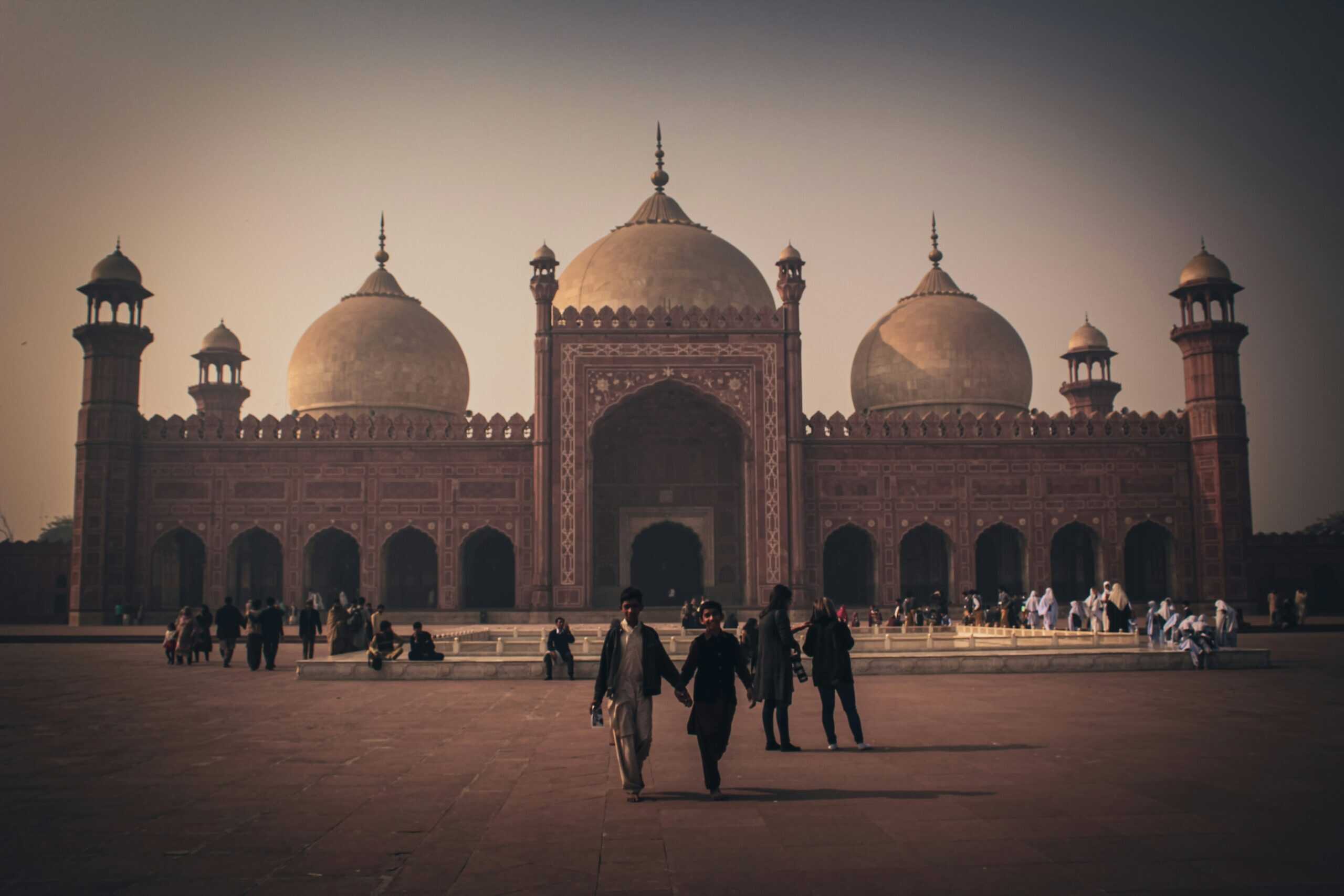
Lahore’s winter smog season can compress time into a gray blur, with visibility dropping and daily plans rewritten around air alerts and school decisions. Reuters has described Lahore posting some of the world’s worst raw AQI readings during Punjab’s smog episodes, as officials point to a mix of traffic, industry, and drifting pollution, followed by emergency anti-smog measures. Air pollution research has linked traffic and particle exposure with shorter telomeres and other aging-related biomarkers, offering a biological lens for why repeated bad-air stretches can feel draining, even for healthy adults.
Los Angeles, California, Ozone Days And Freeway Air

Los Angeles sells sun and reinvention, yet the air still carries a price tag, especially near freeways and during hot, stagnant stretches when ozone climbs. The American Lung Association’s city rankings have repeatedly placed the metro on the Worst 25 list for ozone, showing how smog season can linger even when skies look postcard blue. Research on air pollution has linked traffic and particles with markers of biological wear, and the grind deepens when wildfire smoke turns the horizon sepia, irritates eyes and throat, and pushes workouts and commutes into sealed, recirculated air.
Mexico City, Mexico, Basin Traps And Ozone Episodes
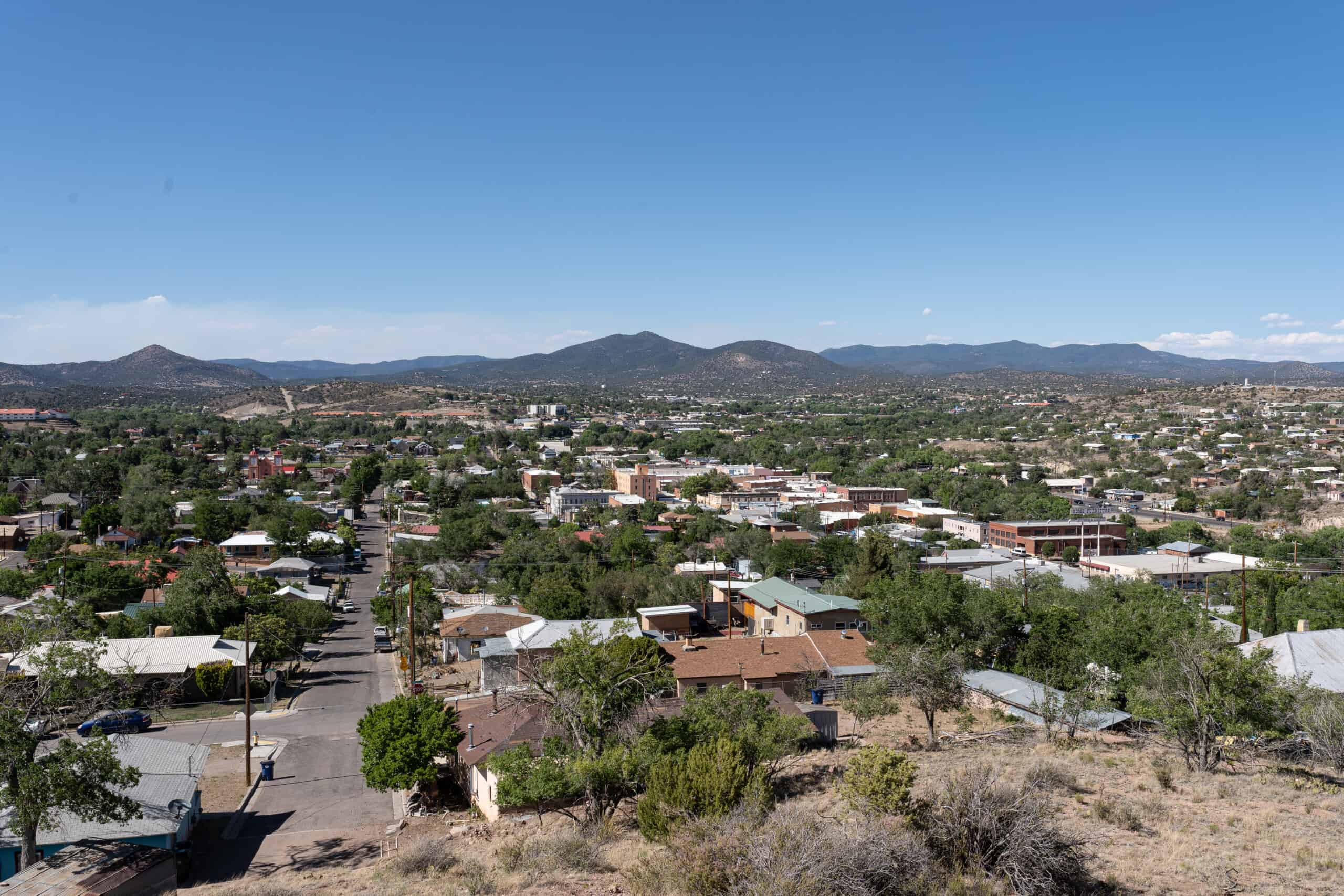
Mexico City has worked hard to clean up since the worst smog decades, but the valley geography, ringed by mountains still invites pollution to pool when weather stalls. UNEP notes major progress through sustained policies, yet researchers still describe recurring episodes of elevated air pollution, including ozone spikes that trigger public alerts. Ozone and particle exposure is tied to cardiovascular strain, and broader air pollution research links chronic exposure with accelerated epigenetic aging, which helps explain why commutes and afternoon errands can feel like borrowed time.
Phoenix, Arizona, Night Heat And Urban Heat Islands
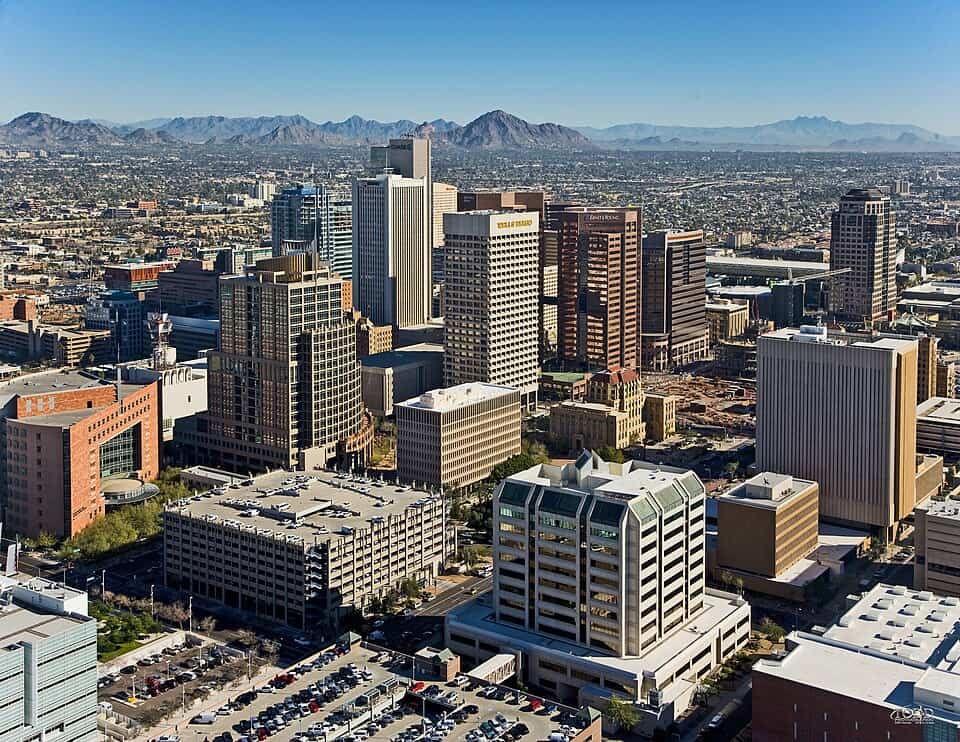
Phoenix has learned that heat is not only weather but infrastructure, and the city’s long summers can slowly grind down sleep, mood, and recovery when nights stay hot. Maricopa County confirmed 645 heat-associated deaths in 2023, and reporting on that summer noted a stretch of 110°F days, proof that sustained heat can push routines into survival mode. Research on urban heat islands shows that heat intensity varies block to block and often tracks shade and pavement, meaning the fastest wear tends to fall on neighborhoods with fewer trees, less insulation, and limited access to cooling.
Miami, Florida, Humid Heat And Photoaging Light
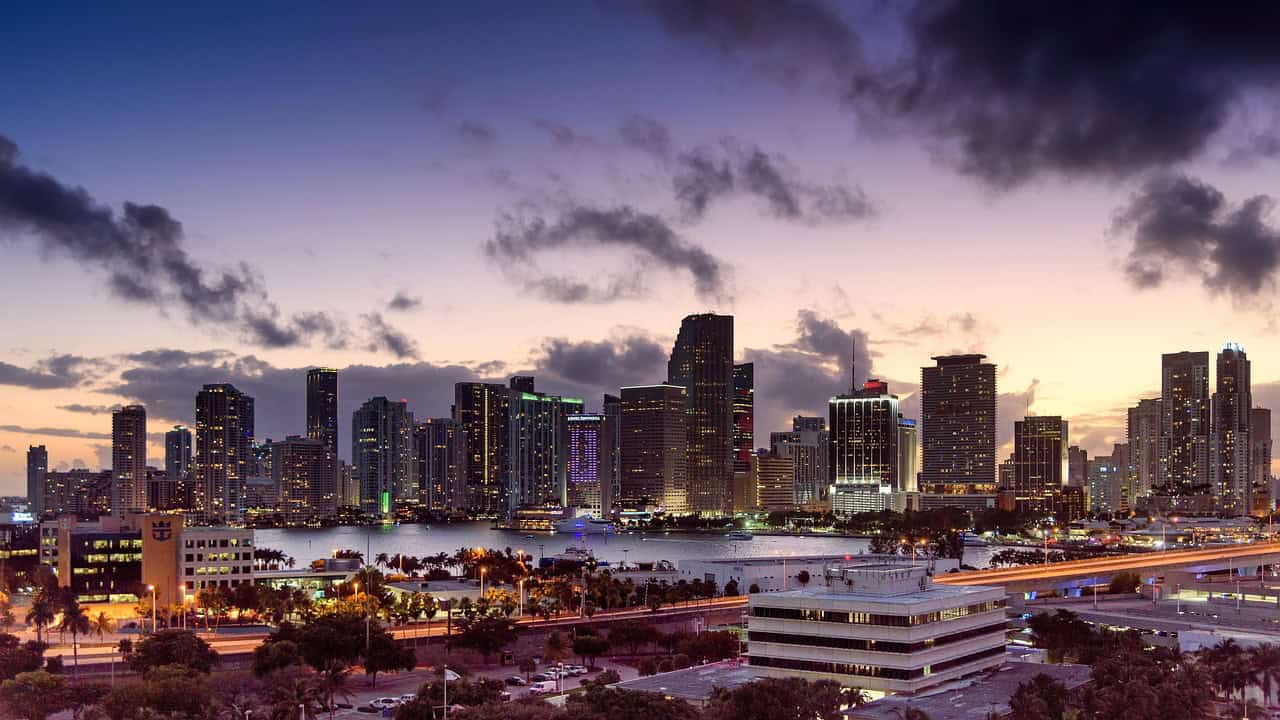
Miami’s beauty runs on sun and salt air, but the same climate can stack small stressors into a steady grind, especially during long heat waves when humidity slows sweating and nights stay sticky. Reporting on U.S. heat deaths highlighted high heat in Miami, and the strain is felt in sleep that never quite cools down, dehydration that arrives quietly, and errands often timed for dawn or indoor hours. A dermatology review notes ultraviolet exposure may account for up to 80% of visible skin aging, so shade, hats, and sunscreen become daily essentials, not vacation extras, in a city built for outdoor living.
New York City, New York, Noise, Light, And Thin Sleep
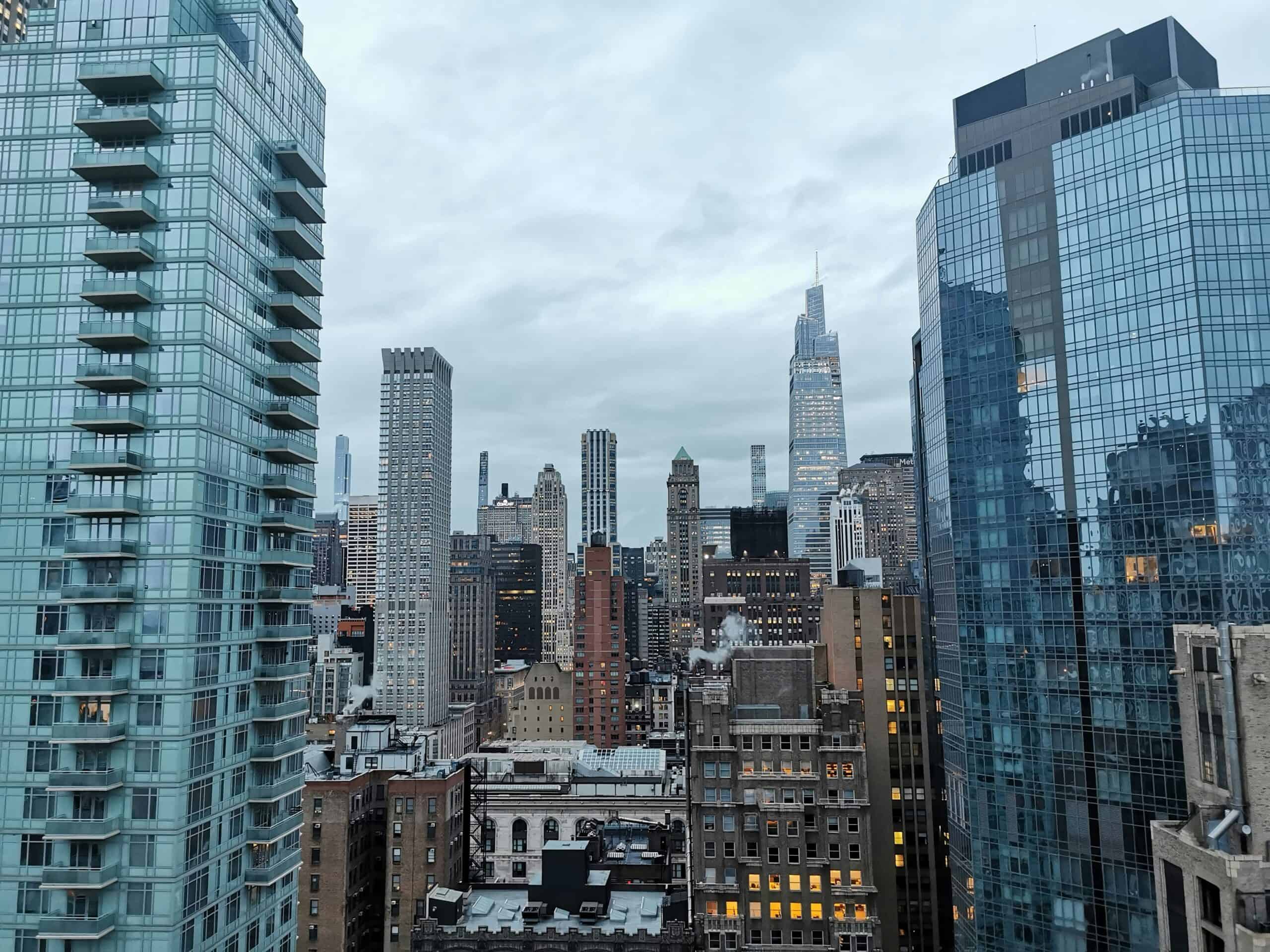
New York City’s energy can feel like a shot of espresso, but the pace has a price when noise, light, and late-night bustle keep rest shallow and fragmented most nights. WHO notes that environmental noise is linked with sleep disturbance and cardiovascular risk, and research tracking millions of NYC 311 complaints shows how sirens, construction, and neighbors’ sound can become a daily condition, not a rare event. When sleep is repeatedly interrupted, recovery shrinks, stress hormones linger, and the face can start to look tired even on good weeks, which is why the city’s glow can read as wear over time.