We may earn money or products from the companies mentioned in this post. This means if you click on the link and purchase the item, I will receive a small commission at no extra cost to you ... you're just helping re-supply our family's travel fund.
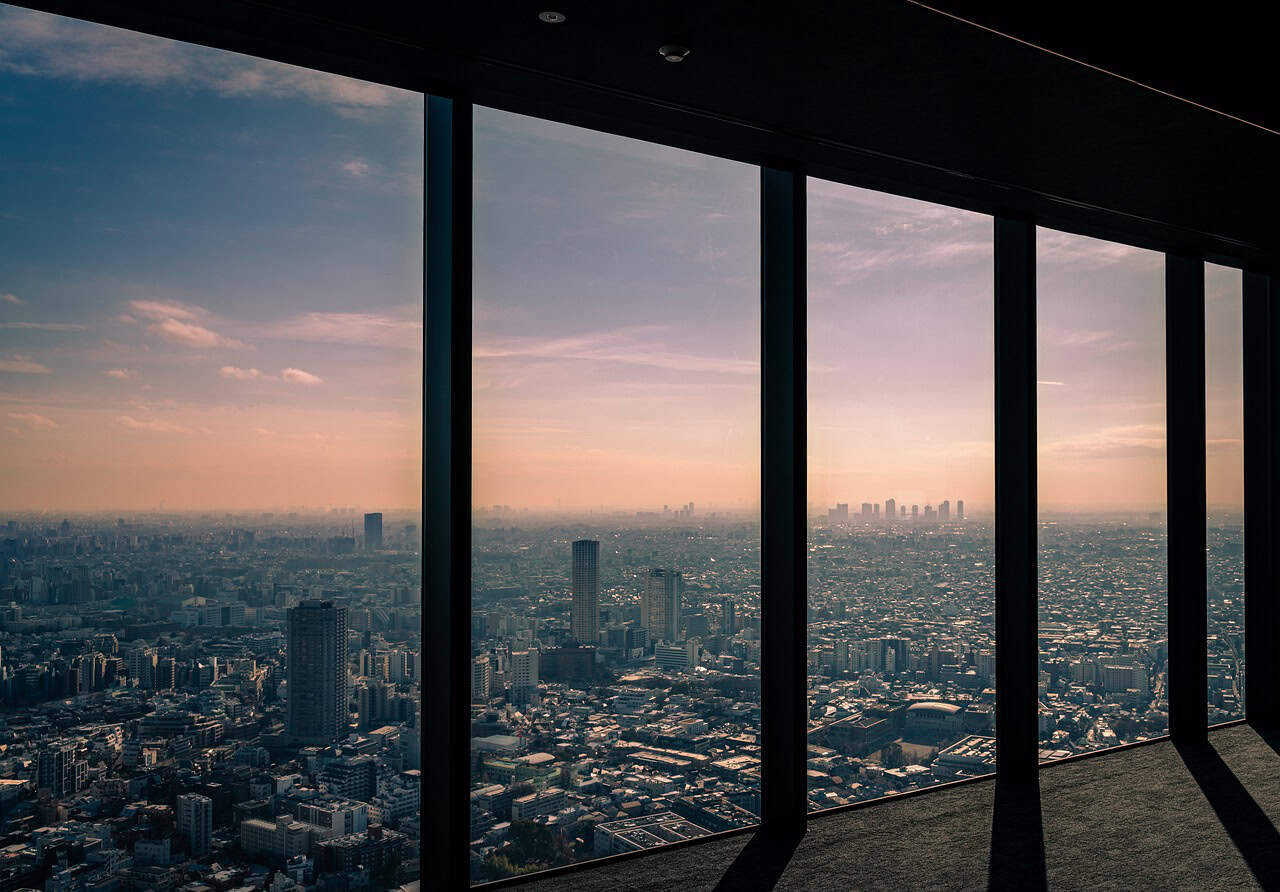
Life in a city can energize some, but certain urban environments quietly accelerate aging. Chronic stress, pollution, relentless noise, and overcrowding put the body into survival mode, triggering fatigue, hormonal imbalances, and premature wear. Over years, these pressures show up in sleep disruption, weakened immunity, skin aging, and cardiovascular strain. Below, we explore seven cities where the pace, pollution, and pressures may shave years off your biological clock, even if life feels vibrant on the surface.
1. New York City, USA
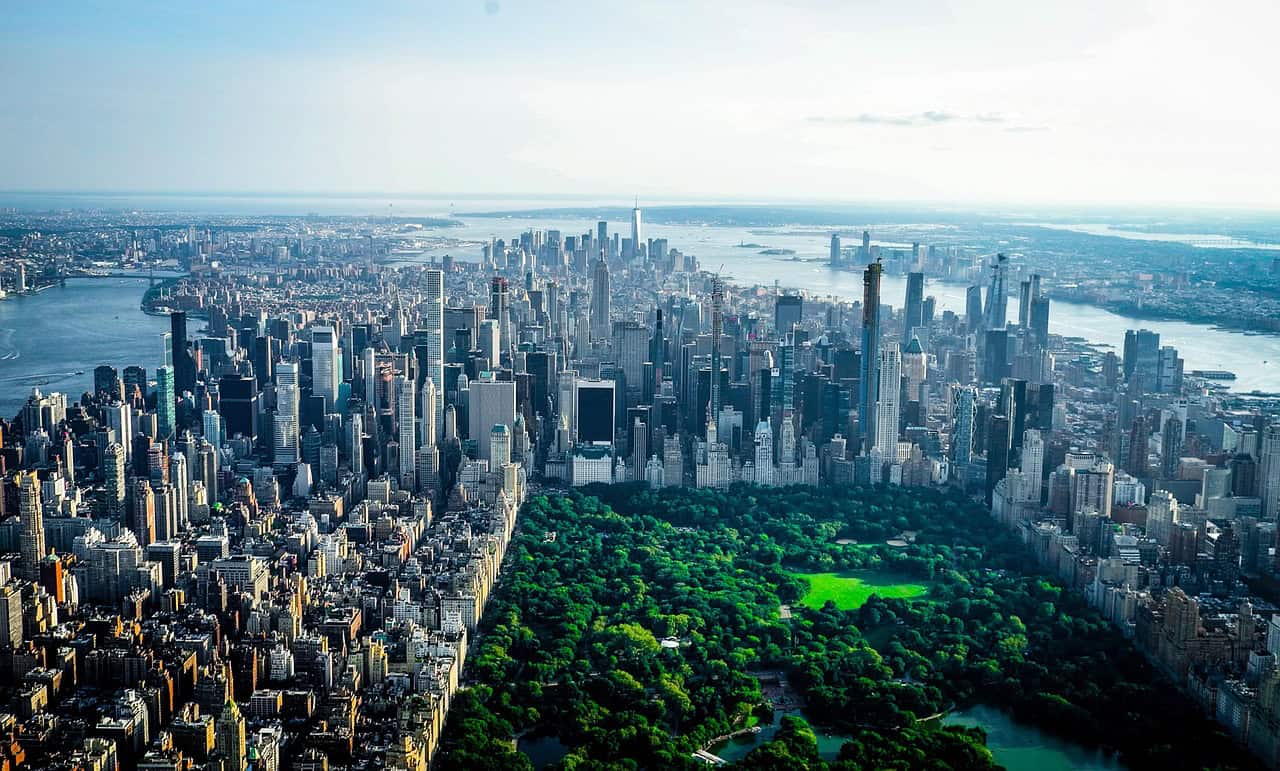
New York pulses with energy, but living here comes at a physiological cost. Daily subway commutes average 75 minutes, noise exposure surpasses 85 decibels in Manhattan hotspots, and the cost of living ranks among the world’s highest at over $4,000 monthly for a modest apartment. This constant stimulation keeps cortisol levels elevated, disrupts sleep, and accelerates cardiovascular stress. Despite world-class healthcare and cultural perks, the city’s intensity drives chronic fatigue, skin aging, and a mental load few notice until years later.
2. Tokyo, Japan
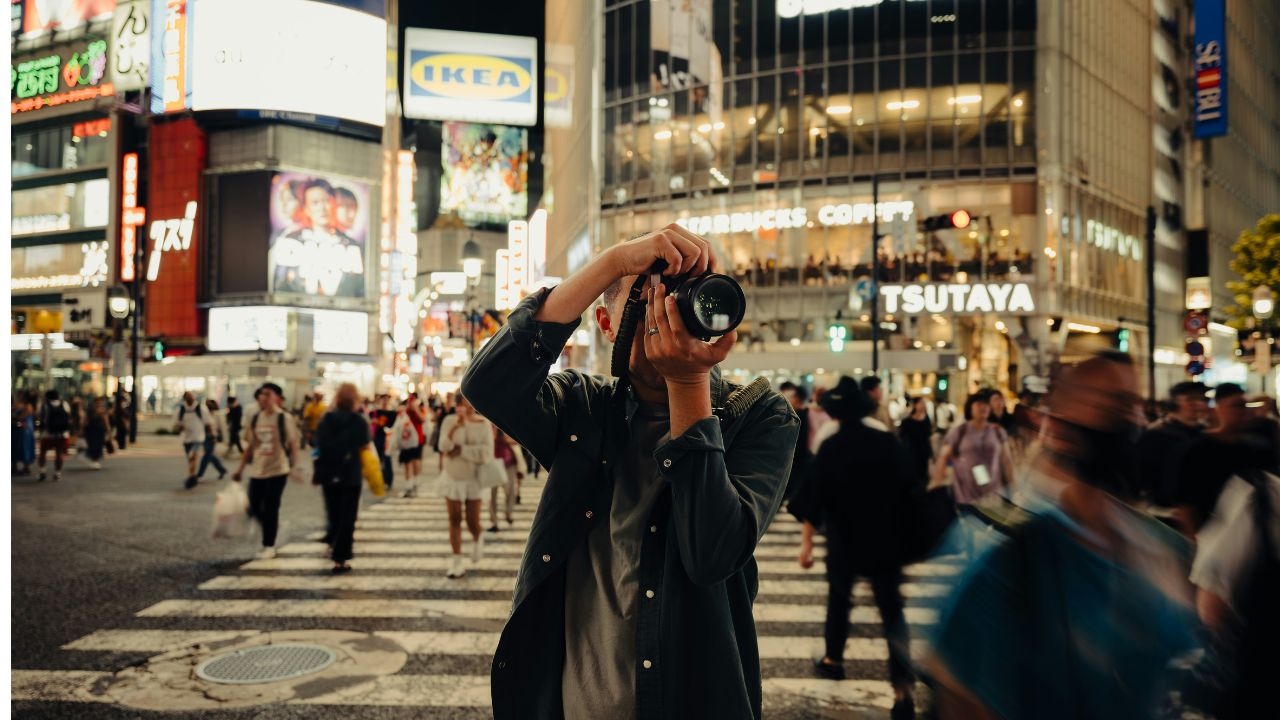
Tokyo is a marvel of efficiency, yet the cost of perfection is hidden stress. The average workweek hits 50–60 hours, while commutes often exceed 90 minutes in crowded trains. Social expectations enforce conformity, limiting emotional release and increasing psychological strain. Sleep deprivation is widespread, with over 20% of adults reporting less than six hours nightly. Even with low crime and excellent healthcare, the city’s disciplined rhythm elevates blood pressure, strains the nervous system, and subtly accelerates aging from years of continuous mental and physical tension.
3. London, UK
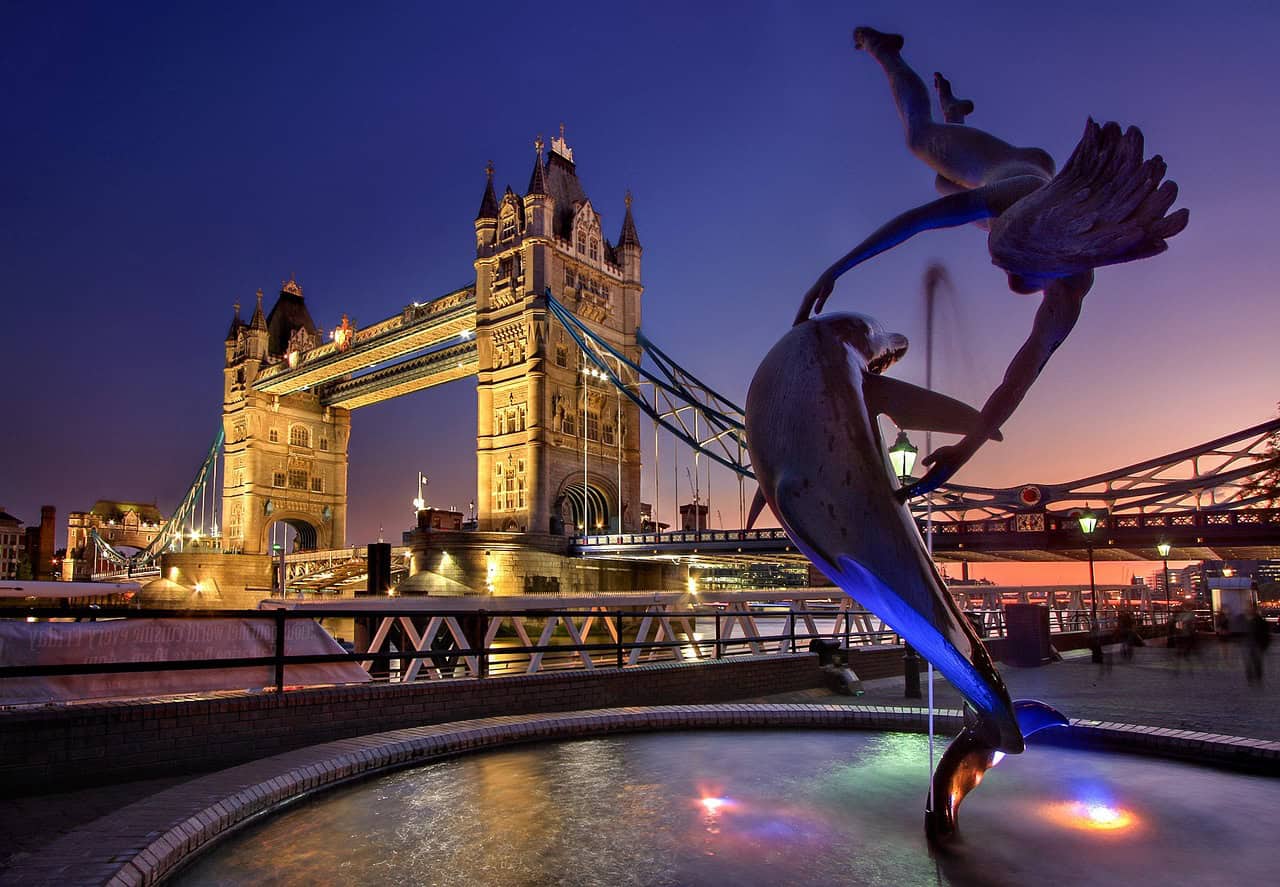
London’s charm masks a slow-burning stress. With average commutes around 74 minutes and annual rainfall over 600 mm, sunlight deficiency affects mood-regulating hormones, contributing to chronic fatigue. Housing costs average £2,000 monthly, generating financial pressure, while noise pollution in central zones reaches 70–75 decibels daily. The city’s blend of gray skies, emotional restraint, and crowded transport leads to elevated stress hormones, sleep disruption, and gradual wear on the heart and skin, aging residents without dramatic flashes, but steadily over time.
4. Mumbai, India
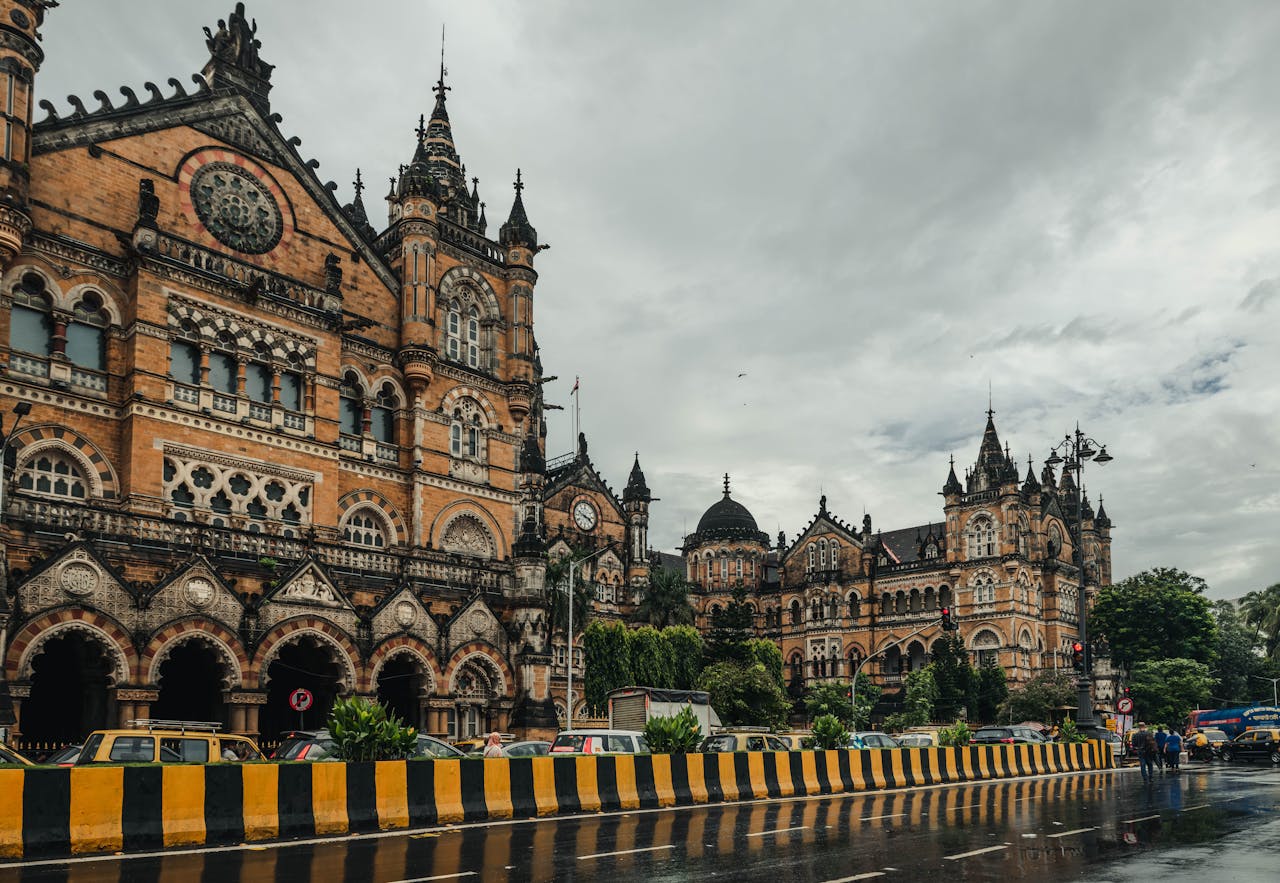
Mumbai overwhelms the senses, with a population exceeding 20 million crammed into limited space. Average daily noise levels hover around 80 decibels, and air pollution often breaches 150 PM2.5, far above safe limits. Commuters spend 90–120 minutes traveling through congested roads or trains. The body rarely rests amid humidity, chaos, and heat averaging 32°C. Constant stress triggers inflammation, sleep disruption, and hormonal imbalance. Despite vibrancy and opportunity, the relentless pace and environmental strain silently speed aging, often visible in premature gray hair and fatigue.
5. Los Angeles, USA
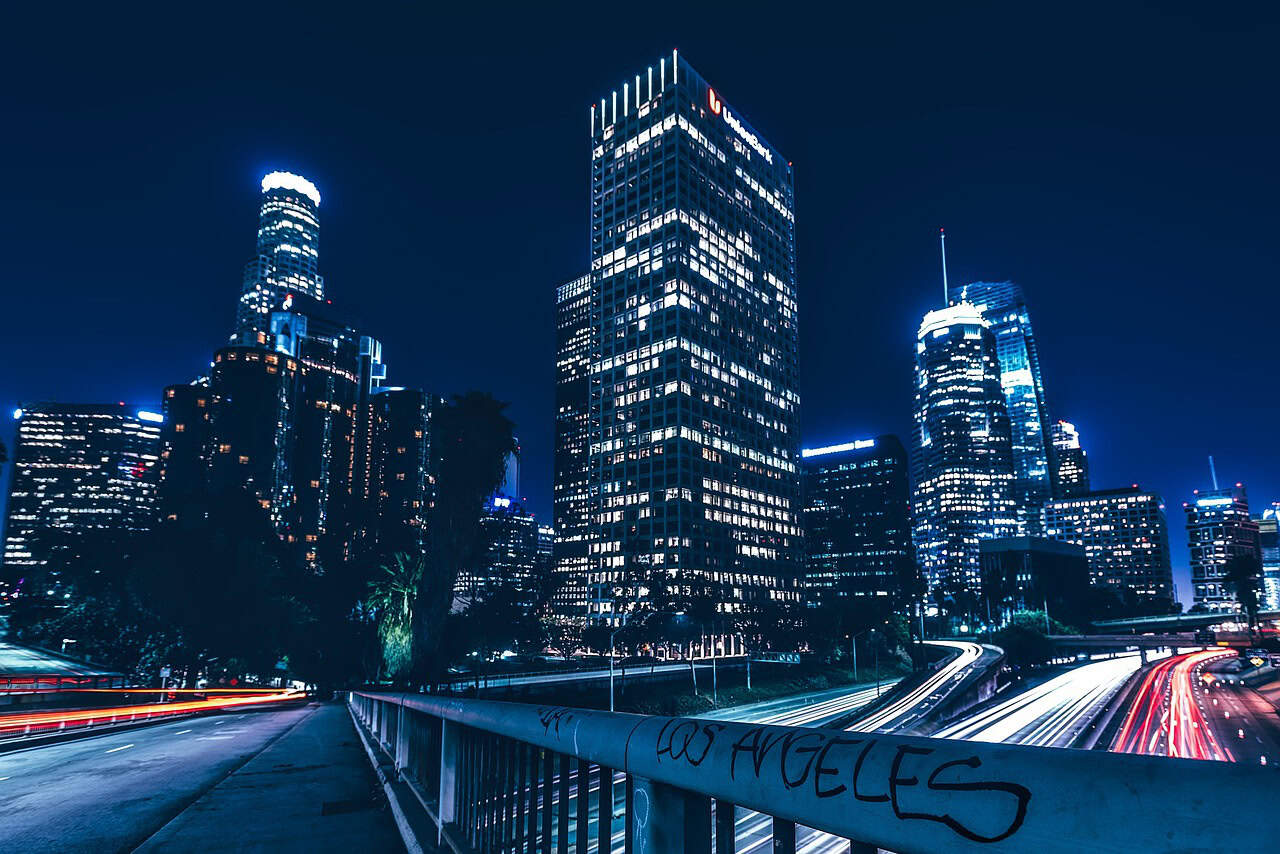
Los Angeles combines glamour with invisible stressors. The average driver spends 103 minutes daily in traffic, while car dependence reduces incidental exercise. Social comparison drives chronic anxiety, especially in industries like entertainment, where over 40% of adults report stress-related sleep problems. Despite sunshine exceeding 280 days per year, isolation is common, contributing to depression risk. The imbalance between external aesthetic pressures and internal strain fosters hormonal disruption, fatigue, and vascular stress, all of which subtly accelerate aging over time.
6. Beijing, China
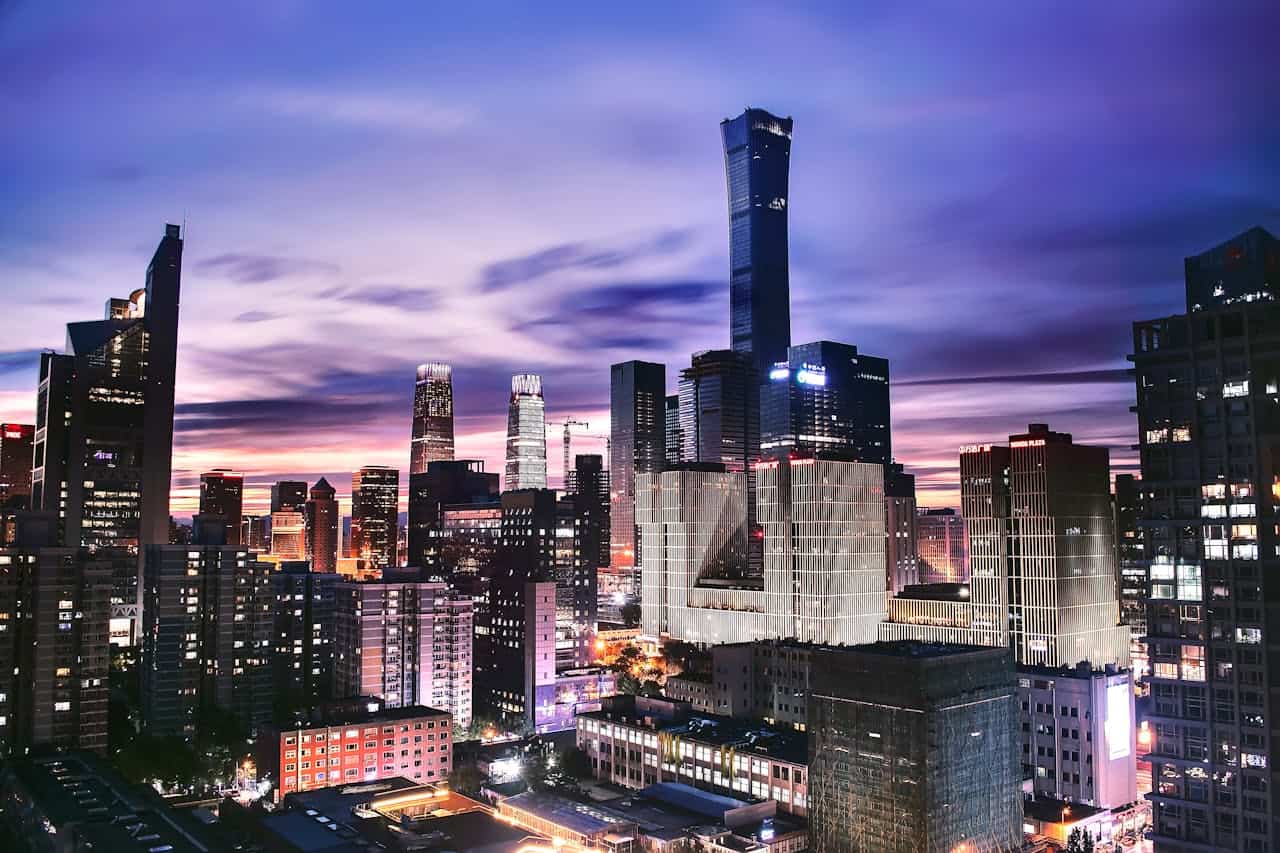
Beijing’s rapid growth brings stress in both air and routine. PM2.5 pollution averages 90–120, significantly affecting lung function and skin health. Workweeks of 50+ hours are standard, with high population density making personal space scarce. Seasonal smog reduces sunlight exposure, lowering vitamin D and impacting mood. Residents experience elevated cortisol and blood pressure, while constant alertness for safety and competition strains recovery cycles. The cumulative effect is premature cardiovascular wear, skin aging, and fatigue, making daily life both physically and mentally draining.
7. São Paulo, Brazil
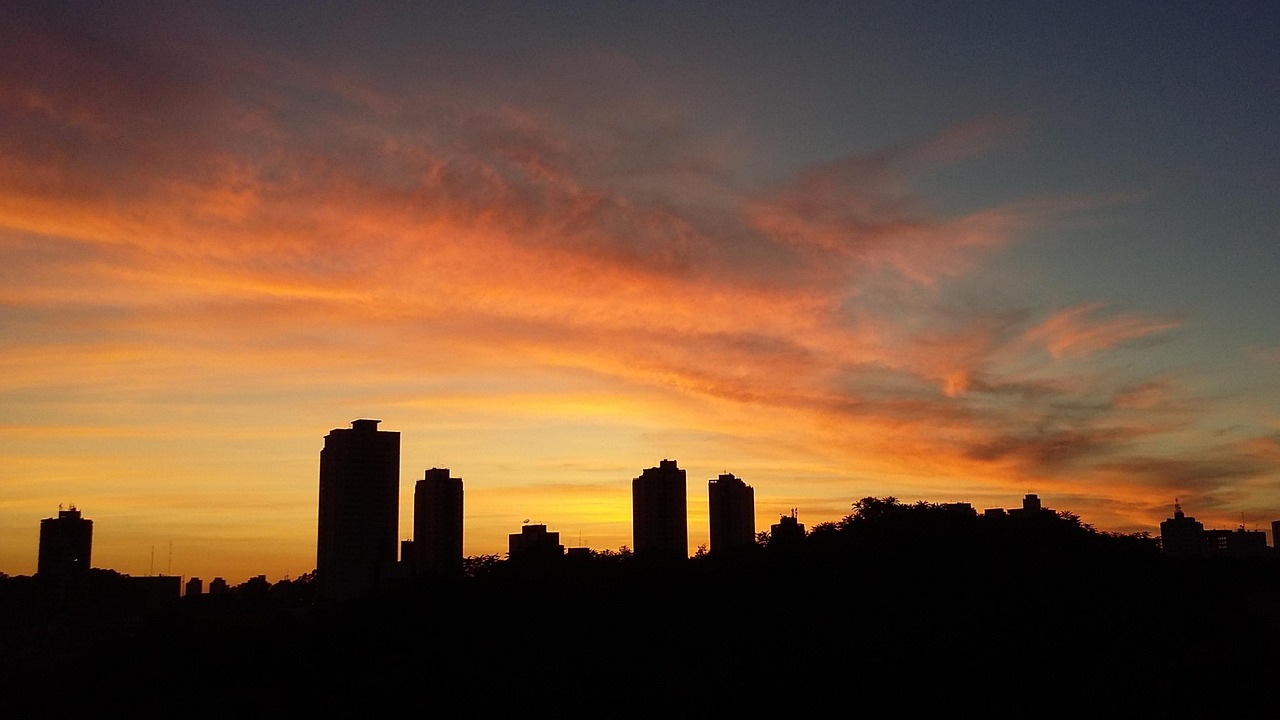
São Paulo’s vibrancy is paired with continuous strain. With a population of 12 million, traffic congestion is extreme, averaging 100 minutes per commuter daily. Noise pollution in central areas often exceeds 75 decibels, and safety concerns maintain constant vigilance. Long work hours and limited downtime contribute to high stress, with hypertension affecting nearly 30% of adults. The city demands constant effort to navigate daily life, and over time, this chronic stress manifests as premature aging, fatigue, and cardiovascular strain, even amid cultural richness and dynamic opportunities.