We may earn money or products from the companies mentioned in this post. This means if you click on the link and purchase the item, I will receive a small commission at no extra cost to you ... you're just helping re-supply our family's travel fund.

Travel can elevate a city’s global reputation, but unchecked popularity often reshapes it in uncomfortable ways. As visitor numbers surge into the millions, local culture sometimes retreats behind souvenir stalls, inflated menus, and curated experiences. The following cities still possess undeniable appeal, yet large sections now operate primarily around visitor spending. Each example below explains how scale, pricing, and infrastructure pressures have altered the atmosphere in ways many travelers find overwhelming.
1. Venice
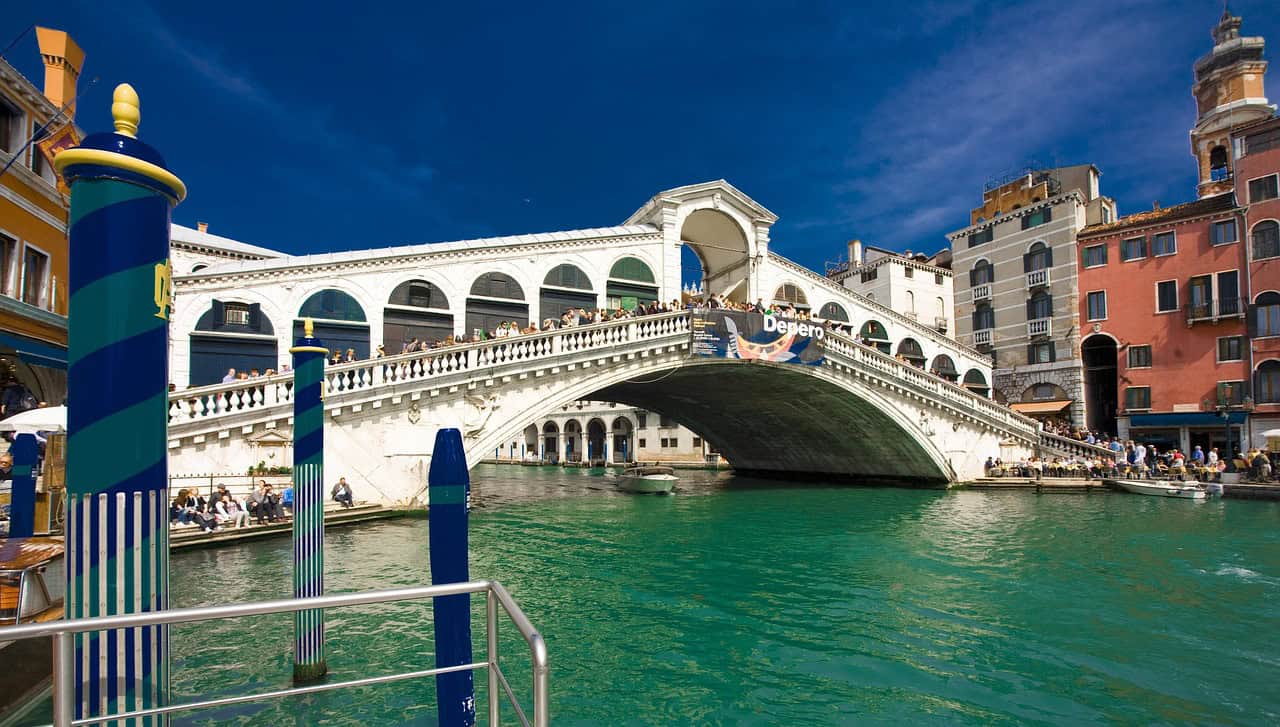
Venice receives roughly 20 to 25 million visitors each year, despite having fewer than 50,000 residents in its historic center. On peak summer days, day-trippers can outnumber locals by nearly 10 to 1.
Cruise ships once delivered up to 4,000 passengers at a time, intensifying congestion around St. Mark’s Square. Basic espresso prices near major landmarks can exceed €5, double neighborhood rates. Short-term rentals have replaced thousands of residential units over two decades, thinning community life. While its canals remain extraordinary, many streets now feel designed for crowd flow rather than everyday living.
2. Dubai
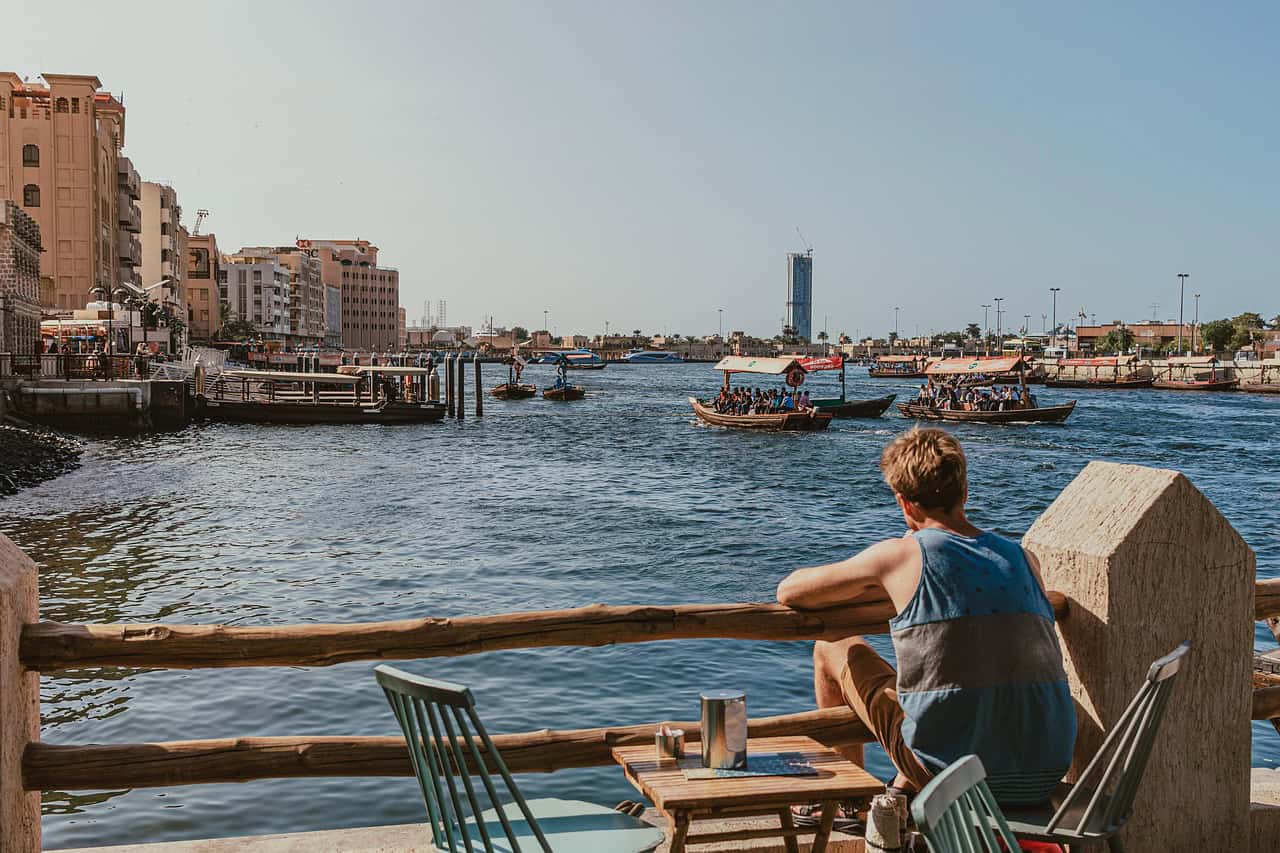
Dubai welcomed over 17 million international visitors in recent years, a striking figure for a city developed largely within the past 50 years. Tourism contributes close to 12 percent of its GDP, shaping nearly every major district.
Landmarks such as the Burj Khalifa draw thousands daily, with observation tickets often exceeding $45. Luxury malls span more than 12 million square feet combined, encouraging retail-focused itineraries. Traditional neighborhoods like Al Fahidi occupy a fraction of the urban footprint. The result is a destination where spectacle dominates, and authentic cultural encounters require deliberate effort to uncover.
3. Cancún
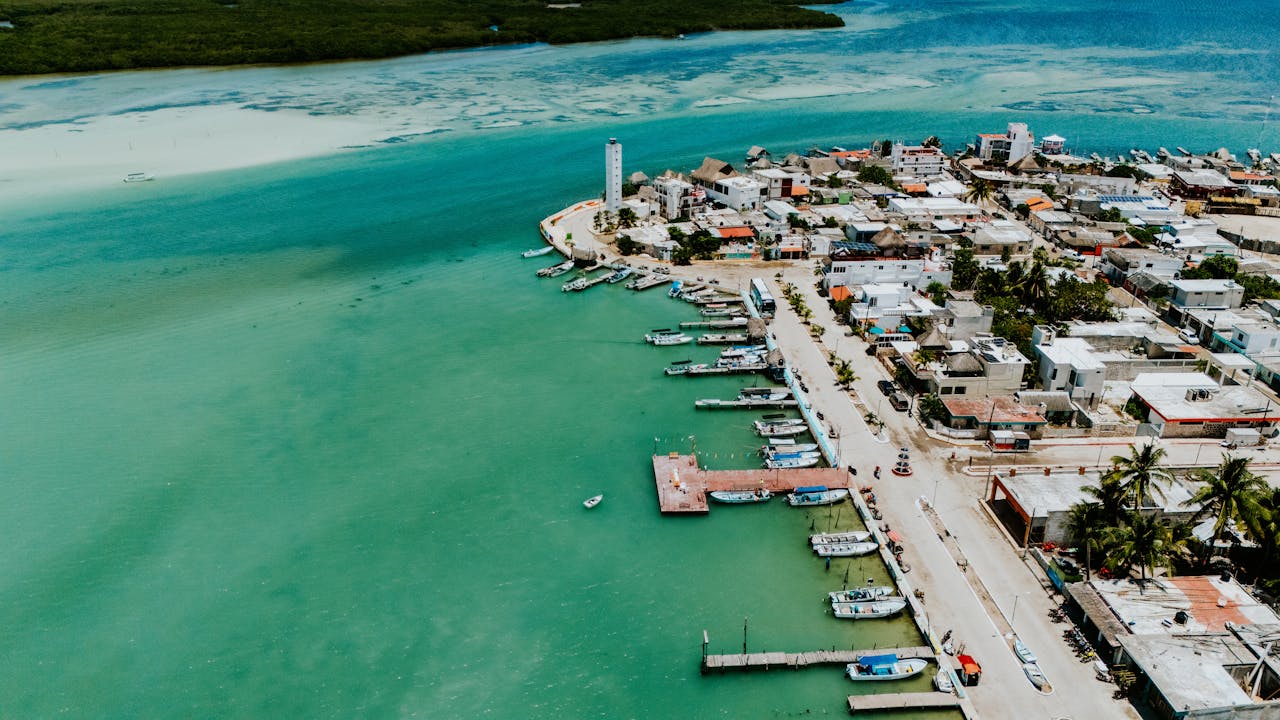
Cancún hosts over 30 million visitors annually across its airport and resort corridor, yet the permanent population is under one million. The Hotel Zone stretches roughly 22 kilometers, lined with high-rise, all-inclusive properties.
Nightly resort rates frequently surpass $300 during peak months, encouraging visitors to remain inside gated compounds. Studies suggest nearly 70 percent of tourist spending stays within multinational resort systems. Local markets and downtown districts see far fewer international guests. While turquoise waters are undeniably stunning, the city’s design prioritizes controlled convenience over spontaneous cultural immersion.
4. Paris
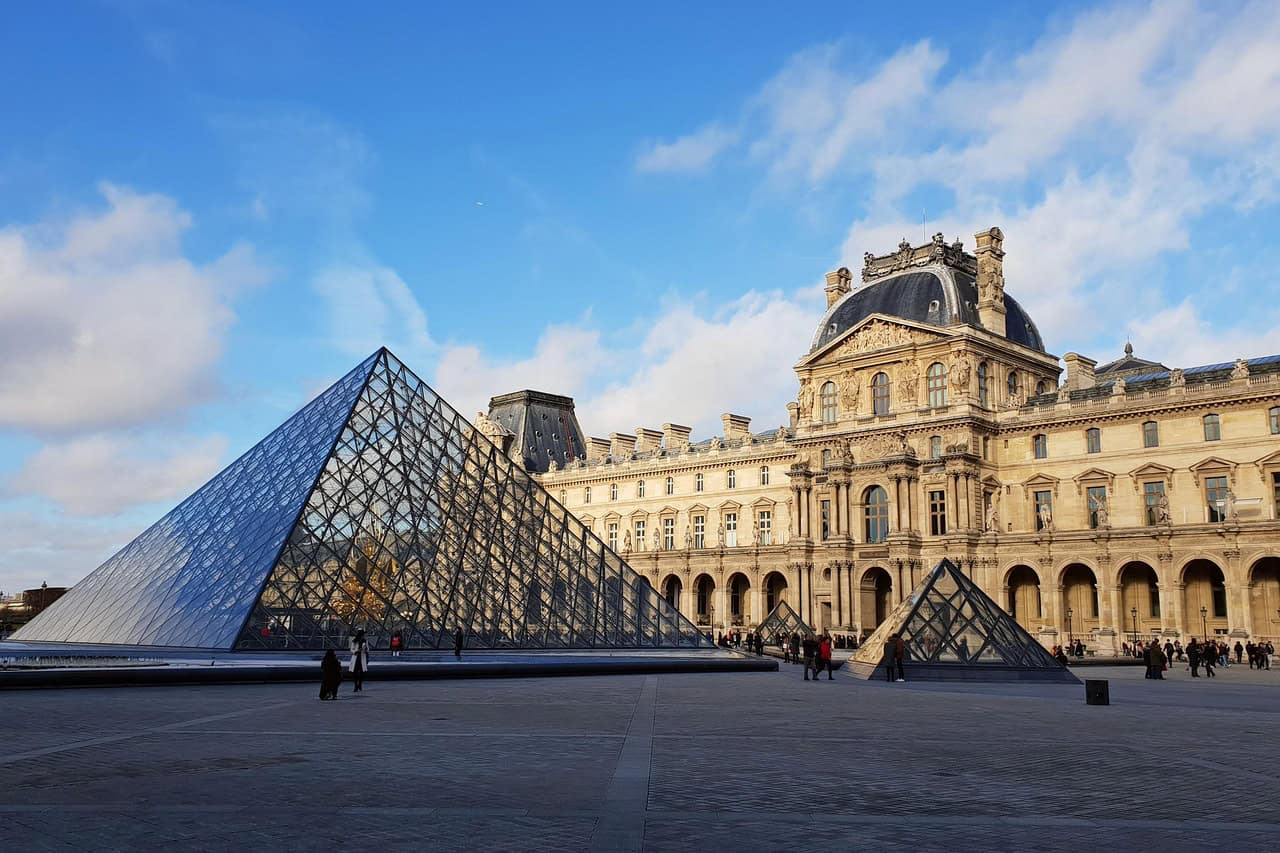
Paris draws close to 40 million visitors annually, making it one of the most visited cities on earth. The metropolitan population stands near 11 million, yet certain districts feel almost entirely visitor-driven.
The Eiffel Tower alone receives around 7 million guests each year, with summit tickets approaching €30. Restaurants within 500 meters of major landmarks often charge 20 to 40 percent more than neighborhood bistros. Short-term rental listings number in the tens of thousands. Beyond the postcard icons, genuine Parisian life continues, but tourists must intentionally wander farther to find it.
5. Las Vegas
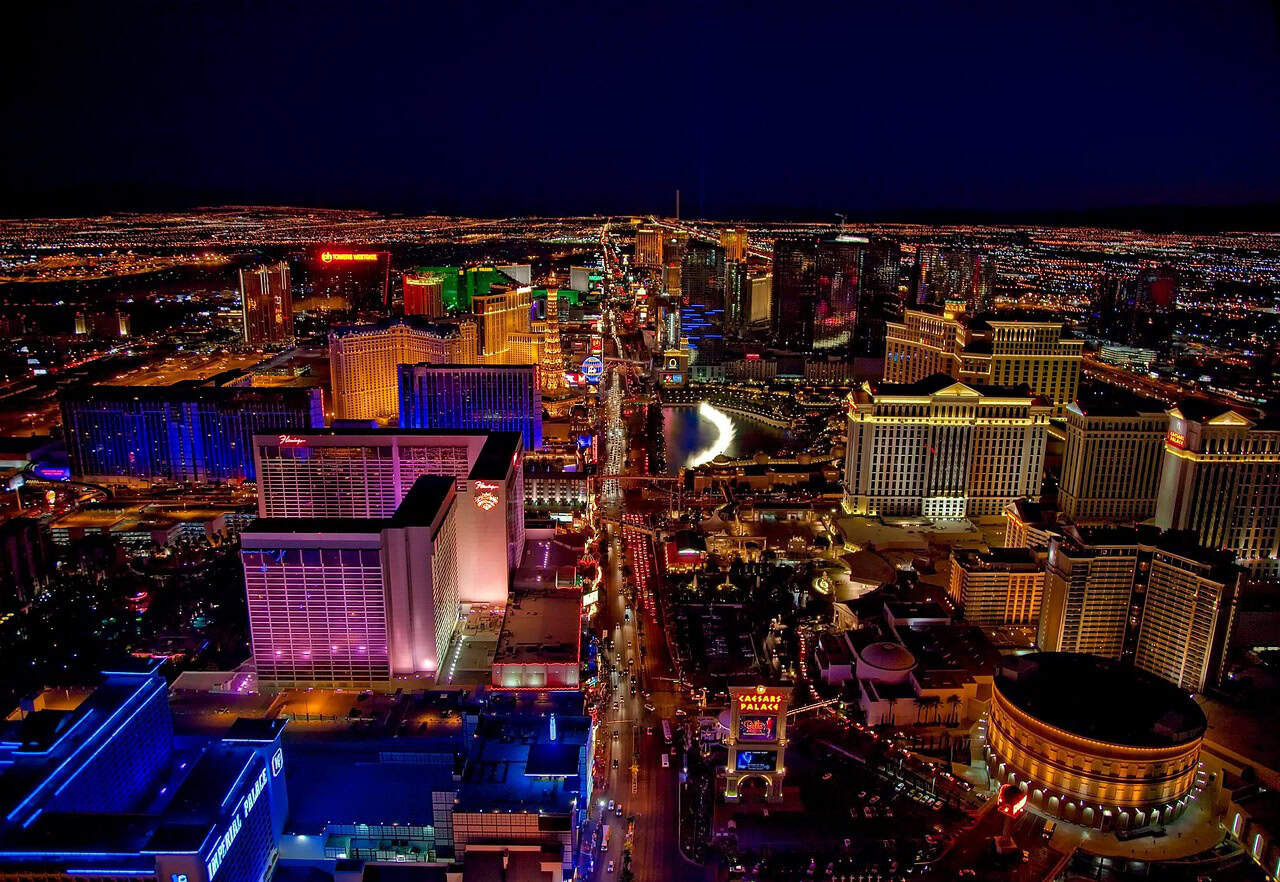
Las Vegas welcomes over 38 million visitors annually, despite having a resident population of roughly 650,000. Tourism accounts for nearly one-third of local employment, anchoring the city’s economic engine.
Along the Strip, resort fees commonly add $40 or more per night to advertised room rates. Headline shows can exceed $120 per ticket, while weekend dining prices often rival major global capitals. Casinos are strategically designed to maximize time on property. Although entertainment remains world-class, nearly every experience funnels visitors toward spending, reinforcing its reputation as a carefully engineered playground.
6. Bali

Bali attracts over 6 million international visitors annually, compared to a resident population of about 4.3 million. Tourism contributes more than 50 percent of the island’s economy, heavily influencing land use.
In popular hubs like Canggu and Ubud, villa construction has surged by double-digit percentages over the past decade. Traffic congestion has increased average commute times by nearly 30 percent in busy districts. Beach clubs may charge $25 or more for entry packages. Traditional ceremonies still thrive, yet many prime coastal areas now cater almost exclusively to short-term visitors.
7. Bangkok

Bangkok regularly ranks among the world’s most visited cities, recording around 22 million international arrivals in strong tourism years. Its metropolitan population exceeds 10 million, but visitor density concentrates in select zones.
Markets near Khao San Road and Patpong often mark prices 2 to 3 times higher than local districts. Rooftop bars can charge $15 per cocktail, well above average Thai wages. River cruises and packaged tours dominate central itineraries. Beyond these pockets, authentic neighborhoods flourish, yet many travelers encounter primarily the commercialized layers built to serve global demand.