We may earn money or products from the companies mentioned in this post. This means if you click on the link and purchase the item, I will receive a small commission at no extra cost to you ... you're just helping re-supply our family's travel fund.
Travel restrictions in the U.S. rarely look like outright bans, yet in several cities, safety-driven rules, closures, and access limits are quietly reshaping how tourists move—or whether they’re allowed in certain areas at all. These measures usually follow spikes in crime, environmental danger, or public disorder, and while locals adapt, visitors are often the first to be restricted. Below are seven American cities where tourism is increasingly controlled in the name of safety, with specific zones, hours, or behaviors effectively off-limits.
1. New Orleans, Louisiana
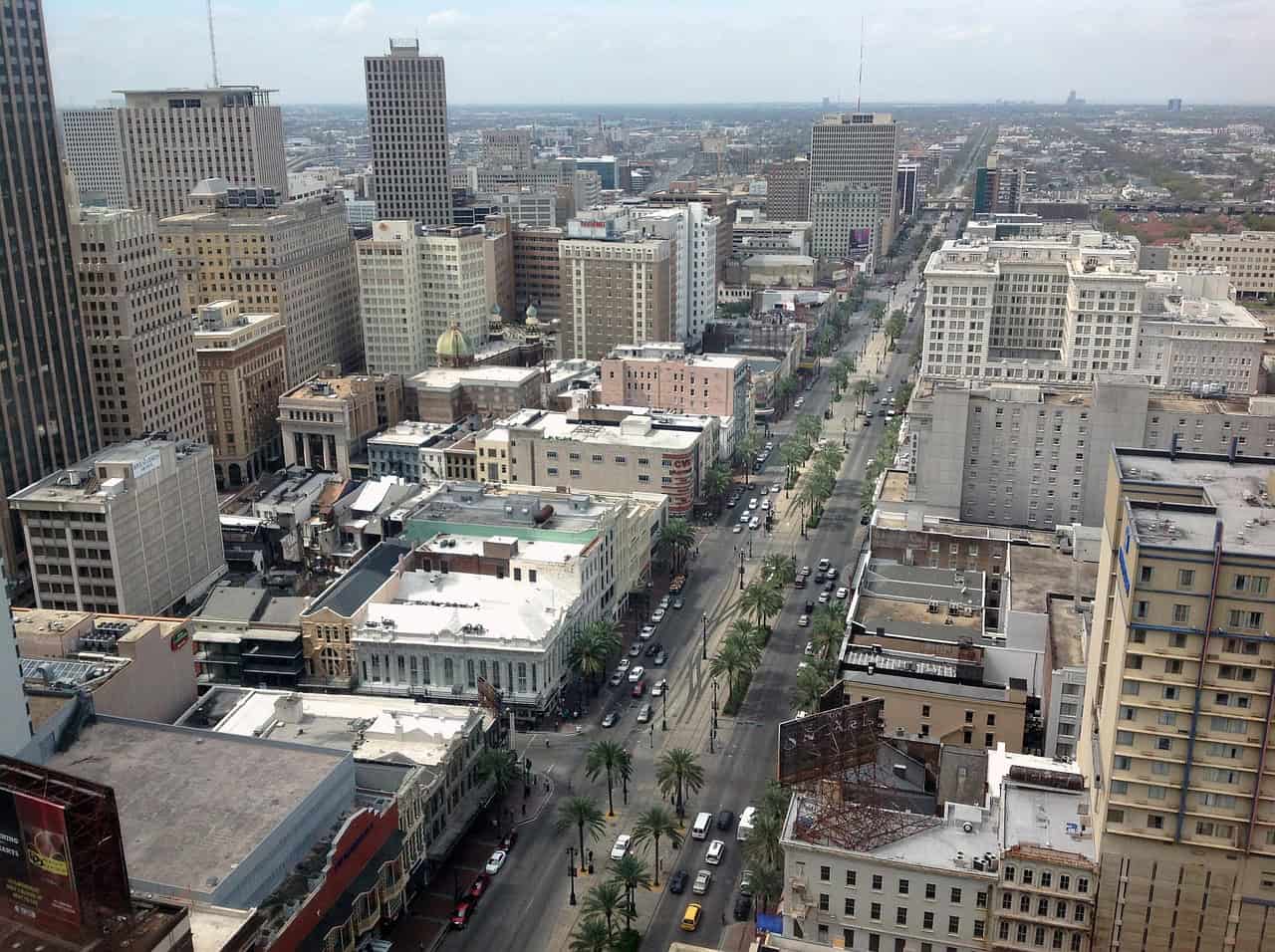
New Orleans welcomes over 18 million visitors annually, but rising crime has forced strict controls in tourist-heavy areas. In 2024, the city recorded over 280 homicides, prompting nightly patrol surges and access limits around Bourbon Street after 11 p.m. Certain residential blocks near the French Quarter now have police checkpoints during peak weekends, and tour groups are barred from entering high-risk zones. Short-term rental permits were reduced by over 40%, indirectly limiting tourist presence. While not a citywide ban, visitors ignoring curfews or wandering beyond permitted streets risk fines or removal, making parts of New Orleans effectively closed to tourists for safety reasons.
2. San Francisco, California
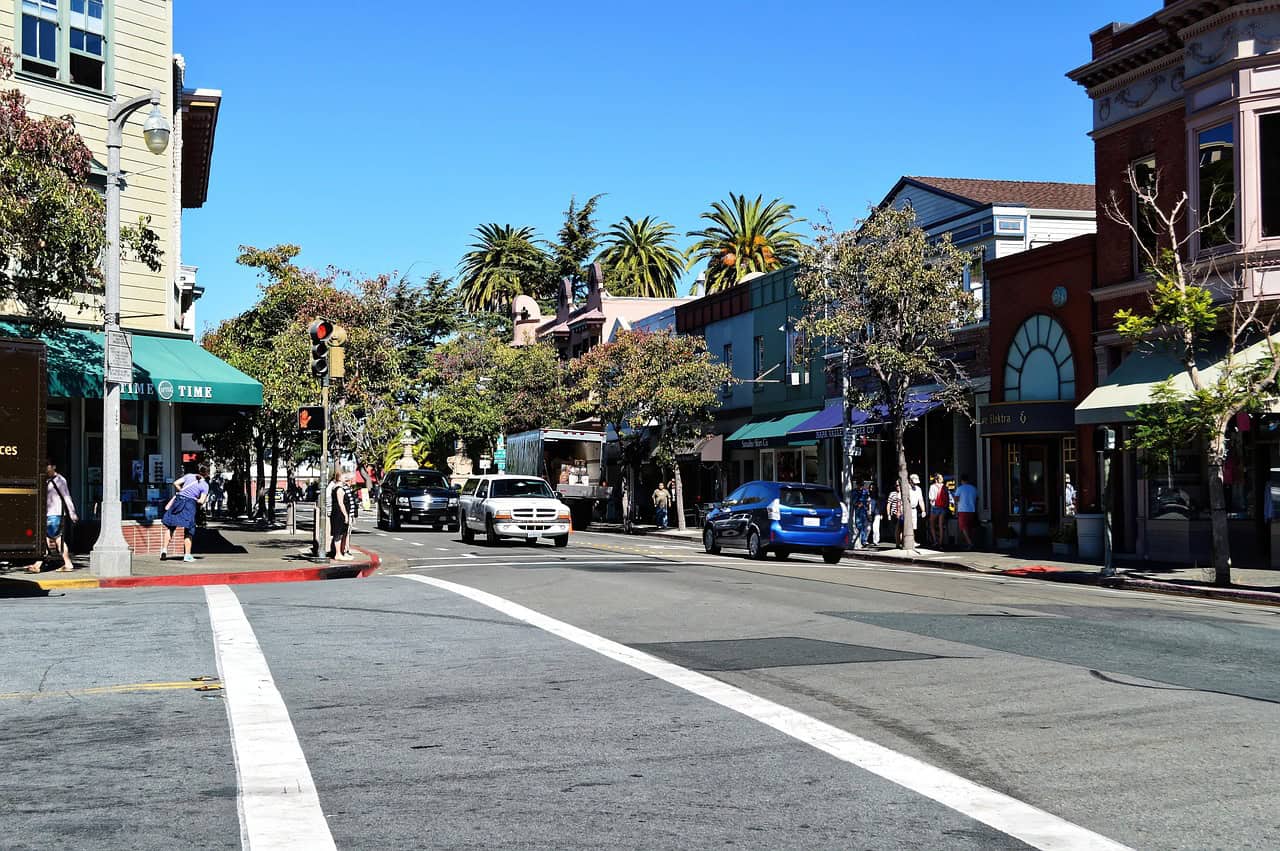
San Francisco’s tourism has dropped nearly 23% since 2019, largely due to public safety concerns. Areas like the Tenderloin and parts of SoMa are now flagged as “restricted movement zones” for guided tours. With over 62,000 property crimes reported in 2023, the city has quietly limited late-night tourist access in certain districts. Public transit advisories discourage visitors from exiting at specific stations after dark, and some hotels now refuse bookings for tourists without local itineraries. These measures aim to reduce exposure to theft and assault, effectively creating invisible boundaries tourists are advised or forced not to cross.
3. Portland, Oregon
Portland saw a 533% rise in homicides between 2019 and 2023, triggering aggressive safety policies. Several downtown parks, once tourist favorites, are closed overnight from 9 p.m. to 5 a.m. Visitors are prohibited from entering protest-prone zones during active demonstrations, enforced by temporary fencing and police orders. In 2024 alone, more than 1,200 tourists were redirected away from restricted areas during safety alerts. While residents may pass through, tourists without proof of lodging or purpose are often denied access, creating selective bans meant to prevent visitors from being caught in volatile situations.
4. Chicago, Illinois
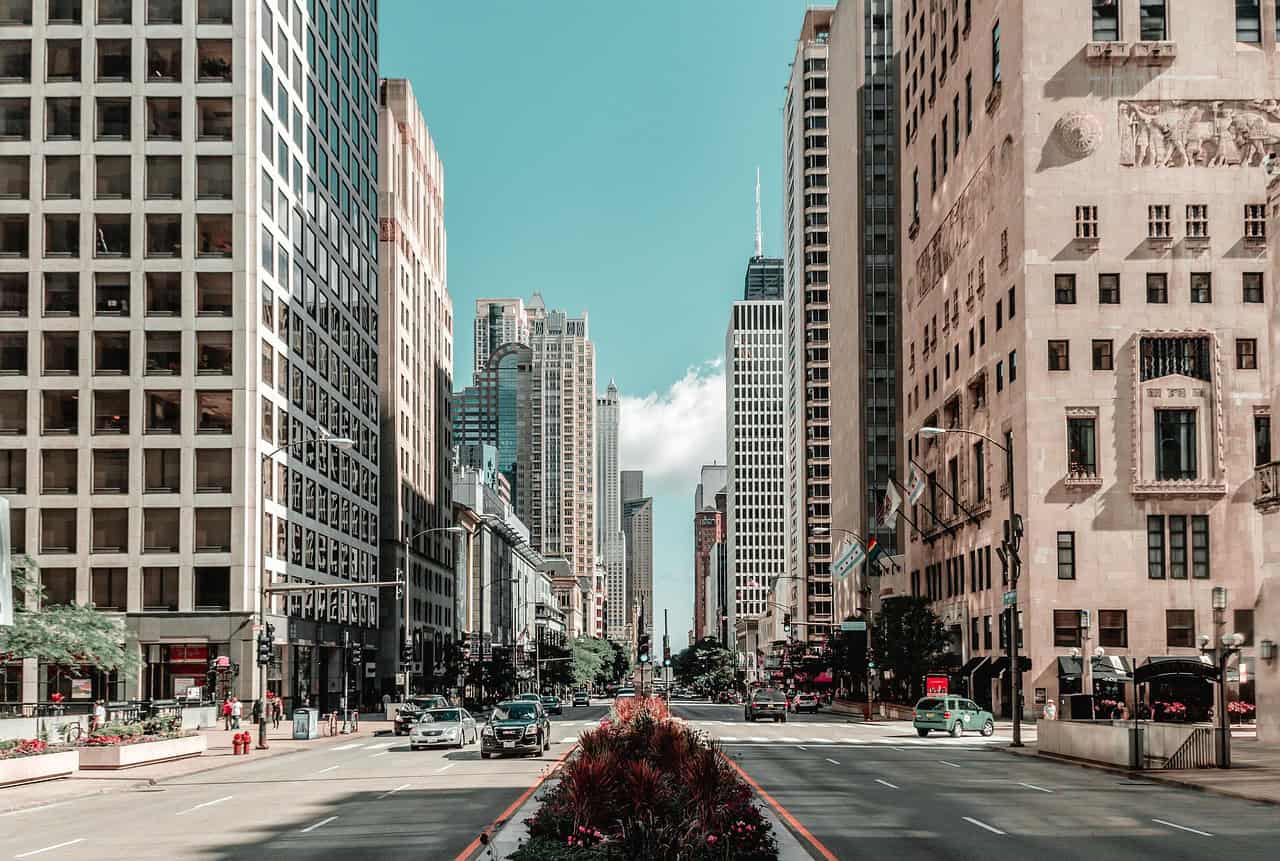
Chicago attracts over 50 million visitors yearly, yet tourism is increasingly concentrated due to safety zoning. With over 2,700 shootings reported in 2024, the city enforces strict crowd-control perimeters during weekends and events. Certain South and West Side neighborhoods are officially excluded from tour permits, and rideshare apps restrict drop-offs for non-residents after 10 p.m. Navy Pier and Magnificent Mile remain open, but straying beyond approved corridors can result in police intervention. These policies are designed to protect visitors unfamiliar with local risk patterns, but they function as partial tourist bans.
5. Las Vegas, Nevada
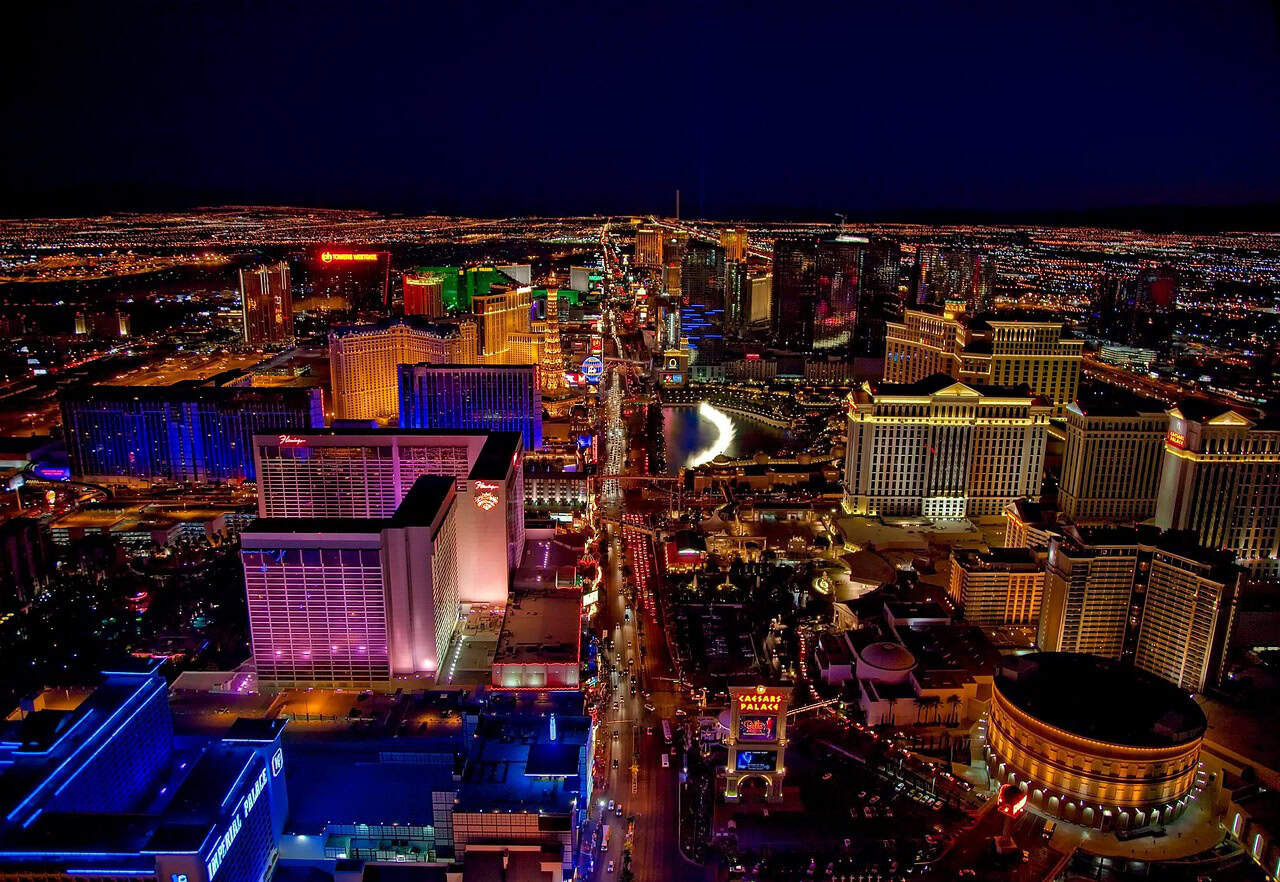
Las Vegas hosts over 40 million tourists annually, yet safety rules on the Strip have tightened dramatically. Following over 4,000 violent incidents reported near resort corridors in 2023, the city banned pedestrian access to certain bridges and side streets after midnight. Tourists are prohibited from loitering outside designated casino zones between 12 a.m. and 6 a.m., enforced by fines up to $500. Large backpack bans and ID checkpoints further limit movement. While marketed as safety enhancements, these rules restrict where and when tourists can exist, effectively banning free exploration late at night.
6. Honolulu, Hawaii
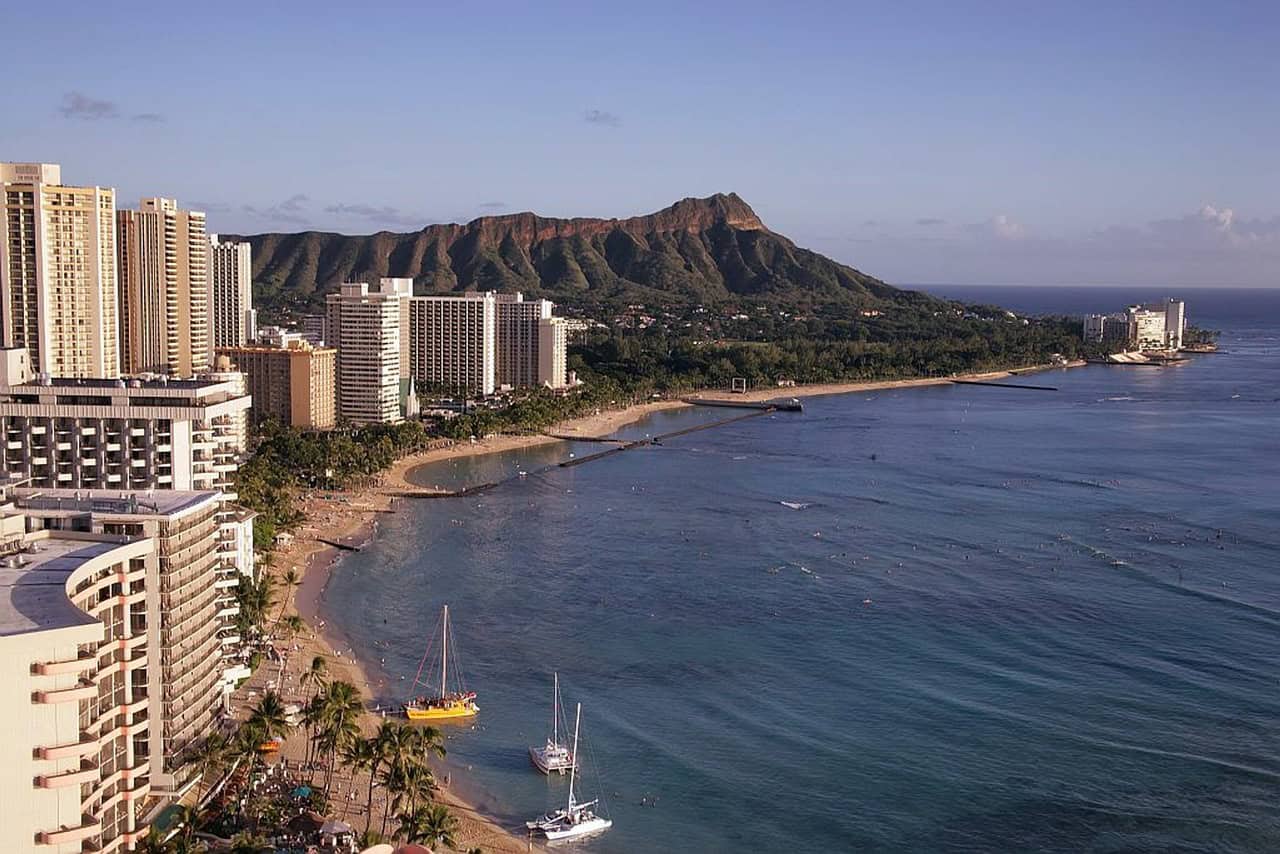
Honolulu’s restrictions are driven by environmental and personal safety risks rather than crime alone. With over 150 annual ocean rescues involving tourists, authorities now ban visitor access to certain beaches during high-risk conditions. Stairway to Heaven, once drawing hundreds daily, is fully closed to tourists with fines reaching $1,000. Night hiking is prohibited across multiple trails, and rental car GPS alerts warn tourists away from restricted zones. These rules disproportionately affect visitors unfamiliar with local terrain, creating firm boundaries where tourists are legally barred for their own protection.
7. St. Louis, Missouri
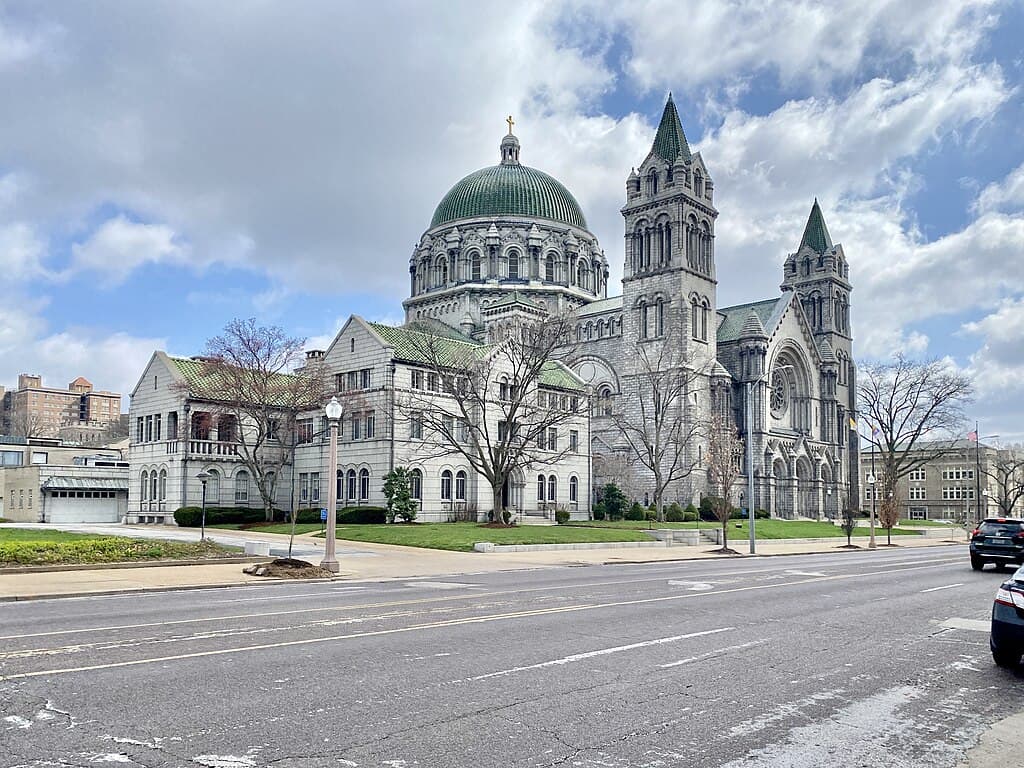
St. Louis consistently ranks among the U.S. cities with the highest violent crime rates, recording over 180 homicides in 2024 despite a smaller population. Tourist access is heavily concentrated around downtown and Forest Park, while entire neighborhoods are excluded from tourism permits. Guided tours are legally prohibited from entering specific districts, and hotel shuttles avoid large sections of the city after 8 p.m. With nearly 1 in 12 residents affected by violent crime annually, officials openly discourage visitor presence outside approved zones, creating one of the clearest examples of safety-driven tourist exclusion.