We may earn money or products from the companies mentioned in this post. This means if you click on the link and purchase the item, I will receive a small commission at no extra cost to you ... you're just helping re-supply our family's travel fund.
Across the United States, the small museums that keep everyday American stories on display are feeling the squeeze. Tickets sell slower. Field trips thin out. Grants arrive with more strings, or not at all. When budgets tighten, it is rarely the blockbuster institutions that disappear first. It is the places that preserve diner signs, rail timetables, hometown music legends, and the odd little inventions that once made life feel new. In 2025 and 2026, several beloved Americana stops have shut their doors or started asking urgent questions about what comes next.
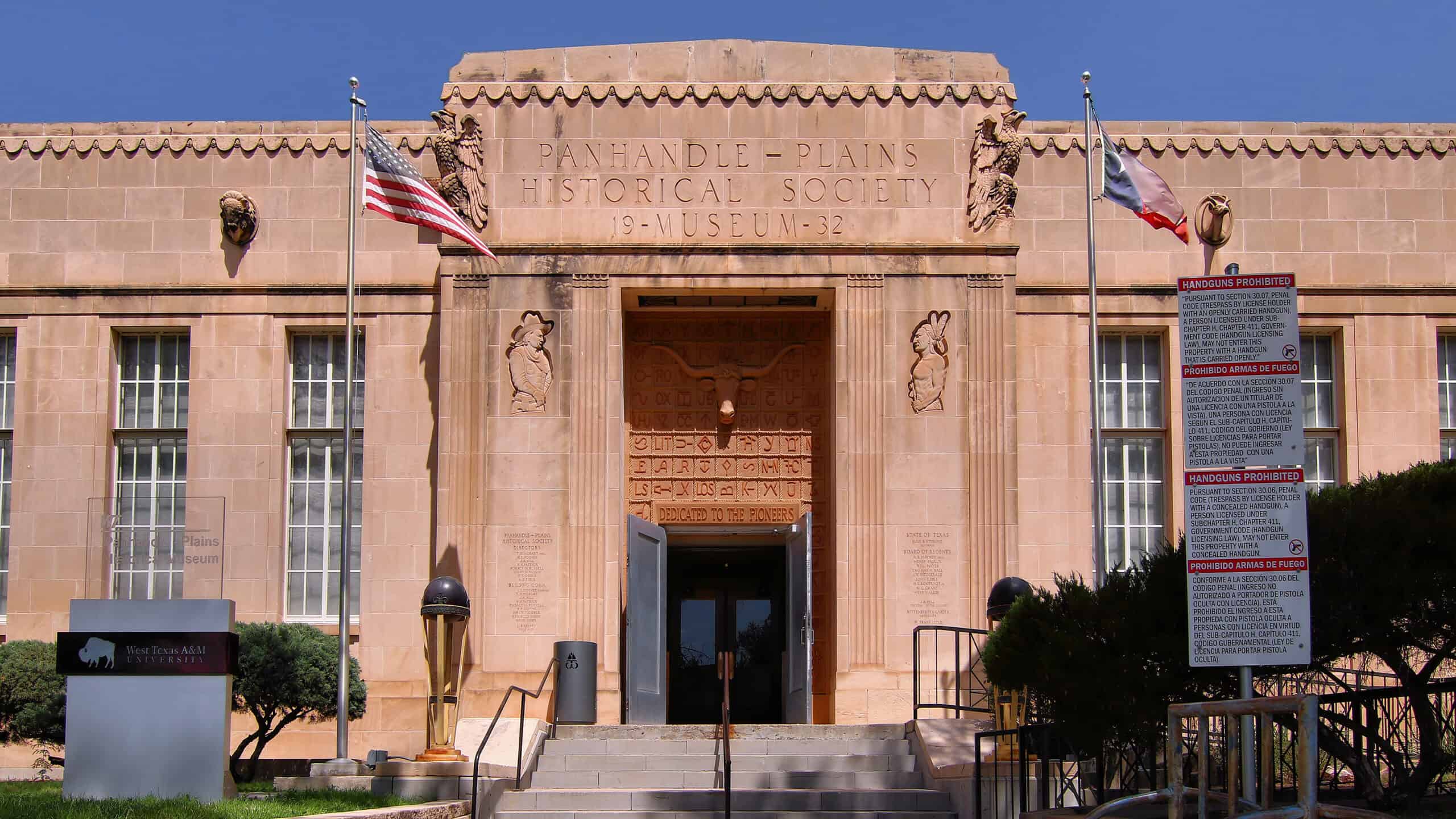
Panhandle-Plains Historical Museum, Canyon, Texas
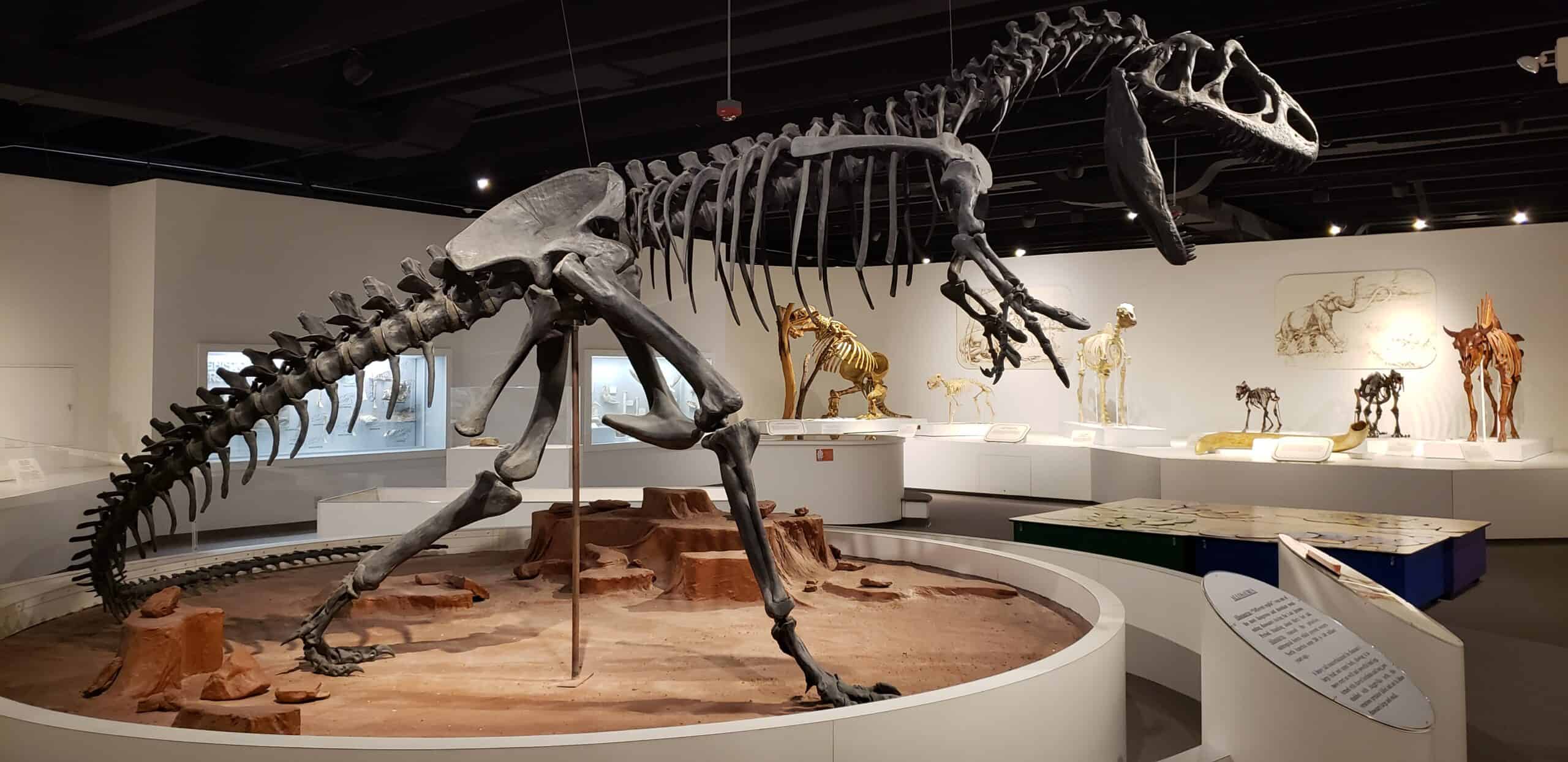
Texas’ Panhandle-Plains Historical Museum has been dark since March 2025, after inspectors flagged widespread fire-code and life-safety problems and the doors were shut, halting tours, events, and field trips. Leaders have said the fix is not minor: roughly $100 million in upgrades and repairs are needed to bring the aging facility up to current standards while protecting millions of artifacts and archival records. In a place where a museum visit is a family ritual, the pause feels like a snapped thread in community memory, and each missed season makes it harder to keep staff, sponsors, and traveling exhibits from drifting away.
Wichita Falls Railroad Museum, Wichita Falls, Texas

The Wichita Falls Railroad Museum shows how quickly a volunteer-powered attraction can tip from beloved stop to looming liability when fixed costs keep rising even on closed days. After shutting down during the pandemic, the museum was surrendered back to the city because the group running it lacked the resources to continue, and a new community board later reclaimed a lease and began restoration work. It is hopeful, gritty work, but the margin stays thin: without steady admissions and sponsors, railcars and depot grounds are expensive to stabilize, and the history they carry can be dispersed to whoever has space.
The Leonardo, Salt Lake City, Utah
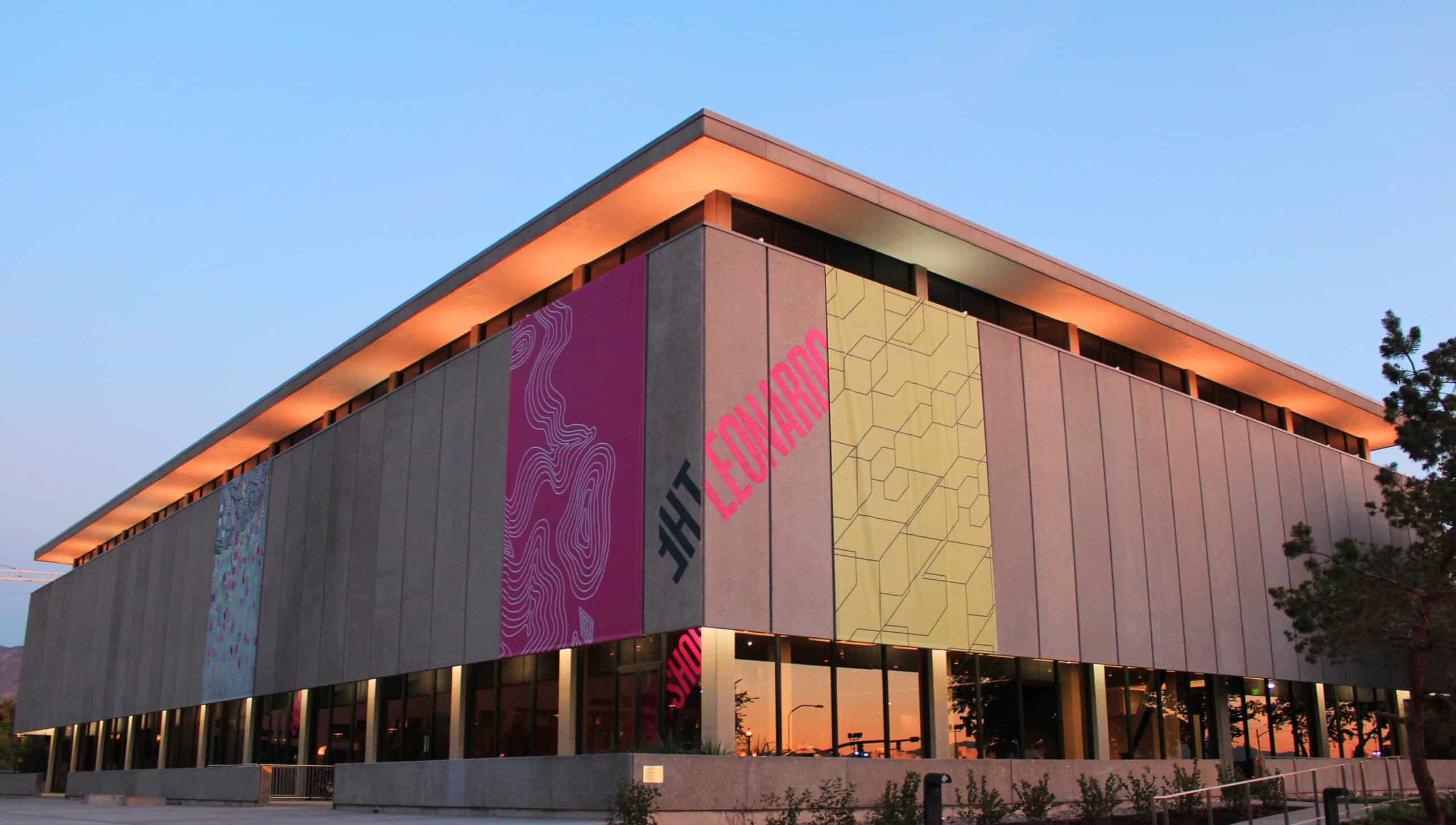
Salt Lake City’s Leonardo was built to make science and art feel playful, but the building itself became the problem, with deferred maintenance turning into a constant drain on staff attention and cash. After years of financial strain, the nonprofit closed indefinitely in June 2025 for critical repairs and then announced a permanent shutdown that fall. When a museum’s energy goes to aging infrastructure, visitors feel it as fewer exhibits and shorter hours, and the city loses a welcoming third place that once made learning feel effortless, curious, and communal.
The Mexican Museum, San Francisco, California

San Francisco’s Mexican Museum has carried big ambitions for decades, but recent audits and reporting described an institution under real financial strain. City reviews cited governance and budgeting problems alongside a significant operating deficit, while coverage noted how visitor patterns and tourism shifts have made fundraising harder across the region. For an Americana museum rooted in immigrant history and neighborhood pride, the danger is a slow unraveling: fewer exhibitions, fewer partnerships, and a public presence that becomes easier to overlook, even as the collection’s cultural value stays enormous.
Automotive Driving Museum, El Segundo, California

The Automotive Driving Museum in El Segundo built its appeal on a simple promise: classic cars, lovingly preserved, and stories that made the open road feel close across generations, from first-time drivers to lifelong collectors. Reporting on recent museum closures included the institution among those that could not sustain operations, a reminder that vehicle collections keep costing money even when no one turns the key and the gift shop is quiet. When attendance softens, storage, insurance, and maintenance keep ticking, and an Americana experience that once felt lively can vanish fast, leaving only photos where there used to be chrome.
Museum of Pinball, Banning, California
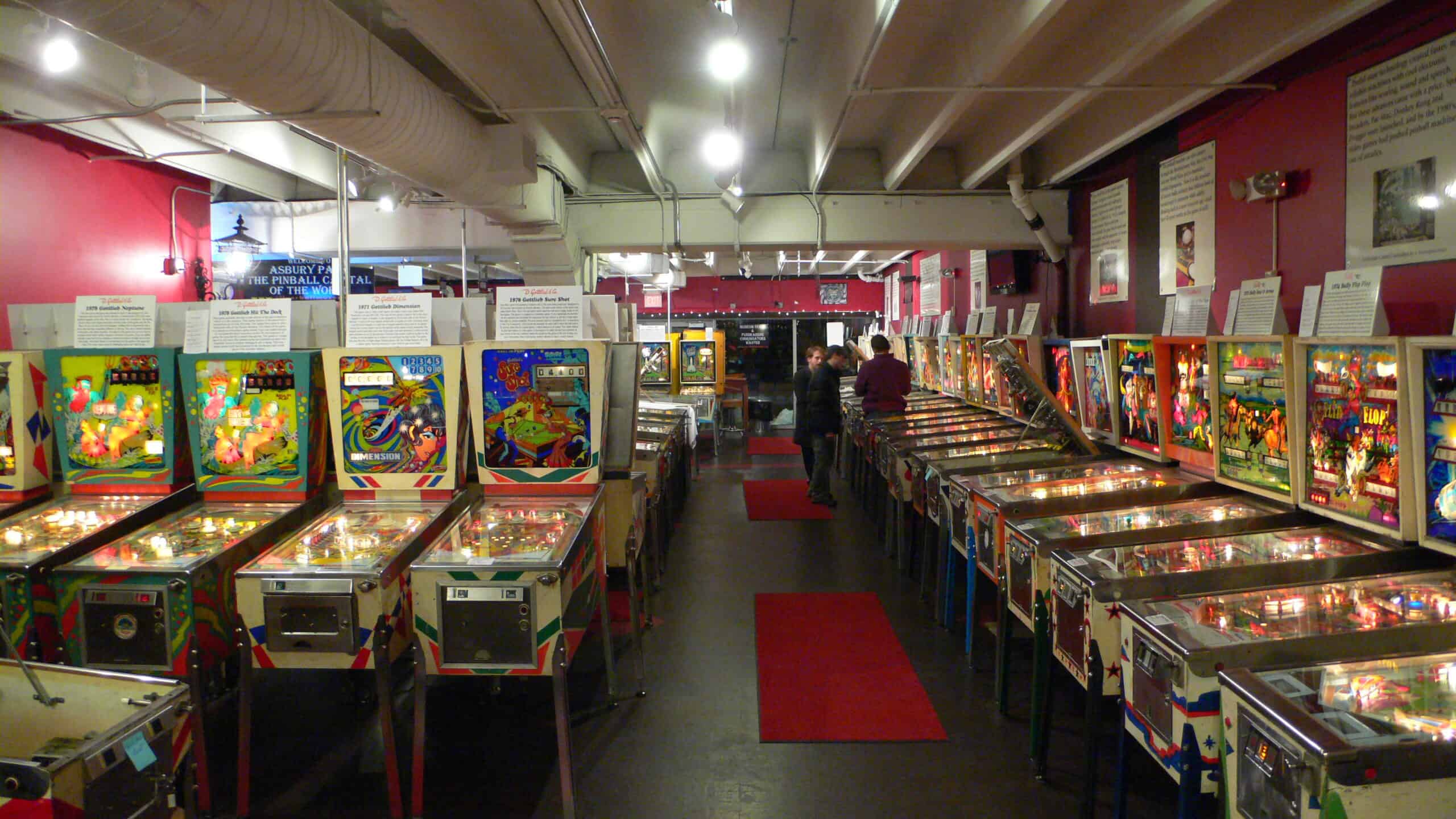
The Museum of Pinball in Banning felt like pure Americana: neon glow, mechanical clacks, and strangers grinning at the same small victory, the kind of stop that turns a road trip into a story. Reporting on museum closures has pointed to the venue’s shutdown as another example of how niche institutions struggle when attendance softens and operating costs rise, especially when the collection is large and maintenance never ends. These machines need regular care, parts, and plenty of space, so when budgets tighten it is easier to move the collection than to keep the doors open for the next generation of players and curious onlookers.
Powers Museum, Carthage, Missouri
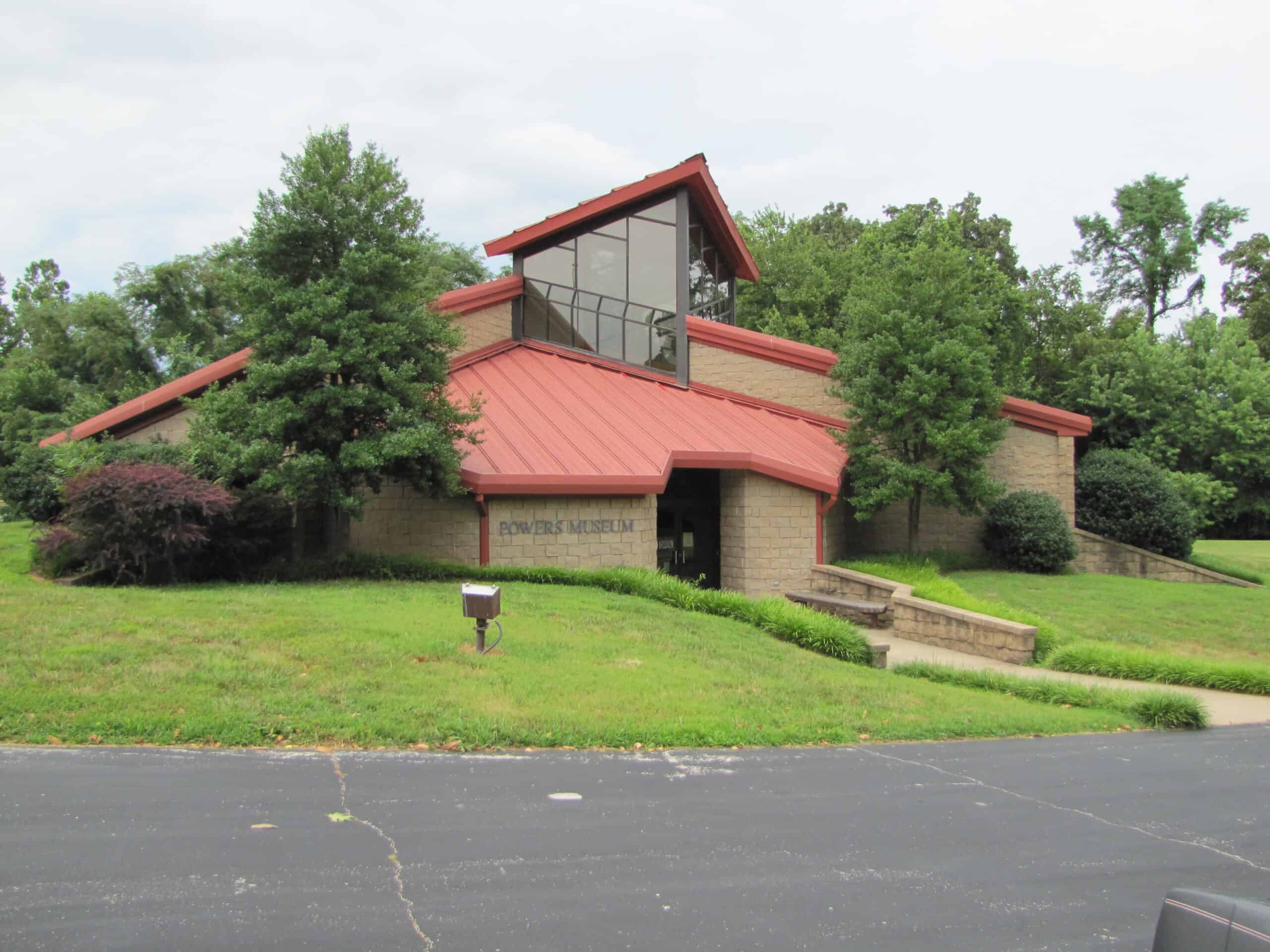
The Powers Museum in Carthage was the kind of place travelers stumbled into and left talking about for days, packed with Wild West artifacts and local lore that made the past feel close and personal. It has been cited in reporting on museum shutdowns, a reminder that small-town institutions can be one slow season away from darkness when donations lag and operating costs outpace admissions. When an Americana museum closes, the town loses more than exhibits; it loses a reason for visitors to pull off the highway, linger downtown, and carry the story onward, which can quietly reshape the local economy.
Leave a Reply