We may earn money or products from the companies mentioned in this post. This means if you click on the link and purchase the item, I will receive a small commission at no extra cost to you ... you're just helping re-supply our family's travel fund.
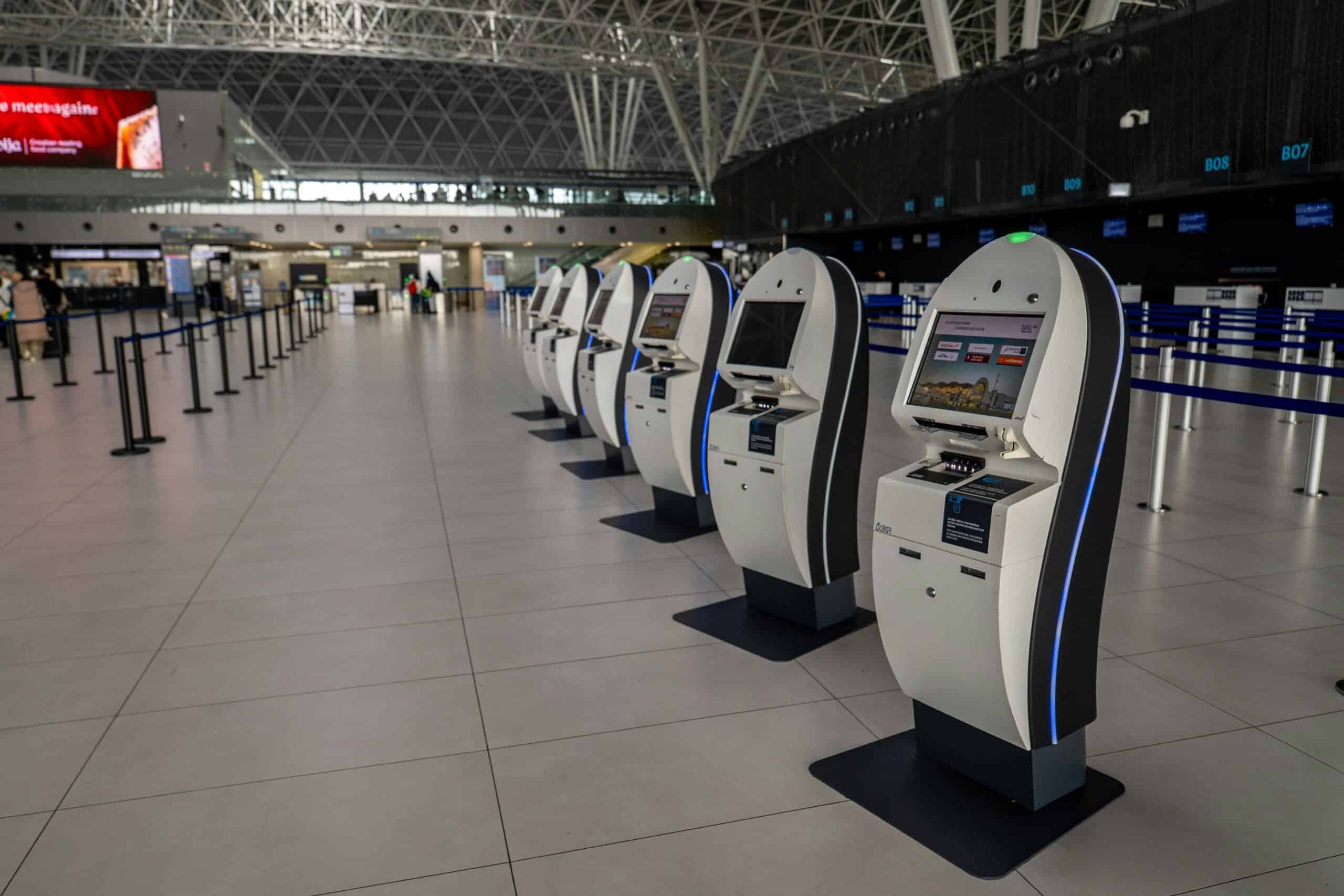
Airports have mastered the art of small charges that feel optional until the moment they are not. In 2026, many U.S. flyers arrive prepared for airfare and baggage, yet still lose money to add-ons that appear at checkout screens, kiosks, and crowded gates. The pattern is familiar: a rushed decision, a confusing label, and a receipt that looks bigger than the meal or seat it was meant to buy. These common fees show where the traps hide, and the simple habits that keep travel budgets intact.
Carry-On Sizer Fees At The Gate
/Freepik
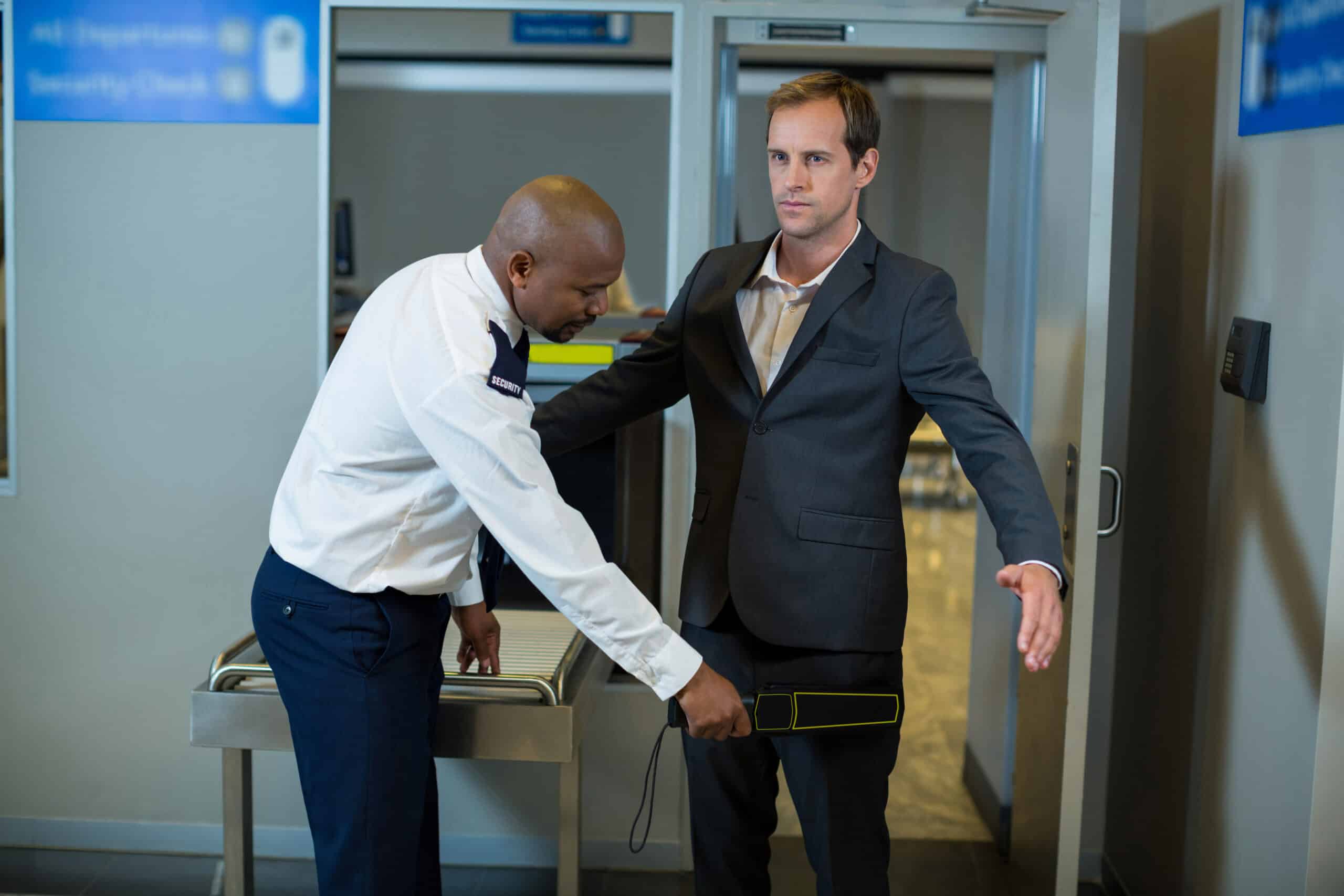
Carry-on sizing turns into a junk fee when enforcement happens at the last possible minute, often after boarding has already started and bins are clearly tight. A bag that passed on one aircraft can fail on another because dimensions, sizers, and crew discretion vary by route, so the charge feels sudden even when the rule is posted. Avoidance is practical: measure bags against the airline’s published limits before departure, pack a squishable personal item as a backup, and if a bag is borderline, voluntarily tag it at the counter early, when fees are less likely, lines are shorter, and repacking does not happen in the boarding lane.
Seat Selection Charges For Standard Seats
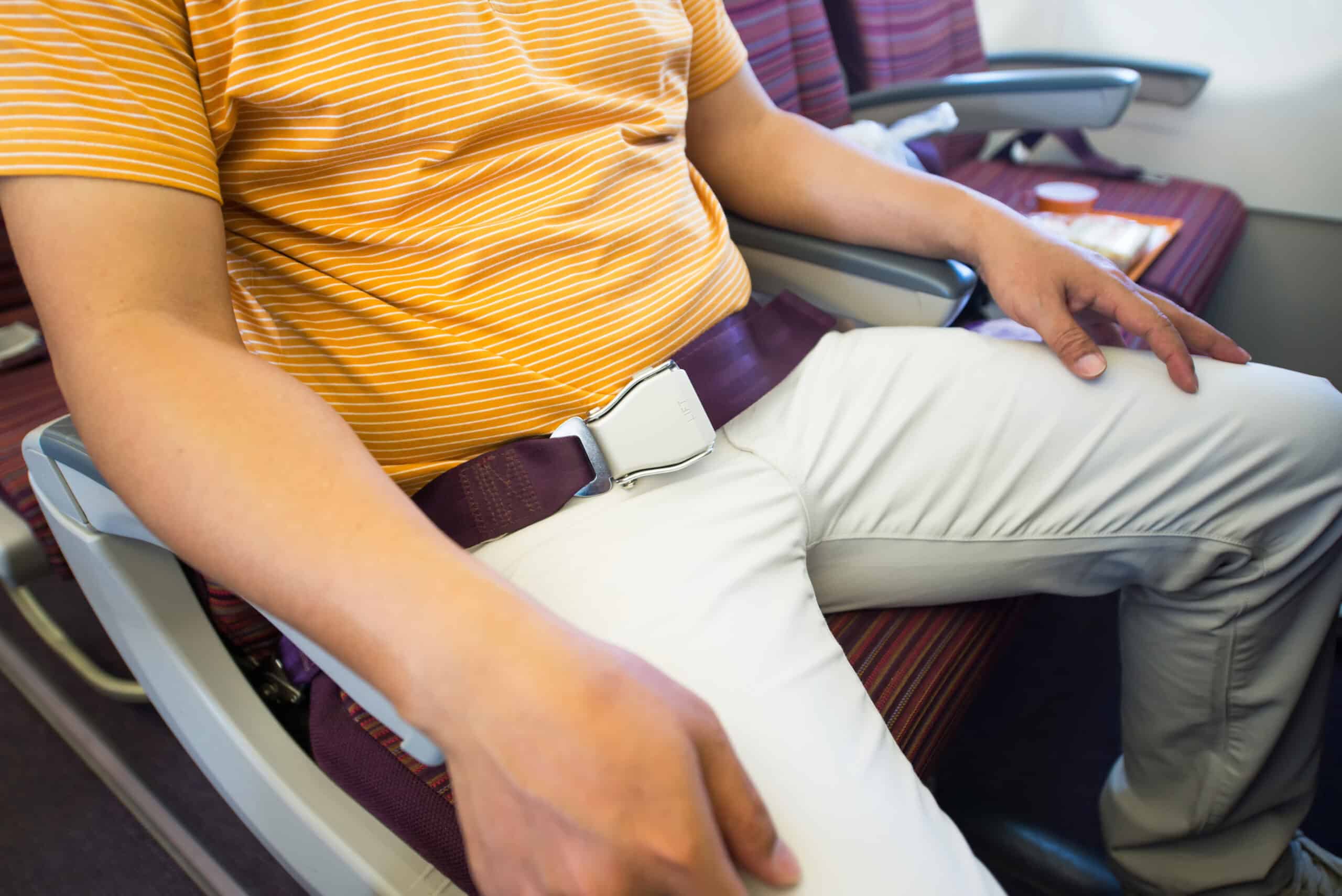
Seat fees trigger resentment because they often apply to ordinary rows, not extra space, and families feel pressure to pay just to sit together. The cost can double on round trips, then rise again if an aircraft swap reopens the seat map and the same seat must be repurchased under a new inventory bucket. Avoidance starts at booking: compare total trip cost across fare classes, check whether loyalty status or a co-branded card includes free seat selection, and watch for free seat changes at check-in when carriers release inventory; choosing seats at T-24, then rechecking after schedule updates, often solves it without paying.
Early Boarding And Bin Access Upcharges
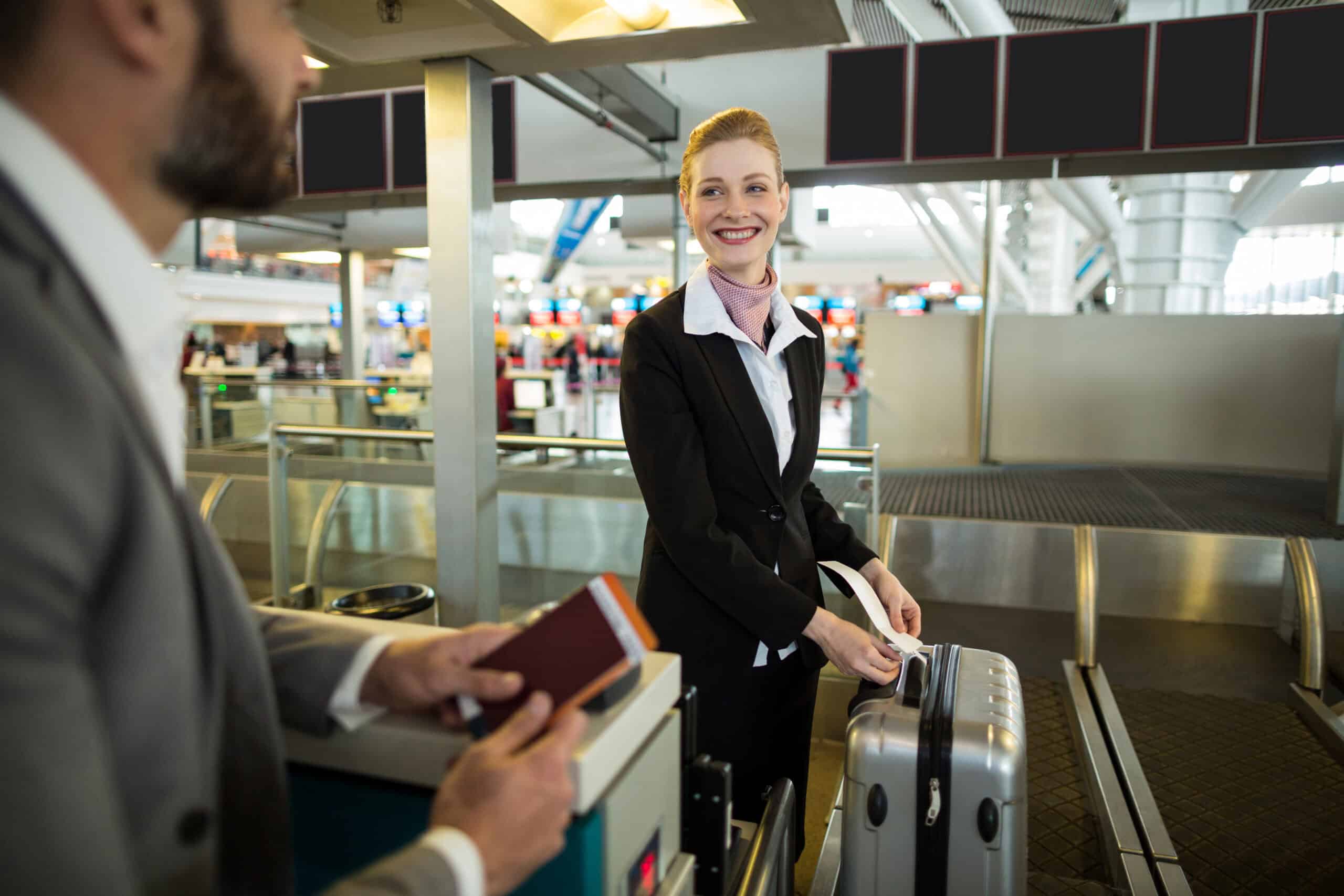
Selling early boarding or overhead-bin access has become a quiet tax on anyone who cannot risk a gate check, especially on regional jets where bins fill fast. Arguments start when passengers assume a purchased seat guarantees bin space, then learn that storage is tied to boarding group, fare family, or elite status, not the row number. Avoidance is mostly packing strategy: keep the main bag slim enough to fit under the seat, store electronics in one pouch, and skip bulky coats that consume bin volume; when priority is truly needed, buying it once can be cheaper than repeated penalties and last-minute repacking at the podium.
Rental Car Toll Programs And Daily Convenience Fees
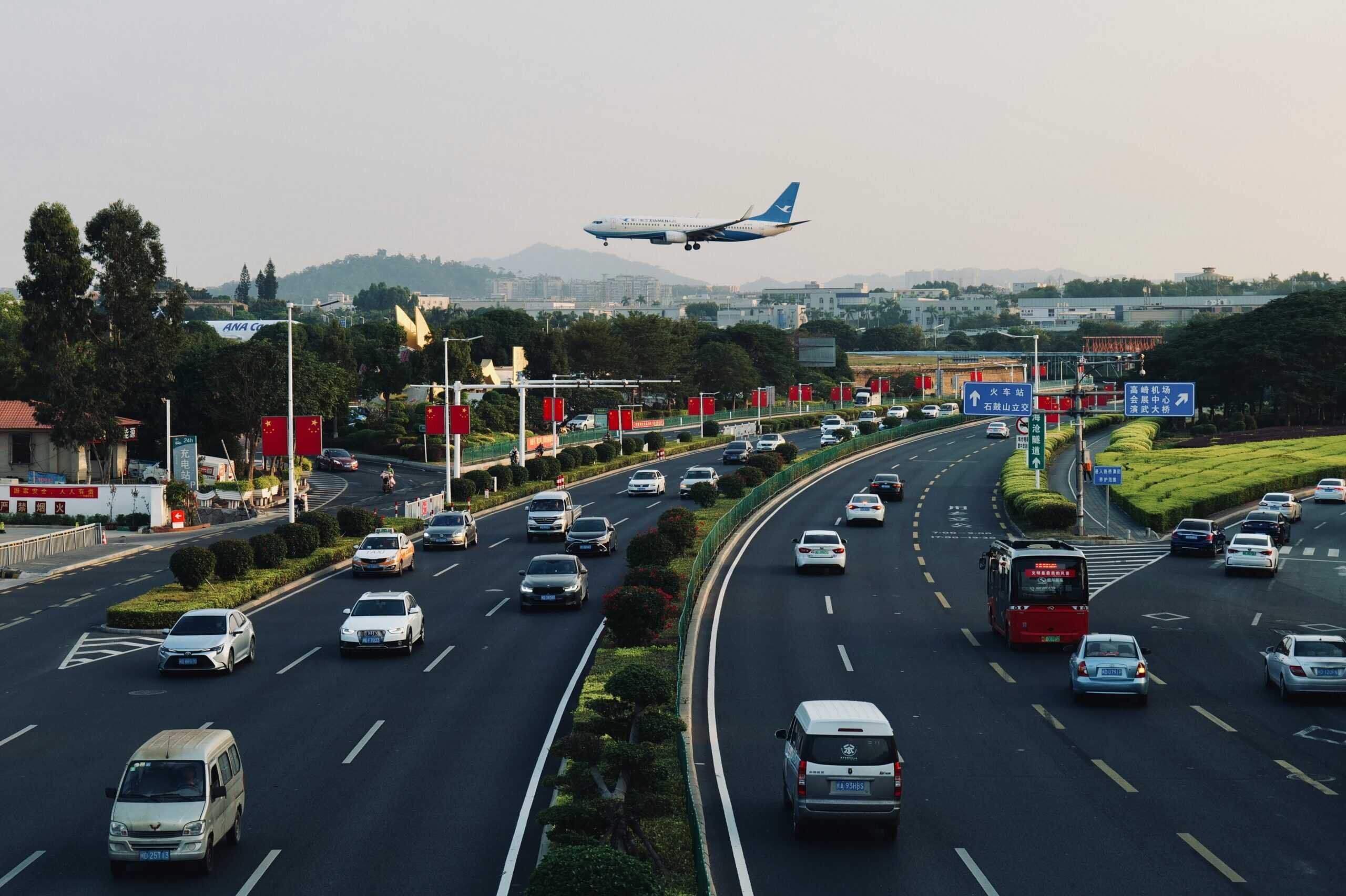
Airport rental toll programs can turn a few dollars in tolls into a much larger bill through daily access fees, processing charges, and mailed invoice markups that arrive weeks later. The trap is automation: a single toll reader can activate the program for the rental period, even when toll roads were used only once, and some plans bill per rental day, not per toll. Avoidance is asking at pickup how tolls are billed, opting out when pay-by-plate is allowed, and using a personal transponder if permitted; keeping receipts, route notes, and photos of device settings makes disputes cleaner when charges post after the trip.
Dynamic Currency Conversion At Airport Checkouts

Dynamic currency conversion is the airport version of a bad exchange booth, disguised as convenience at the card terminal. Merchants may offer to charge purchases in U.S. dollars, but the rate is often worse than the card network’s conversion, and the markup can quietly inflate every snack, souvenir, and coffee across a long layover. Avoidance is a simple script: select local currency, use a card that does not add foreign transaction fees, and if a terminal defaults to dollars, request a rerun before the receipt prints; keeping receipts for one day makes it easy to spot the markup and stop it on the next purchase.
Paid Airport Wi-Fi And Accidental Roaming

Wi-Fi paywalls thrive on fatigue. Premium portals often appear first, while the airport’s free network sits behind a different landing page, and a device that drops Wi-Fi can slip onto cellular data and rack up charges during an international layover. The fee feels tiny until multiple devices connect, timeouts force repurchases, and video calls push travelers toward the most expensive tier while gates change and time runs short. Avoidance is verifying the official network name on airport signage, turning off auto-join for unknown networks, and keeping airplane mode on with Wi-Fi enabled, so data cannot roam without permission.
Checked Bag Weight Overages At The Scale
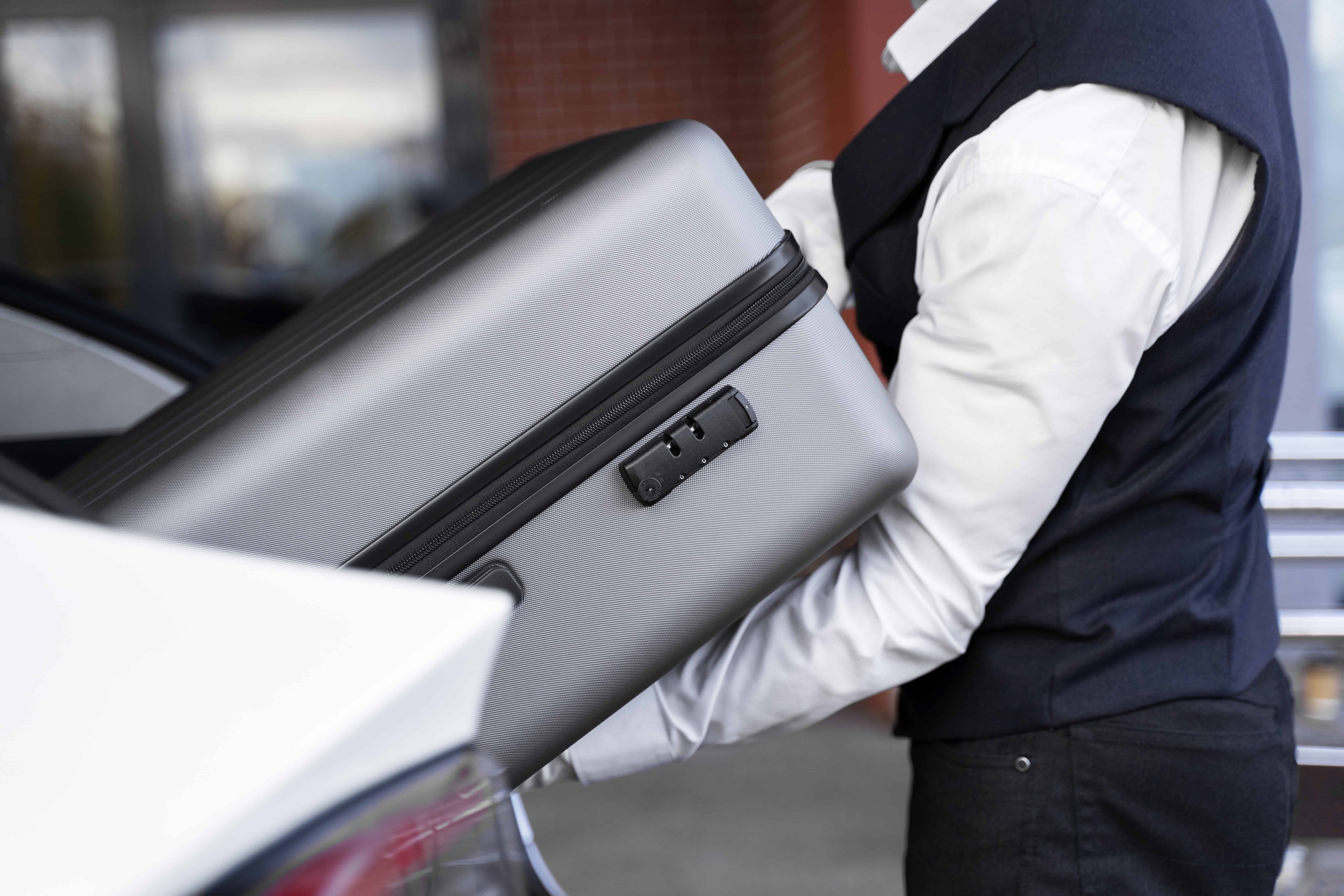
Overweight fees are classic junk charges because the penalty is steep while the difference can be a single pound, and airport scales do not negotiate. Souvenirs, duty-free boxes, and a last-minute jacket can push a bag over the line on the return leg, when time and patience are already thin and the counter line is watching. Avoidance is packing with a small luggage scale, bringing a foldable tote for overflow, and keeping dense items like shoes and chargers in a personal item that can be shifted at the counter; moving one heavy pouch, or wearing a bulky layer, can erase the fee instantly and keep the bag moving to the belt.