We may earn money or products from the companies mentioned in this post. This means if you click on the link and purchase the item, I will receive a small commission at no extra cost to you ... you're just helping re-supply our family's travel fund.
Cheap flights and busy beach towns can make the U.S. coast feel fully discovered, yet a handful of islands still stay pleasantly out of the way. Most are quiet for practical reasons: a ferry schedule, limited beds, or rules that protect fragile dunes and marshes. That barrier keeps crowds lighter and prices saner, especially for travelers who camp, cook a few meals, and treat the shoreline as the main attraction. These seven islands are not secret, just still paced like real places, with long walks, local conversations, and sunsets that do not require a wristband.
Cumberland Island, Georgia
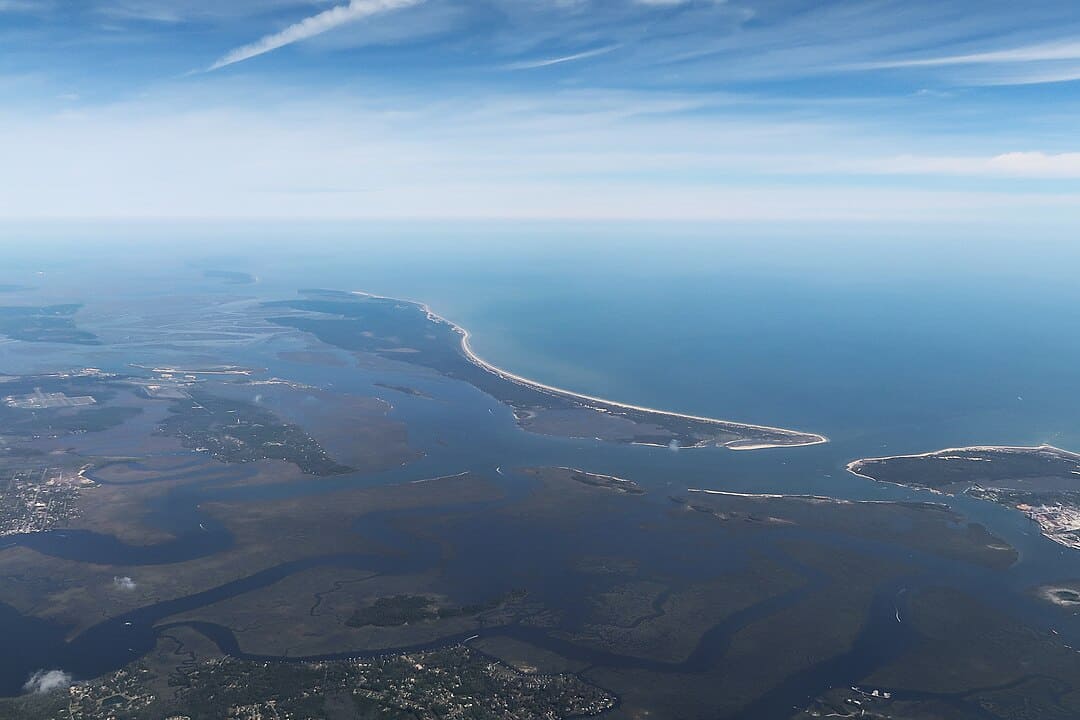
Cumberland stays wild on purpose, with maritime forest that smells like salt and pine, beaches that stretch without condos, and trails where hoofprints and footprints fade into sand. A daily visitor cap and ferry-only access from St. Marys keep the mood calm, even in peak season, because nobody can arrive in a sudden bus wave and claim the shoreline. It can still be affordable by island standards: camp at Sea Camp or one of the backcountry sites, pack groceries and plenty of water, and plan for serious bugs. Days fill easily with wild horses, the Dungeness ruins, and empty dunes where the loudest sound is wind and surf.
Sapelo Island, Georgia

Sapelo feels like coastal Georgia before the glossy era, a barrier island of wide sand, marsh light, and long quiet gaps between people. Access is by limited-capacity ferry with reservations from the Meridian dock, and that single bottleneck does more than any marketing campaign to keep crowds down. Costs stay low when the plan stays simple: bring a cooler, rent a bike, join the public tour when it runs, learn about Hog Hammock’s Gullah Geechee heritage, and skip anything sold as luxury. After that, the island delivers for free: lighthouse views, tidal creeks, oak shade, and beaches that still look like working coast.
Smith Island, Maryland

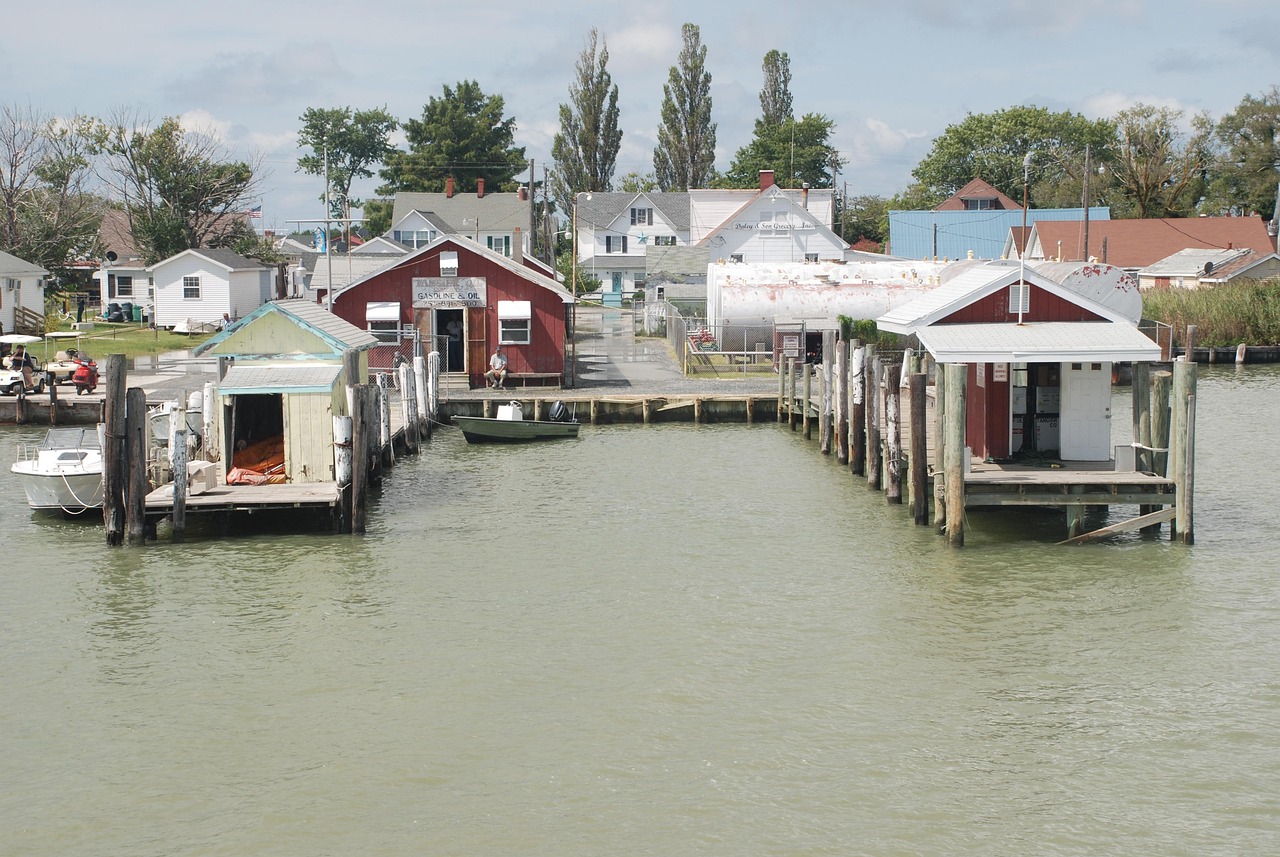
Smith Island sits low in the Chesapeake, a working place where crab sheds, weathered docks, and narrow lanes matter more than souvenir shops. The ferry schedule keeps visits small, and weekdays can feel almost private, with watermen using the waterfront for real work, not staged charm. It stays affordable because the pleasures are basic and local: get around by bike or golf cart, stop at the tiny museum, watch skiffs cut the channel, and eat crab at a no-frills spot. Overnight options are modest and limited, which keeps the island quiet after dinner, when porch lights come on and the marsh turns silver.
Isle au Haut, Maine
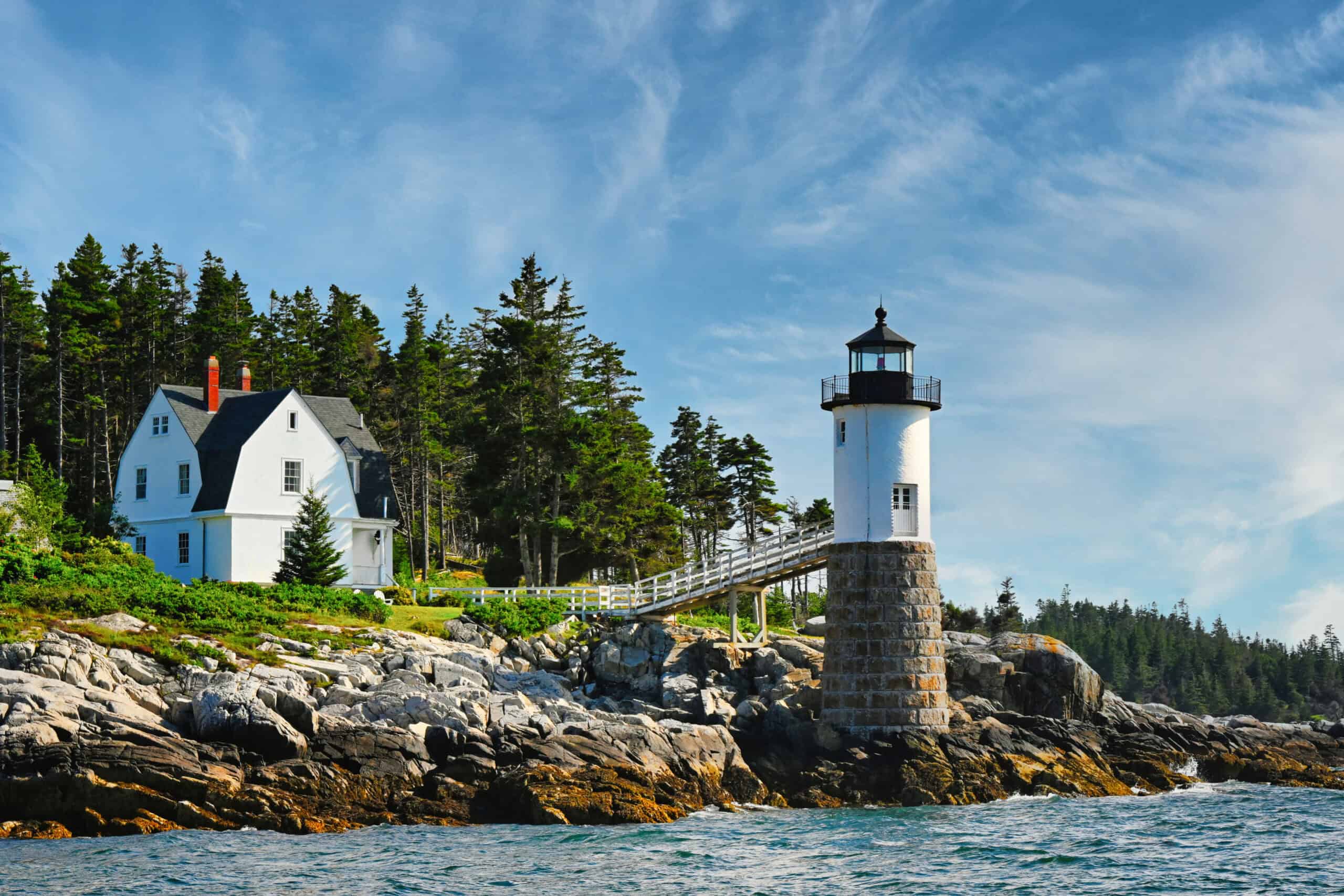
Isle au Haut is part of Acadia, but it feels like the park’s quieter back room, with granite shoreline, spruce air, and coves that hold fog like a secret. A passenger ferry from Stonington shapes the visit, and limited roads push most visitors toward hiking, which keeps the pace honest and the noise low. Money stretches for campers and day hikers who reserve Duck Harbor Campground, pack meals and a thermos, and bring layers for fast weather, since a sunny dock can turn cold on the trail. The reward is tidepools, loon calls, and long, rocky shore walks where cell service is spotty and the mind finally settles.
Madeline Island, Wisconsin
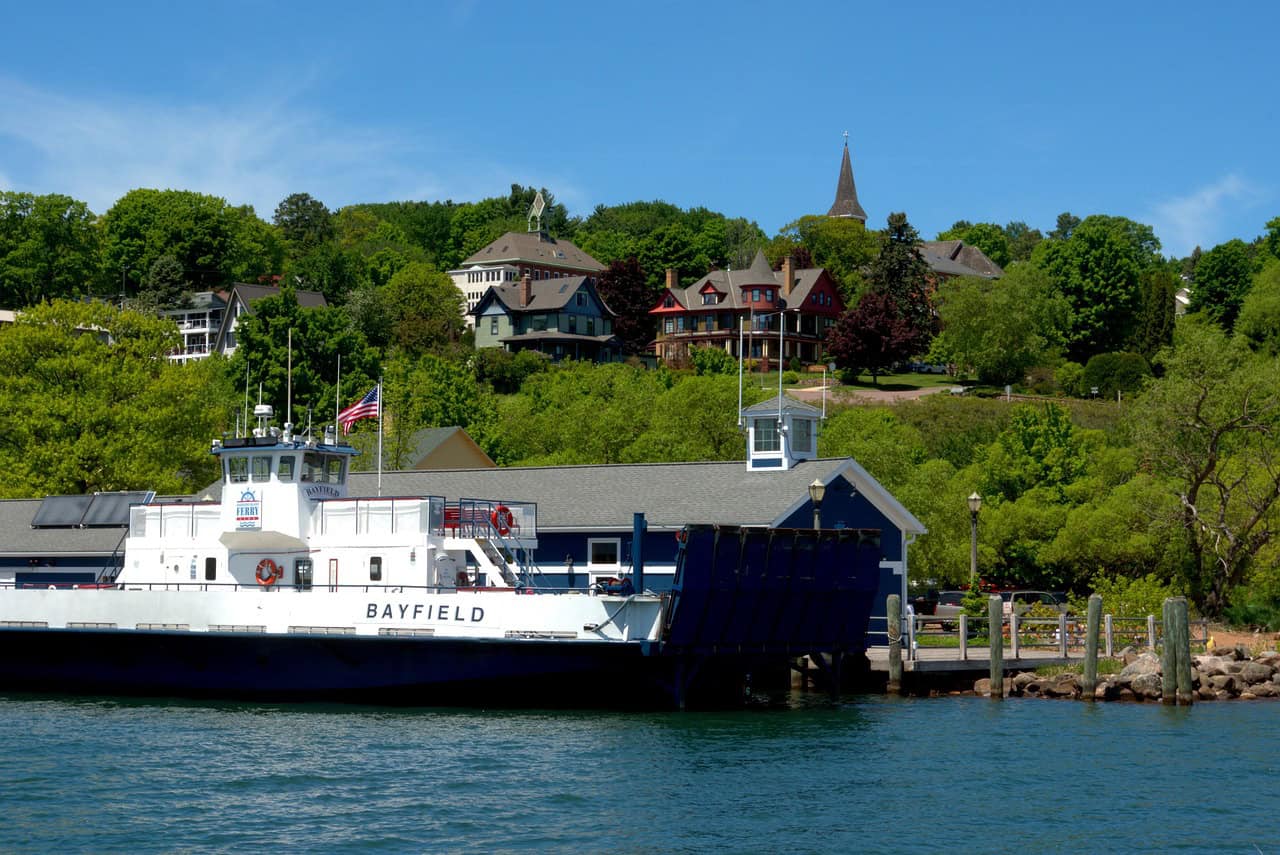
Madeline Island sits in Lake Superior with a small-town ease, and the lake light can make even a short crossing feel like a reset. The ferry from Bayfield is quick, but it is just enough separation to thin the crowd once cars roll off the deck and the shoreline opens. Affordability comes from camping and modest cabins, plus easy days built around Big Bay State Park, mellow beaches, and short hikes that end at quiet overlooks, with spring and fall often gentler on both crowds and prices. In La Pointe, a simple museum stop, views toward the Apostle Islands, and a dock walk can fill an evening without a splurge.
Beaver Island, Michigan
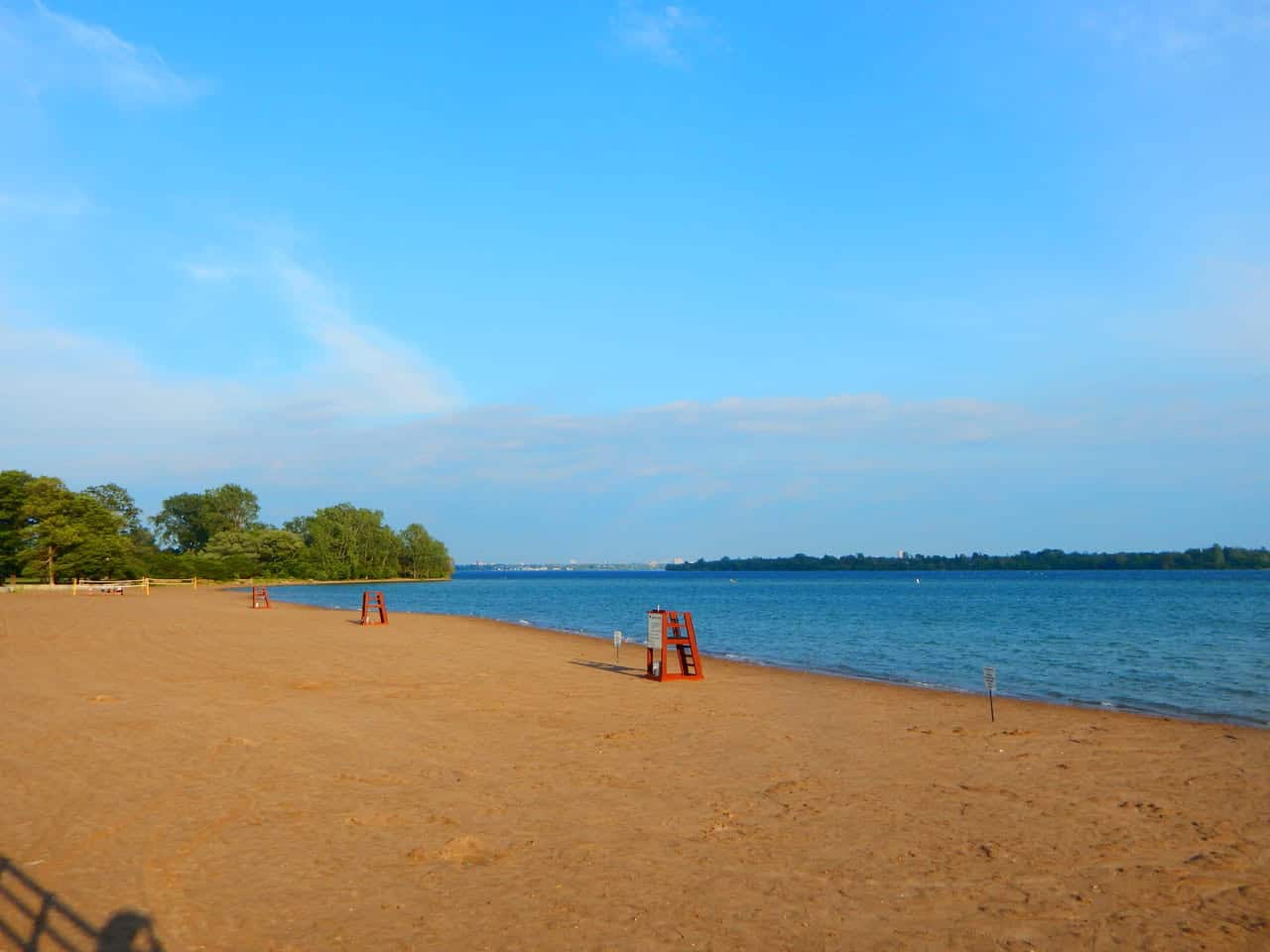
Beaver Island lies about 32 miles out in Lake Michigan, far enough to discourage casual drop-ins and close enough to reach with a little commitment. The ferry from Charlevoix takes a couple hours, and that travel time works like a filter, leaving more locals and long-stay visitors than day-trippers chasing a single photo. It stays budget-friendly through shared rentals, grocery runs, and outdoor days that cost little once arrived: quiet beaches, forest roads, and lighthouses that make the shoreline feel earned, even briefly. When night falls, the island goes properly dark, and stargazing becomes the main event without paying for anything.
Tangier Island, Virginia
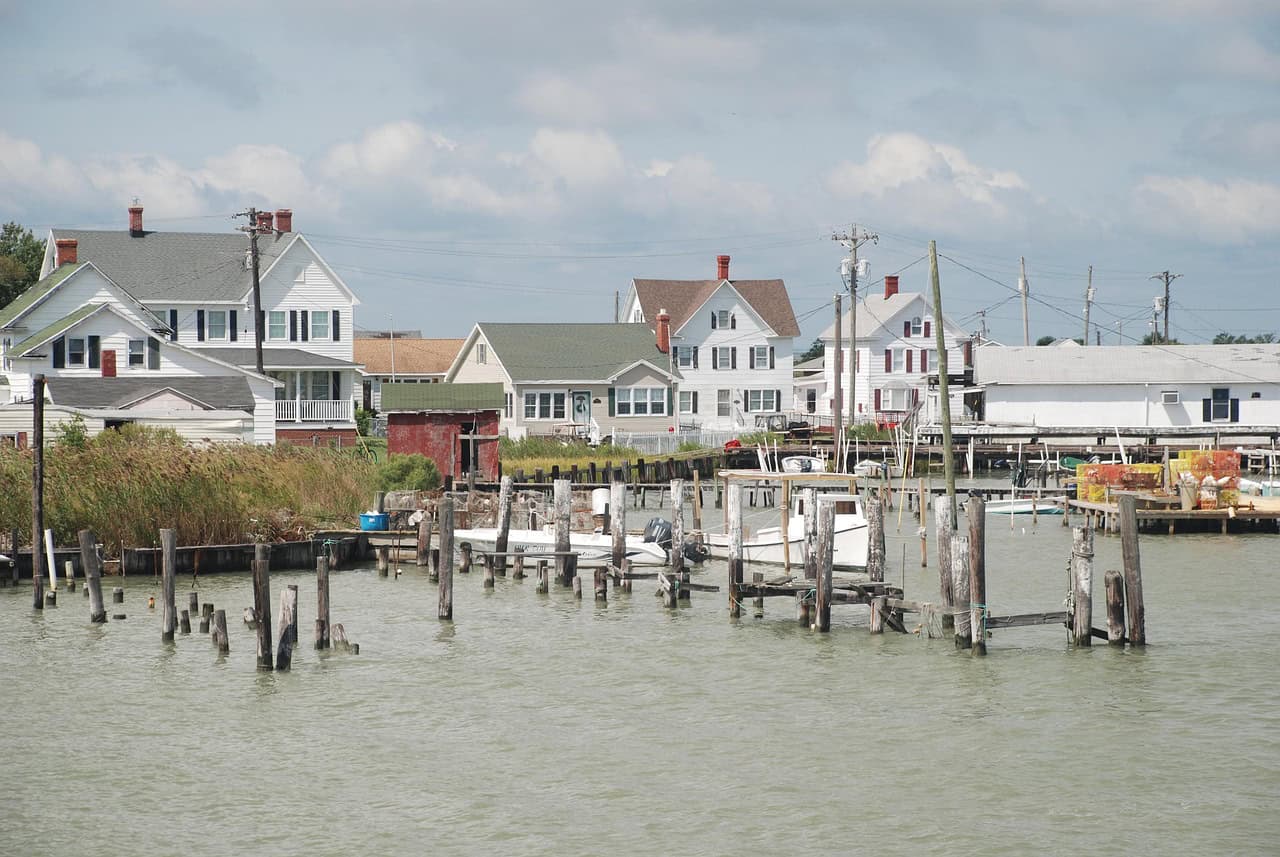
Tangier feels like a village that happens to float, with crab shanties, narrow lanes, and golf carts doing the work of cars. Ferry access across the Chesapeake keeps crowds modest, and the island’s scale makes it easy to slow down and watch daily life unfold at the docks. It can be a low-cost stop because the best hours are free: walking the lanes, hearing the island’s distinct accent, visiting the small museum, watching watermen unload, and eating straightforward seafood as sunset light fades. Lodging is limited, so many visits stay simple and short, which fits the place: a quiet loop, a few conversations, and the water on every horizon.