We may earn money or products from the companies mentioned in this post. This means if you click on the link and purchase the item, I will receive a small commission at no extra cost to you ... you're just helping re-supply our family's travel fund.

Last-minute trips used to be a game of flights and hotel rates. Now it is also a game of portals, authorizations, and small rules hidden behind friendly words like visa-free. A passport may still look valid, yet an airline can refuse boarding because a digital approval is missing, a fee changed, or a new biometric step slows the border line to a crawl. The surprise is rarely dramatic. It is administrative, and it arrives at the worst possible moment: check-in, transit, or the first queue after landing.
United Kingdom ETA Checks at Check-In

The United Kingdom’s ETA has turned a formerly simple arrival into a pre-trip checkpoint for many visa-exempt visitors. The catch is timing and linkage: approval is tied to the specific passport used in the application, and a replacement passport can mean starting over, even if flights are already booked. As rollout expands, carriers increasingly verify ETA status at check-in and a last-minute application can collapse into a no-board decision when processing stretches or a small typo flags the file. The rule is not about suspicion. It is about paperwork moving faster than impulse trips today when calendars are tight and everyone is tired too.
Europe’s Entry/Exit System Adds Biometric Queues
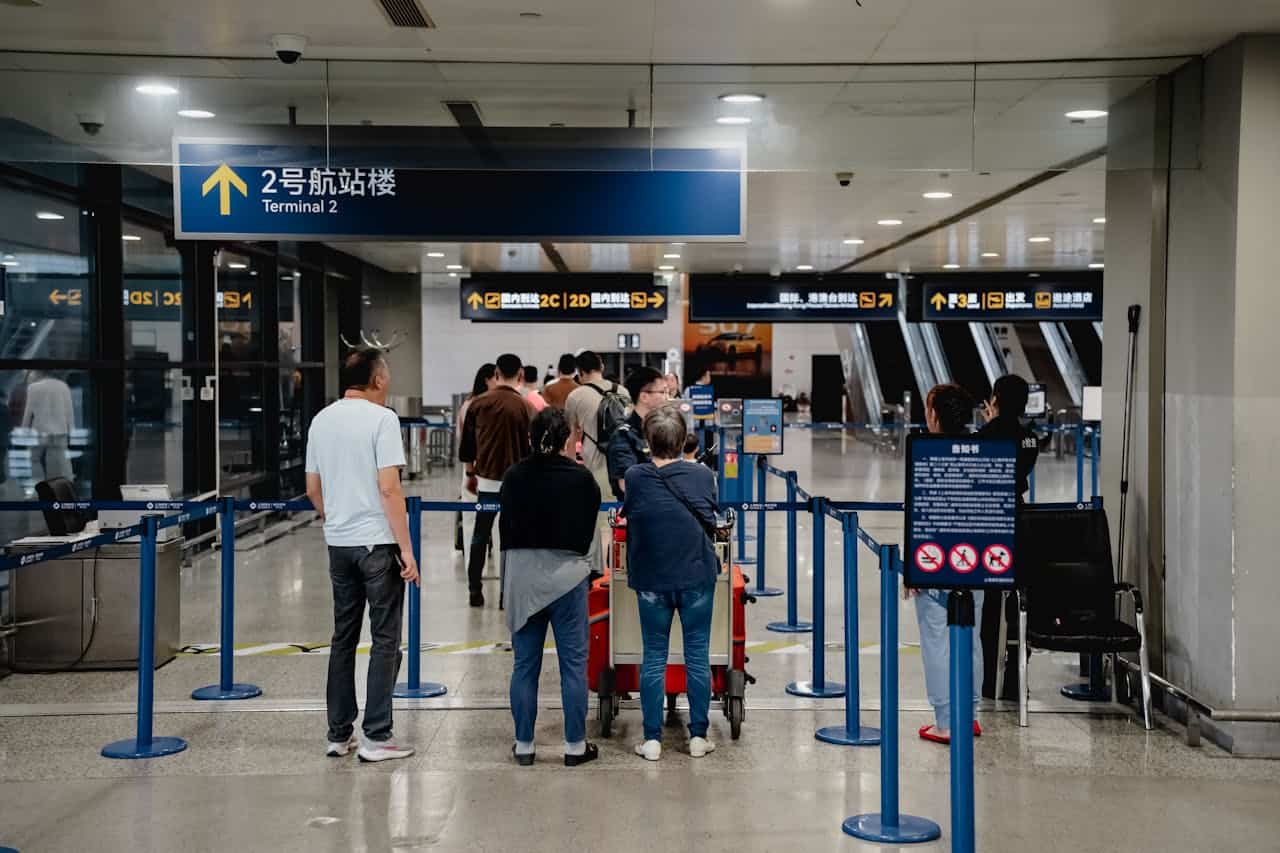
Europe’s Entry/Exit System is replacing the comforting certainty of passport stamps with a digital record built from biometrics and automated day counts. Starting Oct. 12, 2025, the rollout is gradual through Apr. 10, 2026, and first-time entries can require fingerprint capture and a facial image before the usual booth conversation even begins. The practical sting for last-minute itineraries is time: queues can swell at airports, ports, and rail crossings, and tight connections become fragile when every newcomer must be enrolled before moving on, with fewer chances for a human to overlook a near-overstay on peak Saturdays especially in 2026.
ETIAS Pre-Approval for Visa-Free Europe
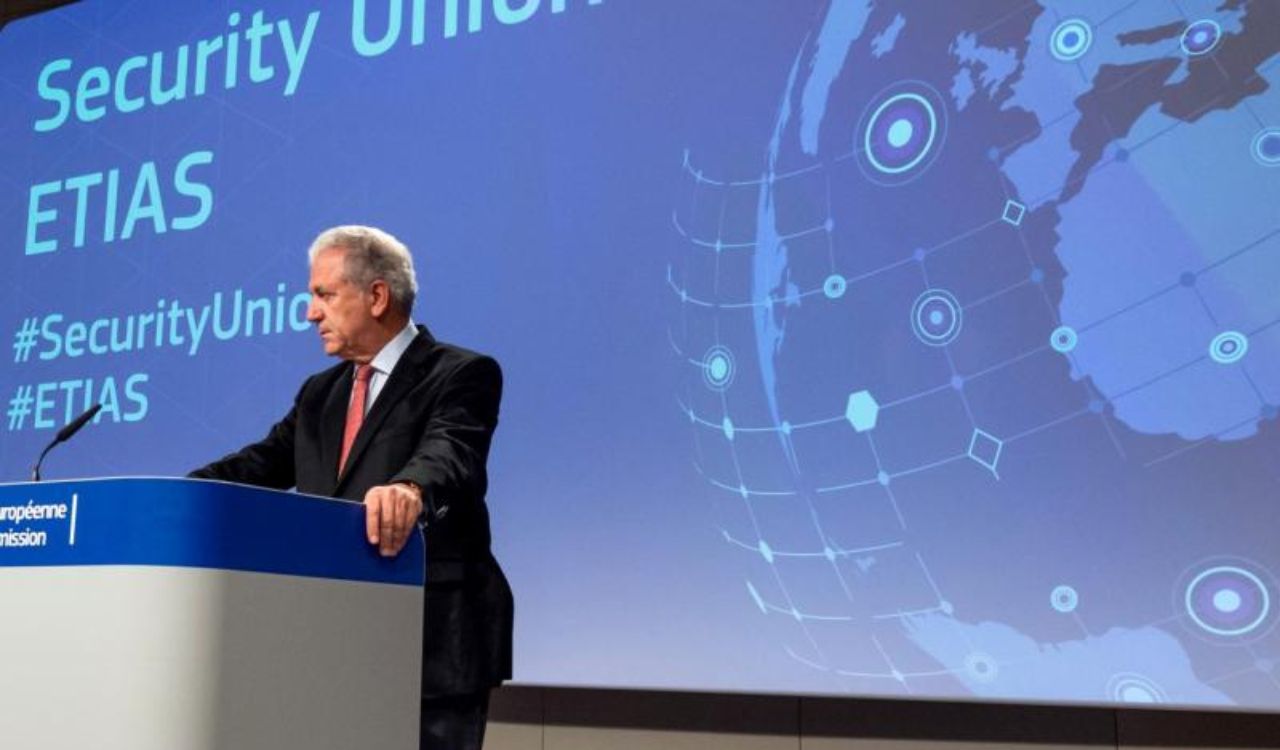
ETIAS is the next quiet shift: visa-free entry to 30 European countries will start requiring an online travel authorization once the system goes live in late 2026 for many trips. The fine print is where it sits, between a ticket and a border, meaning carriers can block boarding before wheels leave the ground if approval is missing or pending. For spontaneous travel, that turns planning into a checklist of passport data, fee payment, and security-style questions that must be answered consistently, with a decision clock that does not care about a sudden fare sale, a cruise swap, or a family emergency. It is a small form with power at the gates.
Japan eVisa Requires the Mobile Notice

Japan’s eVisa system looks like the answer to spontaneous travel, but the eligibility rules still narrow the door. The online application is limited by residence and nationality lists, and approval arrives as a “visa issuance notice” meant to be shown on a mobile device, not printed as a souvenir PDF. The fine print lands at departure: if the traveler cannot access the notice, or applies from the wrong place, the trip shifts from digital convenience to consulate timing, with flights waiting for paperwork that cannot be rushed. A dead phone battery or a forgotten login can become the most expensive small mistake in the terminal at 6 a.m. early
New Zealand’s IVL Makes Reapplying Expensive

New Zealand quietly rewrote the cost side of arrival paperwork, and the numbers can surprise anyone moving fast. Since Oct. 1, 2024, the International Visitor Conservation and Tourism Levy rose to NZD $100 for many arrivals, paid when requesting an NZeTA or applying for a visa, and it is not refunded even if an application is declined. The fine print turns brutal on tight timelines: a denied request does not just delay a trip, it adds a sunk cost and forces a new plan built around processing rather than plane tickets. It also repeats each time an NZeTA is requested, so a quick reapply after a small mistake doubles the pain for larger groups.
U.S. ESTA Fee Adjustments and Per-Person Approvals

The U.S. Visa Waiver Program still runs on ESTA, but the fine print keeps shifting in ways that catch hurried travelers. A federal notice set an inflation adjustment to the ESTA fee of $40.27 effective Jan. 1, 2026, reinforcing that even “visa-free” entry is a paid authorization tied to specific passport details. For last-minute trips, the real risk is procedural: a missing ESTA, a payment glitch, or a mismatch with the passport used for booking can stop boarding before the first layover even exists. Each person needs a separate approval, including children, so a rushed family booking can sometimes fail because one name never cleared in time.