We may earn money or products from the companies mentioned in this post. This means if you click on the link and purchase the item, I will receive a small commission at no extra cost to you ... you're just helping re-supply our family's travel fund.
UNESCO World Heritage Sites can sound like once-in-a-lifetime splurges, yet some of the most memorable ones sit in places where daily costs stay refreshingly low. The trick is choosing cities built for walking, markets, and public transit, where culture is part of ordinary life instead of a premium add-on. In 2026, travelers chasing value often find it in lantern-lit lanes, tiled courtyards, and temple grounds that reward slow mornings and early evenings. These six sites offer that rare mix: big history, vivid atmosphere, and budgets that breathe.
Angkor, Cambodia
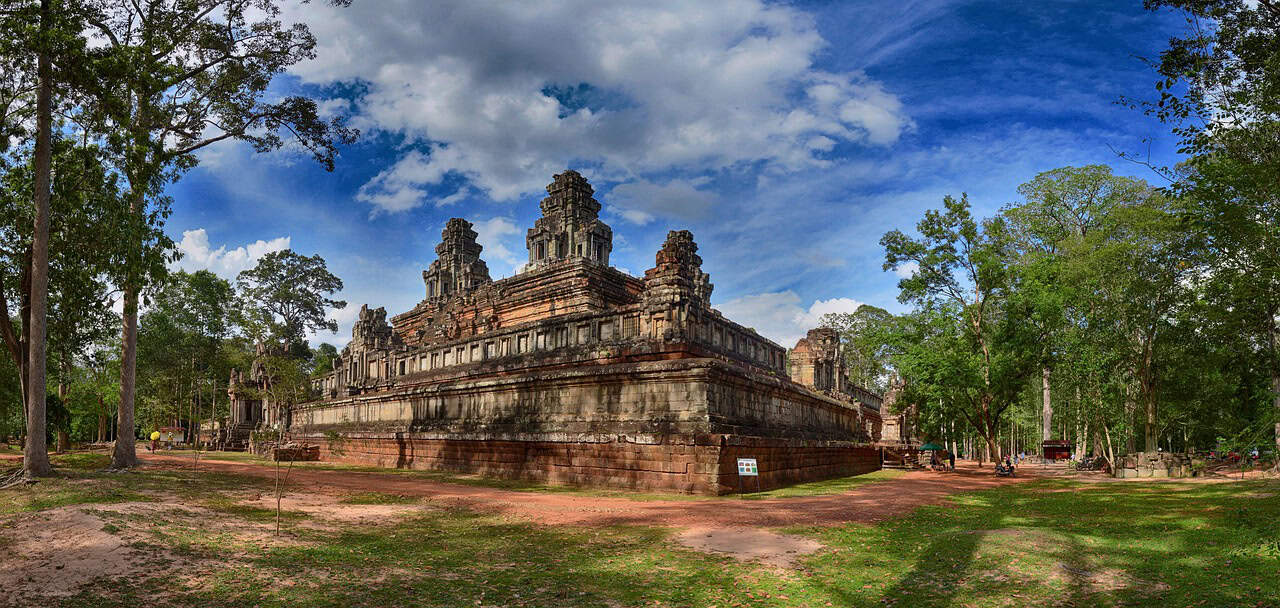
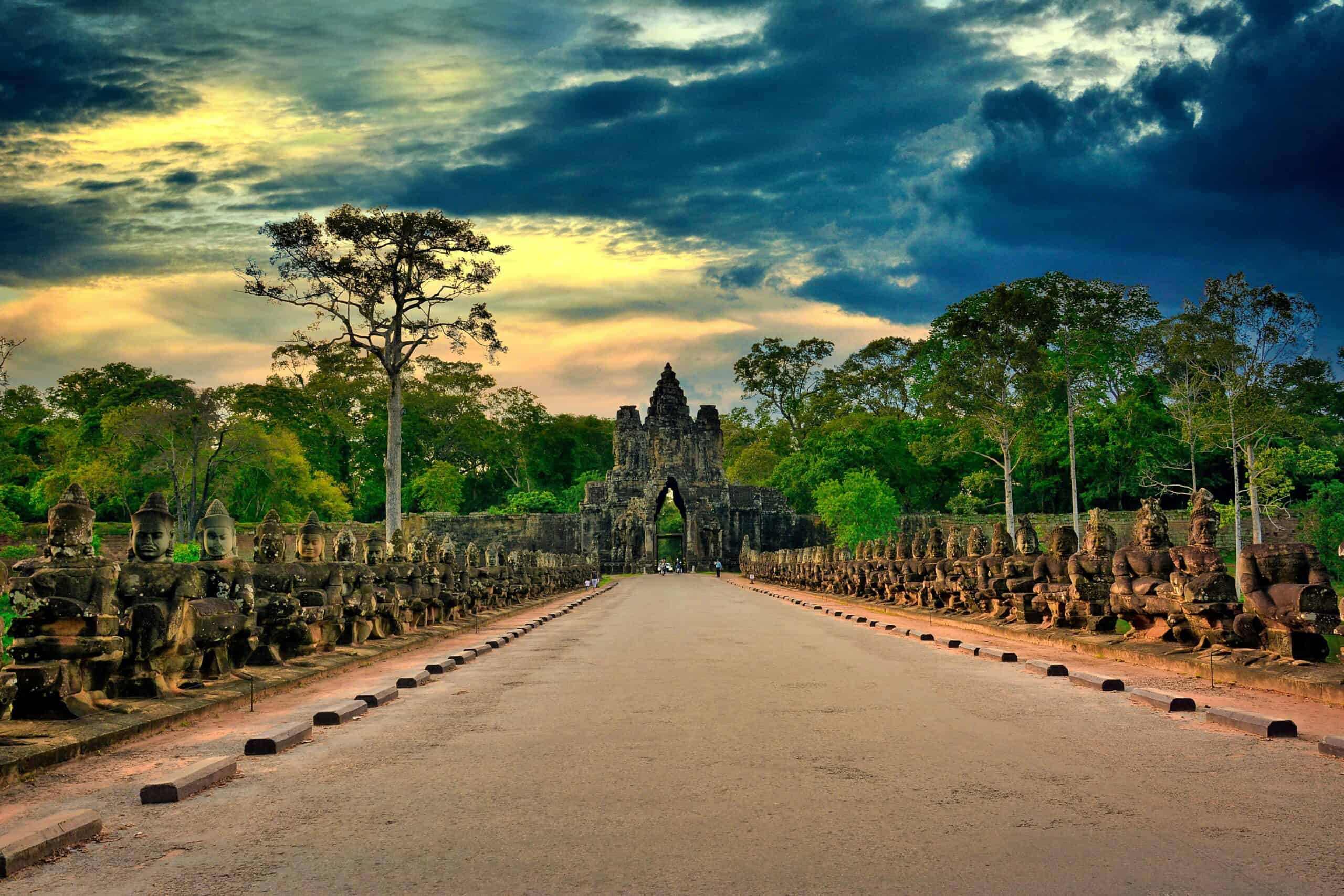
Angkor’s towers rise out of the forest like stone clockwork, and Siem Reap keeps the pilgrimage surprisingly approachable with guesthouses, night markets, and generous Khmer plates that rarely feel priced for tourists. Sunrise at Angkor Wat, the root-wrapped corridors of Ta Prohm, and the calm symmetry of Angkor Thom and Bayon can fill an entire day, especially when drivers bundle temples into one affordable circuit or bicycles handle the shorter loops. After dark, budget comfort looks like street grills, cold sugarcane juice, and a long riverside stroll, with free performances and food stalls turning the evening into entertainment that barely dents a wallet.
Medina Of Fez, Morocco
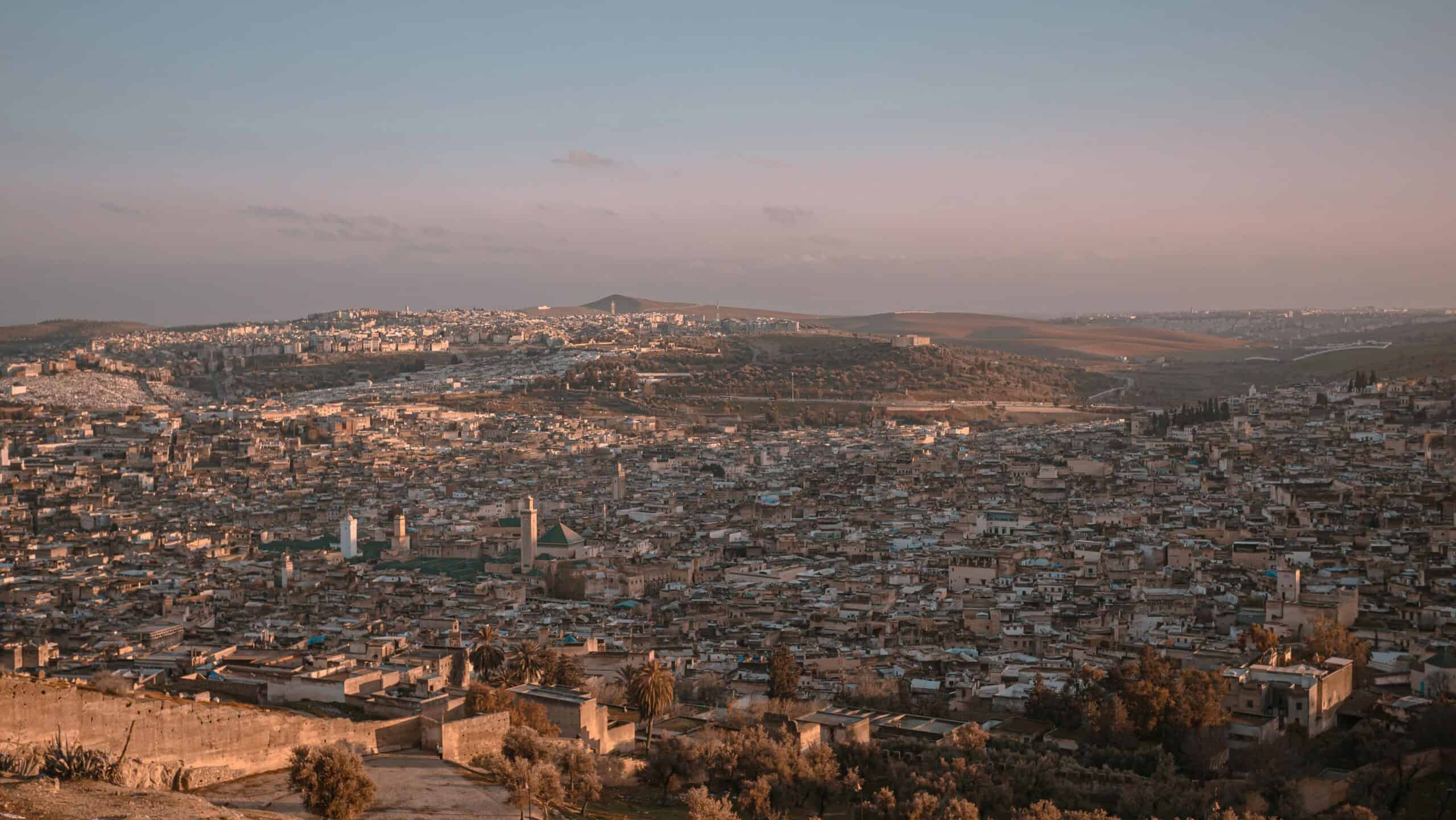
From Cambodia’s temple dawns, the scene shifts to the Medina of Fez, a living maze of carved doors, zellige tile, and spice-scented alleys where the best moments are often the least expensive. Small riads, bakeries, and neighborhood cafés make it easy to linger on a modest spend, and rooftop terraces or hilltop lookouts near Borj North deliver panoramic views for little or nothing, especially in the cooler hours. The tanneries, Quranic schools, and workshop streets reward slow wandering, while mint tea, fresh msemen, and a simple tagine anchor the day at prices that still feel grounded for a city carrying centuries in its stones.
Hoi An Ancient Town, Vietnam
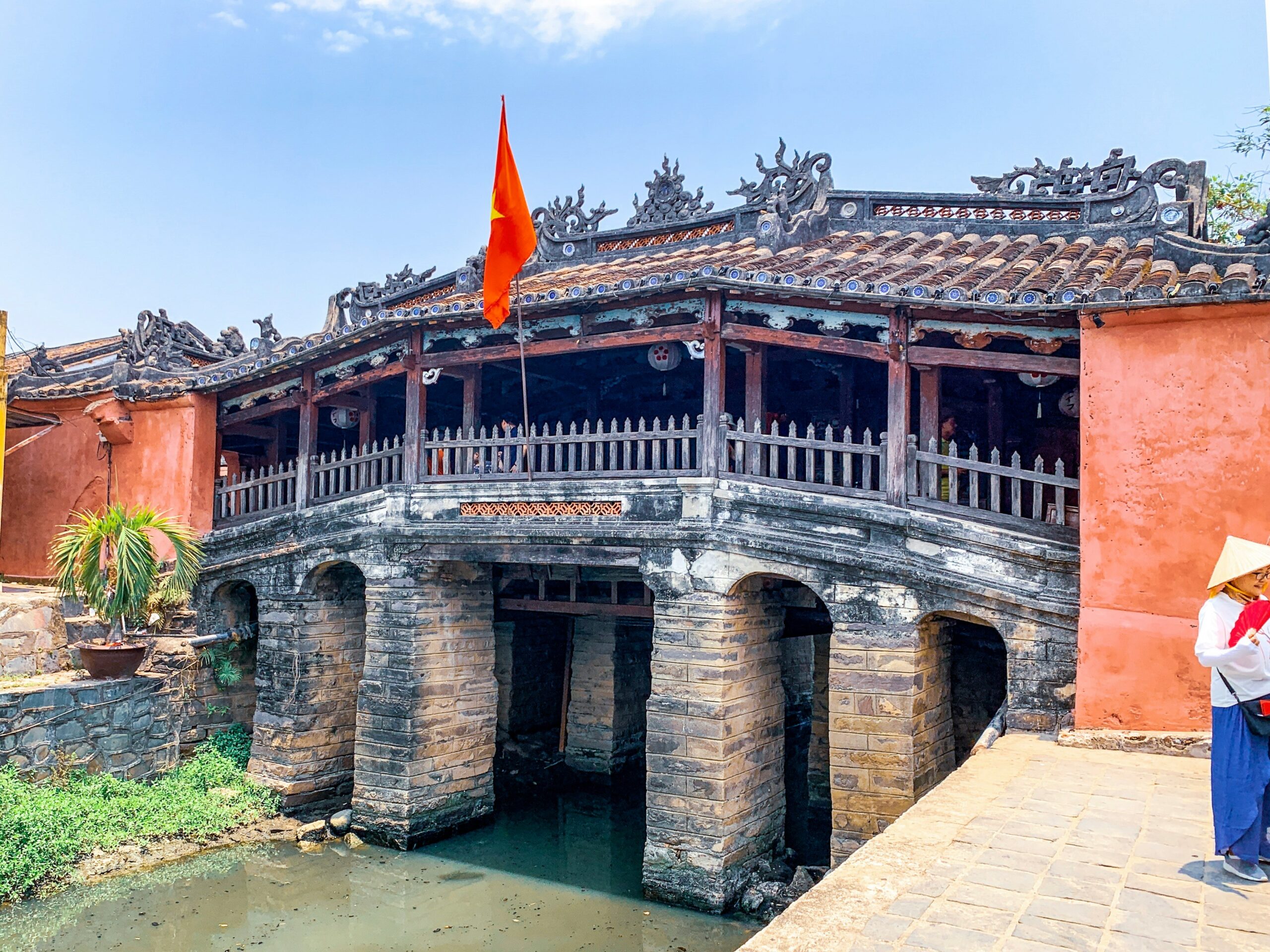
Hoi An’s Ancient Town trades skyscrapers for lantern light, and that gentler scale keeps costs comfortable even during busy 2026 travel months. A modest old-town ticket unlocks heritage houses, assembly halls, and the Japanese Covered Bridge, but the best hours are free: dawn at the market, afternoon shade along the Thu Bồn River, and evening lanterns reflected in slow water. Budget homestays, bicycles, and tailor shops that work with simple fabrics help stretch each day, while bowls of cao lầu, mì quảng, and fresh fruit keep meals satisfying, and short rides to An Bang Beach or Da Nang’s rail station add variety without a splurge.
Historic Centre Of Oaxaca And Monte Albán, Mexico
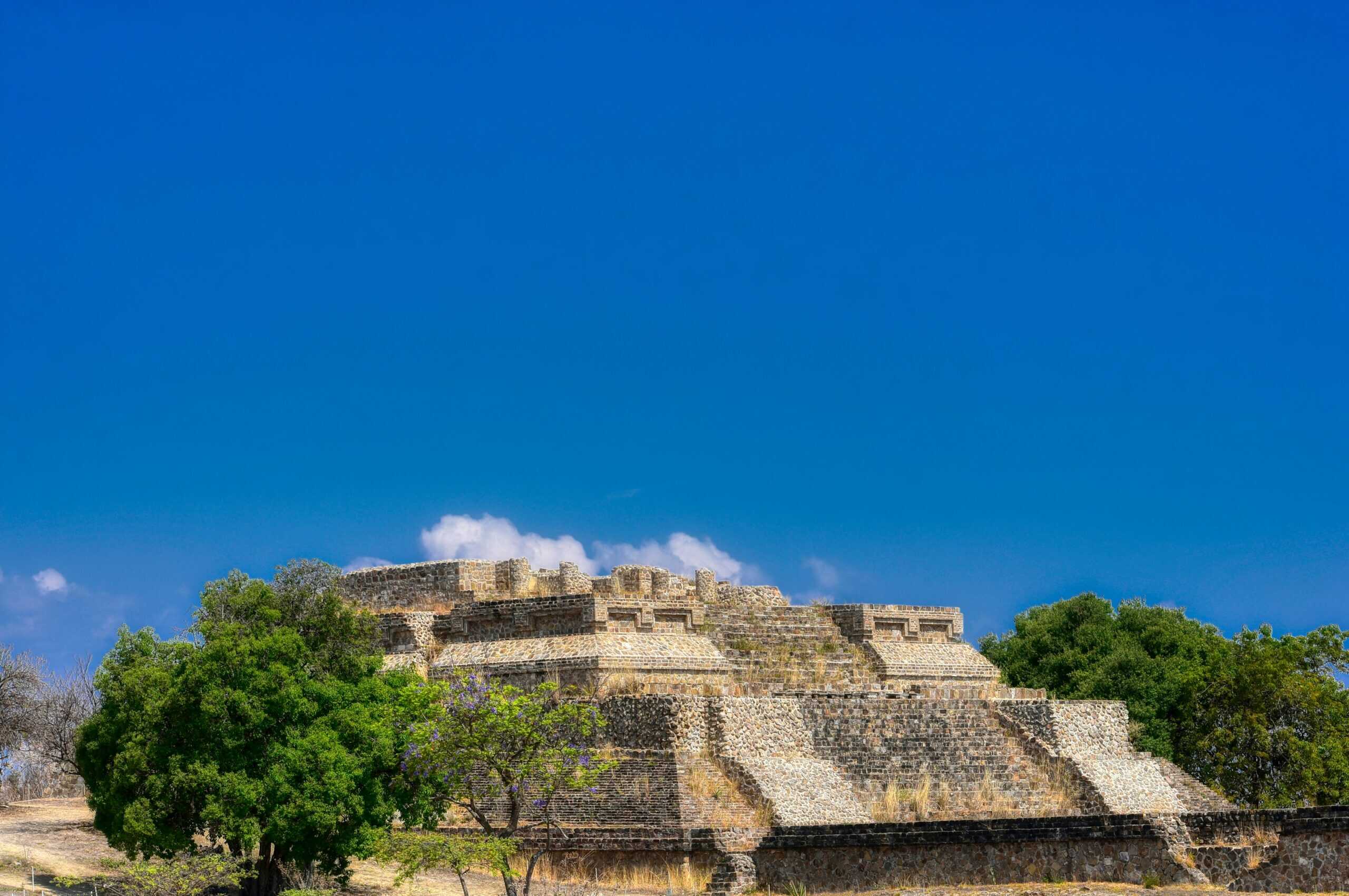
Mexico’s “Historic Centre of Oaxaca and Archaeological Site of Monte Albán” pairs a city made for strolling with a mountaintop ruin that feels epic without demanding luxury travel habits. Oaxaca’s markets and mezcalería-lined streets turn meals into an affordable ritual, from tlayudas and mole to tejate and hot chocolate whisked by hand, and small museums and churches often charge only a modest fee. Monte Albán sits close enough for budget buses and shared vans, offering wide valley views, ball courts, and carved stones that make the day feel expansive, then evenings drift back to zócalo music, craft stalls, and street vendors setting up under warm lights.
Natural And Culturo-Historical Region Of Kotor, Montenegro
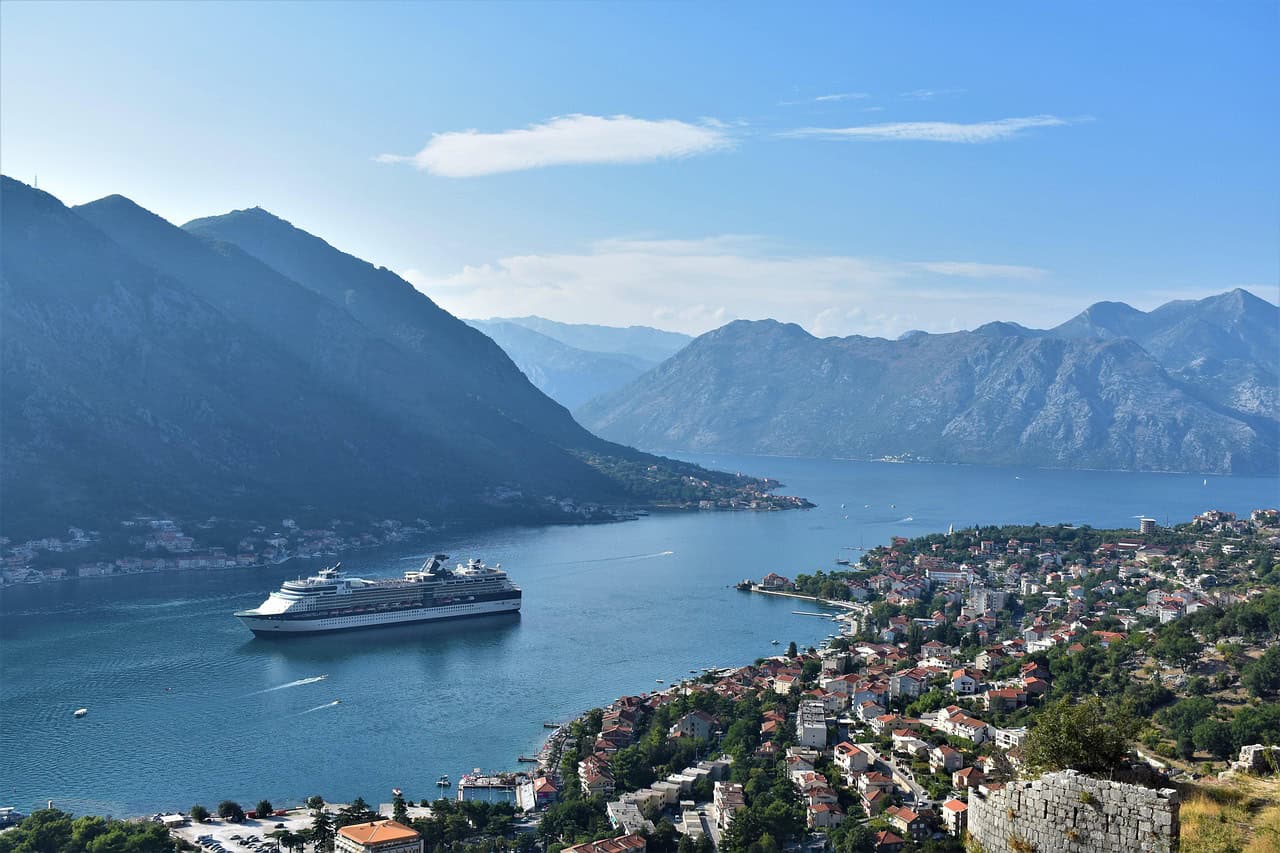
For a European scene that still respects a tight budget, the Natural and Culturo-Historical Region of Kotor brings medieval stonework to a bay that looks like a painting. The old town’s lanes, churches, and small squares are built for slow exploration, and many of the best views come from straightforward hikes up the city walls and fortress paths, timed for early morning or late afternoon when the air is cooler. Local bakeries, simple seafood plates, affordable rooms in nearby Dobrota, and easy buses to Perast keep costs steady, while waterfront promenades and free swimming spots make the bay feel generous without a resort bill.
Ancient City Of Polonnaruwa, Sri Lanka
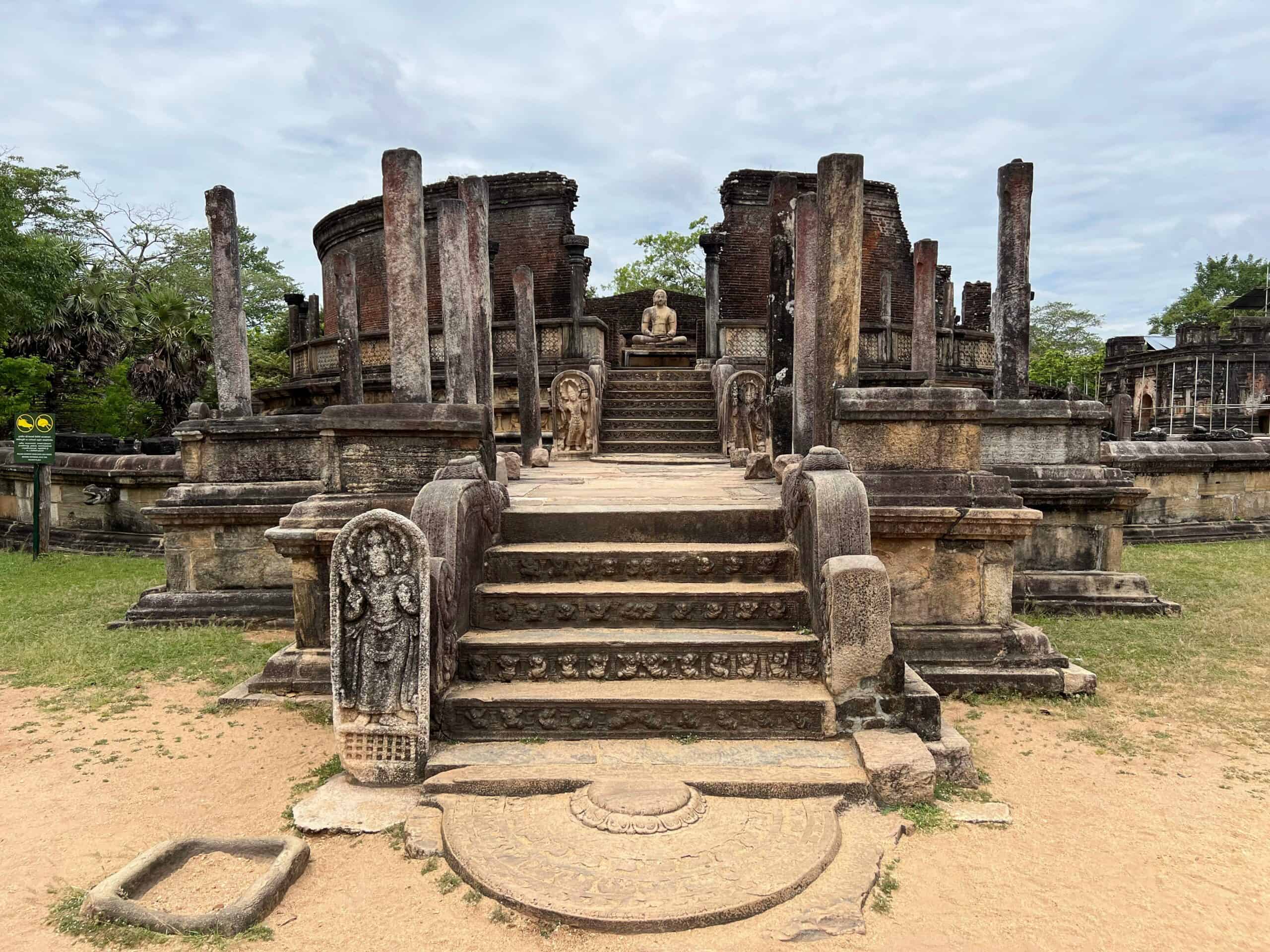
Sri Lanka’s Ancient City of Polonnaruwa offers a quieter kind of grandeur, where ruined palaces and stone Buddhas sit in open air and long sightlines, perfect for an unhurried day that does not require constant paid distractions. Travelers often rent a bicycle or share a tuk-tuk to move between the Quadrangle, lotus-shaped baths, and the serene Gal Vihara carvings, pausing for shade and photos instead of shopping, while local buses keep transfers cheap from hubs like Kandy. Simple curries, fresh roti, and family-run rooms in the area keep the trip grounded, and nearby tank sunsets and bird calls add a final glow that costs nothing at all.