We may earn money or products from the companies mentioned in this post. This means if you click on the link and purchase the item, I will receive a small commission at no extra cost to you ... you're just helping re-supply our family's travel fund.

American moving patterns keep pointing to the same idea: people relocate toward places that feel workable, not perfect. That usually means job growth, newer housing options, and metro areas where a household can still imagine building a routine. Warm weather helps, but it is rarely the whole story. The real draw is momentum: friends already there, employers hiring, airports expanding, and neighborhoods that still feel like they are becoming something. These six states show up again and again because they offer that forward pull, even as costs rise and tradeoffs get louder.
Texas
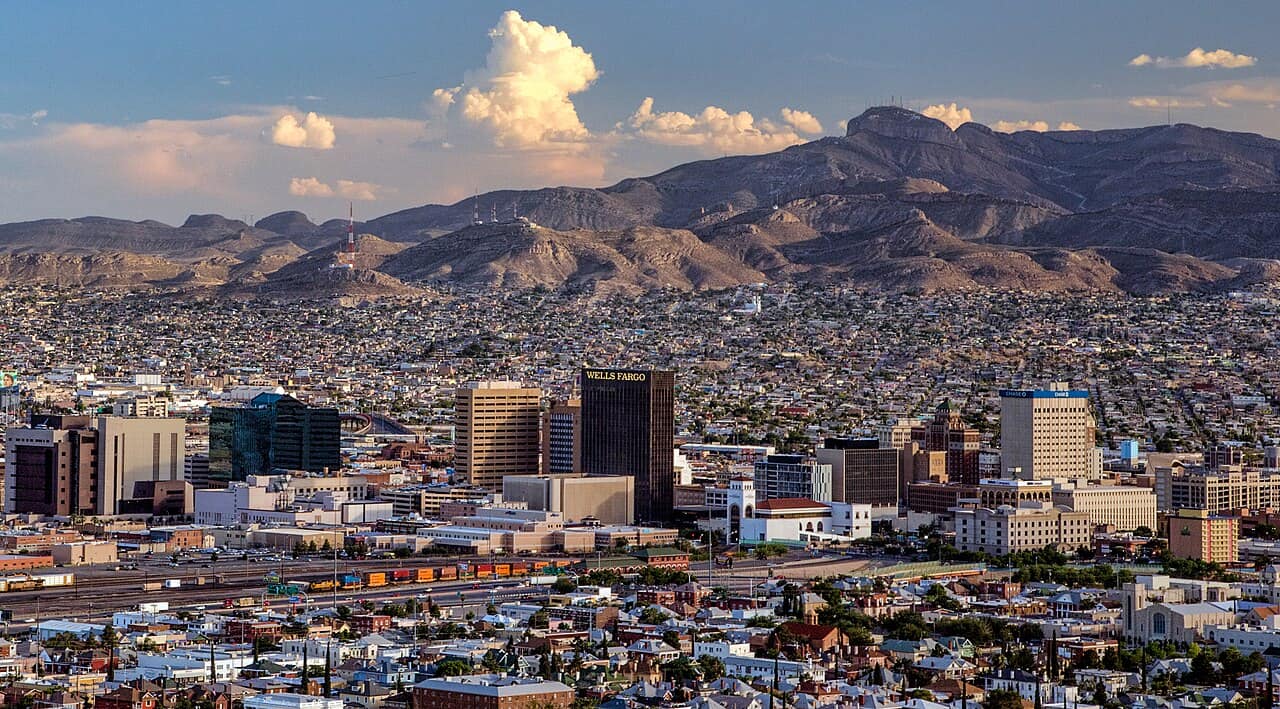
Texas keeps pulling newcomers because it offers multiple big-city economies instead of one single “it” destination. Dallas-Fort Worth, Houston, Austin, and San Antonio absorb different budgets and lifestyles, so growth spreads rather than bottlenecks. The state also has a deep job mix, from energy and logistics to tech, healthcare, and manufacturing, which keeps relocation decisions from hinging on one industry. The tradeoff is obvious: traffic, heat, and rising housing costs in the hottest pockets. Still, the scale gives people options, and that flexibility is why Texas stays a magnet.
Florida

Florida’s pull is part lifestyle, part logistics. Warm winters, beach culture, and a steady inflow of retirees and remote workers keep demand high, while major airports and nonstop routes make it easy to stay connected. Growth is not only Miami. Tampa Bay, Orlando, and the Atlantic Coast keep drawing households looking for jobs, space, and a year-round outdoor rhythm. The downsides can be sharp, especially insurance costs and storm-season stress, and newcomers feel that quickly. Even so, Florida remains a place people choose on purpose, because the day-to-day mood can feel lighter.
North Carolina
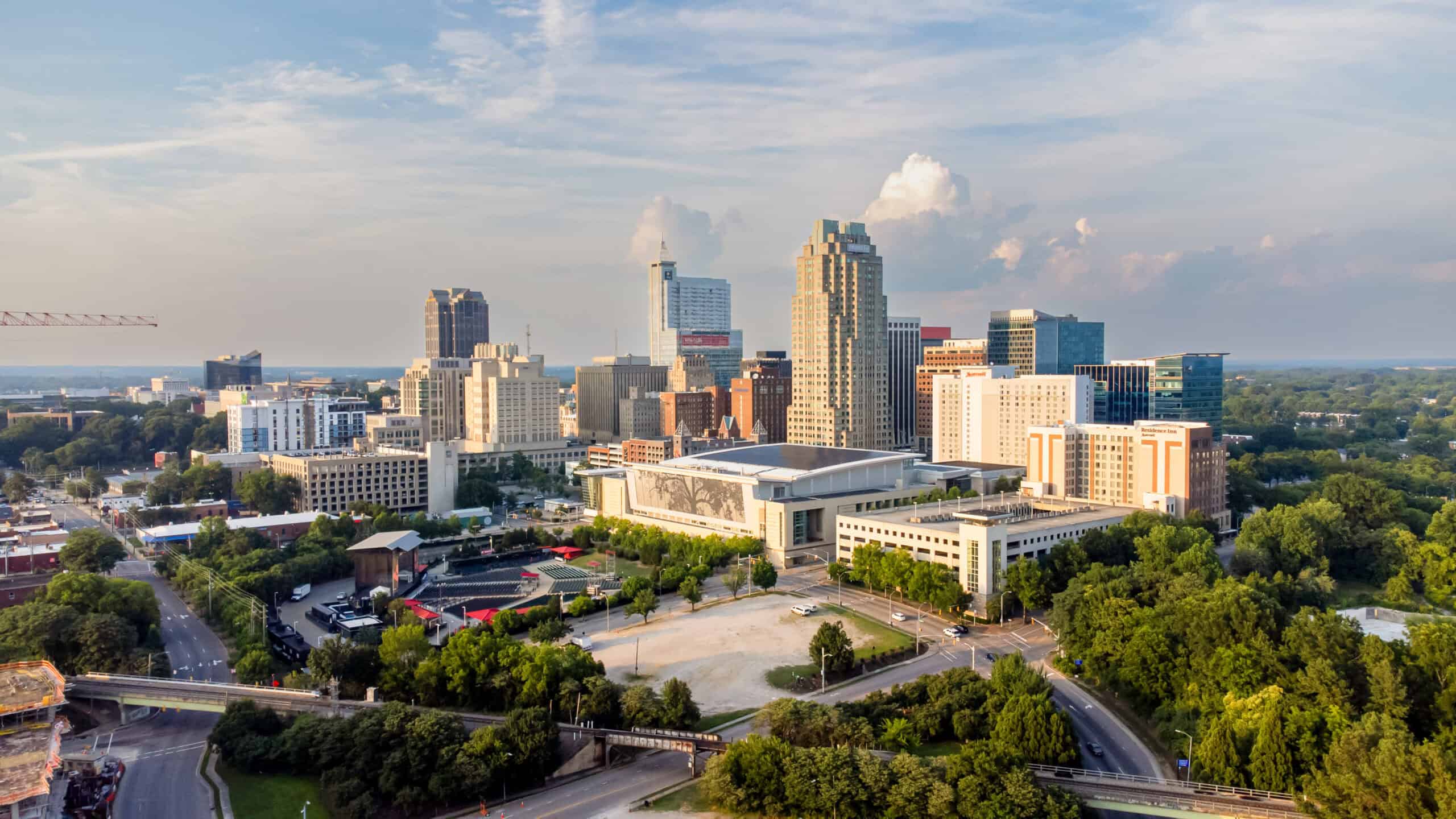
North Carolina attracts movers with a rare balance: strong job centers and a calmer pace than many bigger coastal states. Charlotte and the Raleigh-Durham area anchor growth with finance, tech, education, and healthcare, while smaller cities and suburbs offer more breathing room. The geography helps too. Mountains, lakes, and beaches sit within weekend range, so the lifestyle pitch feels real, not aspirational. Growth has raised prices and congestion in popular corridors, but the state still feels like a practical bet for households that want career options without surrendering quality of life.
Tennessee
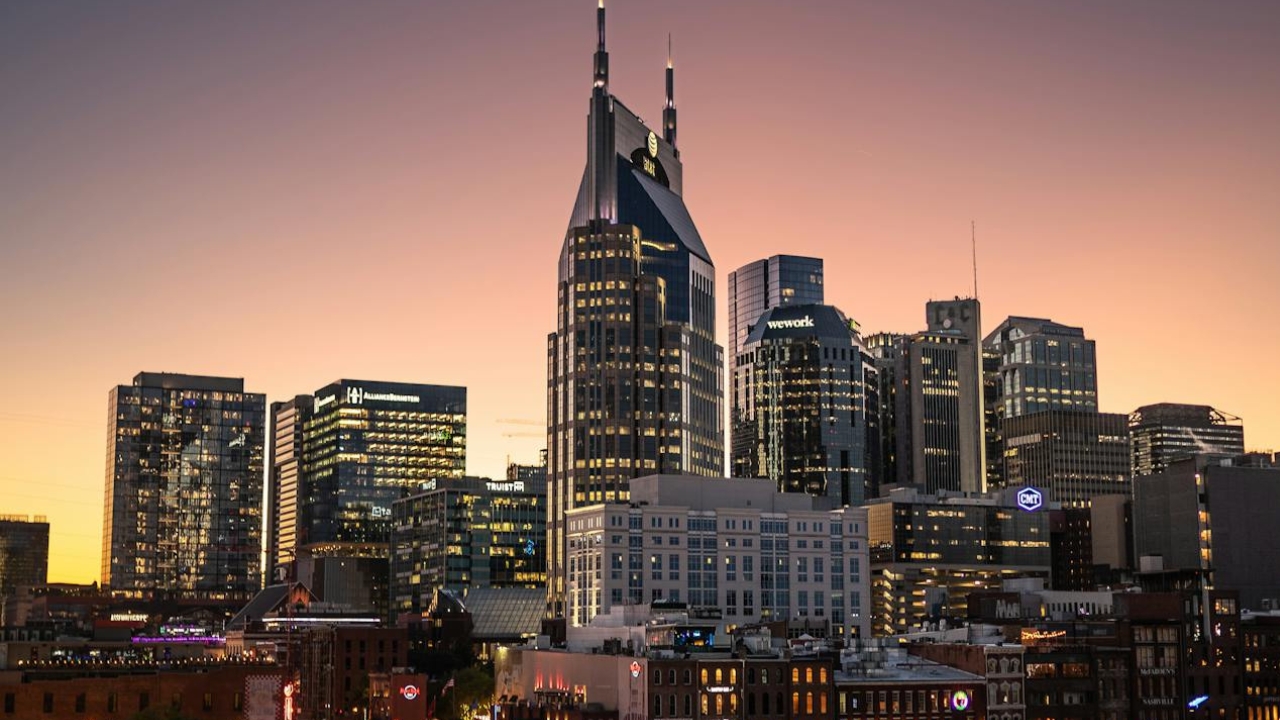
Tennessee draws people who want momentum without the biggest-city pressure. Nashville remains the headline, but growth spreads through its surrounding towns and into other hubs like Knoxville and Chattanooga, where outdoor access and a growing job base shape the appeal. The state’s central location also makes regional travel easier, and that matters for families and hybrid workers who still move around for work. Costs have climbed, especially near Nashville, and housing competition can be intense. Even so, Tennessee keeps attracting newcomers because it feels lively, connected, and still expanding.
South Carolina
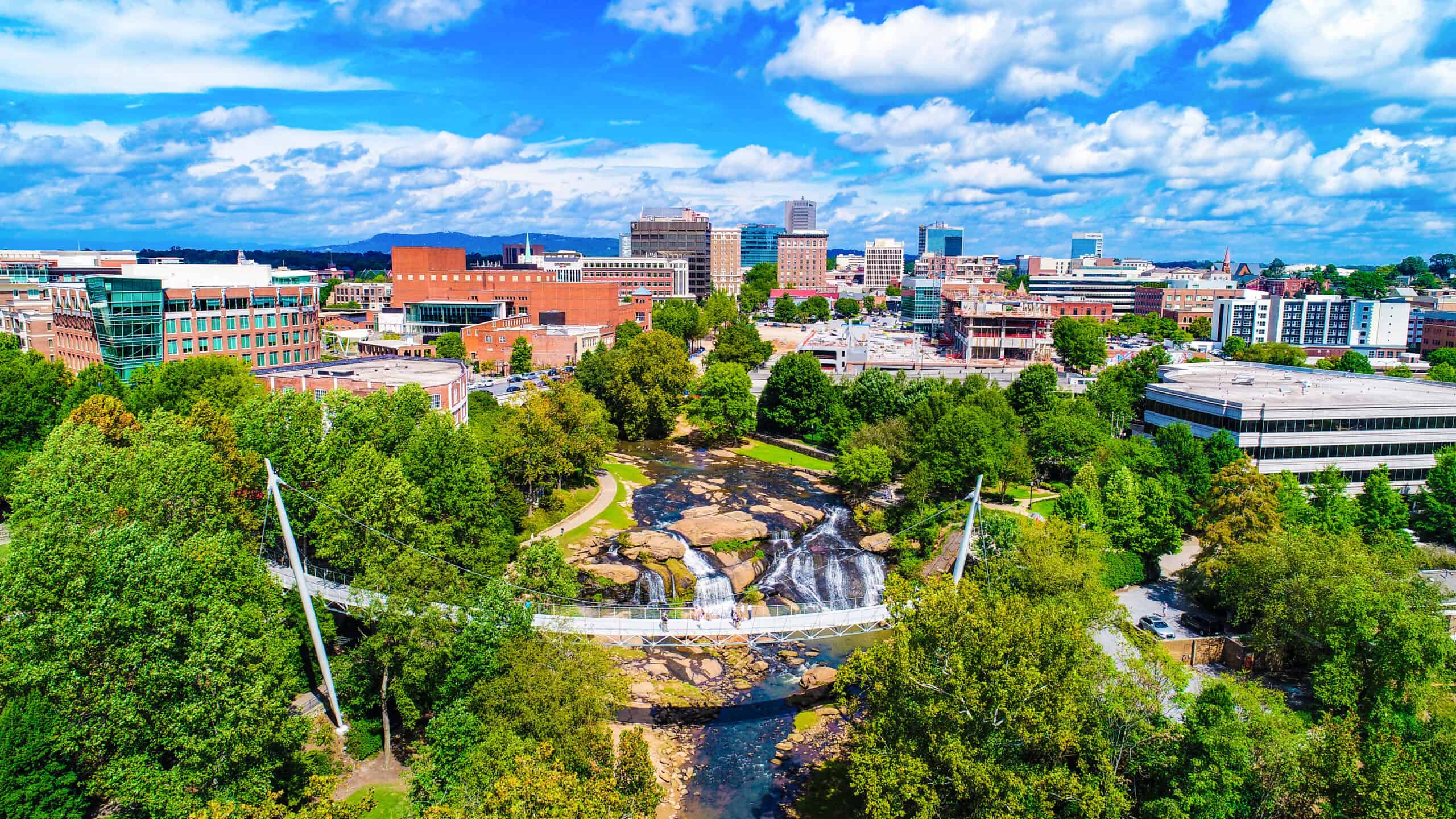
South Carolina has become a classic move for people chasing coastal life without the sheer intensity of larger resort states. Charleston and the surrounding Lowcountry draw newcomers for history, food, and water views, while Myrtle Beach and fast-growing inland areas absorb households seeking warmer weather and a more relaxed pace. Popularity brings its own friction: higher prices, crowding, and infrastructure that can lag behind growth. Still, many movers accept the tradeoffs because the lifestyle feels attainable, and the state’s smaller-city scale can make settling in feel less overwhelming.
Washington

Washington stands out as a growth destination for people who want a different kind of everyday. The climate is cooler, nature is closer, and outdoor culture is built into normal life, from water to forests to mountain weekends. Seattle’s job market and the wider I-5 corridor still anchor the draw, but movement also spreads to smaller cities where pace and housing feel more manageable. Costs remain a real hurdle, especially near major employment centers. Even so, Washington keeps attracting newcomers who prioritize access to green space, strong regional careers, and a less sun-belt version of growth.