We may earn money or products from the companies mentioned in this post. This means if you click on the link and purchase the item, I will receive a small commission at no extra cost to you ... you're just helping re-supply our family's travel fund.
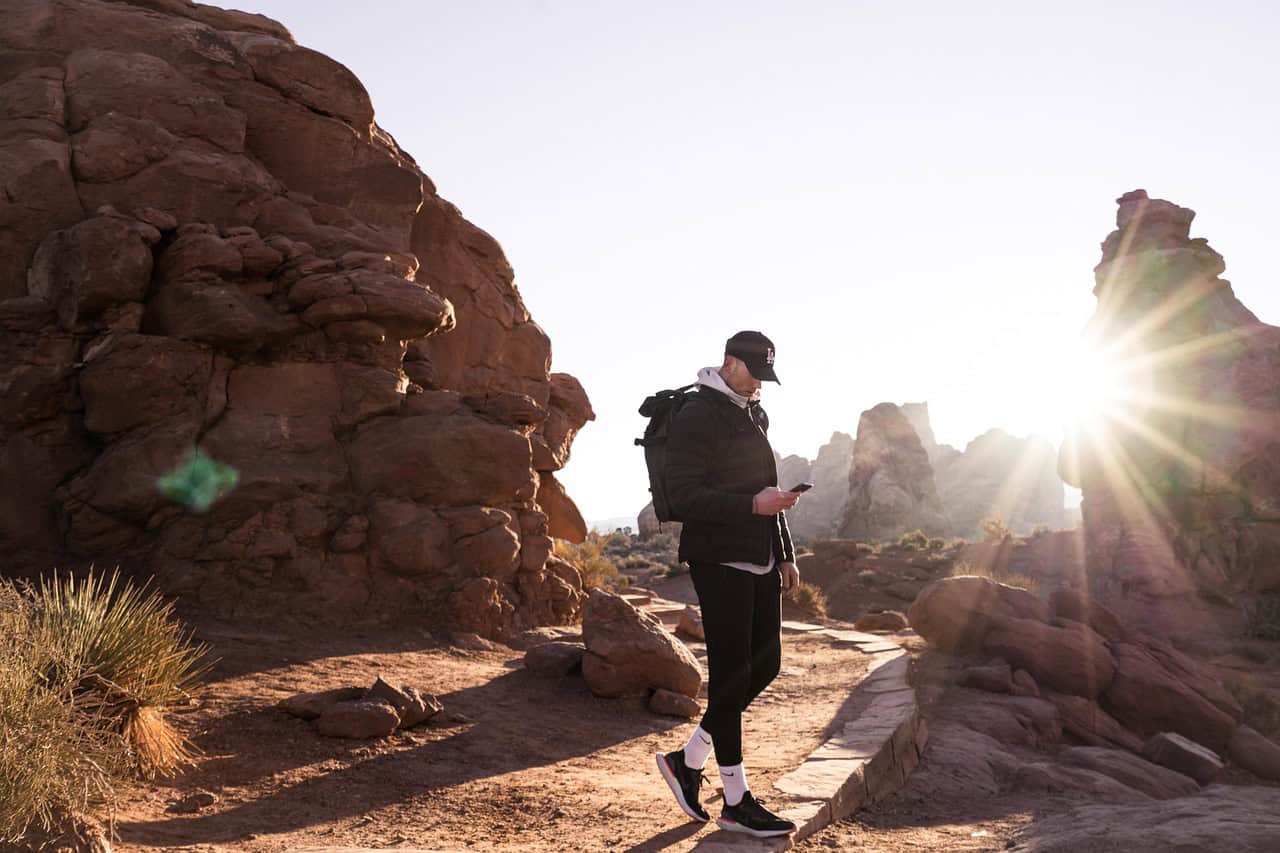
Scrolling through travel content can make the world feel thrilling yet strangely out of reach. Many people postpone meaningful journeys because of assumptions that sound sensible but are rarely examined. In reality, global travel has become more accessible, safer, and more flexible than ever before. International tourist arrivals crossed 1.3 billion annually before the pandemic and continue rebounding strongly, showing that millions find ways to make it work. If you have been waiting for the “right time,” these six myths may be the real reason you have not packed your bags.
1. Travel Is Only for the Wealthy
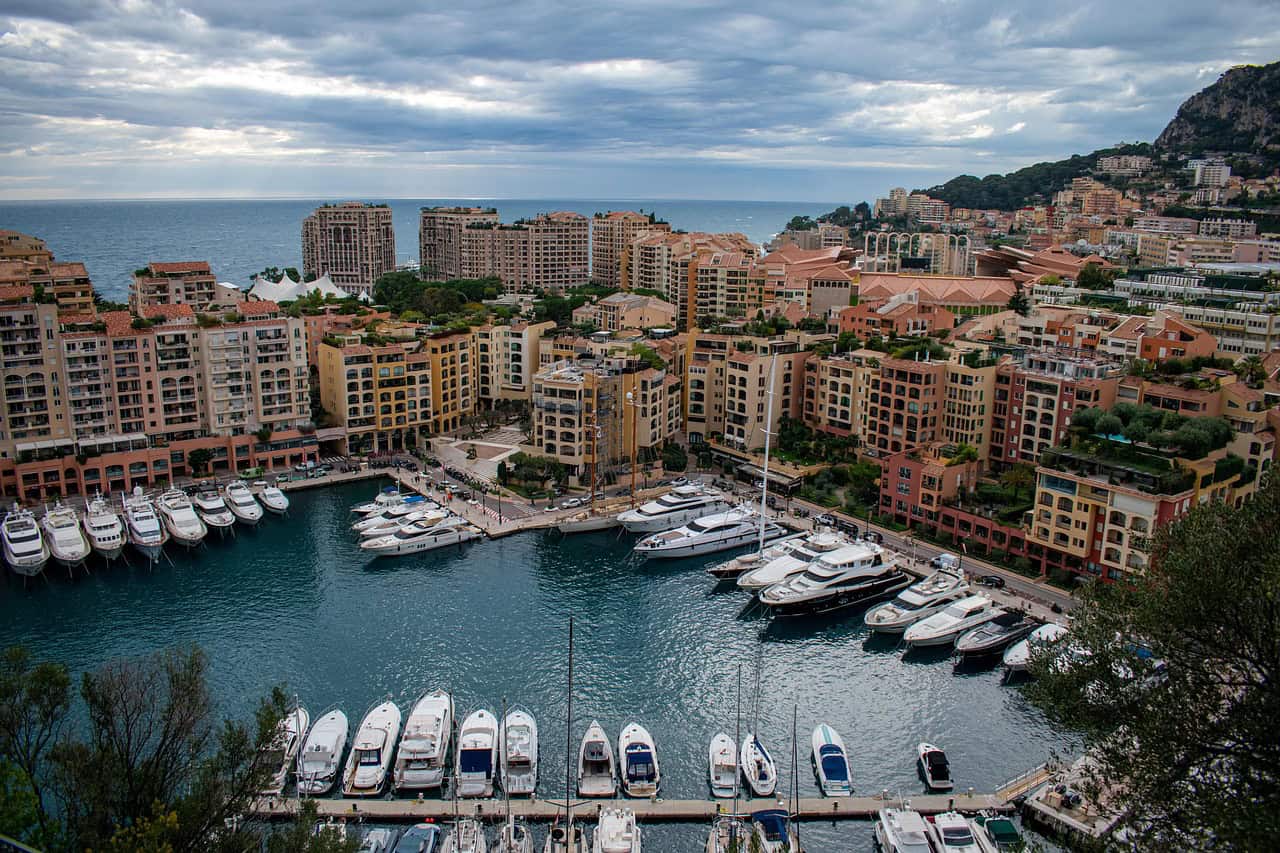
The idea that travel demands luxury budgets discourages countless first-time explorers. While glamorous stays in Dubai or overwater villas in the Maldives can exceed $800 per night, that is only one slice of the industry. In reality, round-trip flights across Asia are often available for under $120, and hostel beds in many capitals average $15–$25.
According to industry data, budget airlines now carry over 30% of global air passengers. Combine fare alerts, shoulder-season travel, and public transport, and costs drop sharply. Travel is less about income level and more about flexibility, research, and prioritizing experiences over upgrades.
2. The World Is Too Dangerous to Visit

News cycles spotlight crises, making risk feel constant and universal. Yet over 900 million international trips were recorded globally in 2022 alone, most completed without incident. Cities such as Mexico City and Bangkok each welcome more than 20 million visitors annually.
Basic precautions using licensed transport, staying in well-reviewed areas, and carrying digital copies of documents reduce common travel risks dramatically. Statistically, everyday dangers like road accidents often pose higher odds than tourist-targeted crime. Awareness matters, but assuming everywhere is unsafe prevents discovery more than it protects you.
3. You Must Quit Your Job to See the World

Social media highlights full-time nomads, creating the illusion that exploration requires radical lifestyle change. In truth, the average worker in many countries receives 10 to 20 paid leave days yearly, enough for two or three meaningful trips. A four-day break in Singapore or a long weekend in Istanbul can cover major landmarks and cultural neighborhoods.
Surveys show nearly 60% of travelers take trips shorter than one week. Strategic planning around public holidays can stretch 5 leave days into 9 consecutive days off. You do not need to resign; you simply need to schedule intentionally and use time with purpose.
4. You Have to See Everything in One Trip
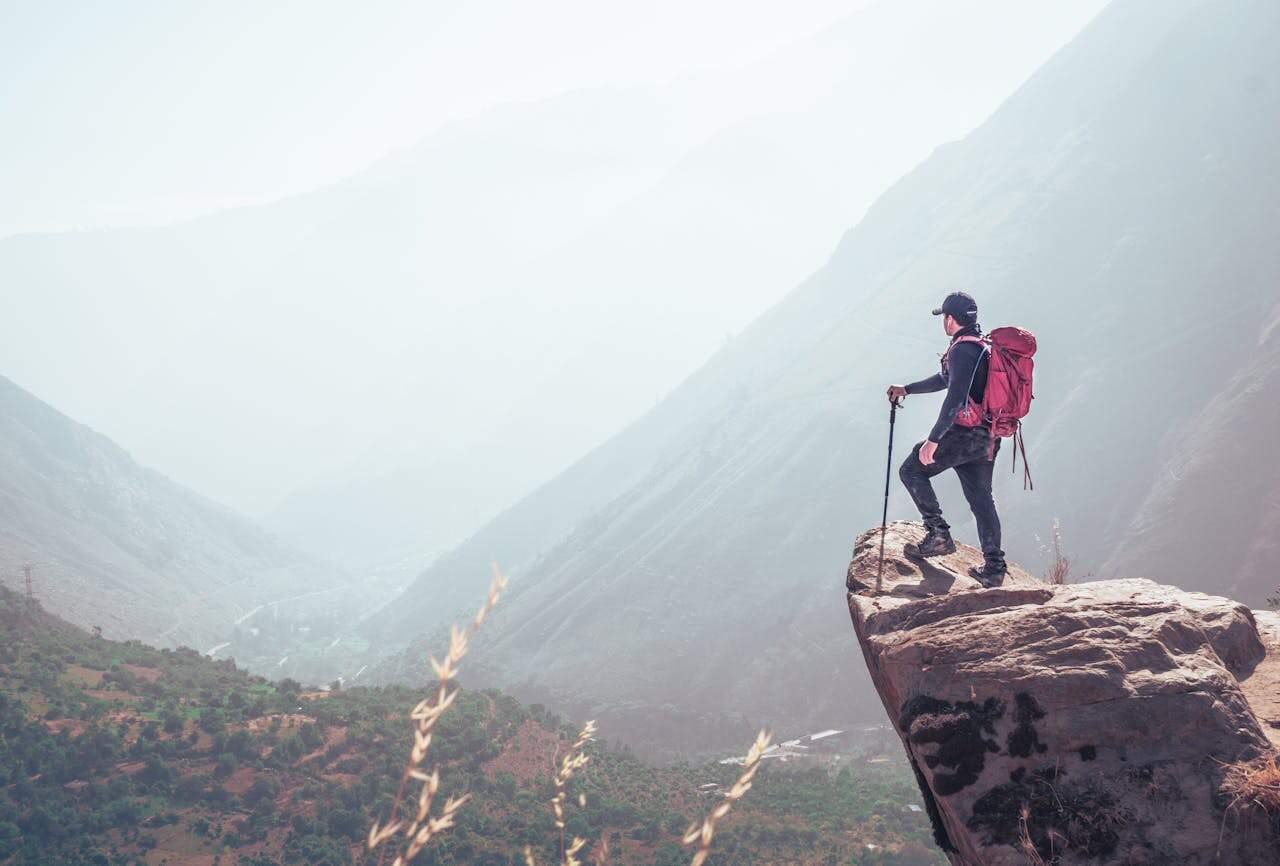
Many travelers attempt to conquer entire countries in days, believing more destinations equal better value. Yet studies suggest people retain stronger memories from slower, immersive experiences. Instead of rushing across Italy in 7 days, spending 3 unhurried days in Florence and 3 in Bologna allows deeper cultural engagement.
Transportation between cities can consume 20% to 30% of short itineraries. Slowing down reduces fatigue, saves transit costs, and increases spontaneous discoveries. Travel satisfaction often rises when itineraries shrink and curiosity expands.
5. Solo Travel Means Feeling Lonely
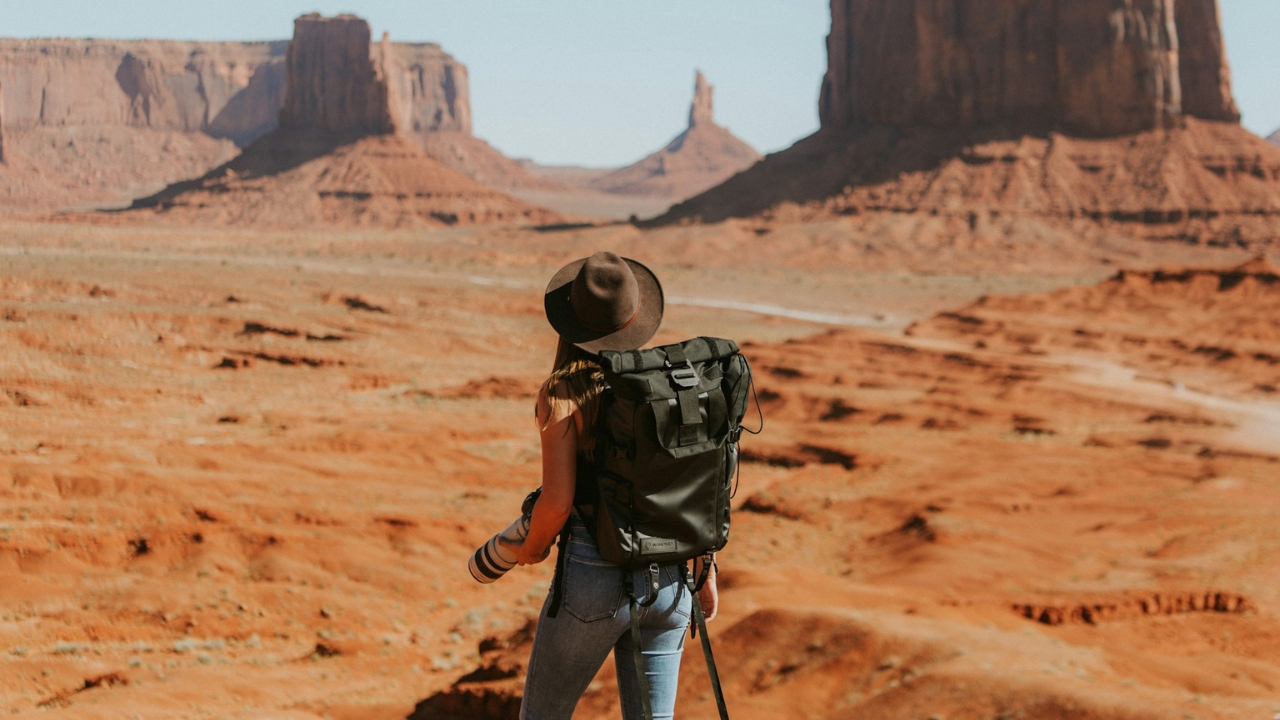
Traveling alone sounds isolating until you try it. In fact, solo travel bookings have grown by over 40% in the past decade. Popular hubs like Lisbon and Bali are filled with group tours, shared accommodations, and social events designed for independent explorers.
Hostels frequently organize daily outings, cooking nights, and walking tours costing under $25. When you travel solo, you naturally engage more with locals and fellow travelers. Many report forming friendships within 24 hours. Independence does not create isolation; it often sparks deeper human connection.
6. There Will Always Be a Better Time Later
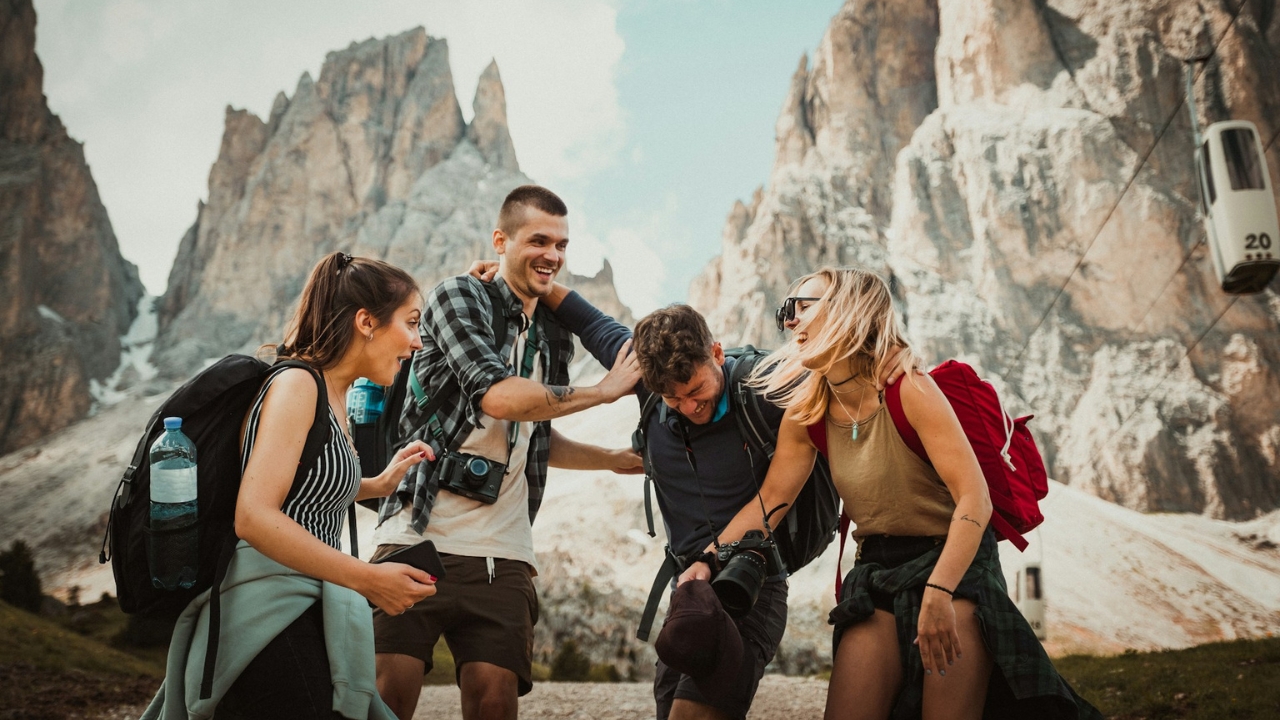
Waiting for the perfect season of life feels responsible, yet delays accumulate quickly. Exchange rates shift, visa rules change, and personal commitments grow. Before 2020, global tourism contributed nearly 10% of worldwide GDP, proving how dynamic and interconnected travel truly is. Moments are rarely static.
Walking beside the Seine in Paris or witnessing the sunrise at Machu Picchu depends on timing you control. Surveys reveal that over 70% of retirees wish they had traveled more earlier in life. “Someday” feels safe, but action creates memories while circumstances still allow flexibility.