We may earn money or products from the companies mentioned in this post. This means if you click on the link and purchase the item, I will receive a small commission at no extra cost to you ... you're just helping re-supply our family's travel fund.
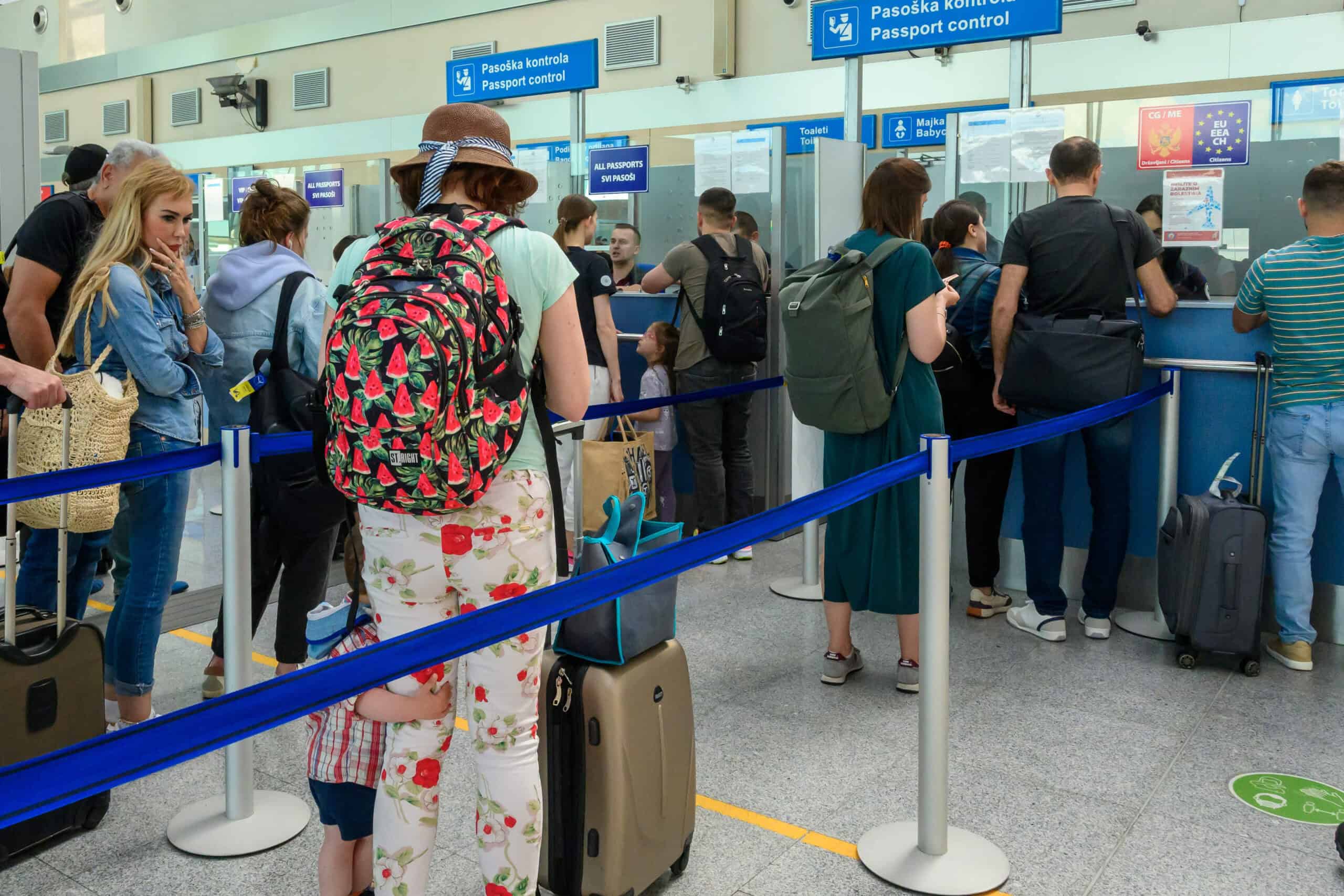
Airport style gets judged less on taste than on friction. By the time travelers reach security, coffee lines, gate areas, and crowded moving walkways, most people are too tired to care whether an outfit is trendy. What they notice is whether it floods the air with fragrance, sets off alarms, blocks sightlines, or turns a simple checkpoint moment into a slow public bottleneck. TSA guidance and airline rules point to the same basic truth: the best airport outfit is not the loudest one. It is the one that moves cleanly through a shared, tired, tightly packed space.
Heavy Clouds Of Perfume Or Cologne

Strong fragrance is one of the fastest ways to make a terminal feel smaller than it already is. Airports are full of close lines, sealed waiting areas, and travelers running on too little sleep, which means a scent that felt subtle at home can land as sharp, stale, or headache-inducing in public. American Airlines explicitly tells passengers to be respectful that their odor is not offensive, and that captures the whole issue better than most etiquette advice ever could. Scent travels farther in tired spaces, and not everyone trapped beside it gets a choice.
Metal-Heavy Belts And Giant Buckles

Big buckles, chain belts, and metal-loaded waistbands create more trouble than style payoff once security enters the picture. TSA says travelers in standard screening generally still remove belts and light jackets, which means elaborate belts do not just affect the person wearing them. They slow the tray shuffle, create fidgeting at the scanner, and turn a basic checkpoint into one more tiny traffic jam for everyone waiting behind. In a place where dozens of people are already trying to move in rhythm, complicated hardware rarely feels cool for long.
Stacks Of Bangles, Chains, And Extra Metal Jewelry

Jewelry is not a problem by itself. The trouble starts when an outfit arrives at the checkpoint sounding like a drawer being opened. Layered necklaces, chunky cuffs, jangling bracelets, and extra metal details can make the line feel louder and slower, especially when they need to be adjusted, untangled, or dropped into bins at the last second. TSA also notes that certain metal body piercings can cause the machines to alarm and may require additional screening. That is the part fellow passengers notice most: the delay that was avoidable before the ride to the airport even began.
Bare Feet Or Sock-Only Walks Through The Terminal
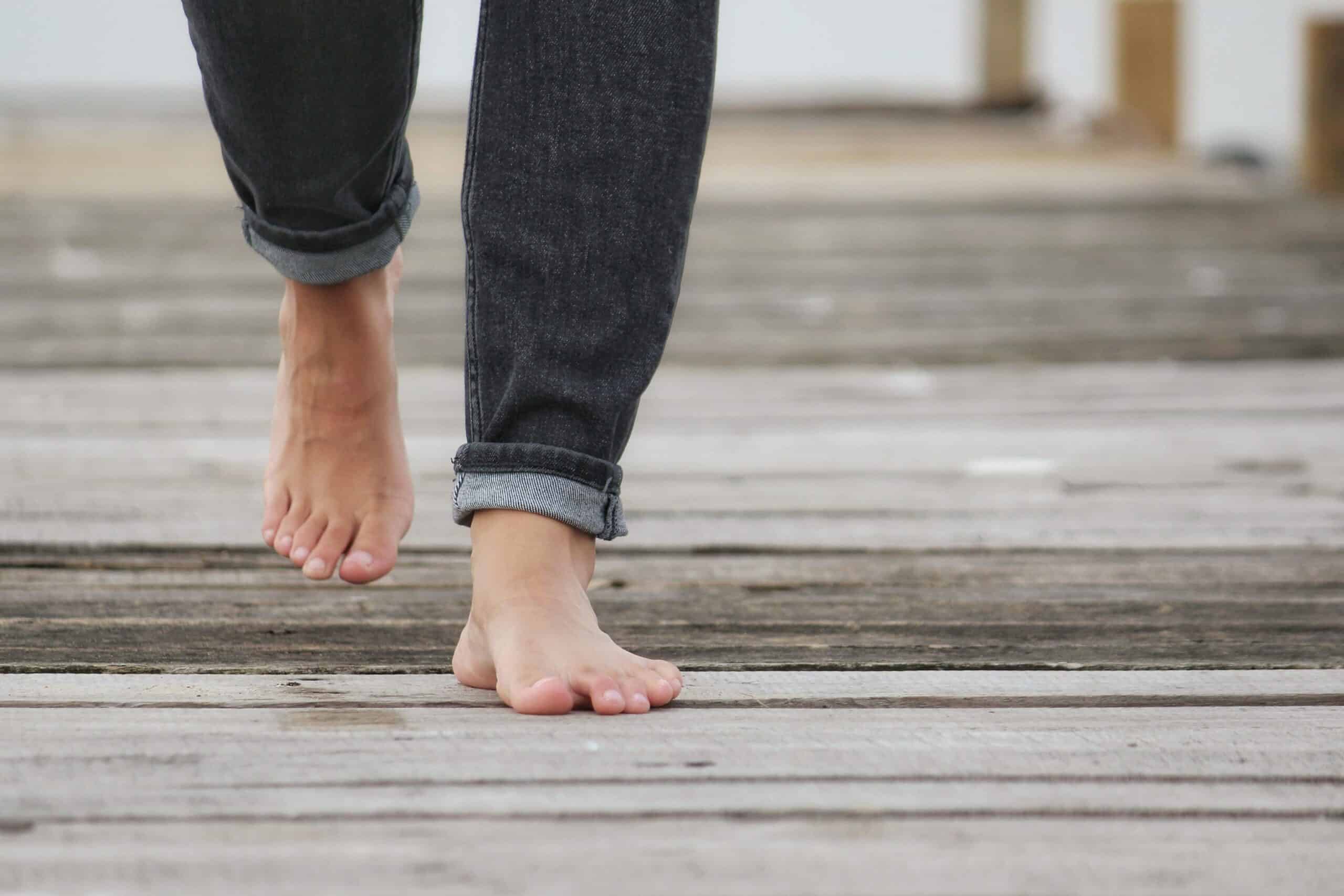
Few airport habits unsettle people faster than bare feet in shared public space. It reads as careless, unhygienic, and strangely intimate in a place built around constant turnover. Airline policies back that up more than some travelers realize. American Airlines says bare feet are not allowed, and Southwest’s contract of carriage also bars barefoot passengers older than five. Even sock-only wandering near gates can draw the same reaction, because airport floors collect exactly the kind of grime most people would rather not picture while standing in line for breakfast at 6:40 a.m.
Oversized Hats That Block The World Behind Them

Wide brims, towering structured hats, and dramatic headwear can look striking in an empty mirror and deeply inconvenient in a packed gate area. Airport seating is tight, sightlines are short, and people are constantly scanning monitors, boarding zones, and overhead signs while trying not to miss an announcement. A hat that spills into the seat beside it or blocks half a row’s view of the screen turns personal style into a shared annoyance. The issue is not flair. It is geometry. In crowded public space, an outfit that claims more air than one body needs usually starts irritating people fast.
Bulky Coats And Too Many Layers In Security Lines

A thick coat is reasonable in winter. Leaving it on until the very last second in a packed security queue is where the mood starts to change. TSA says light jackets and outerwear generally need to come off in screening, so bulky layers that require awkward peeling, pocket-emptying, and last-minute tray rearranging slow everybody else’s momentum too. What bothers passengers is not warmth. It is the little performance that happens when someone reaches the scanner still bundled like they forgot where they were headed. Airports reward outfits that are easy to subtract from, not outfits that turn undressing into a scene.