We may earn money or products from the companies mentioned in this post. This means if you click on the link and purchase the item, I will receive a small commission at no extra cost to you ... you're just helping re-supply our family's travel fund.
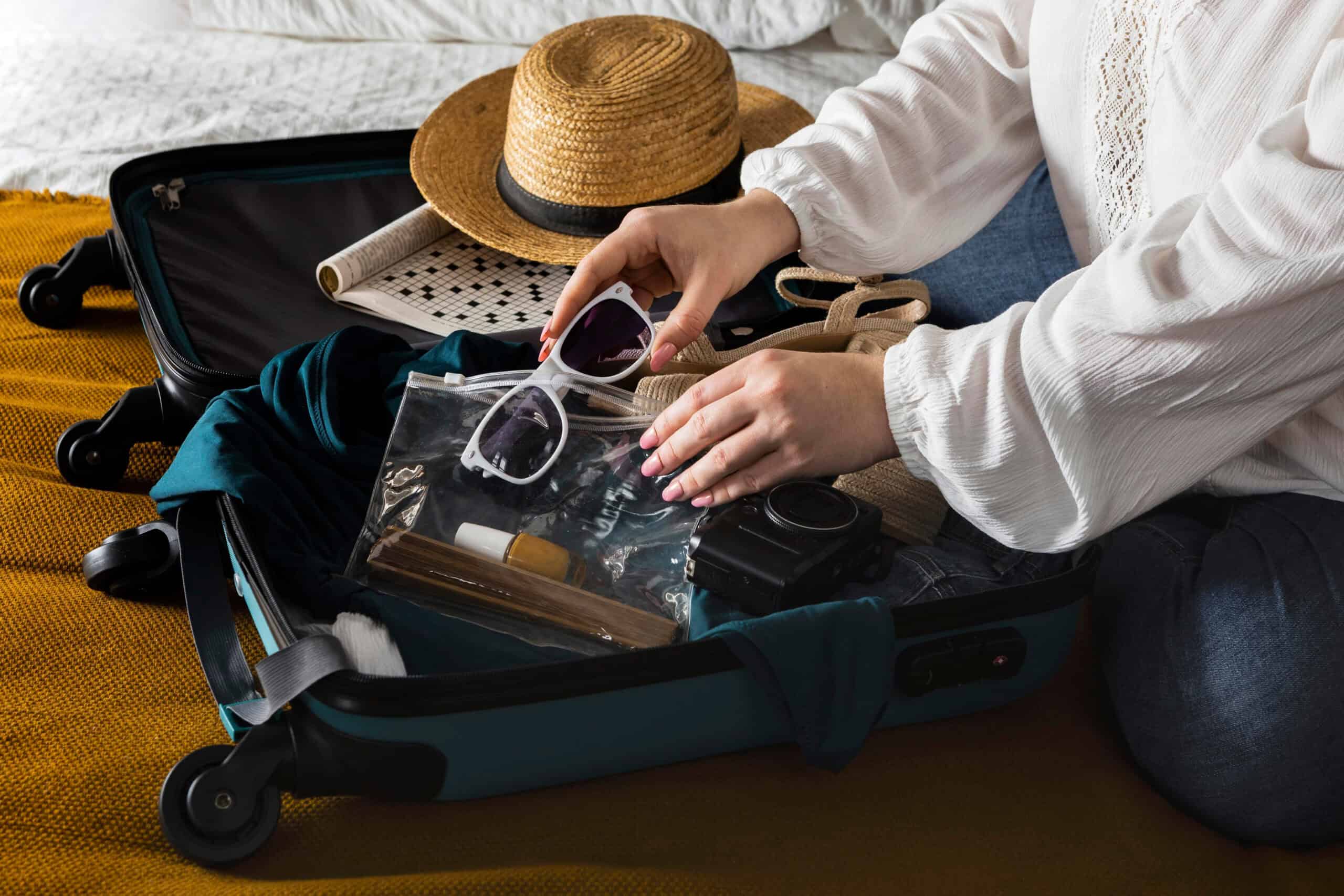
A frequent flier rarely packs for the perfect travel day. The real skill is packing for the version that runs late, gets gate-checked, turns cold at 35,000 feet, or lands with a dead phone and no patience left. The smartest plane essentials are not glamorous. They are the small things that keep a traveler functional, calm, and one step ahead of the airport’s little failures. Some also matter because TSA and FAA rules make them safer, easier, or simply smarter to keep in the cabin instead of anywhere else.
An Acceptable ID And A Backup Copy
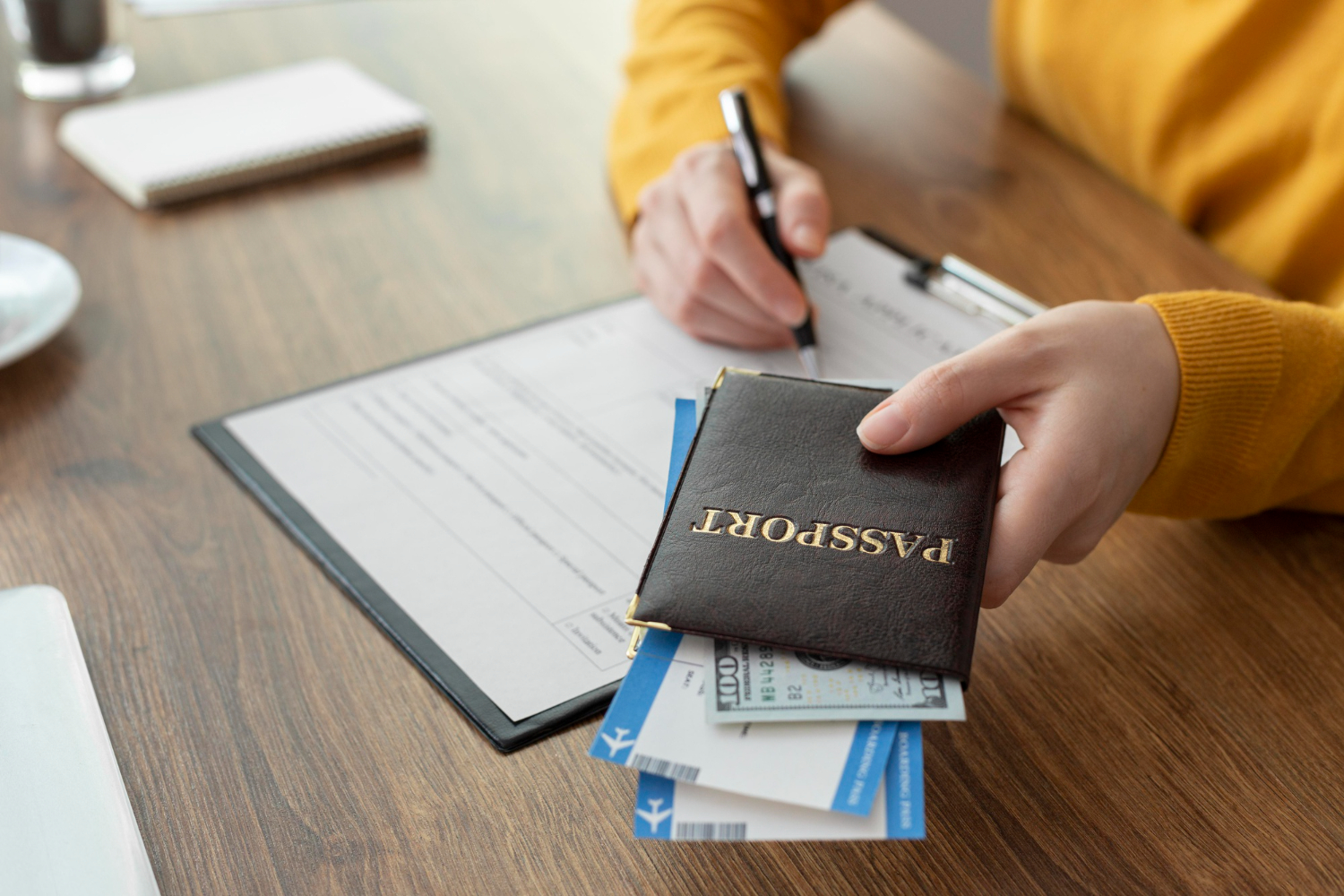
A frequent flier treats identification like the one item that cannot be improvised at the airport. TSA still requires an acceptable form of ID at the checkpoint, and while Digital ID is now available at more than 250 airports, TSA also says travelers should still bring their physical ID. That makes a simple backup habit worth keeping: a photo or paper copy of a passport, visa, or driver’s license tucked in a separate pocket can soften a stressful moment if a wallet goes missing or a phone battery dies at exactly the wrong time.
Prescription Medications, Not In Checked Luggage
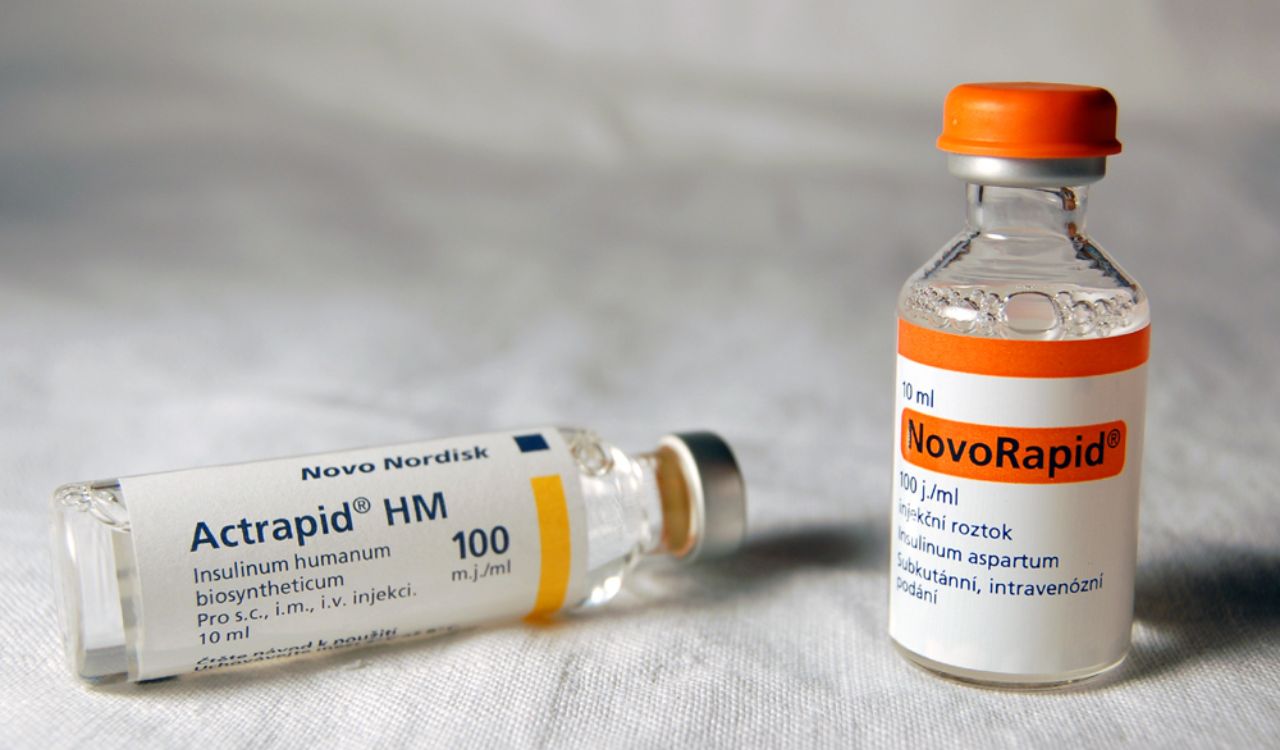
Experienced travelers almost never trust checked baggage with anything medically important. TSA allows medications in carry-on bags, including medically necessary liquids in quantities larger than 3.4 ounces, as long as they are declared for screening. That makes the logic pretty simple: if a flight is delayed, a bag is lost, or a connection turns messy, the traveler who kept prescriptions, pain relief, and any must-have medical items within reach is the one still operating normally while everyone else starts hunting for a pharmacy in an unfamiliar terminal.
A Fully Charged Phone With Key Details Downloaded
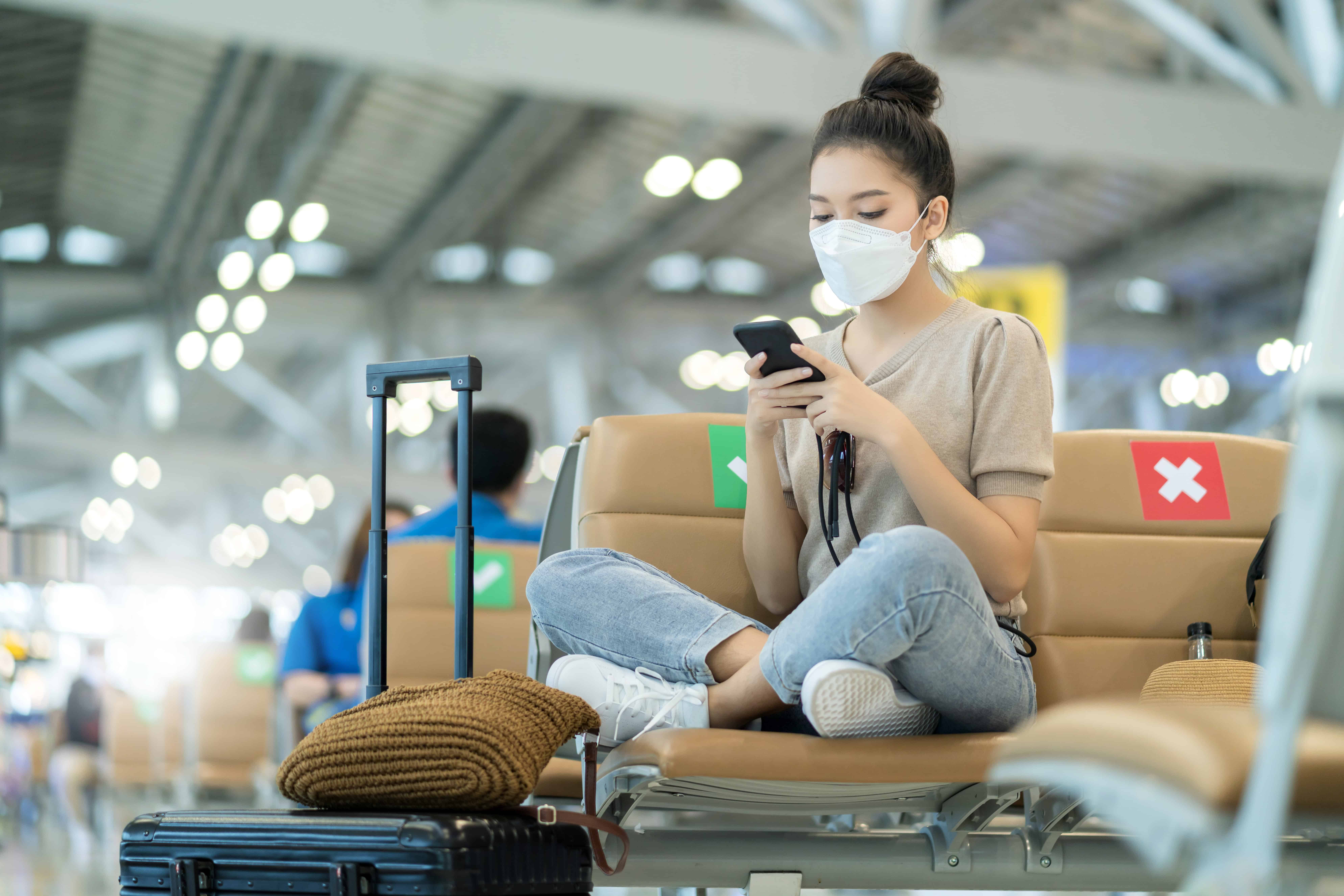
A phone has quietly become half the modern travel kit. It carries boarding passes, hotel confirmations, maps, rides, messages, and increasingly even identity tools at airports using Digital ID. TSA also notes that officers may ask passengers to power up electronic devices, and powerless devices may not be permitted onboard. That is why frequent fliers board with the essentials already downloaded, not just visible in an app. A dead signal is annoying, but a dead battery at security or right after landing can turn a routine travel day into a completely avoidable mess.
A Power Bank And Charging Cable
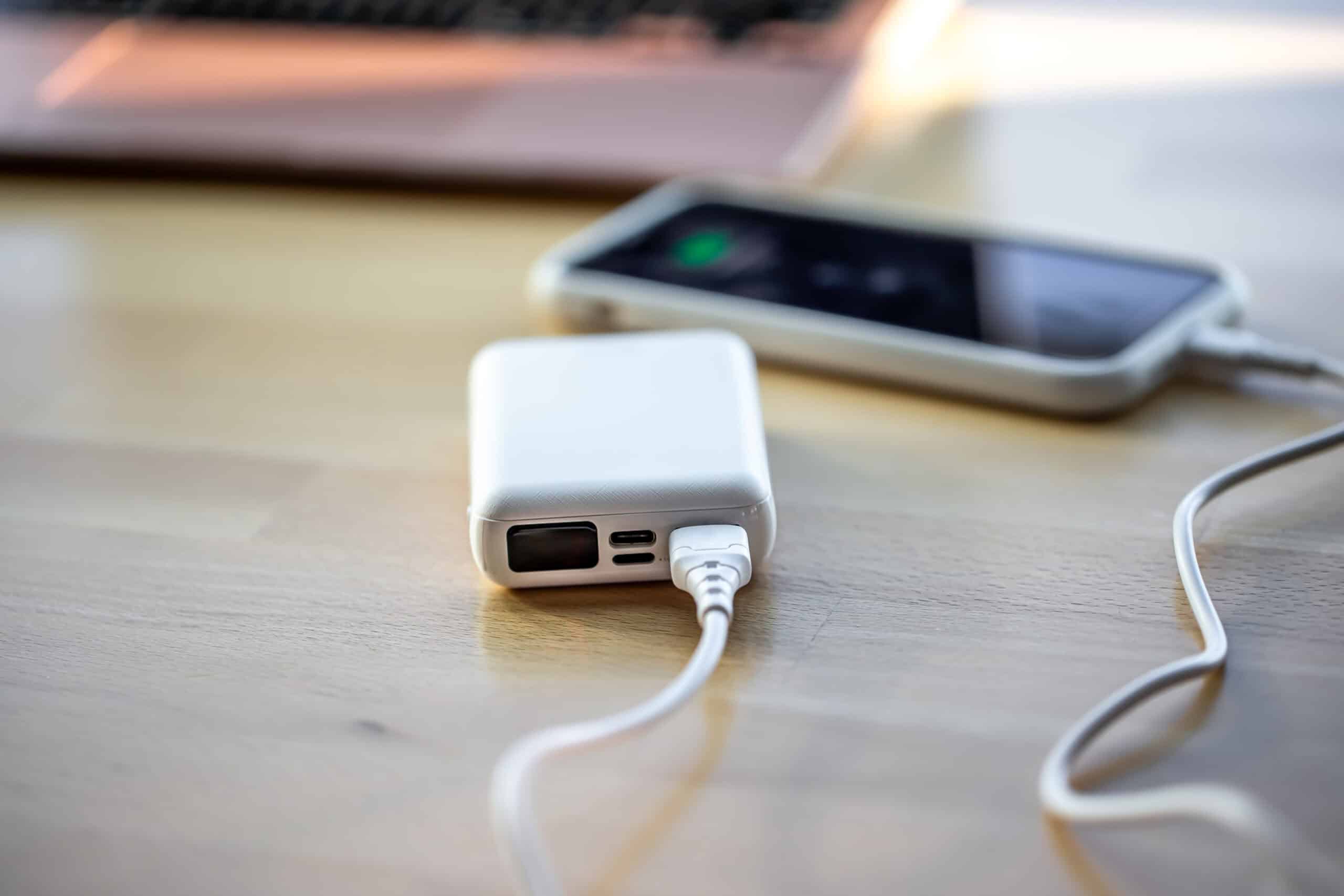
This is the item that earns its space every time a delay stretches longer than expected. FAA guidance is clear that spare lithium batteries and power banks belong in carry-on baggage only, not checked luggage, and if a carry-on bag gets checked at the gate, those batteries have to come out and stay in the cabin. A frequent flier knows the practical side of that rule, too: gate-area outlets are never guaranteed, airport seats are rarely near them, and a low phone battery can feel minor until the moment a gate change, hotel check-in, or train ticket depends on it.
An Empty Reusable Water Bottle

Few things feel more amateur than paying airport prices for water after forgetting the simplest workaround. TSA allows empty water bottles through security, and travelers can fill them once they are past the checkpoint. That makes a reusable bottle one of the easiest plane essentials to justify. It saves money, helps on long flights and delays, and quietly makes the trip feel more manageable from the start. A frequent flier learns fast that comfort is often less about luxury than about removing the tiny irritations that pile up by the second gate announcement.
Solid Snacks That Actually Travel Well
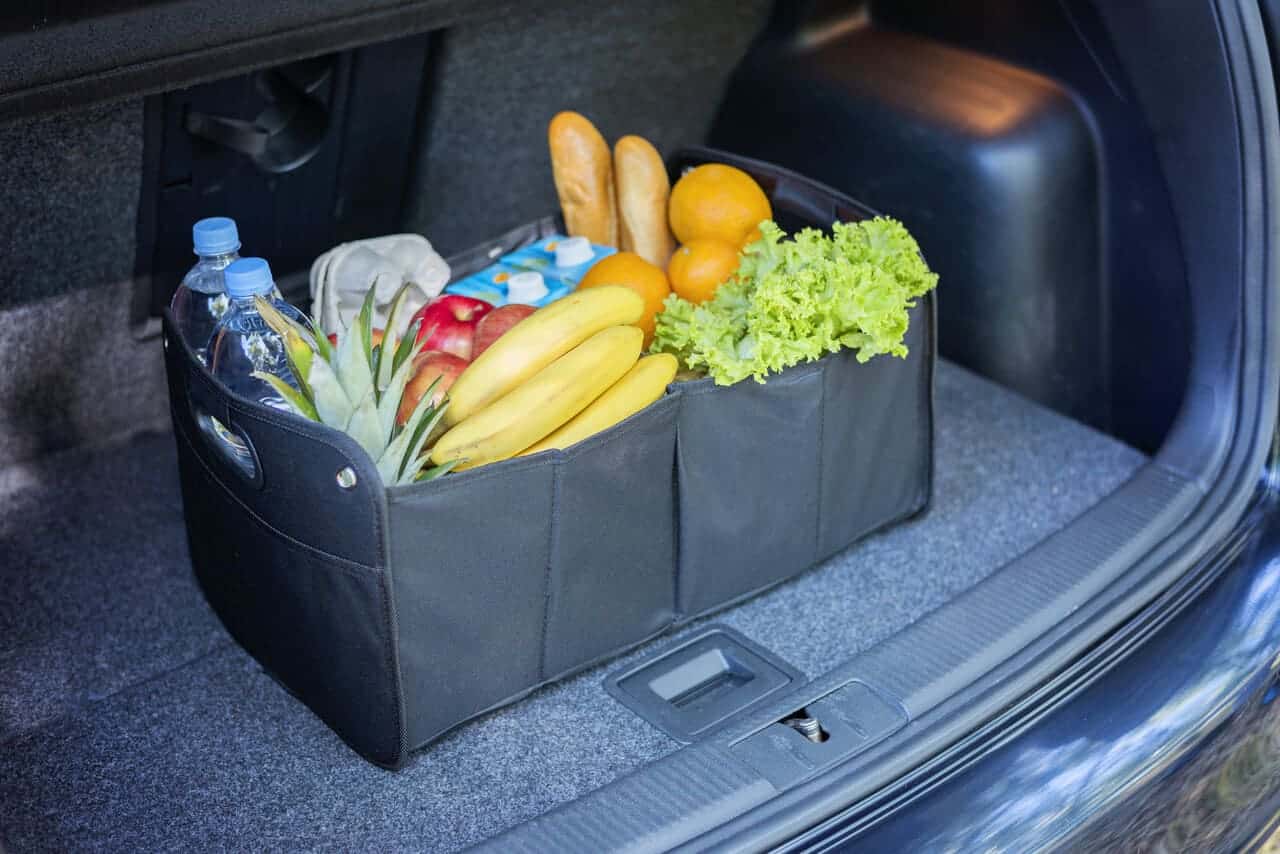
Airport food is inconsistent, delays are common, and not every connection leaves time for a decent meal. TSA allows solid food in both carry-on and checked bags, which is why seasoned travelers usually keep something simple and reliable close by: nuts, crackers, a sandwich, or a protein bar that will not melt into a problem. The best in-flight snack is not the most exciting one. It is the one that still tastes fine after sitting in a bag for six hours and can quietly bridge the gap between a missed meal and a late arrival without making the whole trip feel harder.