We may earn money or products from the companies mentioned in this post. This means if you click on the link and purchase the item, I will receive a small commission at no extra cost to you ... you're just helping re-supply our family's travel fund.

On cold nights, idling can feel like part of the routine: heaters running, music low, headlights washing over snowbanks while crowds drift toward the lift. Across the U.S., that comfort is colliding with stricter anti-idling rules and sharper penalties, and enforcement is reaching the places where cars and shuttles wait the longest. What used to be a harmless warm-up is becoming a budget line item, a signage problem, and a logistics puzzle for resort towns trying to keep traffic flowing and air clear.
New Jersey Turns Three Minutes Into a Ticket
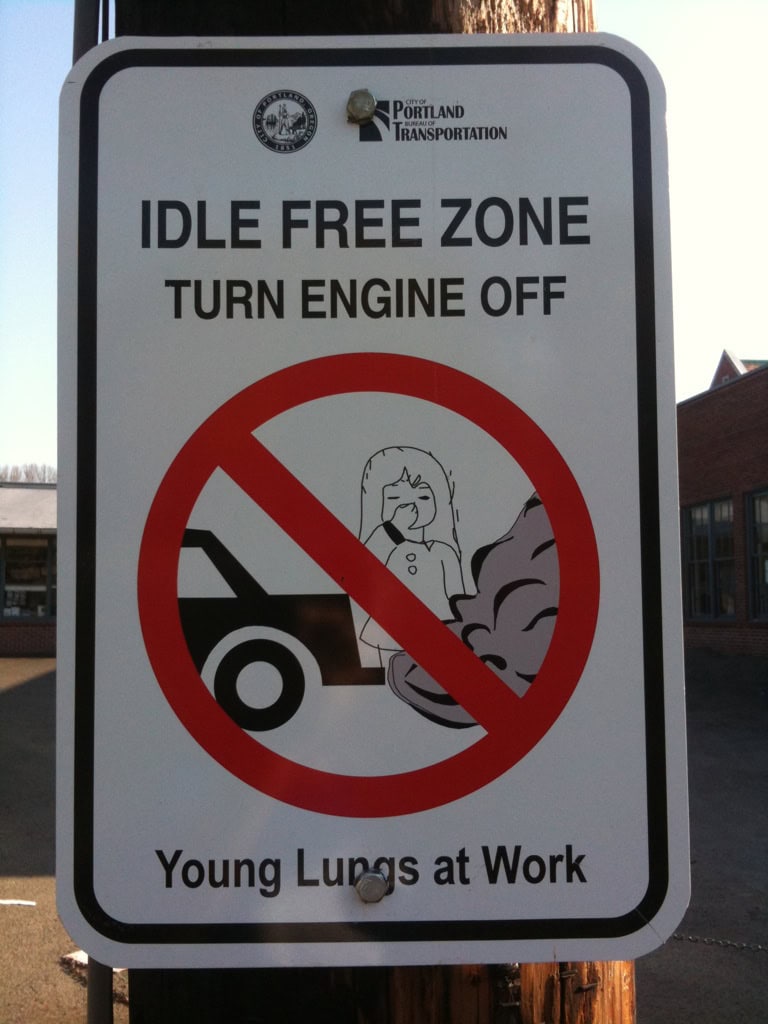
New Jersey caps gasoline and diesel idling at 3 minutes, treating a running engine in a parked vehicle as a ticketable choice, with only narrow exceptions. Verified violations bring escalating penalties: $250 for a first offense, $500 for a second, and $1,000 for a third and each later offense, and enforcement can follow a verified complaint. Complaints can trigger investigations, and citations may reach both the registered owner and the property owner where the idling happens, which is why resort lots post timers, keep shuttle loops moving, and ask drivers to shut down while waiting.
Massachusetts Keeps the Five-Minute Rule

Massachusetts keeps it simple: when a vehicle is stopped, unnecessary idling past 5 minutes crosses the line, especially in parking lots, curbside check-ins, and school pickup queues where engines pile up. The first penalty is $100, and repeat violations can rise to $500, turning long warm-ups into a real cost instead of a small indulgence, even when the intention is comfort. Ski towns that pair clear signs with quick loading zones, better shuttle timing, and staff directing traffic usually keep the curbside calm and the line moving.
Maryland Puts the Timer in Black and White

Maryland’s rule is written like a stopwatch: letting a motor vehicle’s engine run more than 5 consecutive minutes while the vehicle is not in motion can trigger a fine, even in a quiet parking stall. The state’s fine schedule sets that ticket at $70, which makes lingering with the heater on feel less casual in crowded lots, roadside pull-offs, and school lines that barely creep forward. Around lodges and trailheads, the rule favors small, considerate moves: shut down during long waits, clear windows quickly, and restart when it is time to pull out.
Rhode Island Focuses on Diesel Engines
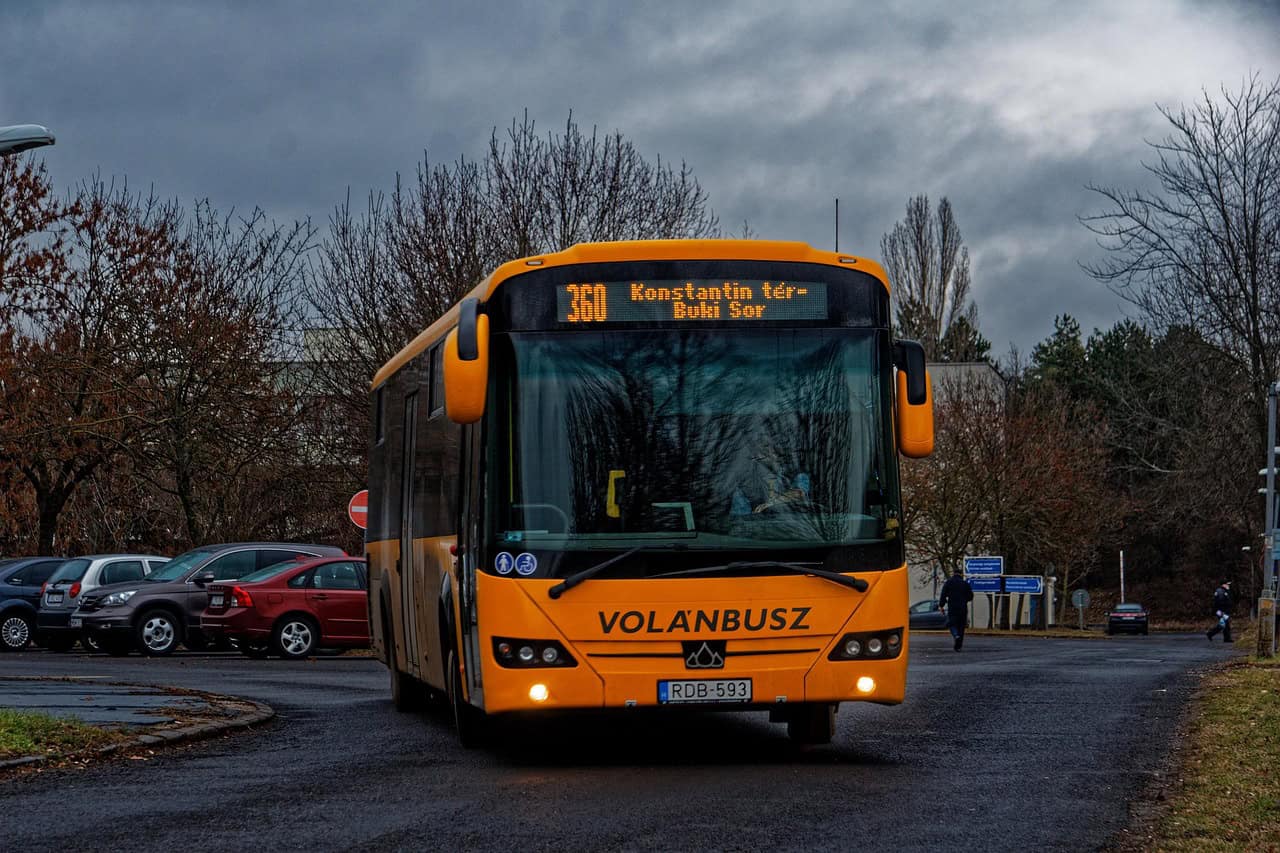
Rhode Island’s diesel anti-idling program limits unnecessary idling to 5 consecutive minutes within any 60-minute period, a rule that catches shuttles and tour buses lingering near entrances and loading bays. The first offense can be fined up to $100, and each succeeding offense up to $500, with penalties also possible for property owners who allow repeated idling on-site. The regulation recognizes exceptions like traffic delays and limited heating or cooling needs, but winter resort staging still runs on discipline, with engines off between runs and loading done quickly.
Delaware Watches Heavy-Duty Vehicles Closely

Delaware targets heavy-duty on-road vehicles over 8,500 pounds, drawing a hard line at 3 consecutive minutes of idling when stationary, a common scenario for coaches and delivery trucks waiting to load. State guidance notes penalties can reach up to $500 per offense, and repeat violations may climb into a $500 to $1,500 range, which adds up quickly for fleets that idle out of habit. For mountain-bound traffic, the practical shift is better planning: load efficiently, keep lines moving, use staging spots, and keep engines off until departure time.
New York Uses Big Fines to Change Behavior
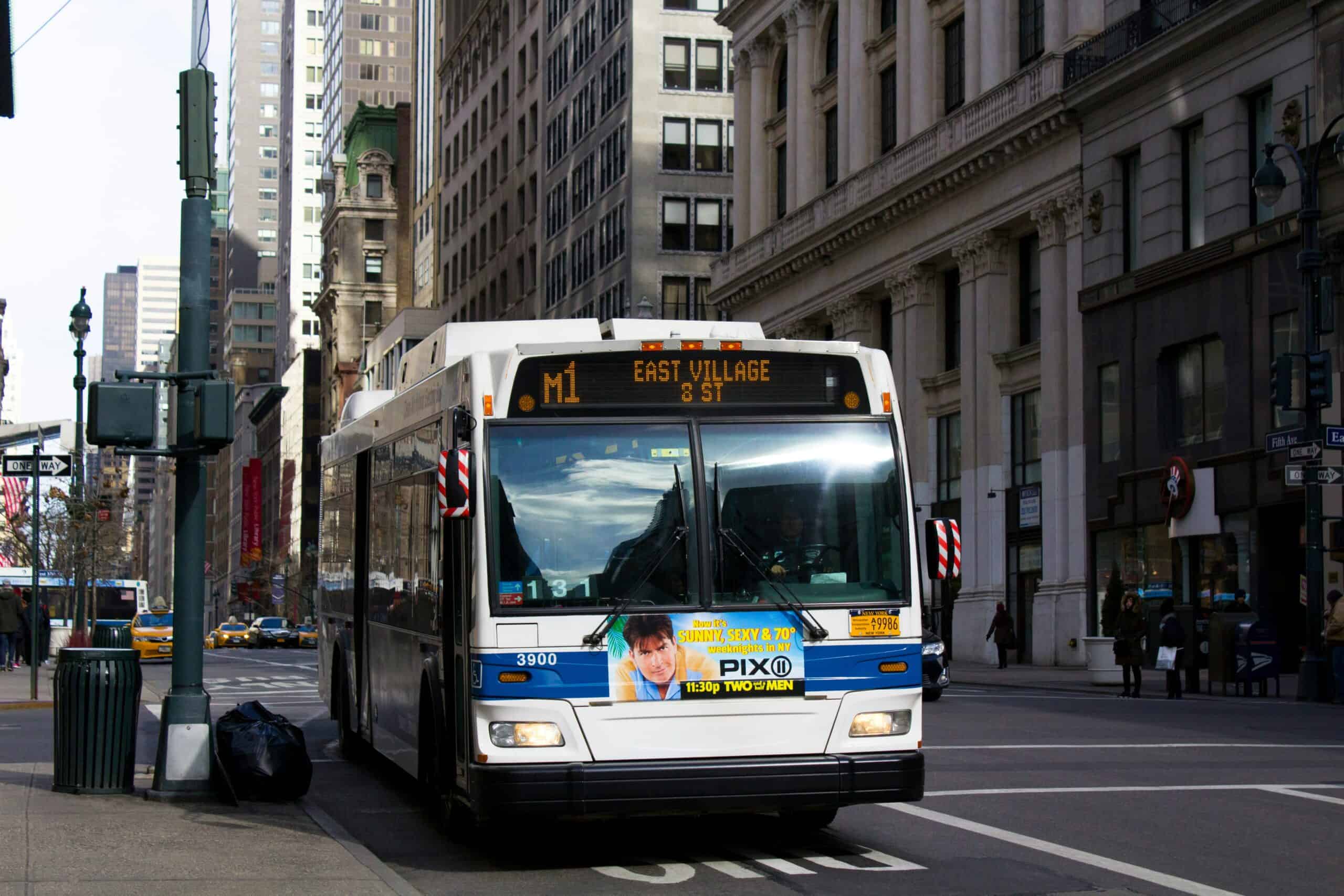
New York’s statewide idling law covers heavy-duty trucks and buses over 8,500 pounds, setting a 5-minute limit enforced by DEC Conservation Officers where vehicles cluster and wait. DEC says fines for a first violation range from $500 to $18,000, which makes idling an operational risk with real budget consequences for operators and vendors. DEC also notes local ordinances can be stricter, so resort towns often tighten expectations around shuttle stops, schools, and downtown curbs, pushing fleets toward timed staging, shorter waits, and quieter loading zones during peak weekends.