We may earn money or products from the companies mentioned in this post. This means if you click on the link and purchase the item, I will receive a small commission at no extra cost to you ... you're just helping re-supply our family's travel fund.
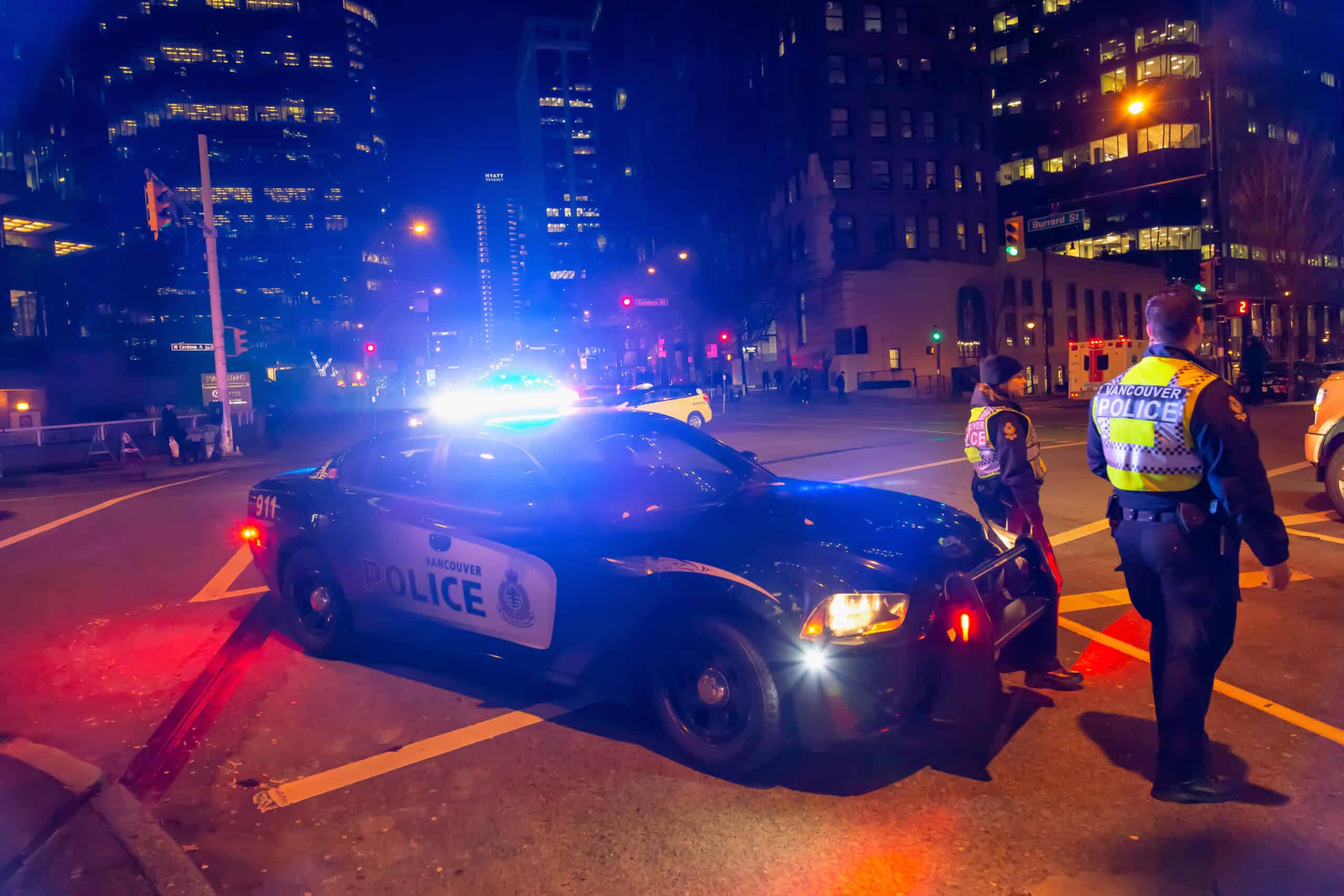
By 2026, conversations about safety in big cities sound less like abstract crime debates and more like anxious clock watching. Residents swap stories about how long it took an officer to arrive after a break-in, a fight, or a frightening noise outside a window. Departments point to retirements, hiring droughts, and overflowing 911 queues. City halls promise reforms while dashboards show creeping delays. In several major metros, people now quietly factor response time into daily decisions about where to live, work, and spend their evenings.
New York City, When A Global City Starts Waiting
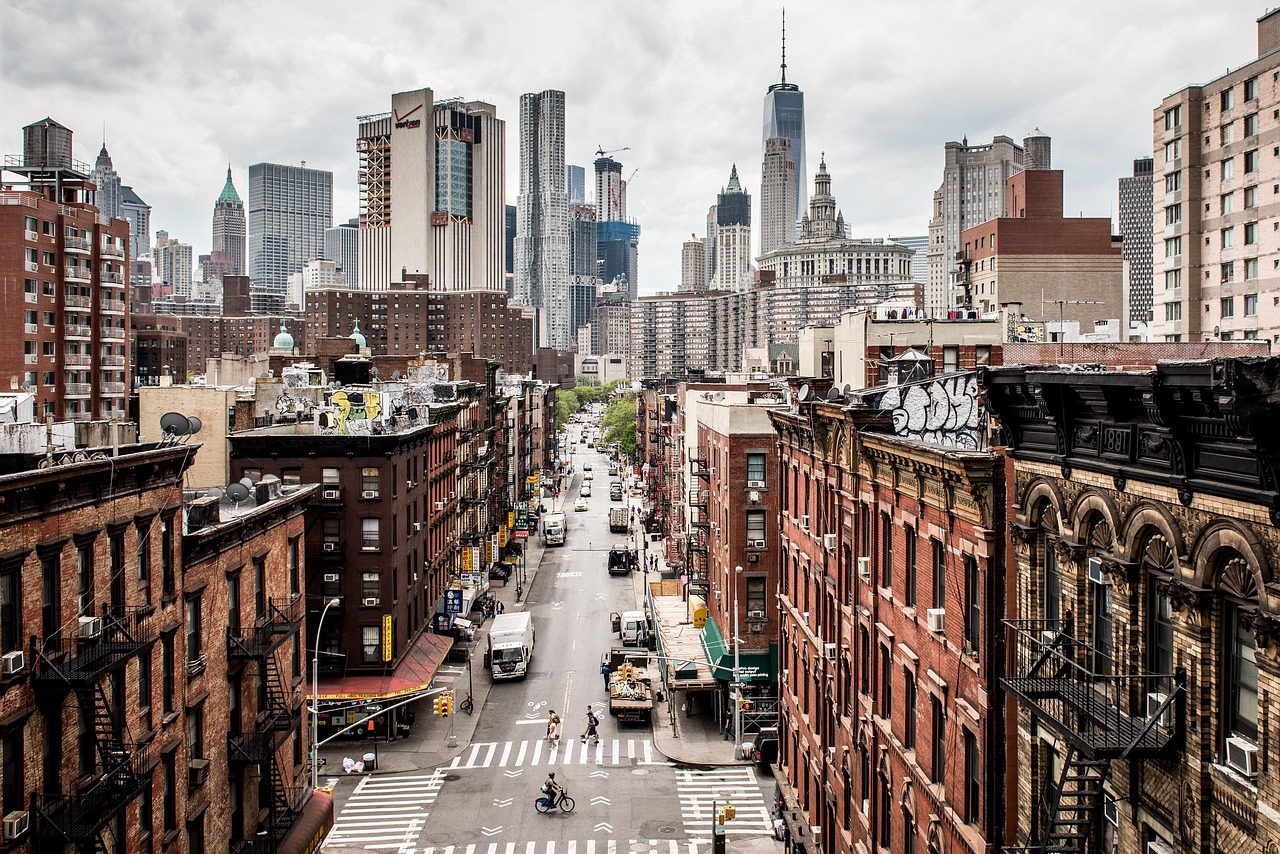
In New York City, many residents have noticed that sirens simply take longer to show up than they remember. Official data backs that up, with average response times for many 911 categories climbing into the mid-teens, and even the most urgent calls stretching longer than anyone likes to admit. Years of shrinking headcount, heavy overtime, and clogged streets all drag on the clock. For families in outer boroughs and public housing, every extra minute reinforces the feeling that help comes fastest to the wealthiest corners first.
Portland, Oregon, Priority Calls Stuck In Slow Motion
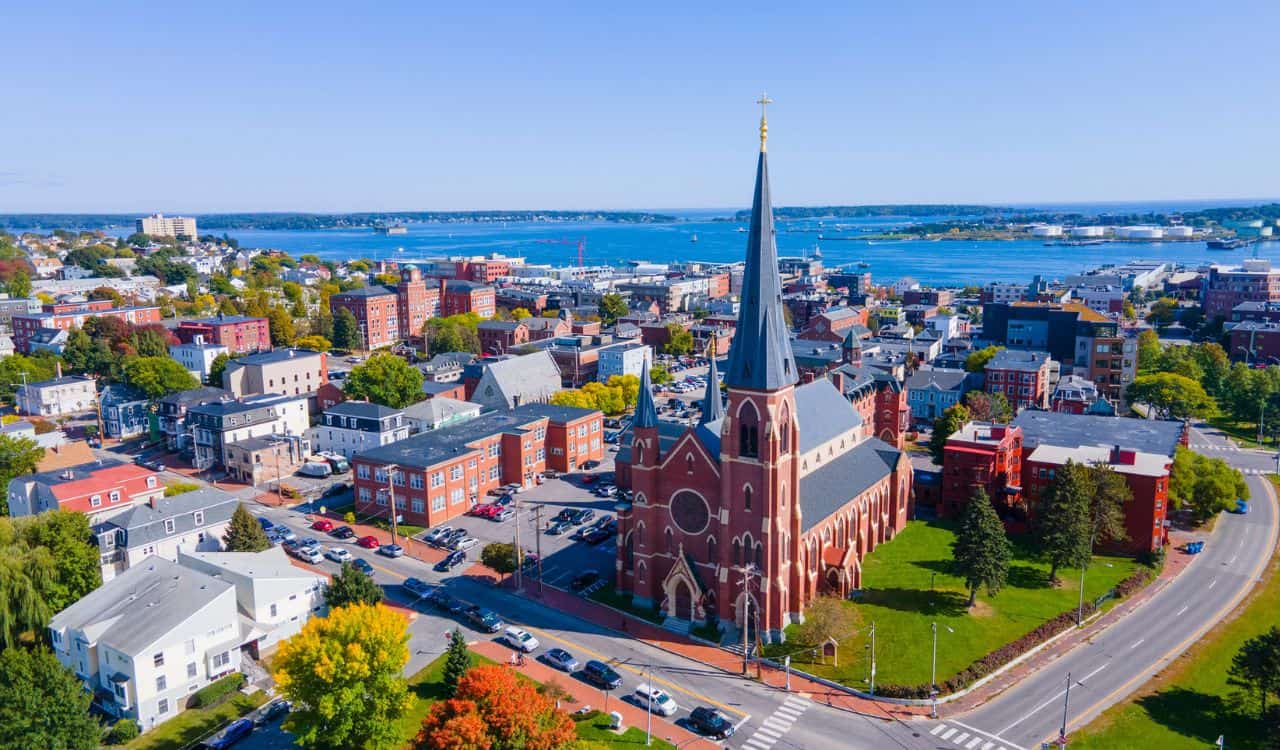
Portland’s emergency timeline tells a stark before-and-after story. A decade ago, high-priority calls often saw officers arriving in well under 10 minutes; now, the averages hover much higher, with some serious incidents waiting 20 minutes or more for a unit. Staffing has not kept pace with retirements, and many officers juggle longer shifts across wider areas. Residents who spent years debating what kind of policing they want now face a more basic question: can anyone get to a dangerous scene quickly enough to matter.
New Orleans, Louisiana, Hours Instead Of Minutes
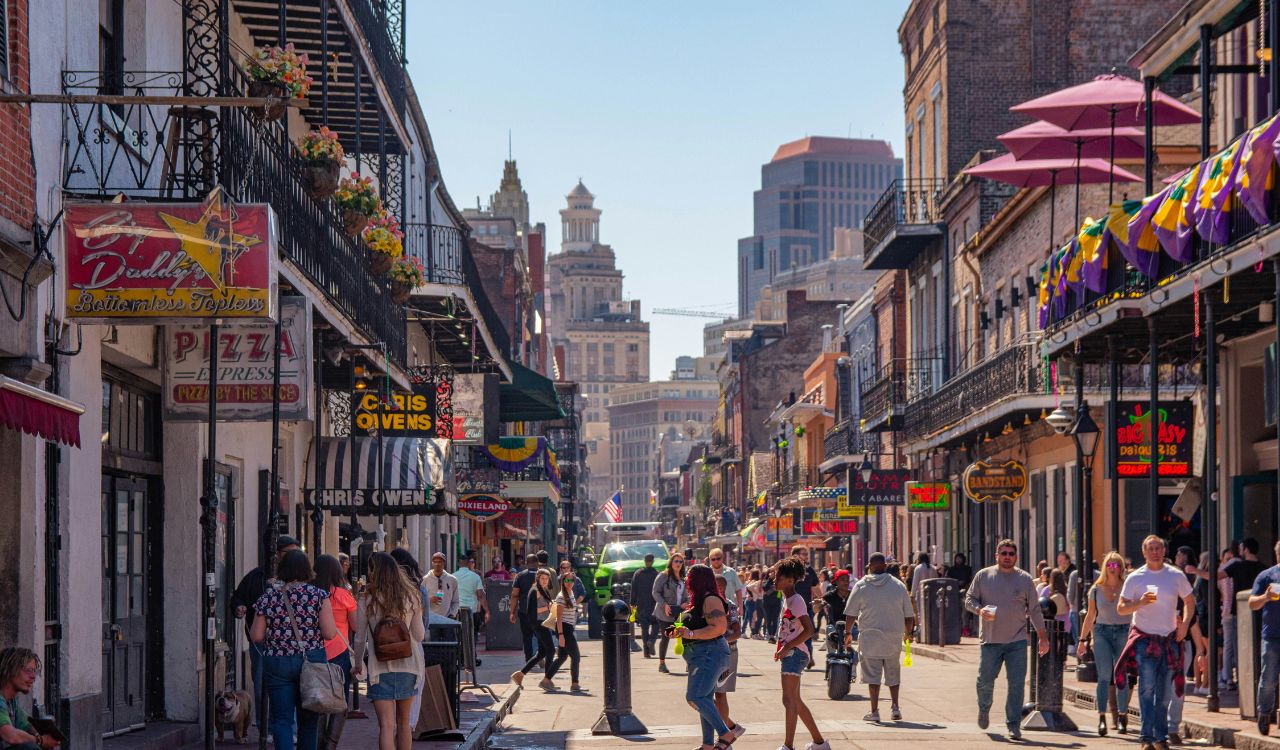
In New Orleans, response time drifted from inconvenience into crisis when routine calls began waiting hours rather than minutes. A force thinned by departures and recruitment woes simply could not cover the volume, leaving lower-priority calls stacked in long queues while officers bounced between shootings, traffic wrecks, and domestic disputes. Even with recent efforts to improve, many neighborhoods still factor in the risk that no one may show up before a situation cools on its own. That reality reshapes how residents lean on neighbors, private patrols, or quiet endurance instead of the phone.
Seattle, Washington, Fast For Some, A Long Wait For Others
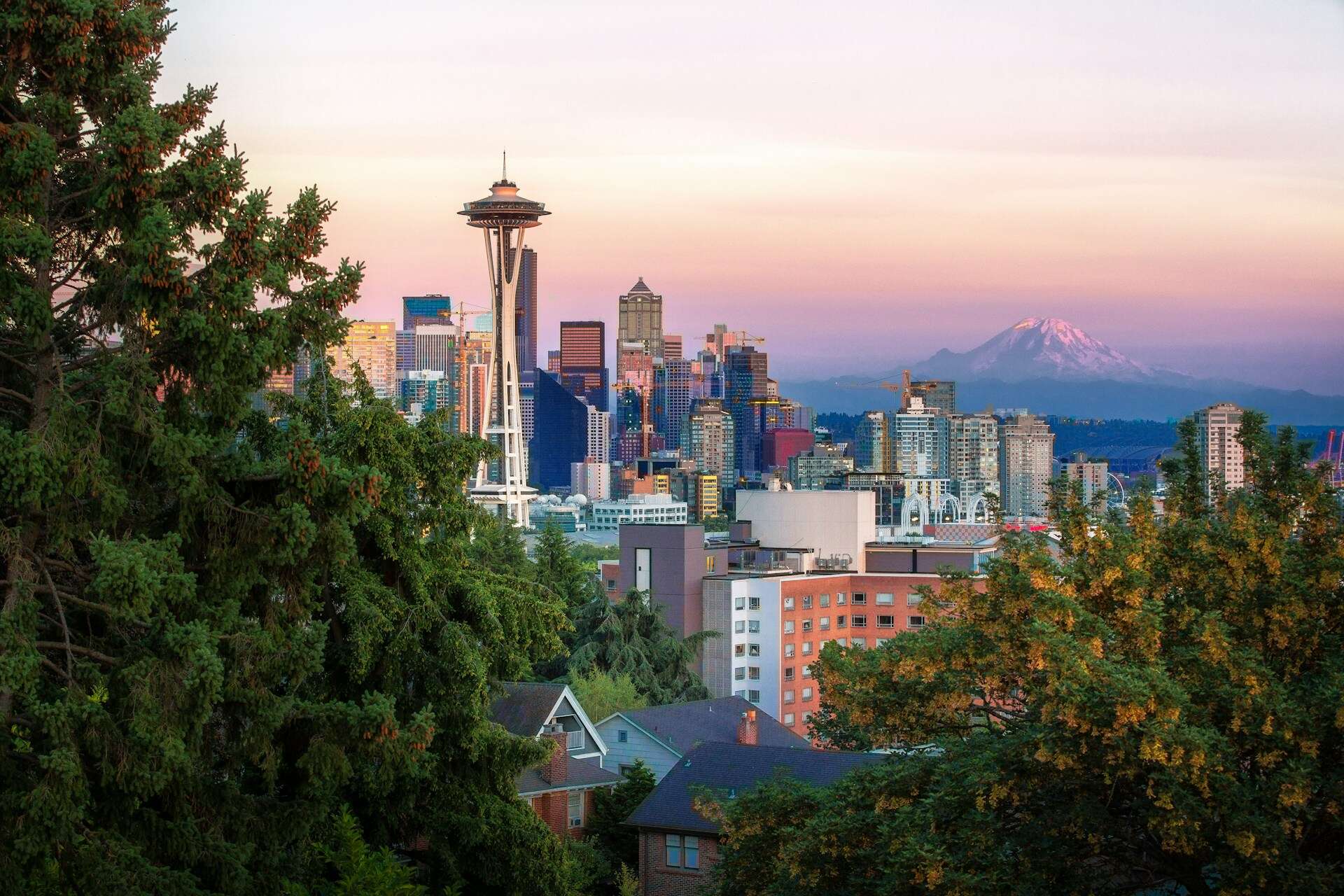
Seattle’s numbers create a layered picture. For the very highest priority calls, response still looks decent on paper, though slower than city leaders would like. Just one rung down, waits can stretch well past half an hour, especially during busy evenings or major events. The department has leaned into alternative crisis teams to handle non-violent calls in hopes of freeing officers for emergencies. On the ground, that experiment feels mixed. Some people welcome new responders. Others notice only that a burglar or aggressive driver is long gone by the time any official car arrives.
Minneapolis, Minnesota, Strain After Upheaval
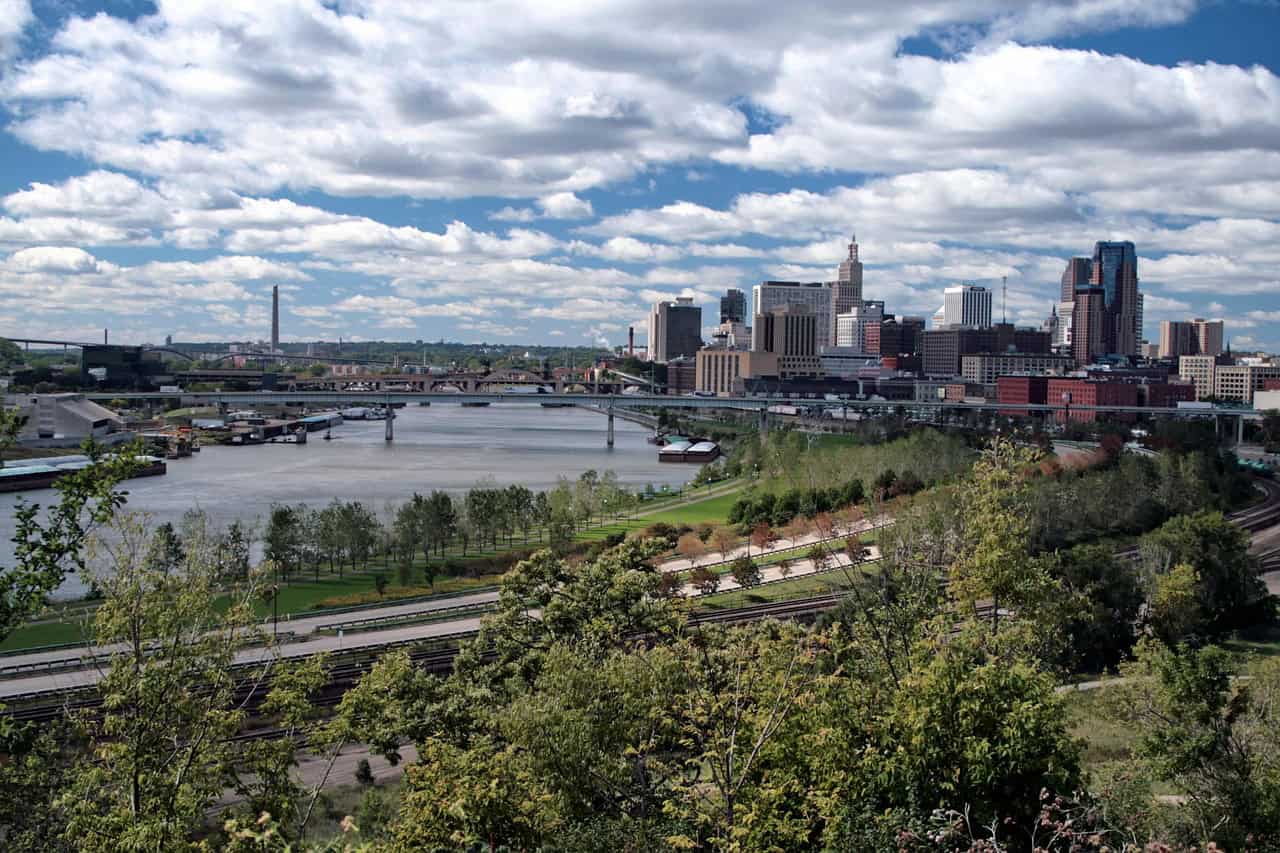
Minneapolis has spent years in the national spotlight, and the strain shows up plainly in the clock. As officers left and precinct lines were redrawn, average response times for high-priority incidents rose across several districts. Residents already wrestling with trust and accountability now face the added weight of slower help, especially in areas that saw the heaviest unrest and property damage. New safety programs and unarmed responders may eventually ease the pressure, but for many callers, the lived experience is simple and blunt: hold the line, give details, and then wait longer than feels safe.
Los Angeles, California, Big Geography, Bigger Delays
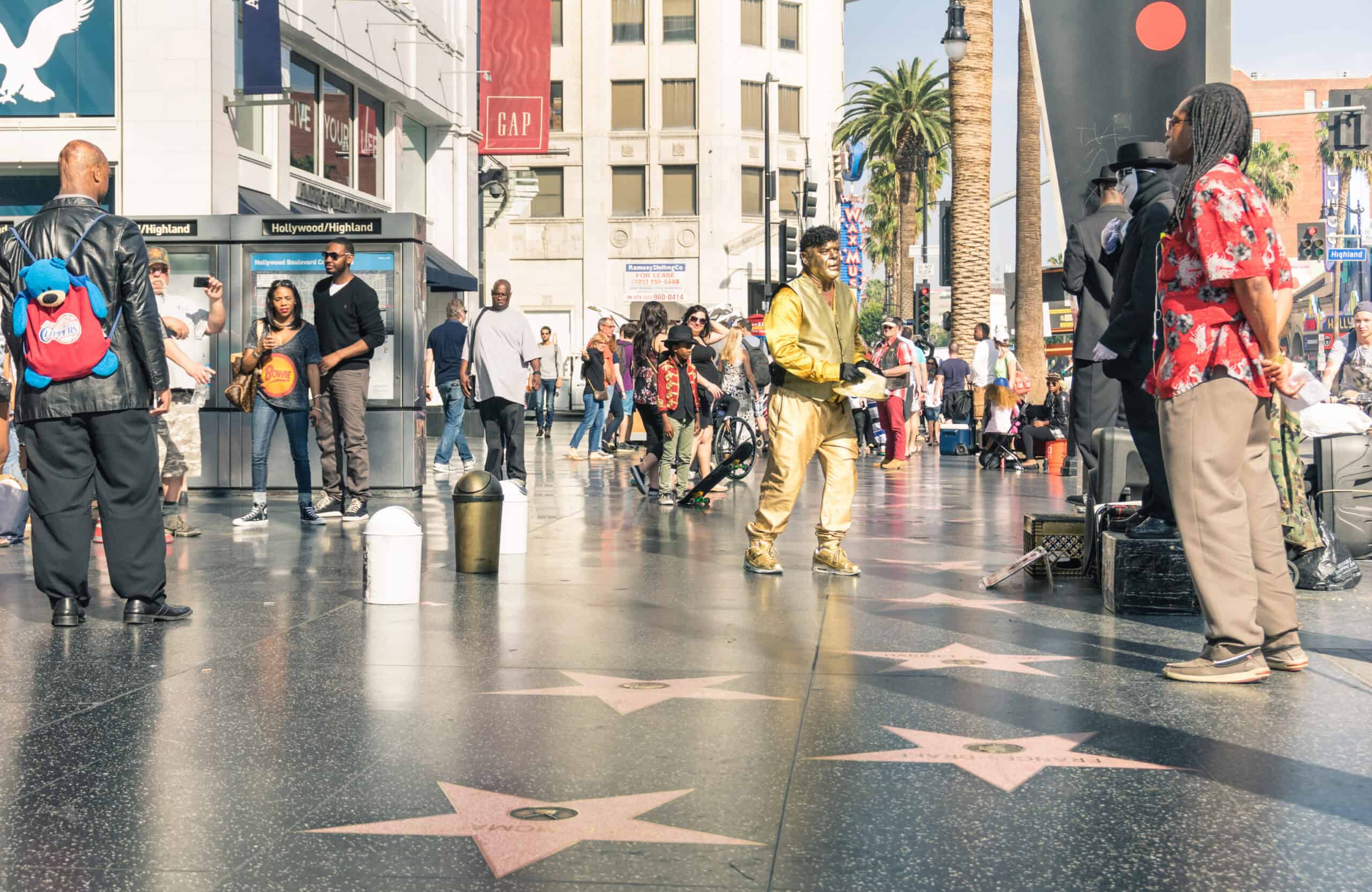
Los Angeles combines vast geography, dense traffic, and a complicated 911 system that has struggled to keep pace with demand. Analyses have found average response times among the slowest in the country, with delays starting before an officer is even dispatched because call centers are short on trained staff. Once a unit is finally assigned, distance and congestion stretch the journey further. For shop owners, tenants, and commuters, that lag turns every decision to dial 911 into a small calculation about whether help will arrive in time to prevent anything, or simply file a report.