We may earn money or products from the companies mentioned in this post. This means if you click on the link and purchase the item, I will receive a small commission at no extra cost to you ... you're just helping re-supply our family's travel fund.
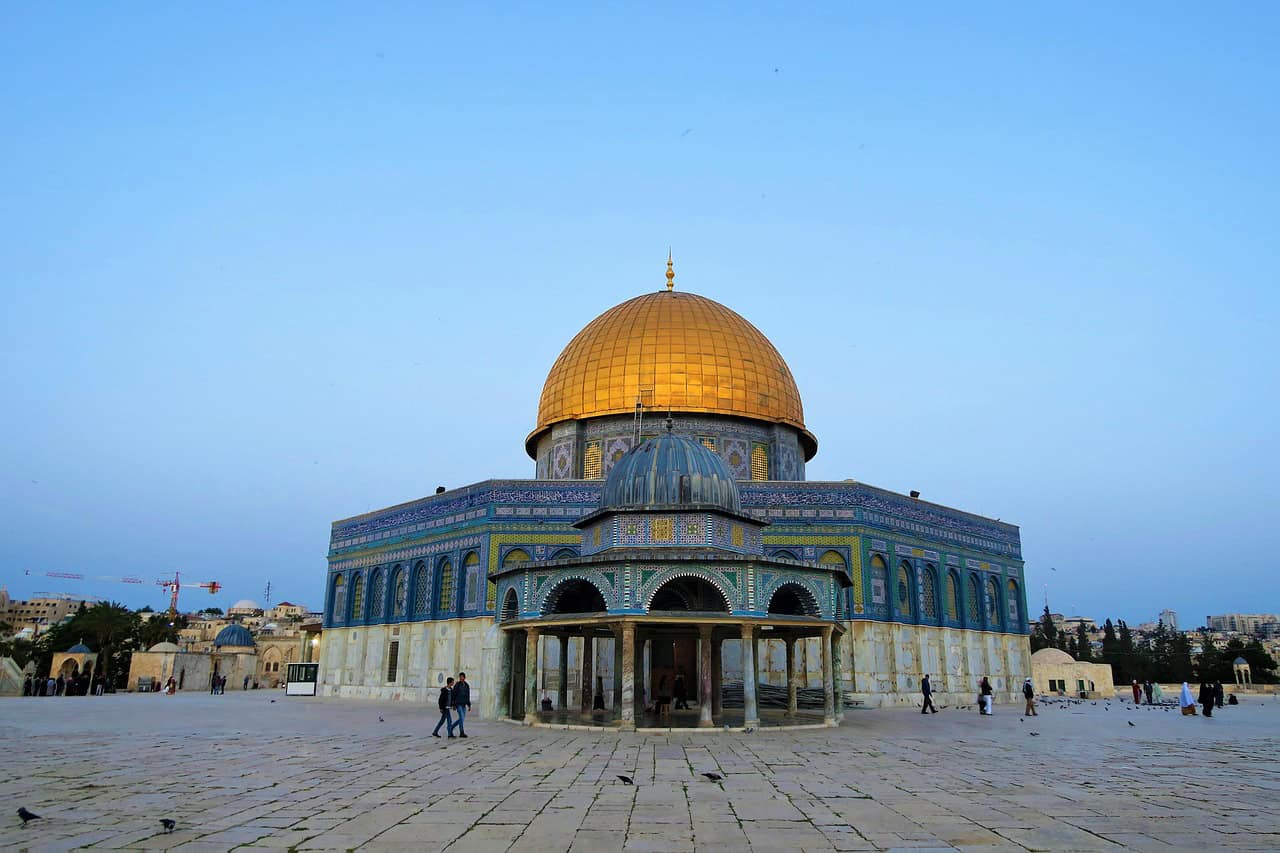
Holy Land trips are built on rhythm: a morning in Jerusalem, a Galilee overlook, a quick swing to the Dead Sea before dinner. Newer travel warnings have disrupted that rhythm, pushing American tour planners to read maps with a different kind of attention. U.S. guidance continues to flag an unpredictable security environment, and it carves out specific no-go zones and border buffers. In 2026, many itineraries are not being abandoned so much as reshaped, with more conservative routing, tighter contingencies, and a renewed focus on what can be done safely, calmly, and well.
Jerusalem And Bethlehem Day Trip
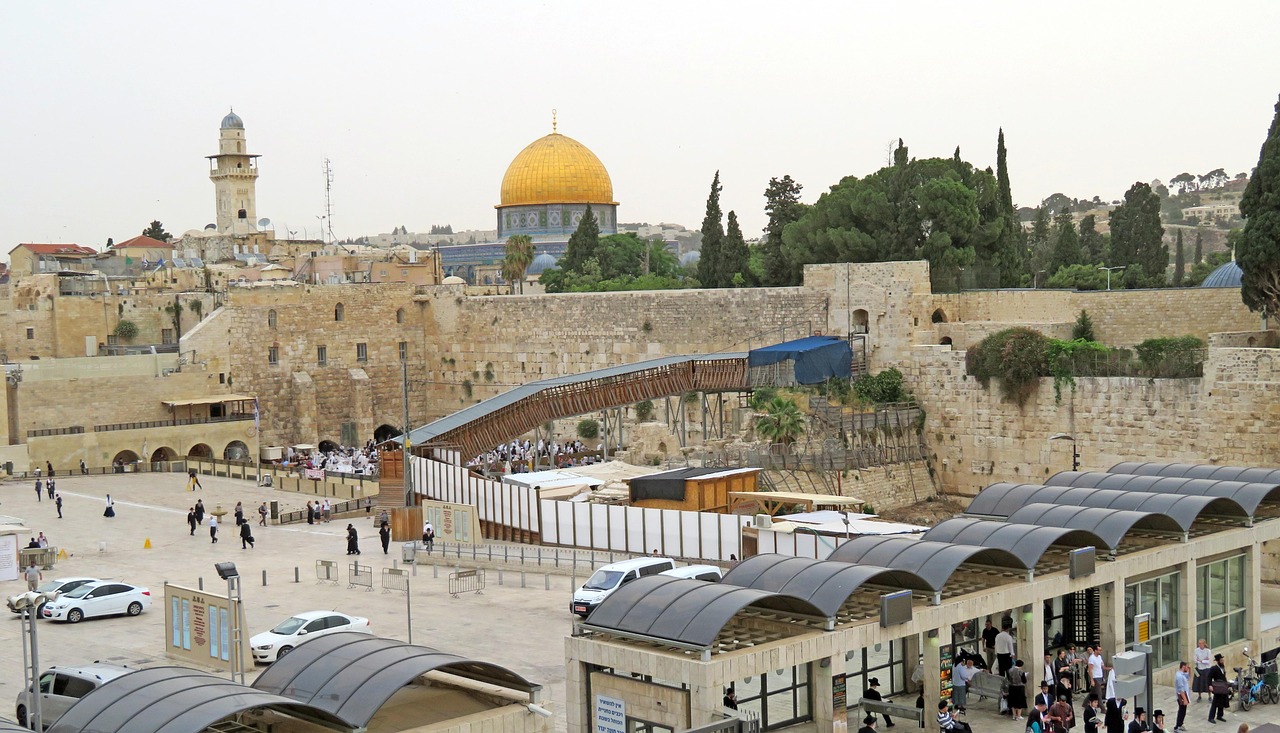
The classic loop pairs Jerusalem’s Old City with a quick Bethlehem stop, but it now forces planners to weigh two different advisory categories on one day. U.S. guidance separates Israel from the West Bank, listing the West Bank under “reconsider travel,” and it warns that conditions can shift quickly, which affects permits, checkpoints, and whether a tour bus can keep a stable schedule. In 2026, many groups keep Jerusalem’s core sites while swapping Bethlehem overnights for West Jerusalem museums and longer time on the Mount of Olives, aiming for predictability, insurance clarity, and fewer last-minute route changes. With less friction today.
Galilee And Northern Border Scenic Loop
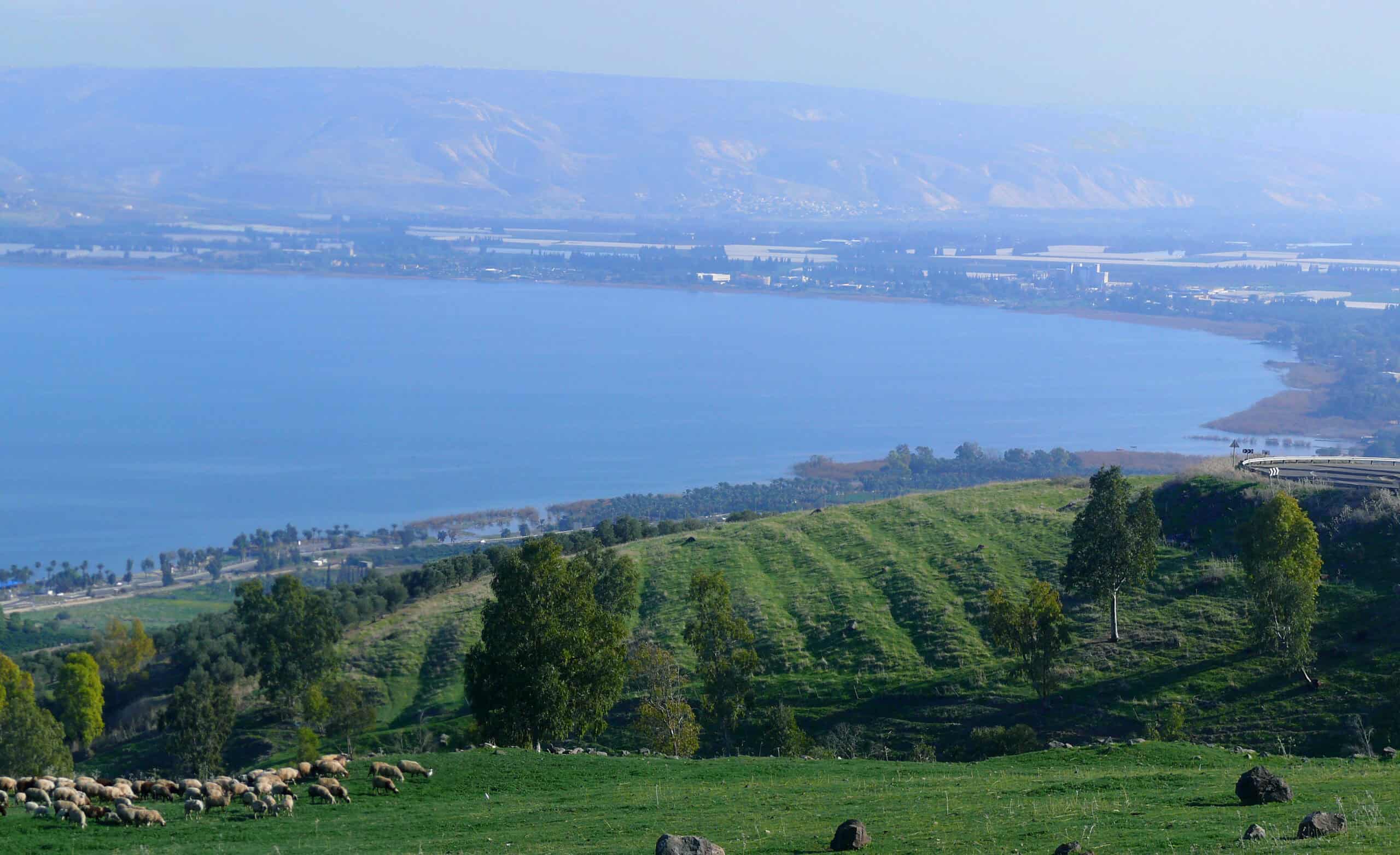
Northern itineraries that hop from Haifa to Acre, Rosh Hanikra, and viewpoints near the Golan have become the first to get trimmed, because maps here are full of invisible lines. U.S. guidance flags northern areas within 4 km of the Lebanese and Syrian borders as “do not travel,” and it notes that security incidents can occur without warning, while other governments draw their own buffer zones that may be wider. In 2026, planners favor inland museum days, shorter coastal loops, and flexible routing that keeps hotels and day tours away from border-adjacent roads when conditions tighten, even if the scenery is tempting especially at nightfall.
Negev Context Stops Near The Gaza Periphery
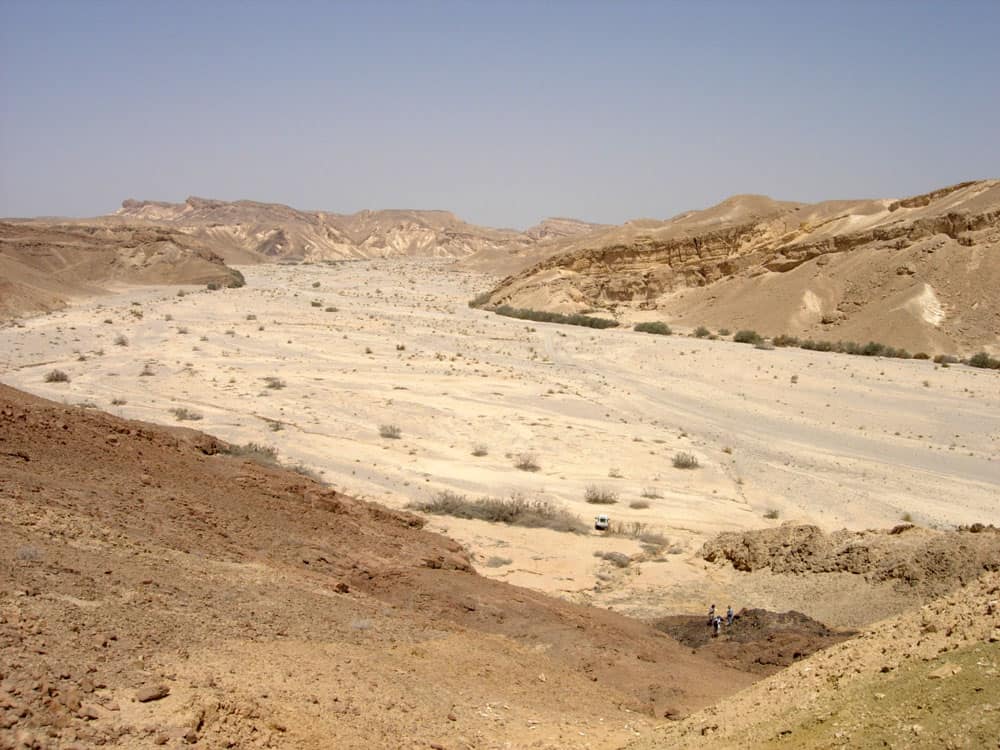
Some faith-based tours once paired southern kibbutz visits with overlook stops near the Gaza perimeter, treating it as modern context on the way to the Negev. U.S. guidance is explicit: Gaza is “do not travel,” and it also flags areas within 11.3 km or 7 miles of the Gaza periphery as off-limits, which collapses many of those “quick stops” on a single map. In 2026, planners shift southbound days toward Beersheba museums, the Ramon Crater region, and guided desert walks that stay well inside approved corridors, trading proximity for calmer logistics and a lower risk of sudden closures, plus nights that do not hinge on last-minute reroutes too.
Eilat Finale With Sinai Add,Ons

Eilat itineraries often promise an easy Red Sea finale, sometimes paired with a border crossing for a quick taste of Sinai, but warnings have made that logic brittle. U.S. guidance marks a narrow strip along the Egyptian border as “do not travel” except for the Taba crossing, and it is blunt that the U.S. Embassy does not help travelers cross into Gaza from Egypt, while also warning that parts of Sinai are very dangerous. In 2026, tour planners keep Eilat’s beaches and reef boats but drop improvisational border hops, building the final days around predictable transport, daylight timing, and hotels that can pivot if crossings tighten on paper.
Dead Sea, Masada, And Jordan Valley Mix

The Dead Sea day is a staple, usually stitched together with Masada at sunrise and a quick stop at Qumran or a Jordan River baptism site, yet the map around it is politically and logistically layered. U.S. materials distinguish Israel from the West Bank and identify the West Bank as “reconsider travel,” which complicates plans that drift across jurisdictions without noticing the line between them. In 2026, operators keep Masada and resort zones but simplify the rest, choosing fewer cross-area add-ons, clearer pickup points, and schedules with built-in buffer time that do not depend on smooth checkpoint timing or spontaneous detours most days.
West Bank Overnight Pilgrimage Circuit
Multi-day pilgrimage programs that overnight in Bethlehem and fan out to Jericho, Hebron, or Nablus once felt like the most narrative-heavy stretch of a Holy Land trip. U.S. advisories list the West Bank under “reconsider travel” and Gaza as “do not travel,” and they stress that conditions can change without warning, shaping how schools and church groups assess duty of care. In 2026, many planners replace wide-ranging West Bank loops with deeper stays in fewer hubs or shift landscape days to Jordan’s side of the river, keeping the spiritual arc while reducing exposure to sudden route disruptions and simplifying paperwork for insurers as well.