We may earn money or products from the companies mentioned in this post. This means if you click on the link and purchase the item, I will receive a small commission at no extra cost to you ... you're just helping re-supply our family's travel fund.
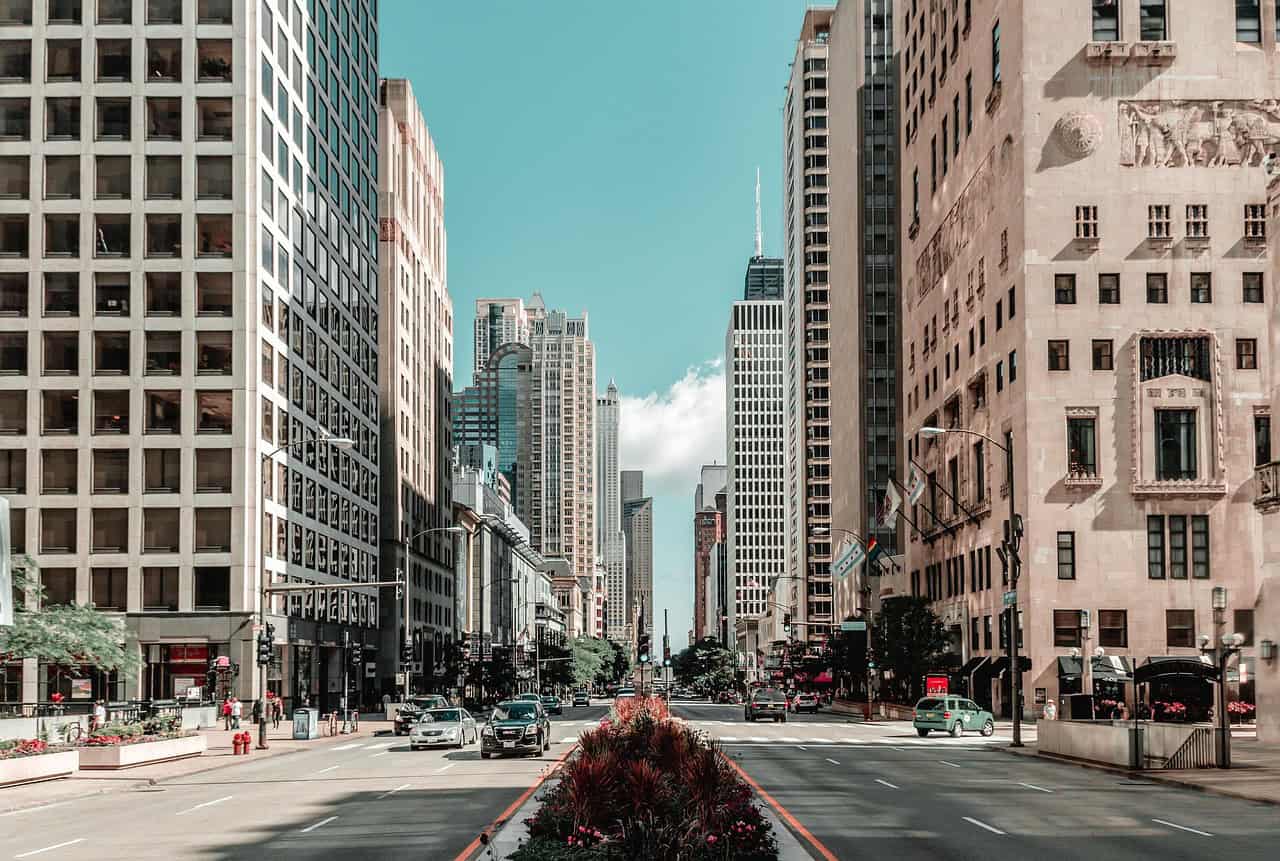
Reviving historic downtowns has become one of 2025’s most promising urban trends, driven by renewed investment, cultural restoration, and a shift toward mixed-use living. Once-abandoned streets, aging buildings, and declining commercial corridors are experiencing fresh momentum as cities learn how to blend heritage with modern energy. These six historic districts are standout examples, each proving that with strategic planning, local commitment, and thoughtful design, even the most forgotten cores can return to life.
1. Detroit, Michigan
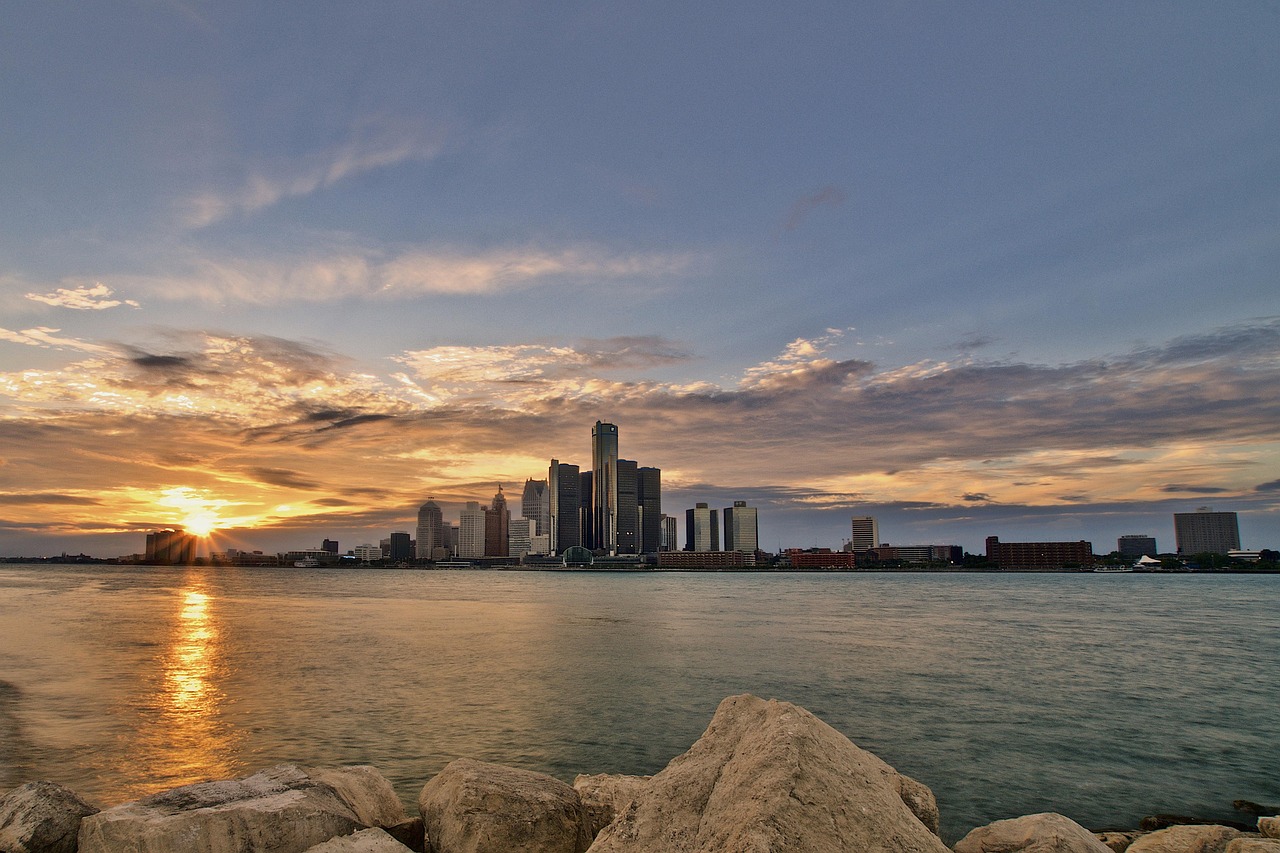
Detroit’s historic downtown made one of 2025’s most dramatic turnarounds, anchored by the reopening of the restored Book Tower after a $300 million, decade-long effort. Foot traffic increased nearly 18% year-over-year as new residents moved into 200+ renovated units and retail occupancy climbed above 90% for the first time since the 1970s. The opening of Hudson’s Detroit, a 45-story complex, added more than 1 million square feet of office, residential, and hospitality space, signaling a renewed commitment to the city’s core.
2. Providence, Rhode Island
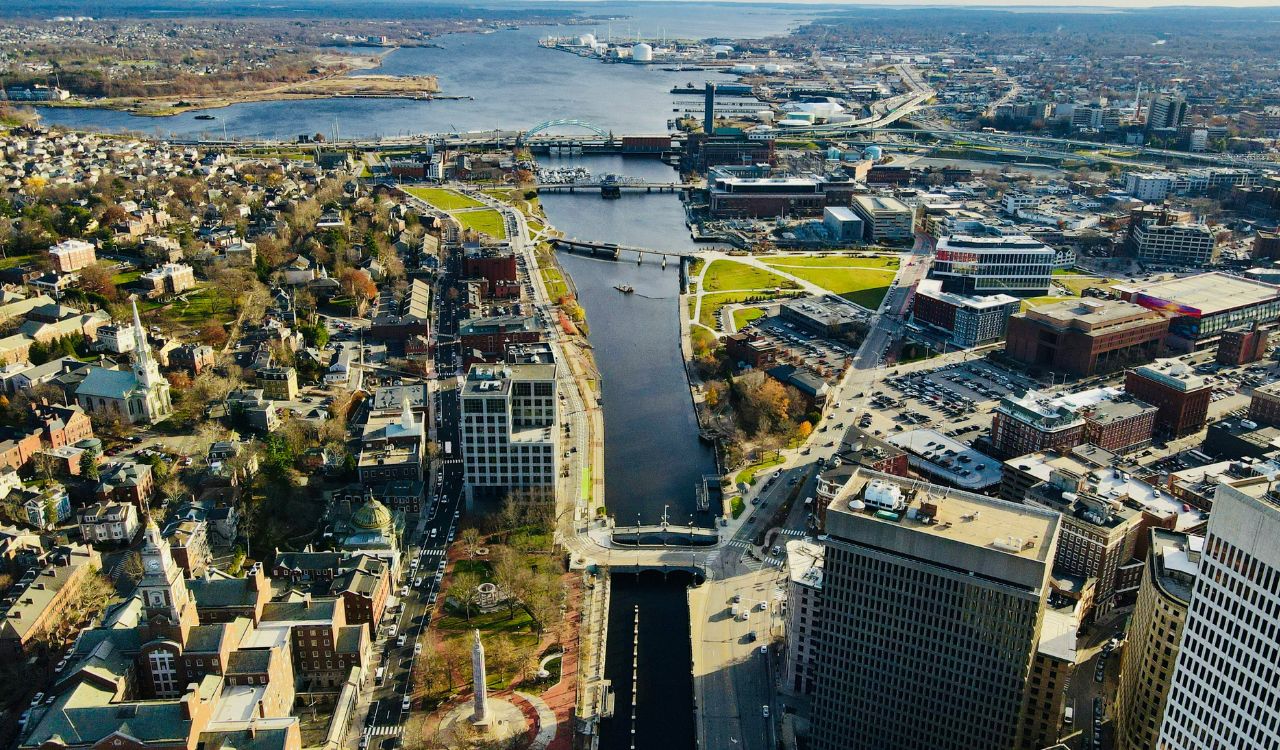
Providence’s Downcity district continued its steady rise in 2025 after more than 30 historic buildings were rehabilitated under a long-running revitalization plan. The area saw a 22% increase in small businesses reopening compared to the previous year, supported by new residential conversions that added over 400 apartments into renovated commercial blocks. Improved walkability, expanded cultural programming, and consistent public investment helped restore the district’s street-level vibrancy while preserving its architectural identity.
3. Little Rock, Arkansas
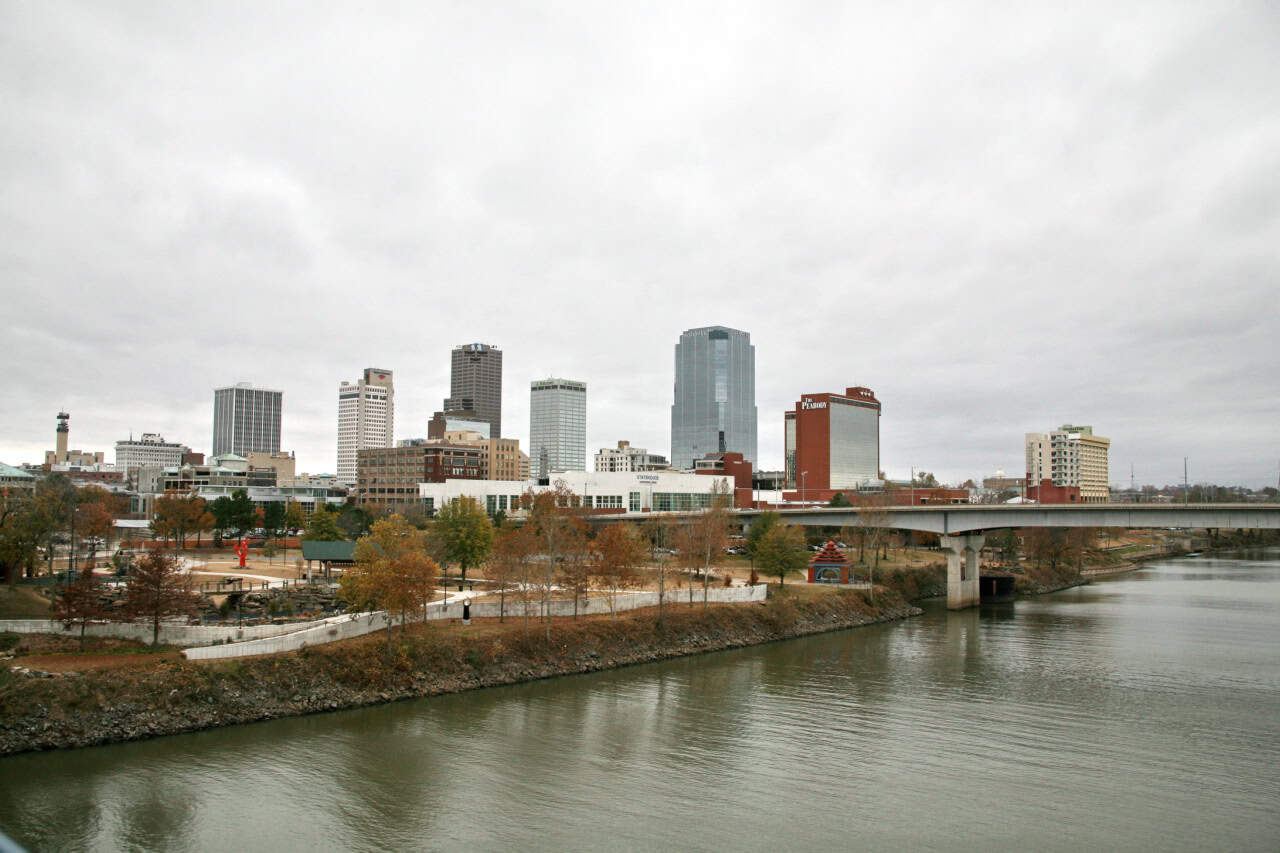
Little Rock’s historic downtown experienced new momentum in 2025 with the long-vacant Boyle Building empty for nearly 25 years, finally restored and repurposed into a civic anchor. The $50 million renovation drew more than 500 daily workers back into the district and spurred a 15% rise in nearby storefront leases. Additional upgrades to lighting, sidewalks, and transit stops helped knit together the Capitol–Main corridor, allowing local restaurants and small retailers to regain stable foot traffic after years of decline.
4. DeLand, Florida
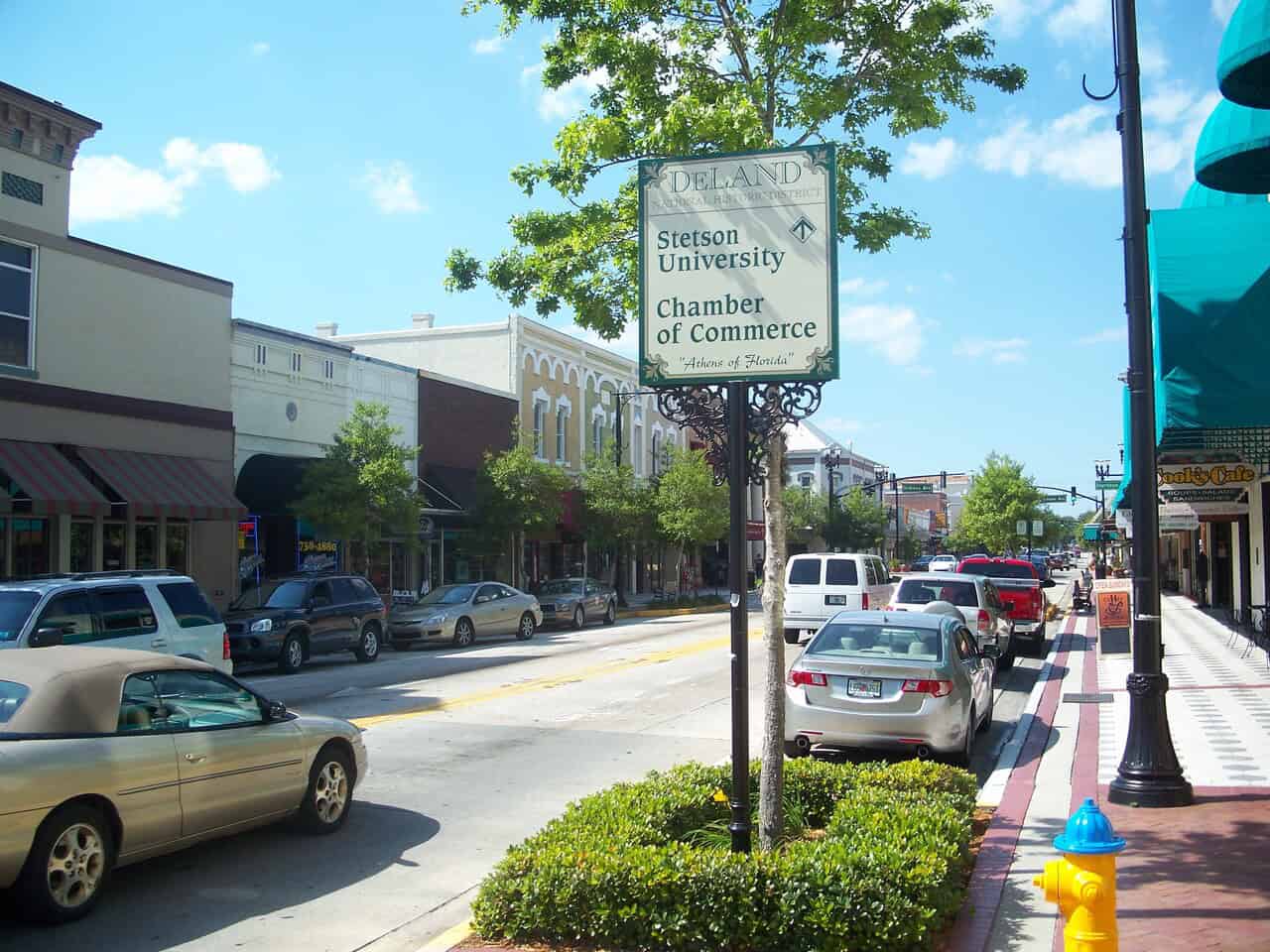
DeLand’s comeback centered on the revitalization of the Athens Theatre, which attracted over 70,000 visitors in 2025 alone after a major restoration phase. Its success encouraged nearby property owners to renovate adjacent storefronts, resulting in a 28% increase in occupied commercial spaces within the district. A series of new festivals and arts events expanded the theater’s influence, drawing residents and tourists back into the heart of downtown and supporting renewed investment in infrastructure and pedestrian-friendly design.
5. New Braunfels, Texas
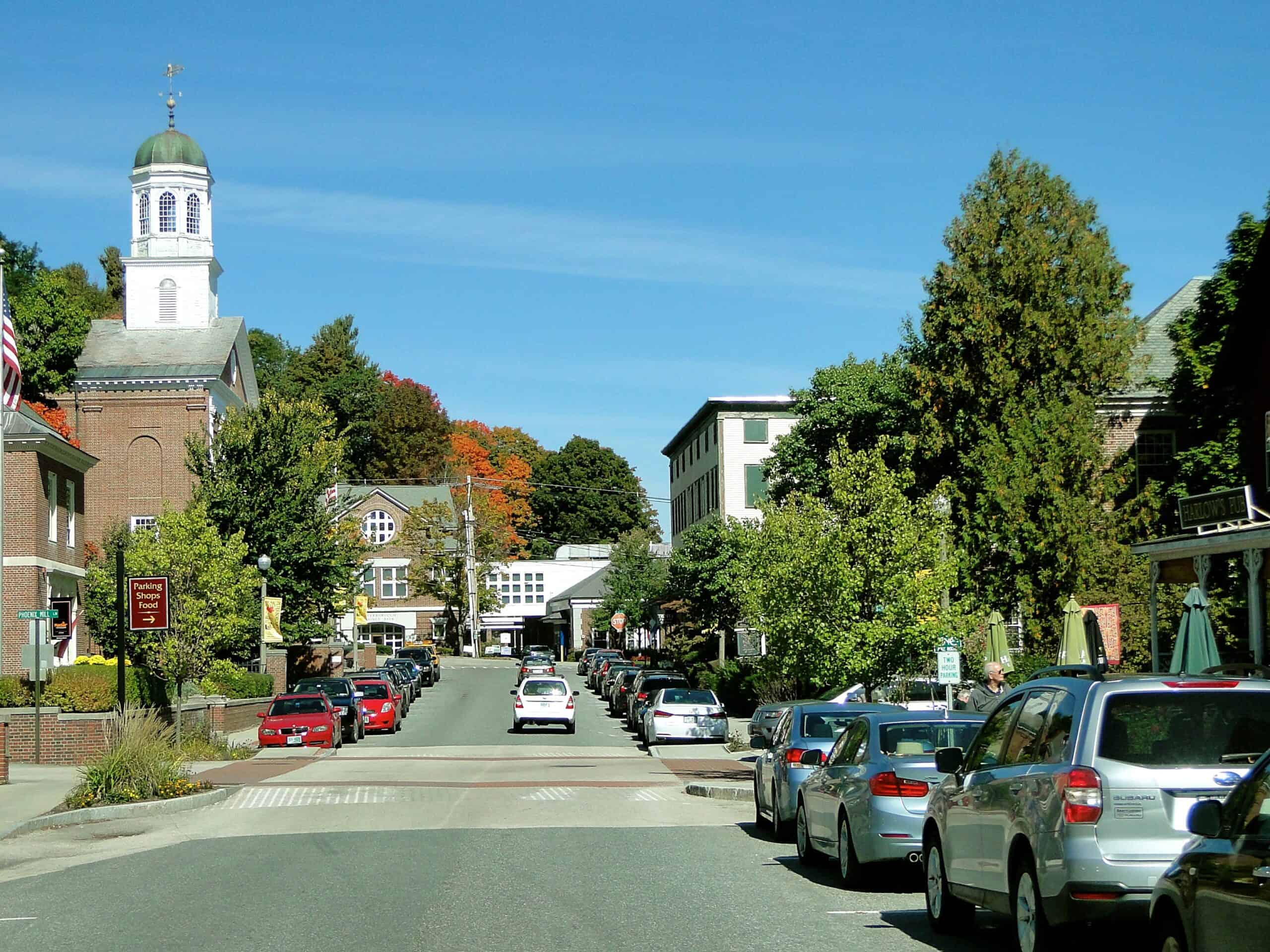
New Braunfels’ historic core entered a new era in 2025 as the city approved a $27 million mixed-use redevelopment known as The Neue. Supported by a $2.2 million public incentive package, the project aims to deliver 60+ residential units, upgraded utilities, and more than 30,000 square feet of commercial space. Vacancies in the district dropped by nearly 20%, signaling growing confidence among investors. The project’s emphasis on walkability and adaptive reuse has already begun reshaping the area’s long-stagnant blocks.
6. Youngstown, Ohio
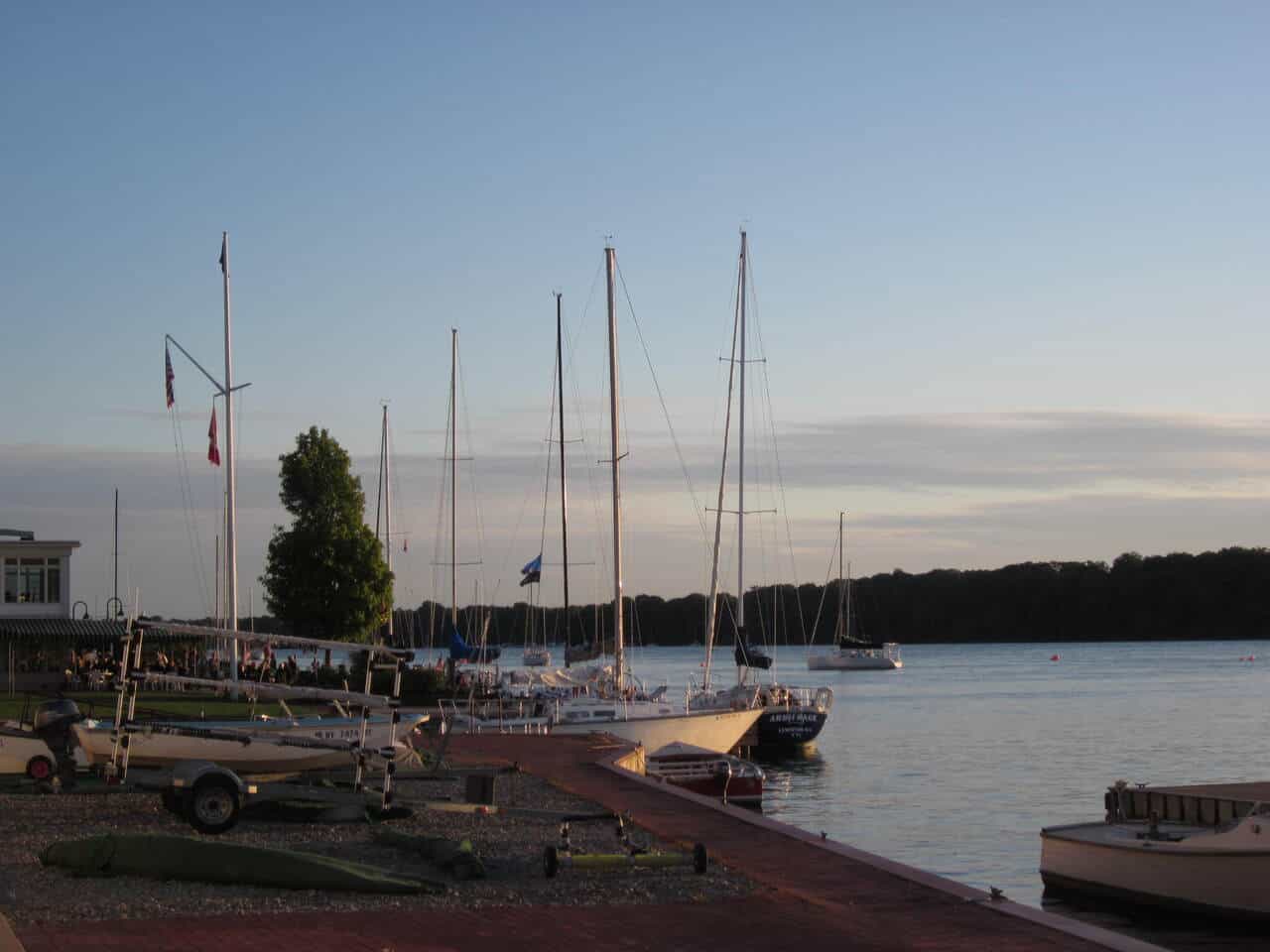
After years of downturn, downtown Youngstown saw renewed activity in 2025 thanks to a targeted revitalization fund that injected $200,000 into repairs, storefront improvements, and safety upgrades. The investment helped reopen eight previously shuttered businesses and attracted over 40 new residential tenants into renovated upper-floor units. While modest compared to larger cities, the district’s 12% rise in weekend foot traffic marked its strongest recovery in over a decade, proving that small-scale interventions can generate meaningful momentum.