We may earn money or products from the companies mentioned in this post. This means if you click on the link and purchase the item, I will receive a small commission at no extra cost to you ... you're just helping re-supply our family's travel fund.

A great U.S. trip can feel cheap at first: a flight deal, a famous view, and a detour that sounds fun. The money leak starts later, when fees and defaults appear after commitment. A $25 activity becomes $60 once parking, service charges, timed entry, and add-ons land in the cart. Tourist districts rely on speed and distraction, so small traps go unquestioned. The fix is simple math and a calm pause before paying, so the cost matches the memory and the day stays light. Complete pricing, cancellation terms, and a realistic timetable protect both budgets and moods. Especially in peakseasontravel.
Resort Fees That Rewrite The Nightly Price

Resort fees and destination charges are the quiet tax of many U.S. hot spots, because a room rate can look fair until a daily add-on appears for Wi-Fi, pool towels, a gym, or vague property services. The fee often shows up late in the booking flow and then stacks with parking and local taxes, so the true nightly total climbs without delivering a better bed, a better view, or a better location. A smart comparison uses the all-in per-night price across hotels and booking sites, since the cheapest-looking option can end up costing more than a place that prices honestly from the start, and the surcharge rarely vanishes at check-in in writing too.
Event-Priced Parking Lots Near Major Attractions

Parking can become a trap near beaches, stadiums, and downtown attractions, where a $15 lot quietly turns into $60 the moment a concert, festival, or game is in town, and the rate is treated as nonnegotiable. Some private operators rely on small signage, app-only payment, and confusing zones, so the price becomes clear only after the car is already committed and walking away means starting over. The cost grows when towing rules are strict, grace periods are short, and customer service is routed through a bot, turning a simple stop into a lesson in reading every posted line before the engine shuts off, near piers and arenas at peak hours, too.
Vacation Club Pitches Disguised As Free Perks

The free breakfast, show tickets, or gift card offered by a vacation club booth often comes with a price measured in time, because this pitch is designed to eat a prime morning or afternoon. Presentations are marketed as brief, yet they can stretch with rotating managers, persistence framed as courtesy, and paperwork meant to make walking out feel awkward, even when a clear no has already been given. Even without a purchase, the perk can be tied to strict arrival windows and forfeits, and the day’s best hours are traded away in a room that never appears on the itinerary, while the real vacation waits outside in sun.
Souvenir Photos With Countdown Clocks And Markups

Souvenir photos are sold as harmless mementos, but the pricing is built like a trap door in many U.S. attractions. At theme parks, observation decks, and boat rides, cameras fire automatically, then the proof appears with a countdown clock and a high base price for one print or one digital download, making hesitation feel like losing the moment. Bundles start to look reasonable only after several shots stack up, so a family can end up paying more for images than for the tickets that created them, with small add-ons for frames, watermark removal, or instant email delivery, and the line keeps moving, so buying feels like the quickest paid exit.
Ticket Checkouts Where Fees Multiply Quietly
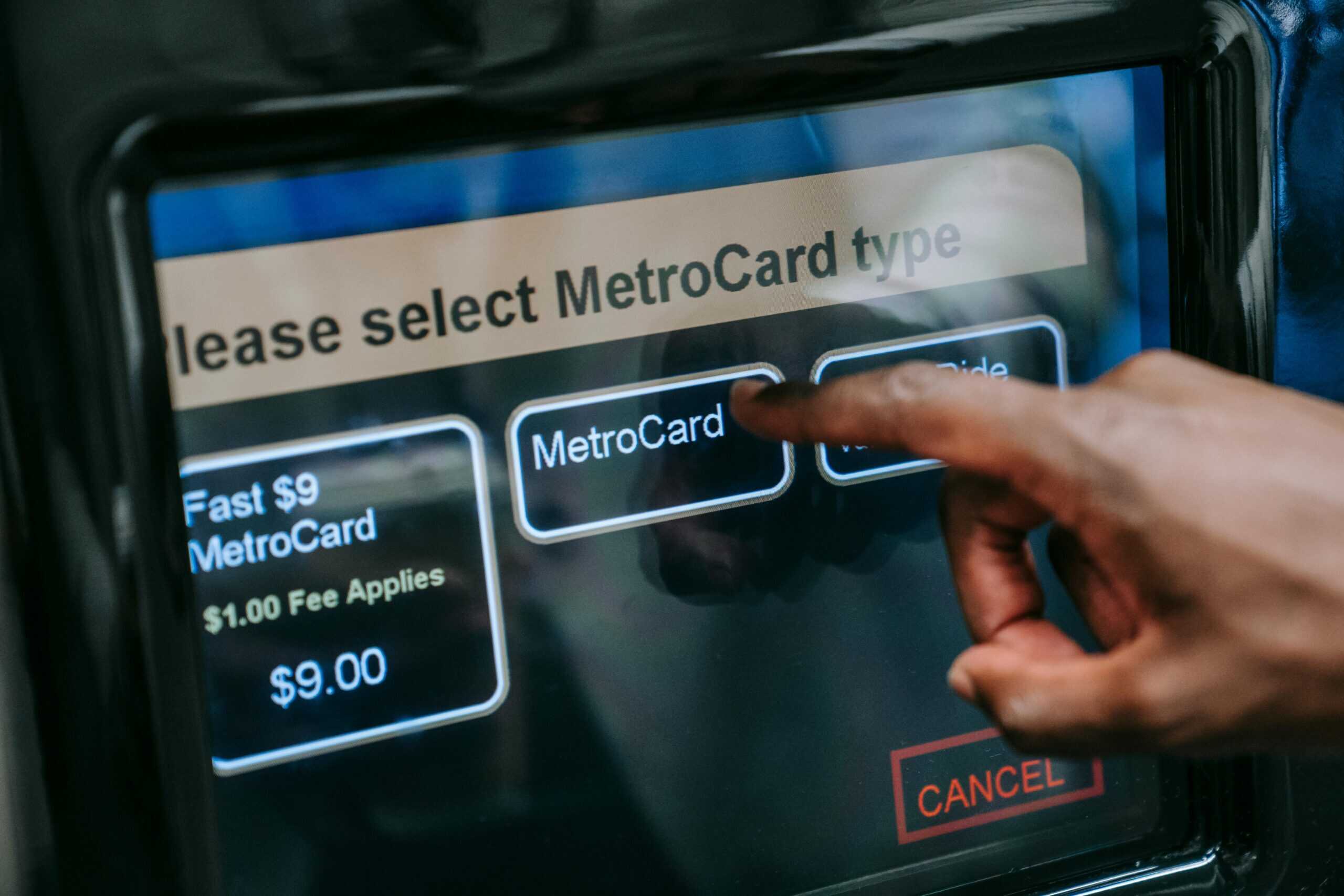
Tickets can become a hidden tourist trap when the sticker price is only the beginning and the real pain arrives at checkout. Resale sites and marketplace partners can layer service fees, delivery charges, and surge pricing that turns a $40 entry into a $75 total, while seat details stay vague behind labels like guaranteed and instant, and the final screen may default to extras like insurance, or “VIP” add-ons. When a problem hits, support can bounce between platforms, so travelers often do better buying through the primary seller or venue box office, where terms are specific and refunds have a clearer path when plans change close to showtime.
Tourist-Zone Menus With Sneaky Surcharges

Restaurants in high-traffic tourist zones often run a second, quieter pricing system, built for speed, impulse, and short stays. A bright menu board or QR code can hide small-print surcharges, automatic gratuity rules, and market price items that land far above what nearby neighborhood spots charge, especially when drinks, sides, and sauces are priced separately and refill policies are strict. The trap is not the splurge, but the missing signal: a simple lunch becomes a premium experience by accident, and the bill arrives late already inflated by fees and add-ons that were never part of the craving, only part of that location and street rush.