We may earn money or products from the companies mentioned in this post. This means if you click on the link and purchase the item, I will receive a small commission at no extra cost to you ... you're just helping re-supply our family's travel fund.

First impressions travel fast, and they often get judged through the lens of home. On the road, what sounds rude can be something else: direct speech, a strong privacy line, or service that prioritizes space over constant check-ins. Rather than branding entire nations, these destinations highlight moments travelers describe as abrupt, then explain the local logic that often sits underneath. With a little context, a clipped reply can read as efficiency, and a quiet room can feel like respect, not rejection, even on crowded travel days.
France

In France, a brisk counter exchange or a waiter who does not hover can feel chilly to visitors used to constant check-ins and big smiles. Cultural Atlas notes French communication is often direct, and that this directness is frequently misunderstood as rudeness even when it aims for clarity and respect. It also points out that steady eye contact is read as polite and that conversation distance can sit around an arm’s length, so looking away or crowding the moment can sour the tone, while a calm, precise request usually gets a calm, precise response that feels professional, not personal, even on busy days.
Germany
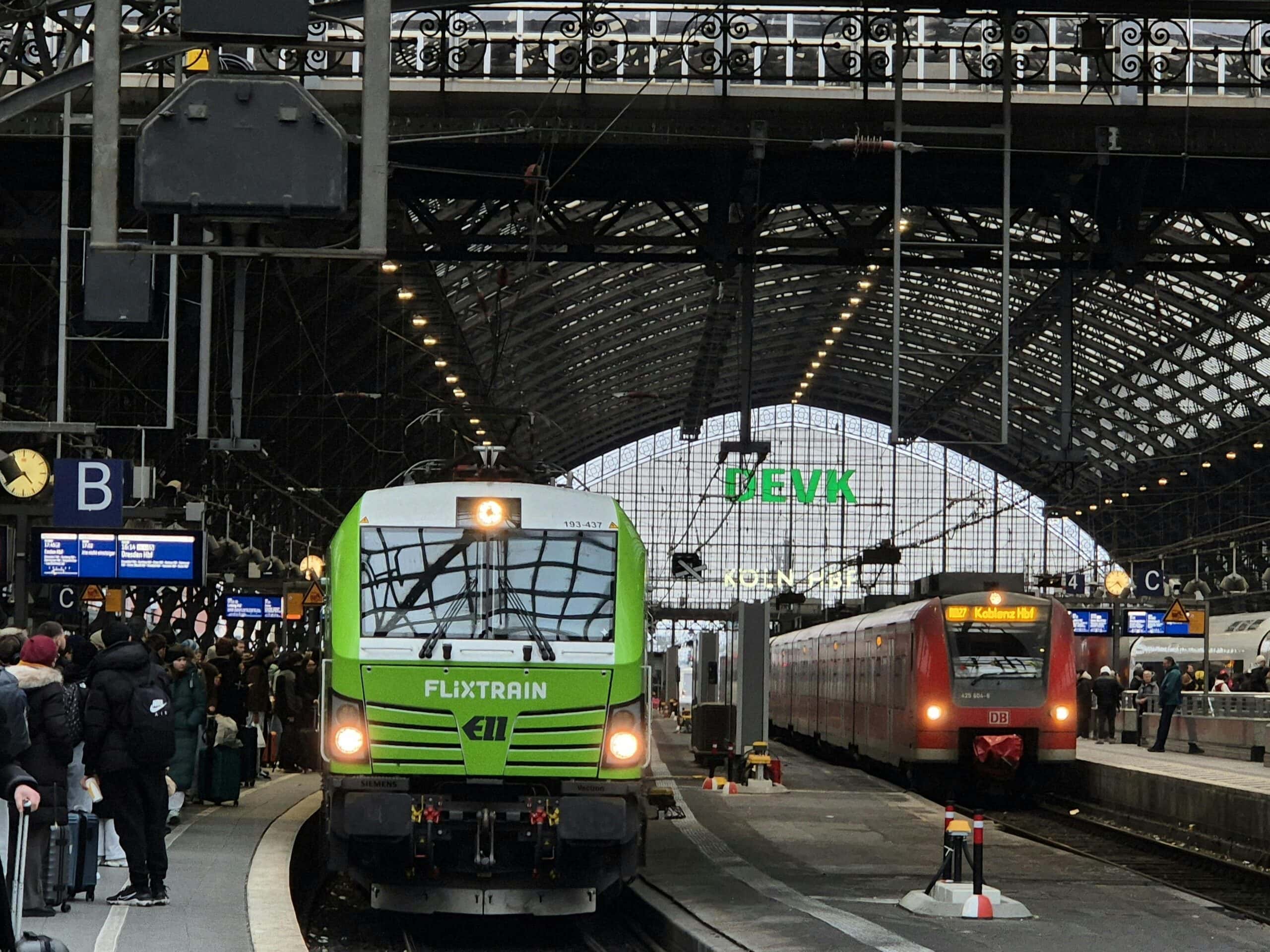
In Germany, conversations in shops, stations, and offices often move straight to the point, with less warm-up talk than travelers expect from service interactions. Cultural Atlas describes German communication as direct, clear, and explicit, with intentions made apparent through precise word choice and a focus on practical outcomes. Because that style can be interpreted literally, vague hints can misfire, and a firm no can sound sharper than intended, yet the payoff is reliability: rules stay consistent, schedules mean something, and agreements are usually honored without extra performance, which is simply the local default.
Netherlands
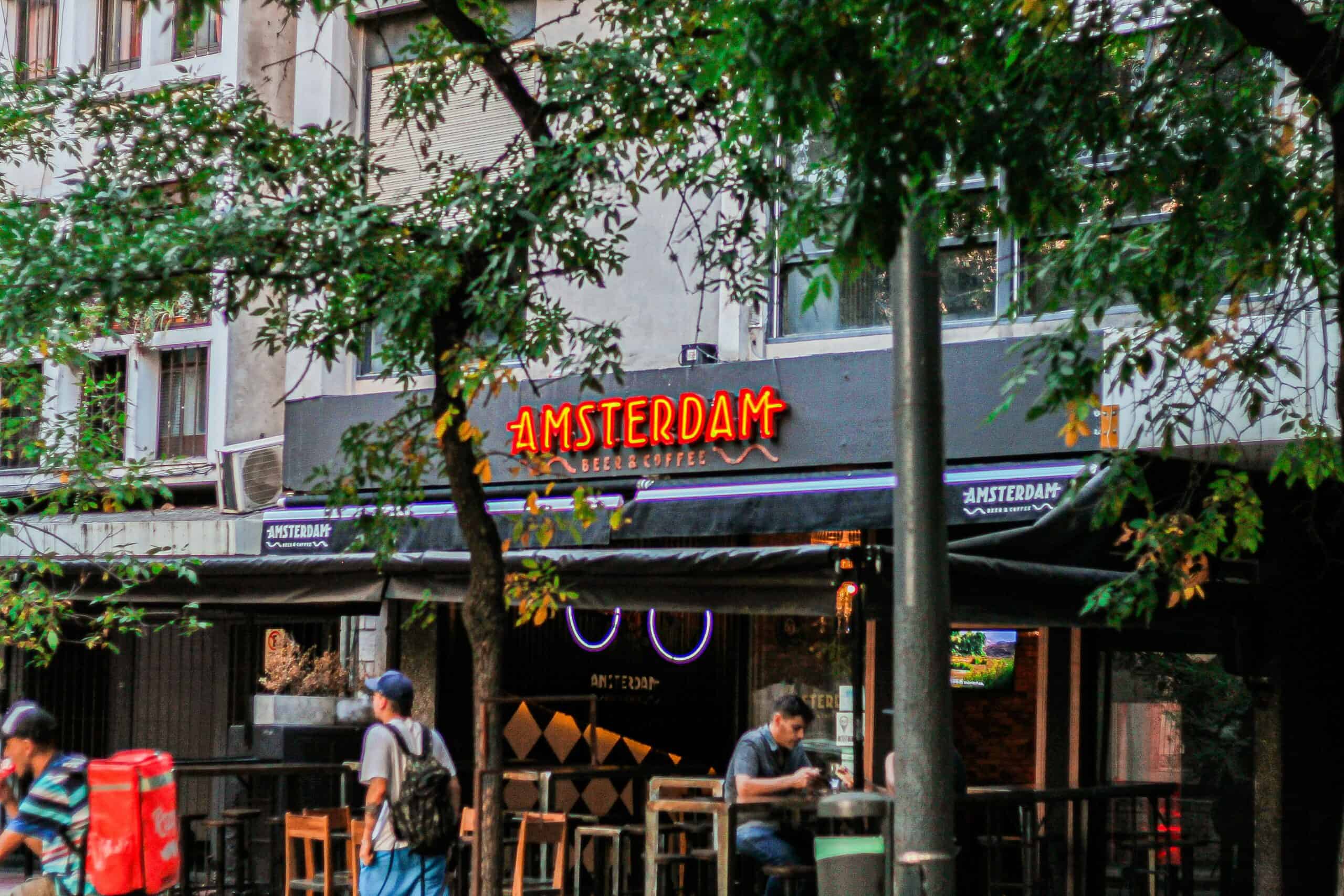
In the Netherlands, travelers sometimes get startled by candid feedback that arrives without a soft preface, whether at a café counter or during casual conversation. Cultural Atlas says Dutch communication tends to be frank and straightforward, and it notes that forthrightness can be misunderstood as rude by people who expect more cushioning. Dutch directness is often framed as openness, so a blunt answer may be a time-saver rather than a jab, and warmth shows up as practical help, equal treatment, and honest guidance that prevents small mistakes from becoming bigger ones, prioritizing clarity over charm.
Switzerland

In Switzerland, first impressions can feel quiet and formal, with conversations staying task-focused and personal details shared more slowly than in louder social cultures. Expatica notes Swiss etiquette prizes punctuality and expects a call ahead if someone will be late, which can make daily interactions feel structured and exacting. That restraint often comes with careful respect for shared space, orderly lines, and service that runs smoothly, so the tone reads composed and considerate, even when small talk is brief and people keep a little distance until familiarity builds, keeping the mood orderly.
United Kingdom
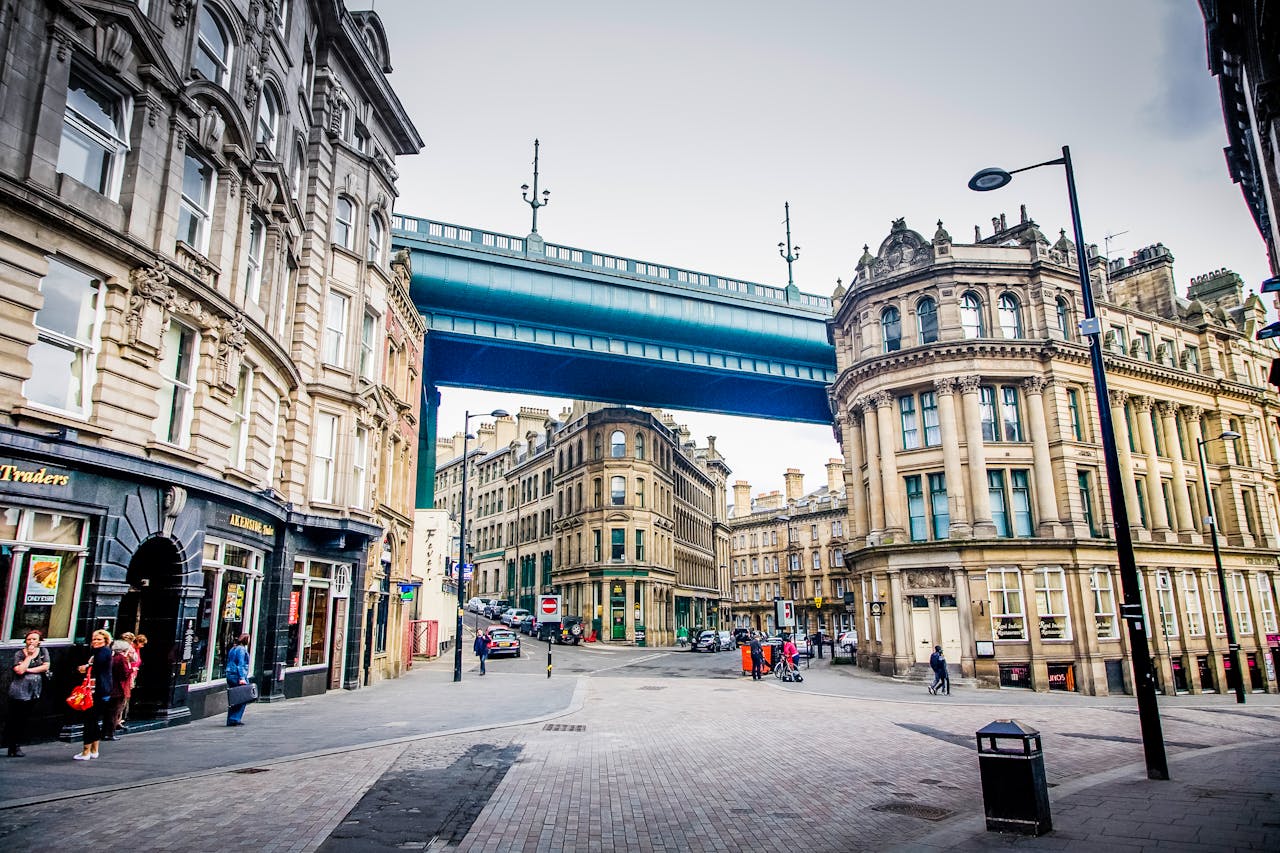
In the United Kingdom, politeness often lives in restraint, so loud familiarity can meet a short reply on crowded transit, in busy pubs, or at a small shop counter. Cultural Atlas describes British culture as generally reserved, and its etiquette guidance emphasizes queueing, saying please, and avoiding public scenes to get attention. A clipped response may be simple boundary-keeping, not hostility, and warmth tends to surface through dry humor, small courtesies, and a steady respect for privacy that keeps public spaces calm and makes friendships feel earned rather than forced, with understatement doing a lot of work.
Japan

In Japan, quiet public behavior is treated as shared courtesy, so trains and stations can feel emotionally distant to visitors who expect conversation and casual banter. A recent etiquette guide notes that Japanese trains are usually quiet, with commuters keeping voices low or avoiding conversations altogether, especially during peak hours. That silence is often consideration, not indifference, and warmth shows up in precision and attentiveness: orderly queues, calm service, and an effort to avoid inconveniencing others, even when the city is packed and everyone is moving fast, where quiet becomes kindness.