We may earn money or products from the companies mentioned in this post. This means if you click on the link and purchase the item, I will receive a small commission at no extra cost to you ... you're just helping re-supply our family's travel fund.
Headlines love a simple villain. A country becomes a warning label, reduced to one crisis, one leader, one clip replayed until it feels complete. Meanwhile, life keeps moving: teachers show up, markets open, music gets made, and families plan tomorrow. None of this erases danger or hardship. It restores scale, and it makes room for context, nuance, and the small truths that never trend. The countries below face real problems, yet the worst label often says more about news incentives than about the people who live there.
Colombia Is Not Just Its Past
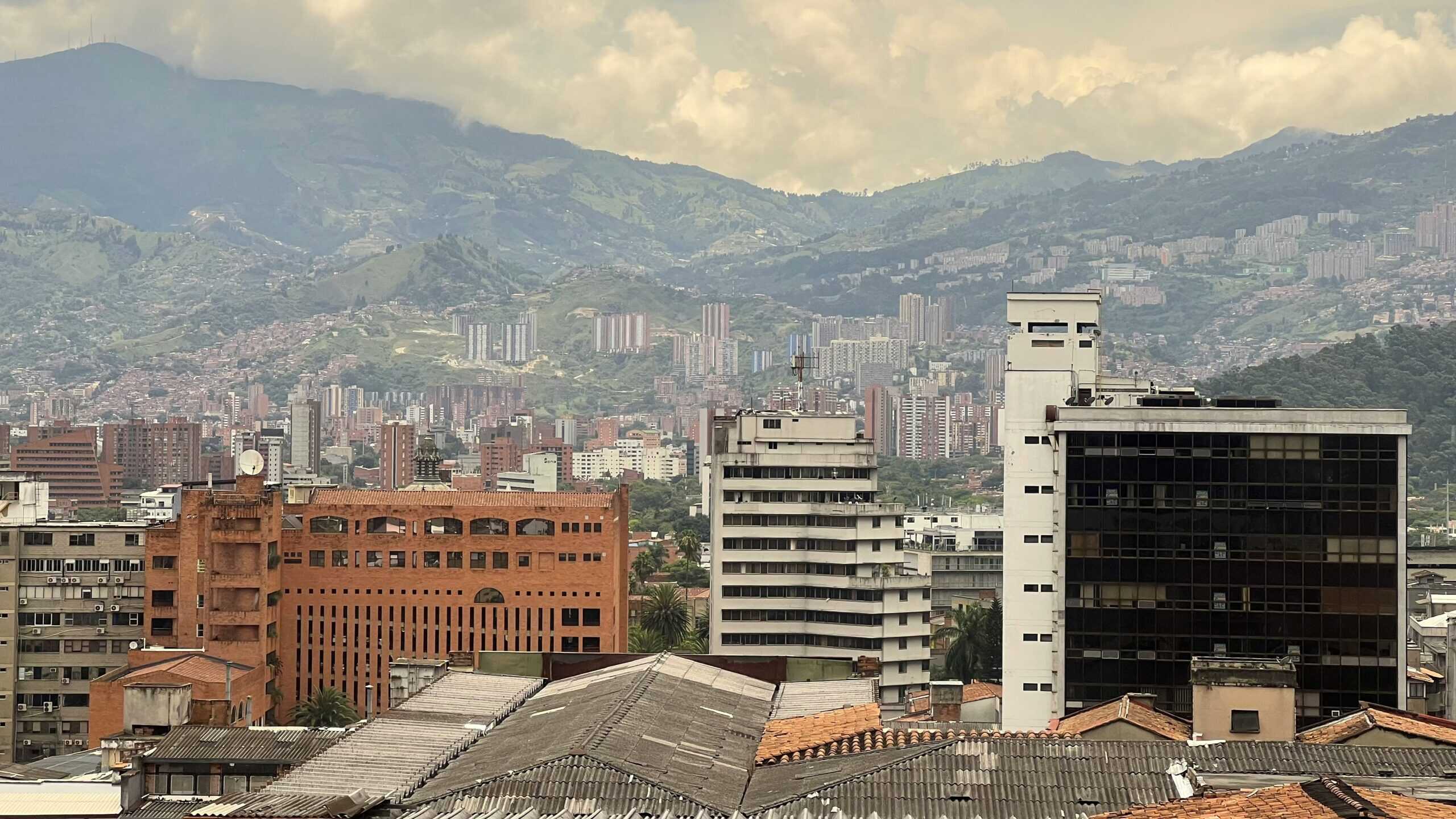
Colombia still gets framed through cartel-era imagery, even as cities remake themselves through design, food, and public space. Reality stays uneven: one area can feel relaxed, another demands real caution and local advice. The fuller story includes community libraries, street art, and the calm routines of neighborhoods that spend more time on school runs than on sensational myths. Travelers who plan smart routes often leave talking about coffee towns, live music, and kindness that never makes the evening segment. It is imperfect, but it is larger than its darkest decade, and it shows up, too.
Pakistan Beyond the Scare Headlines
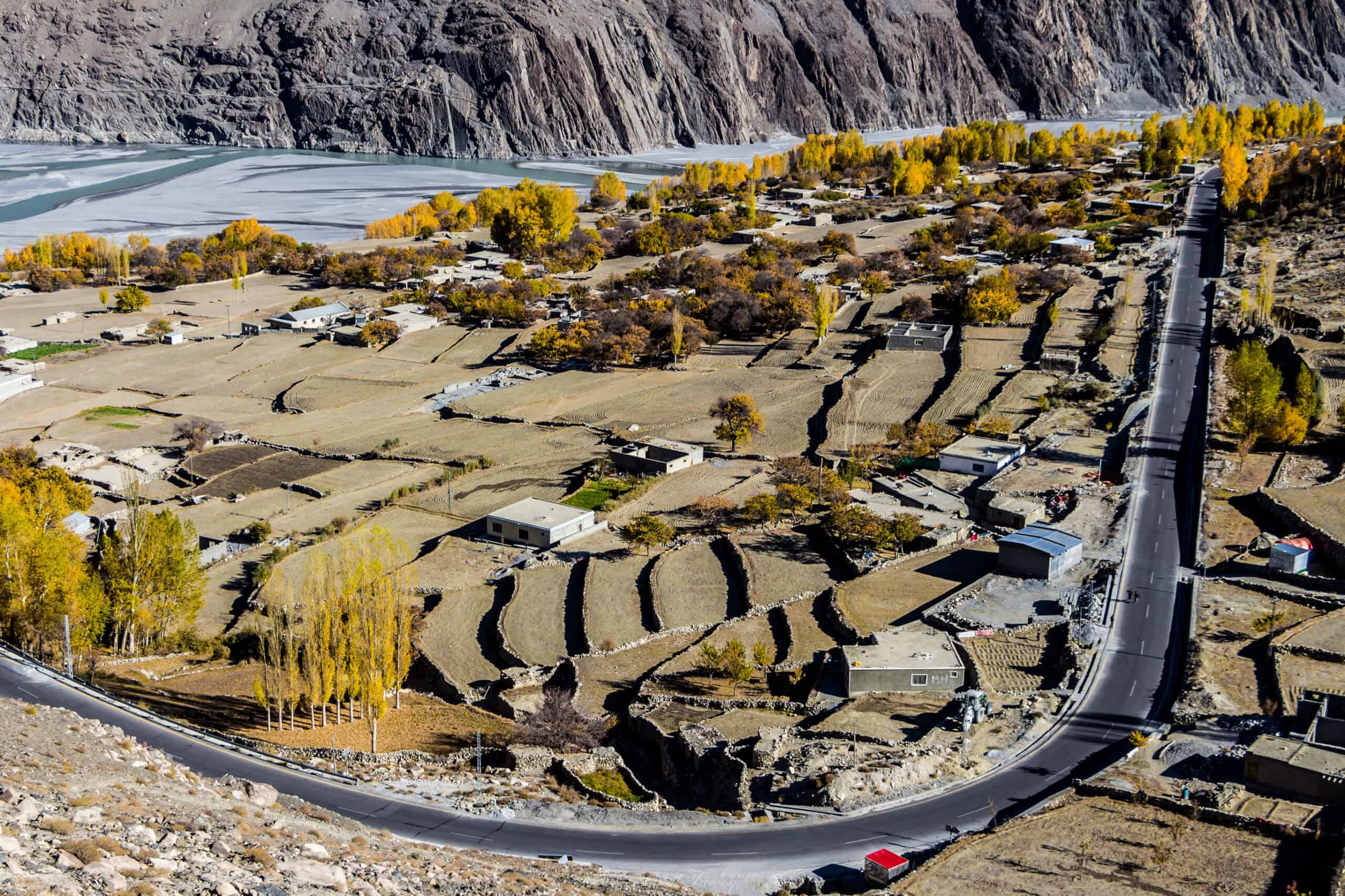
Pakistan is often reduced to security alerts, yet its most vivid realities are quieter: mountain towns along the Karakoram, ancient crafts, and a deep culture of hosting guests. Risk is not imaginary, and conditions can shift, which is why advisories focus on specific corridors. What goes missing is the patient work of local guides, women-led guesthouses, and community festivals that welcome visitors with tea and stories. In the north, trekking seasons bring photographers and climbers, while cities hum with bookshops, street food, and cricket debates. The label of worst rarely survives a week.
Rwanda Is More Than One Tragedy
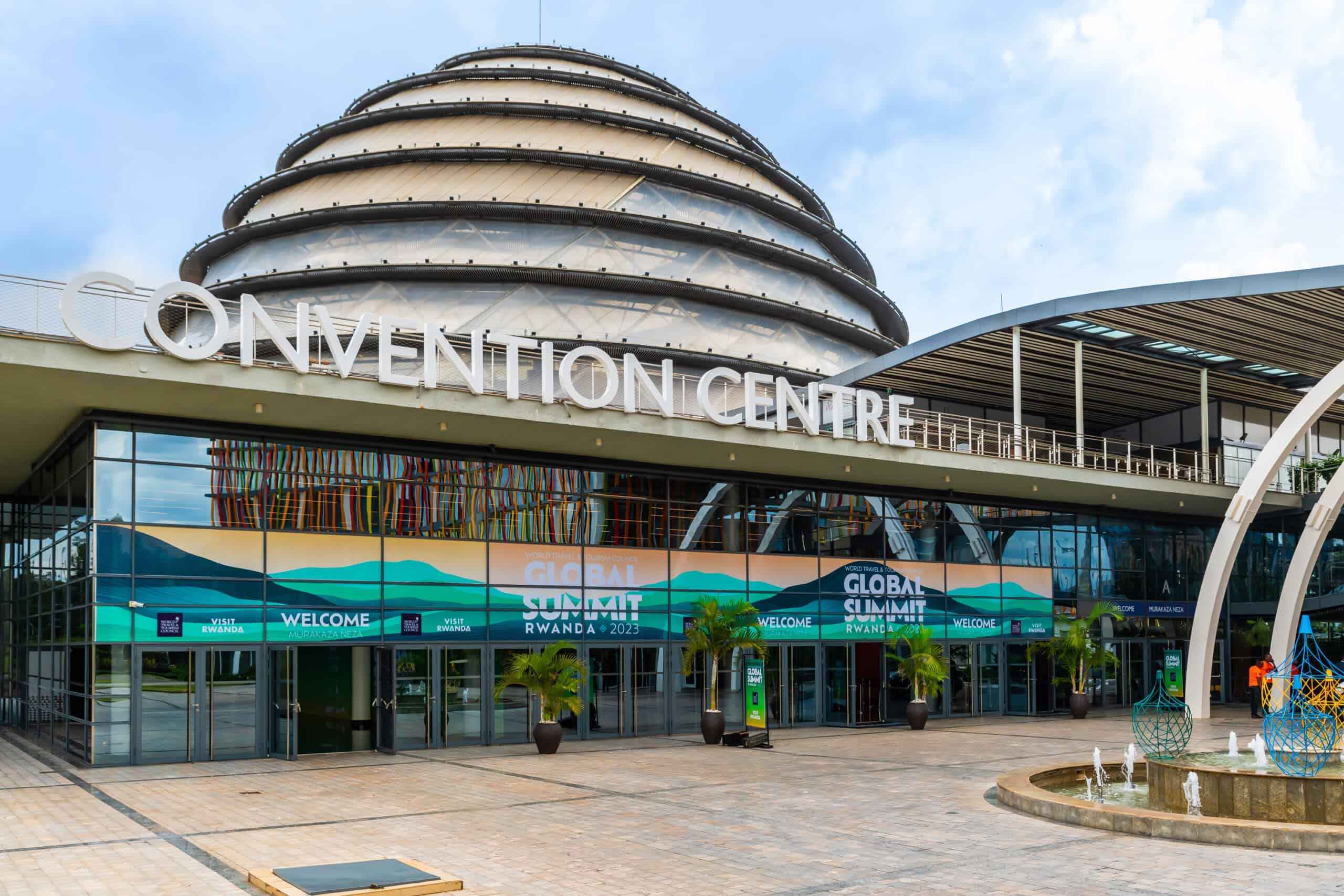
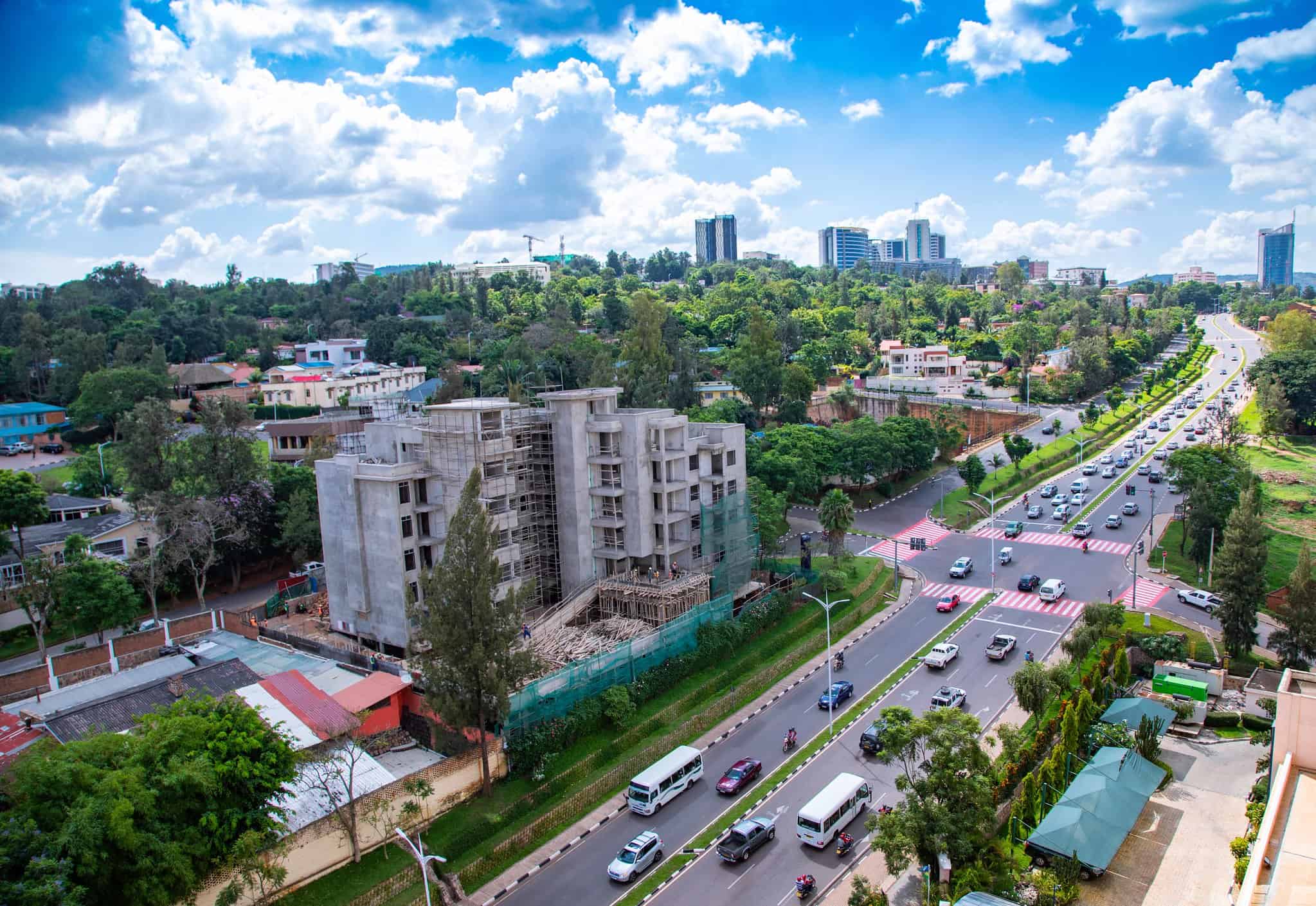
Rwanda is frequently introduced through the 1994 genocide, yet the country has spent decades rebuilding civic life with steady focus. Kigali’s reputation for order comes from daily norms: clean streets, quick service, and a sense that the future is a shared project. Politics can be complicated, and regional tensions still affect certain border areas, but the dominant rhythm is work, learning, and quiet pride. Visitors often remember memorials treated with care, forest trails, and cafés where conversation feels gentle, not staged. It is a place insisting on dignity, even when the world forgets.
Lebanon Is Not Only a Crisis Reel
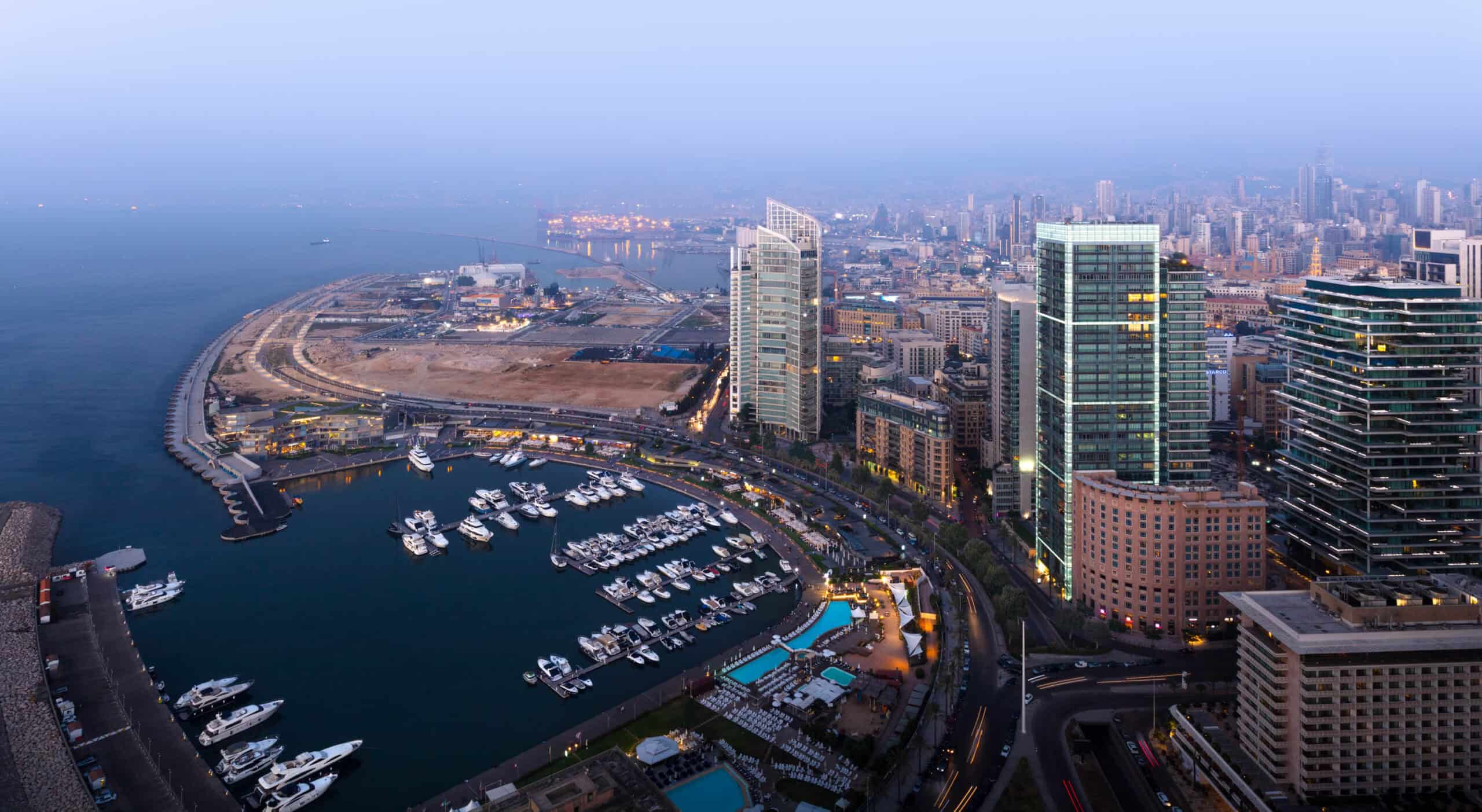
Lebanon’s coverage can feel like nonstop collapse, which makes the persistence of ordinary Beirut life easy to miss. Even in downturns, the cultural heartbeat stays loud: bookstores, cafés, small galleries, and a food scene built on memory and improvisation. Economic pain and regional tension are real, and plans can change fast, yet communities keep hosting, debating, and creating with stubborn grace. Many leave talking about the sea, mountain air, and the way a shared meal can carry hope when institutions fail. That human continuity is the story but it rarely fits a breaking news banner ever.
Mexico Is Not One Single Story
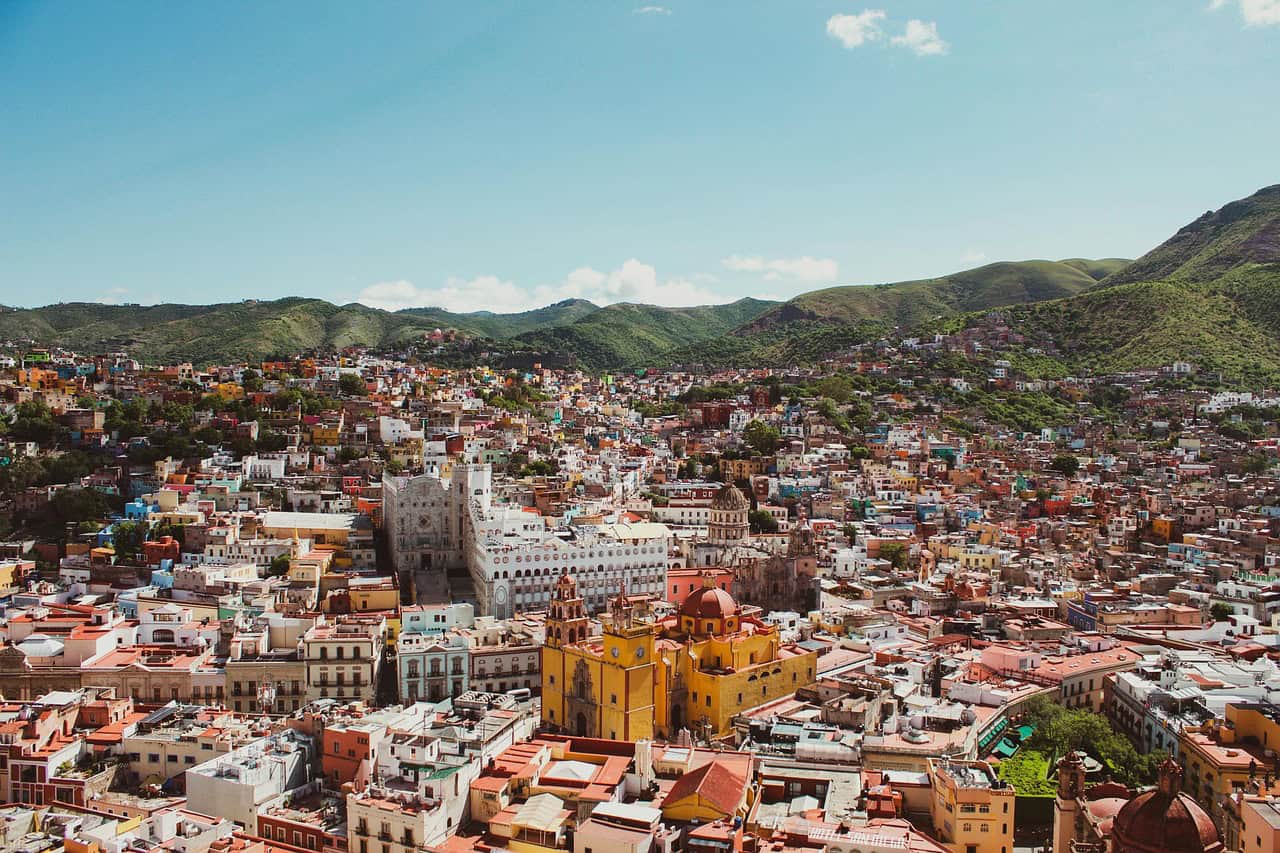
Mexico is often portrayed as a single crime narrative, despite being vast and varied, with daily life changing by state and city. Most tourism centers on beaches, museums, markets, and plazas, not the plotlines that dominate cable panels. Serious violence exists and deserves honesty, yet it is not evenly distributed, and many communities are defined more by tradition and humor, than by fear. The missing context is scale: local governance and geography matter, and culture shows up in murals, music, and late-night tacos shared with family. A headline can warn, but it cannot map a nation in full.
Sri Lanka After the Storms
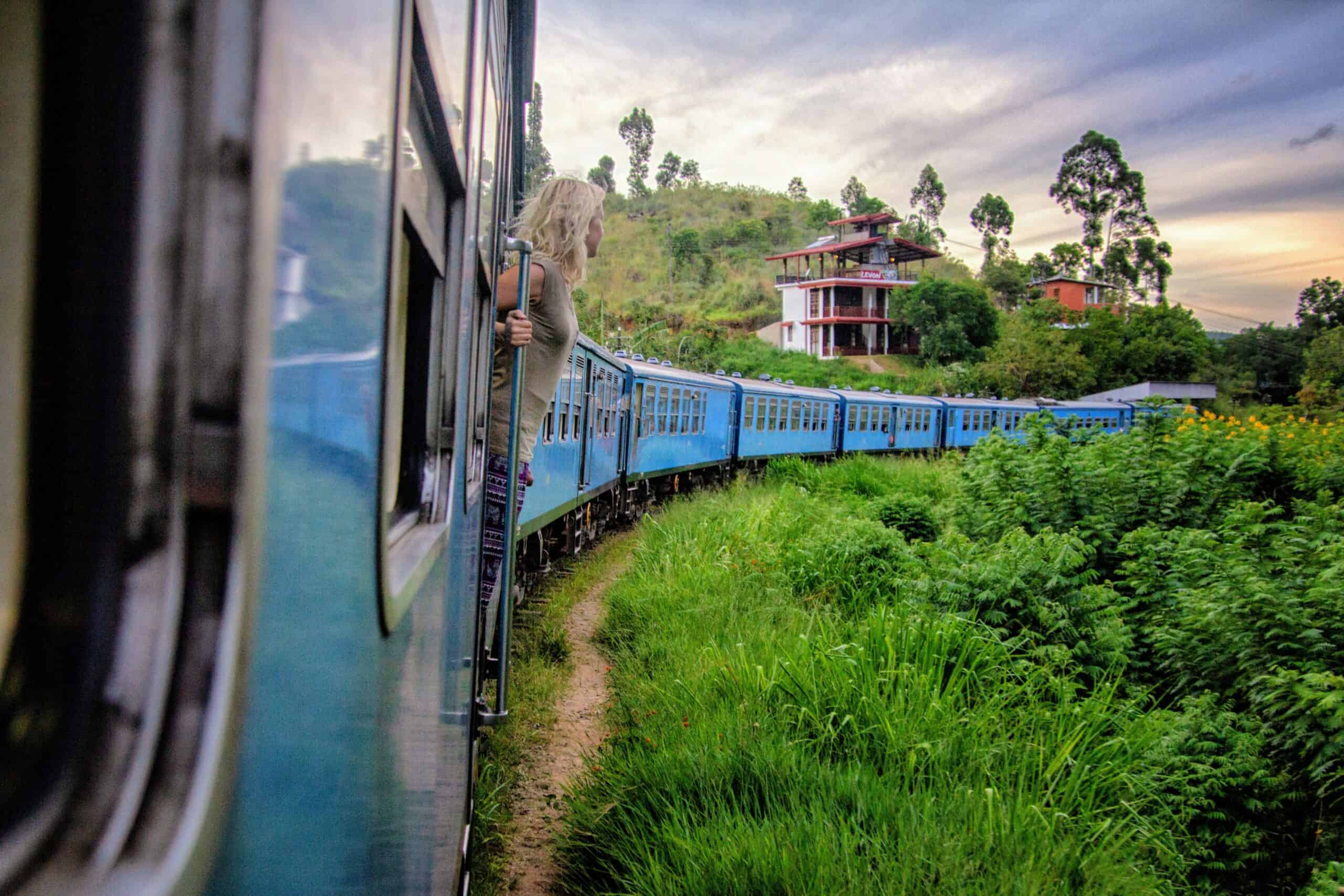
Sri Lanka gets tagged as unstable whenever protests, economic shocks, or floods hit, but the island’s daily rhythm is steadier than the clips suggest. Its pull is concrete: tea-country rail lines, coastal temples, and wildlife parks that anchor a strong tourism rebound. Costs can swing and weather can disrupt plans, yet communities adapt quickly, keeping hospitality practical rather than performative. In Colombo and the hill towns, new cafés and small studios share space with old markets, and home kitchens turn spice into comfort after hard years. The mood is resilient, and quietly warm today.