We may earn money or products from the companies mentioned in this post. This means if you click on the link and purchase the item, I will receive a small commission at no extra cost to you ... you're just helping re-supply our family's travel fund.
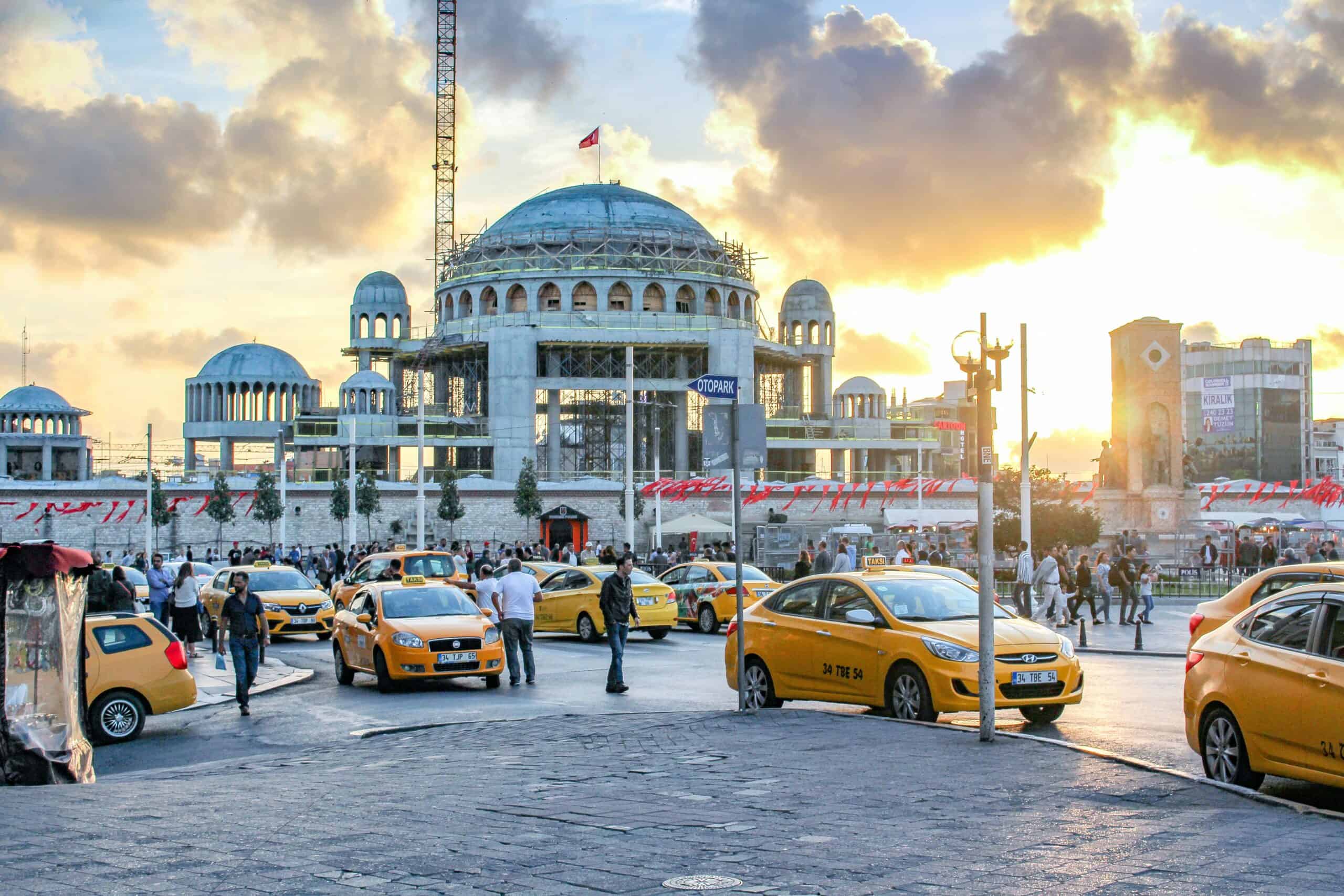
Taxis are supposed to be the easy part of travel: a short ride, a small conversation, a clean arrival. In some cities, that promise breaks down in familiar ways, usually where crowds, language gaps, and long-haul fatigue create openings for overcharging or worse. This is not about condemning an entire profession. Most drivers are honest, and many cities run excellent regulated systems. These six destinations are simply places where official advisories or reputable reporting flag recurring risks, making it worth leaning on licensed ranks, metered fares, and documented trips.
Bangkok
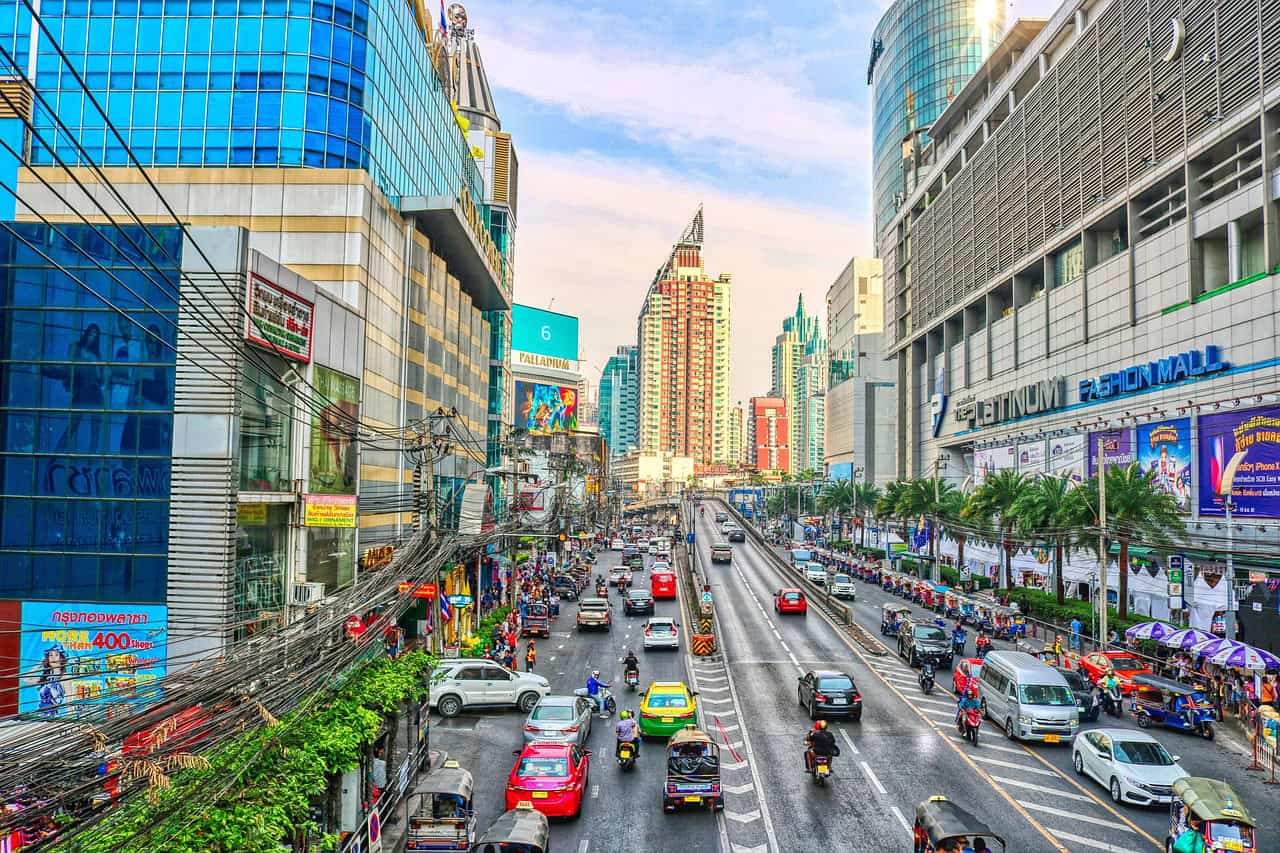
Bangkok’s taxi problems are widely discussed, not only on travel forums but in mainstream reporting. A 2025 Nation Thailand report cited Mastercard data placing Bangkok among the world’s top cities for tourist scams, with 48% linked to taxis or rental cars, and it described complaints about drivers refusing to use meters or charging inflated fares. The pattern often peaks around airports and major attractions, where negotiation replaces the meter and a rushed rider stops pushing back. Official taxi queues, upfront ride-hail pricing, and receipts keep the trip grounded in rules, and they avoid the classic detour into commission stops.
Istanbul
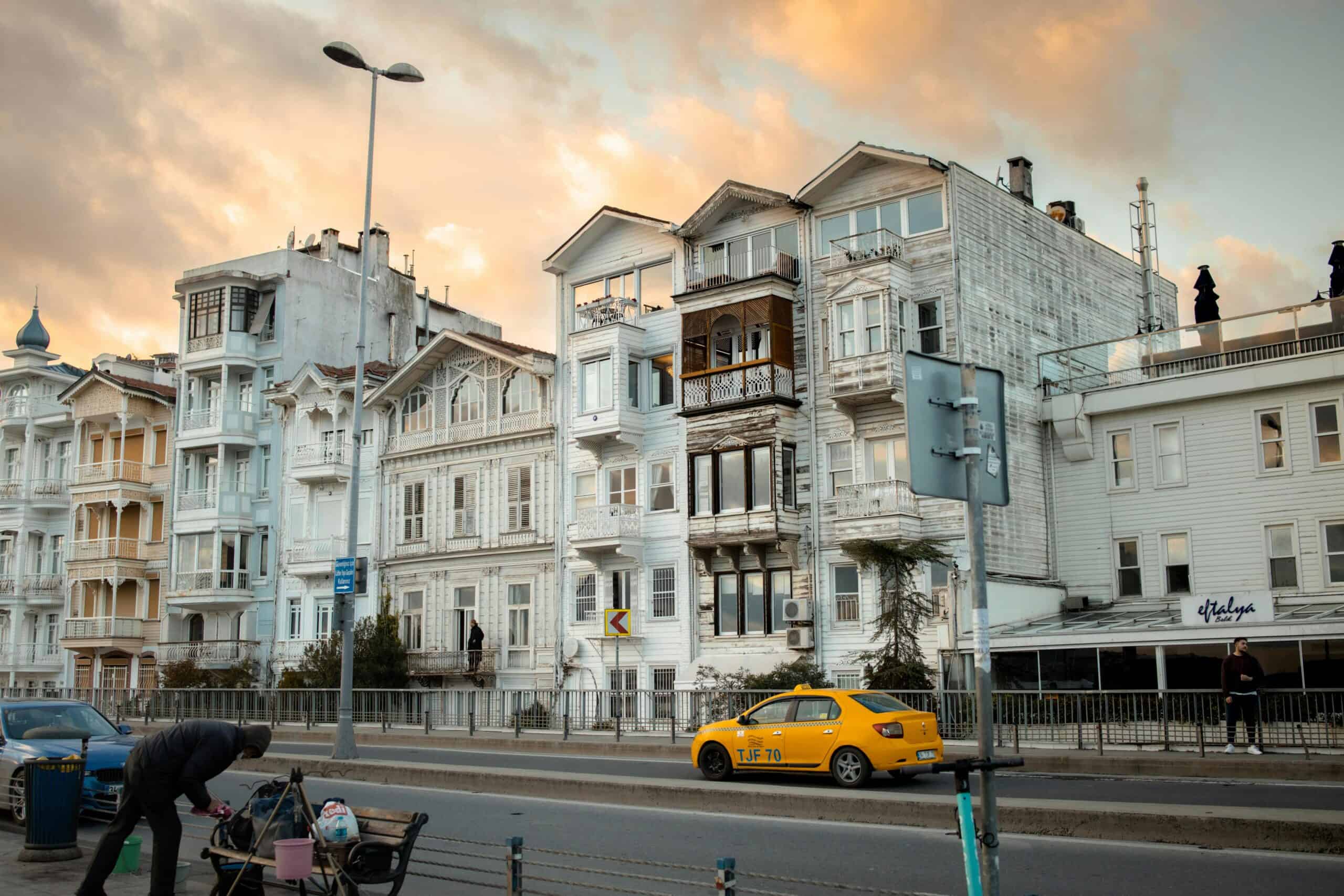
Istanbul’s issue is less “no taxis” and more “wrong taxi.” UK travel guidance warns that accepting lifts from unofficial taxis is highly risky, advising travelers to find a registered taxi, note the registration number before entering, and ensure the fare is metered, with app-based and pre-booked rides as safer options. Overcharging can start with a claim that the meter is broken, a sudden route detour, or a fast switch into a higher tariff once the car is moving. A quick photo of the plate, payment in local currency, and watching the meter total at arrival helps, and a calm refusal to ride without a running meter usually ends the argument early.
Rome
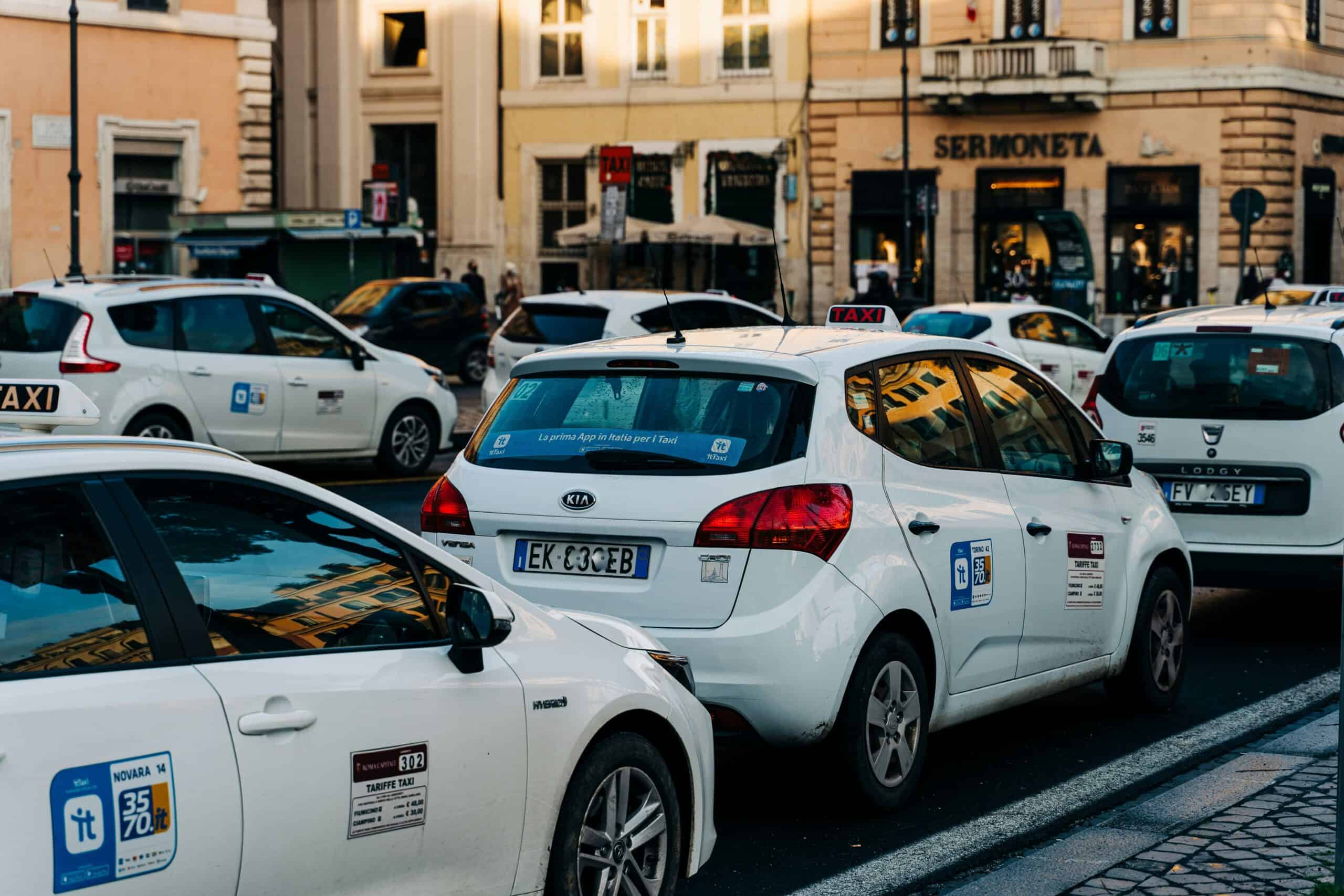
Rome is a city where the rules are posted, and the friction comes from pretending they are flexible. Roma Servizi per la Mobilità tells riders to verify the meter is on and to always ask for a receipt, and it lists predetermined airport fares, including a fixed €55 per vehicle between Fiumicino and destinations inside the Aurelian Walls, supplements included. That clarity makes common tricks easier to spot: invented baggage fees, vague “night surcharges,” or a push toward an unmetered flat price for a short hop. Using official stands and walking away from debate keeps control with the passenger.
Paris
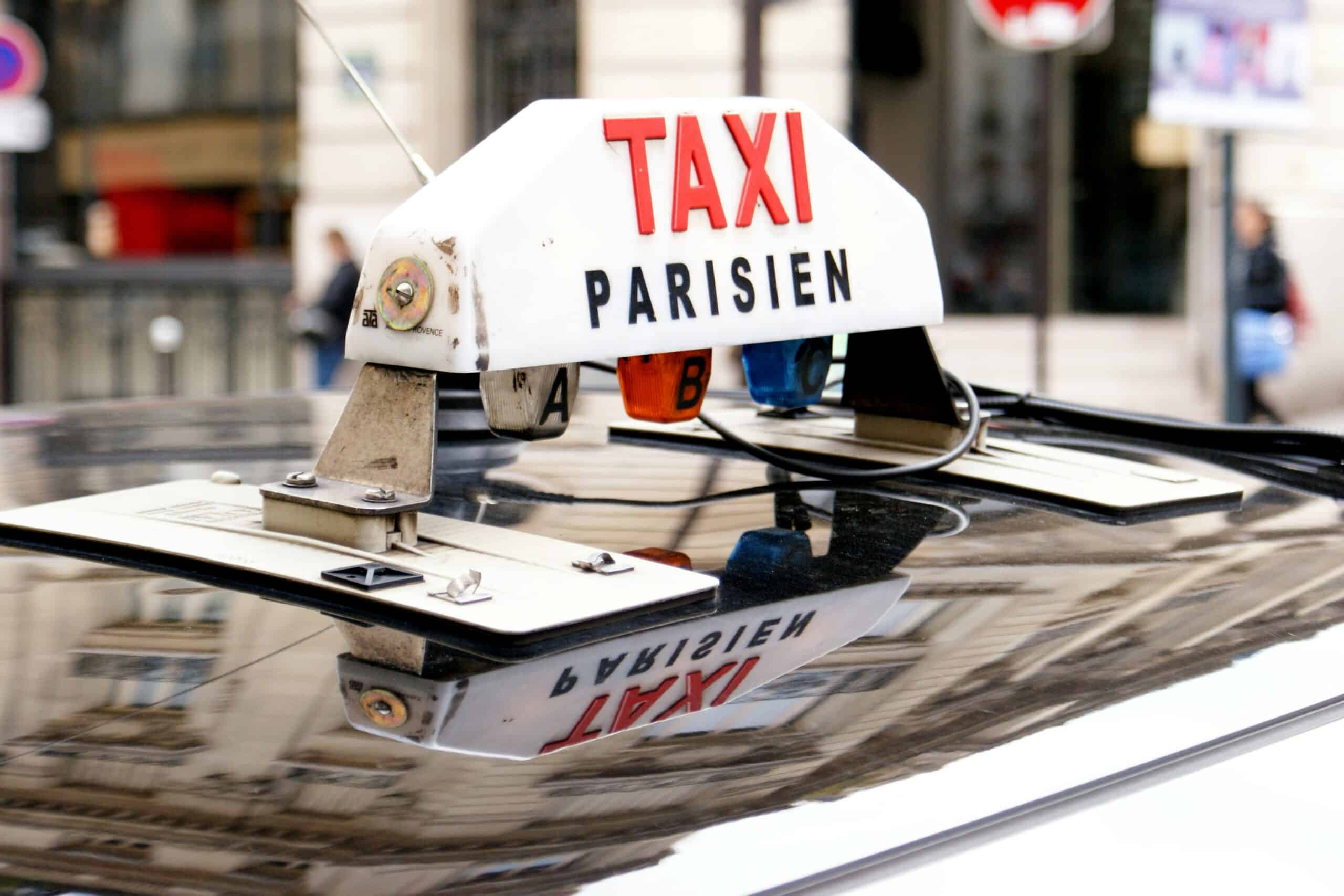
Paris has regulated airport fares, which is exactly why scams concentrate where arrivals are tired and disoriented. France’s Service-Public lists 2025 flat rates between Charles de Gaulle and Paris: €56 to the Right Bank and €65 to the Left Bank, regardless of traffic. Separate reporting has described unregistered drivers overcharging arriving passengers at CDG, a problem serious enough to prompt tighter controls and public attention. Flat rates apply for airport trips, not random rides from stations, so a surprise fixed-price pitch is a warning sign, and staying with the official taxi line and keeping the receipt protects the passenger.
Mexico City
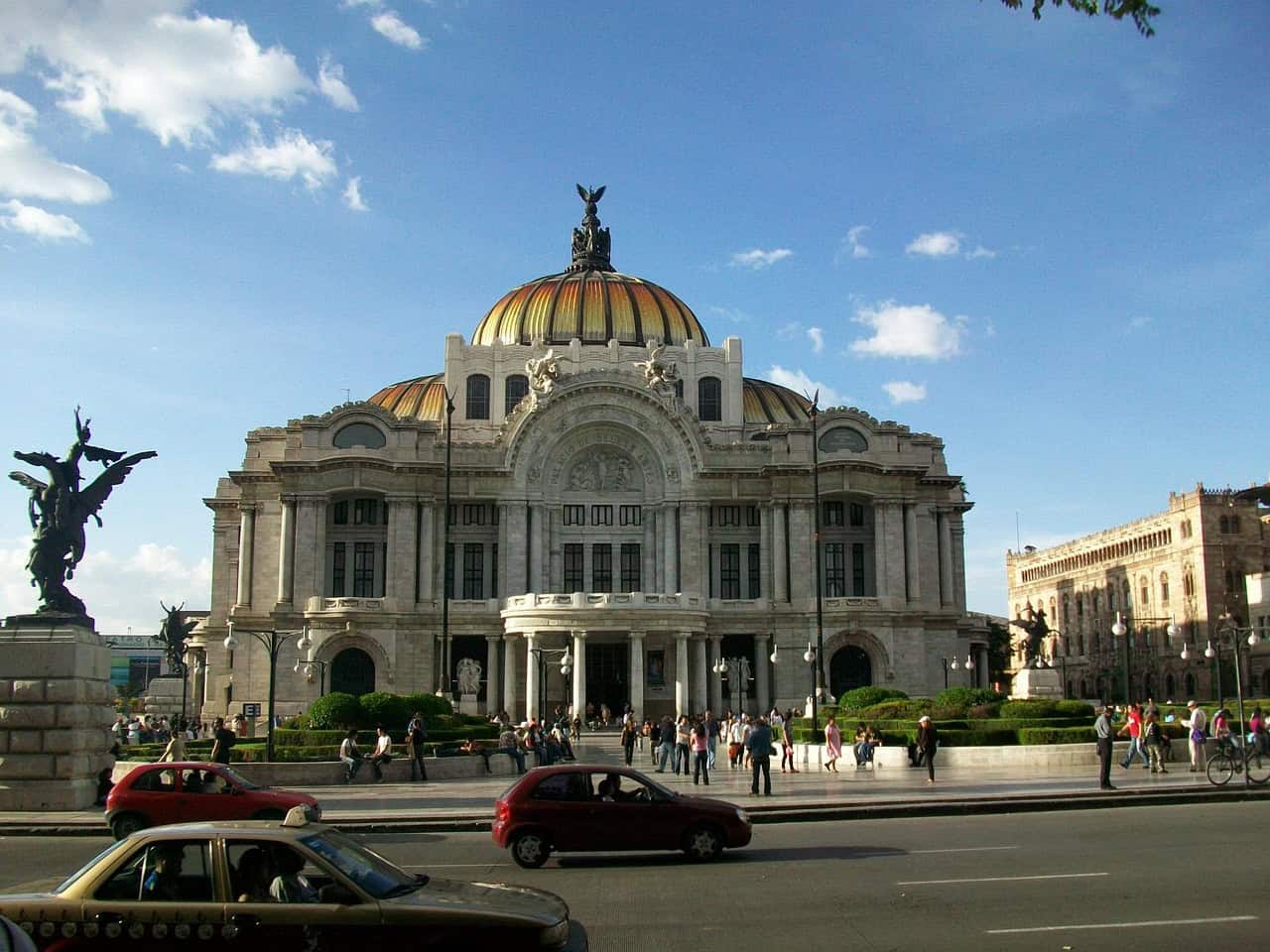
Mexico City’s taxi risk is not only about price inflation. UK travel advice warns that unlicensed taxi drivers have robbed and assaulted passengers, including in Mexico City, and it recommends using better regulated sitio taxis from authorized ranks or having a hotel order a cab, plus authorized pre-paid airport taxis. That guidance exists because street hails can mix legitimate drivers with opportunists, and the difference is hard to judge in the moment. Pre-paid airport kiosks, official ranks, and recorded trip details reduce both payment games and the chance of getting stuck in the wrong car when energy is low, and language barriers are high.
Marrakech
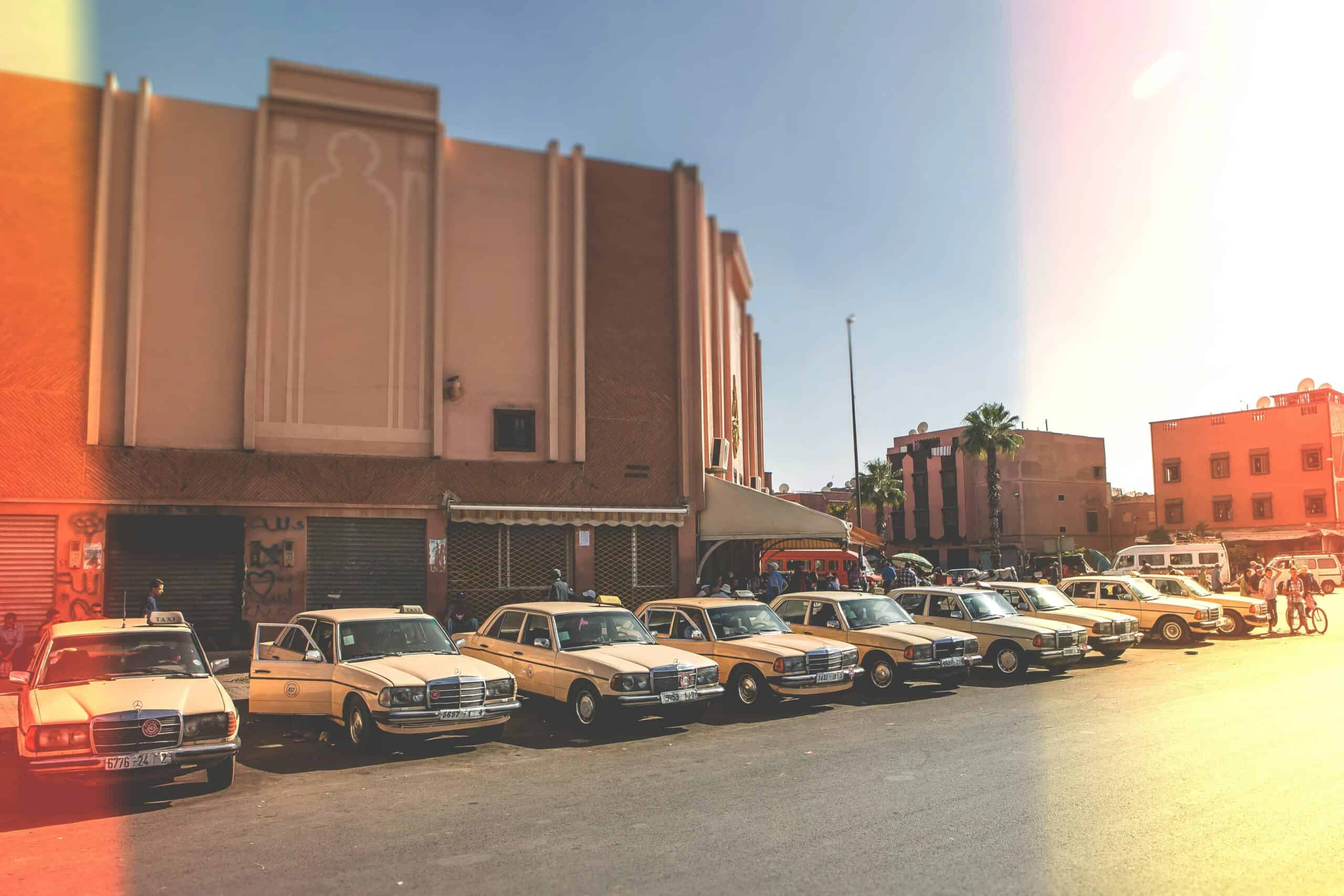
Marrakech’s taxi culture can be smooth, but problems spike when a ride is unlicensed or informally arranged. UK travel guidance for Morocco notes that many app-booked taxis may be unregulated and unlicensed, and police may tell passengers to get out if a taxi is unlicensed. It also advises avoiding sharing taxis with strangers, since surprise passengers can change the tone of a ride. In the medina, short distances invite inflated quotes, so hotel-arranged cars, clearly identified petit or grand taxis, and an agreed fare before the door closes keep the ride predictable, especially at night. A written fare quote helps if a dispute starts.