We may earn money or products from the companies mentioned in this post. This means if you click on the link and purchase the item, I will receive a small commission at no extra cost to you ... you're just helping re-supply our family's travel fund.
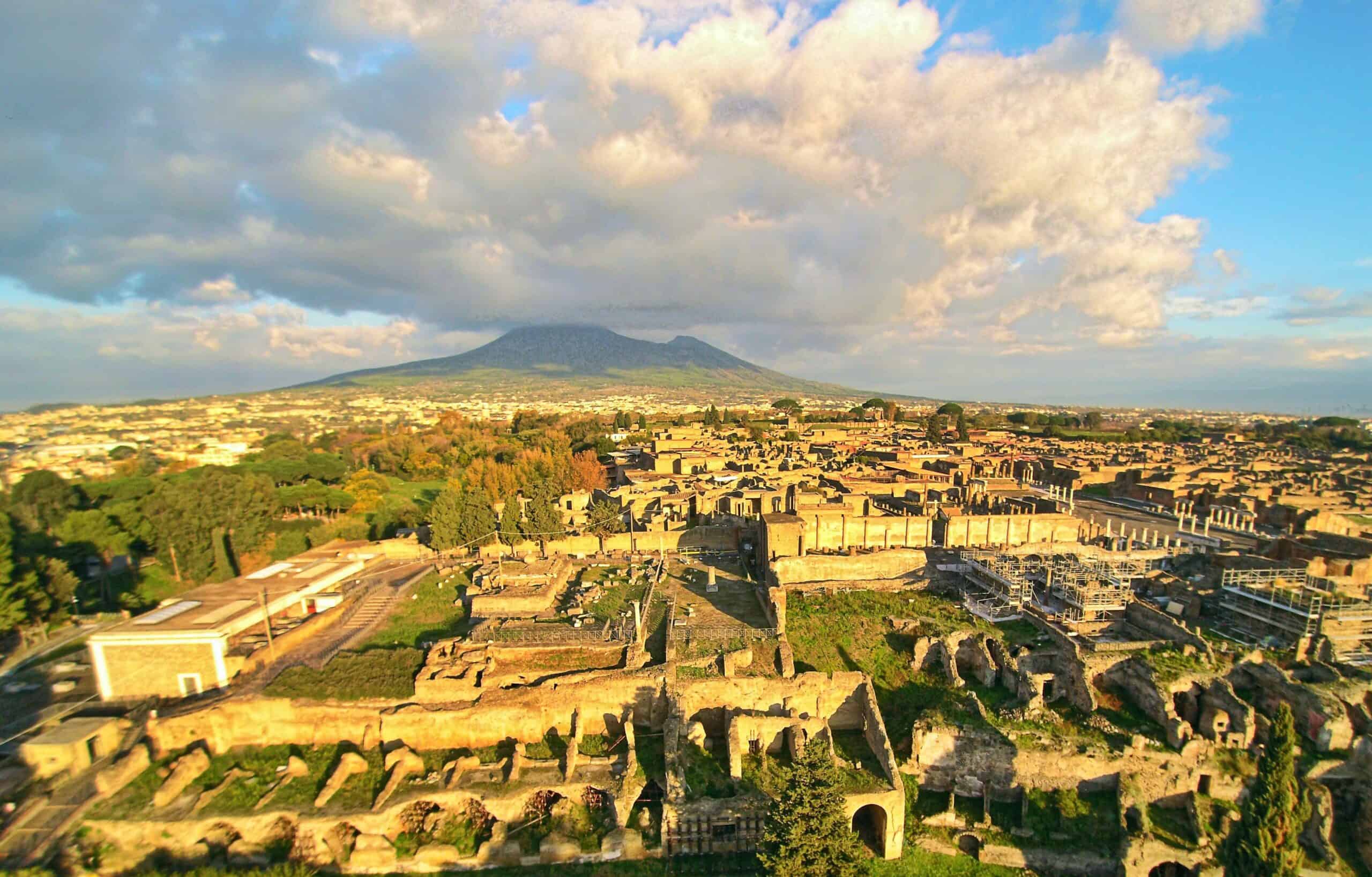
Some destinations do more than display ruins. They restore context. A paved street still shows cart grooves, a temple stairway follows the sun, and an old reservoir explains how a city survived dry seasons. The strongest archaeological sites make the past feel practical as well as poetic, revealing how people organized food, faith, power, and daily life long before modern systems existed. These six places span continents and eras, yet each offers the same rare experience: history that can be walked, read, and felt in real space.
Machu Picchu, Peru
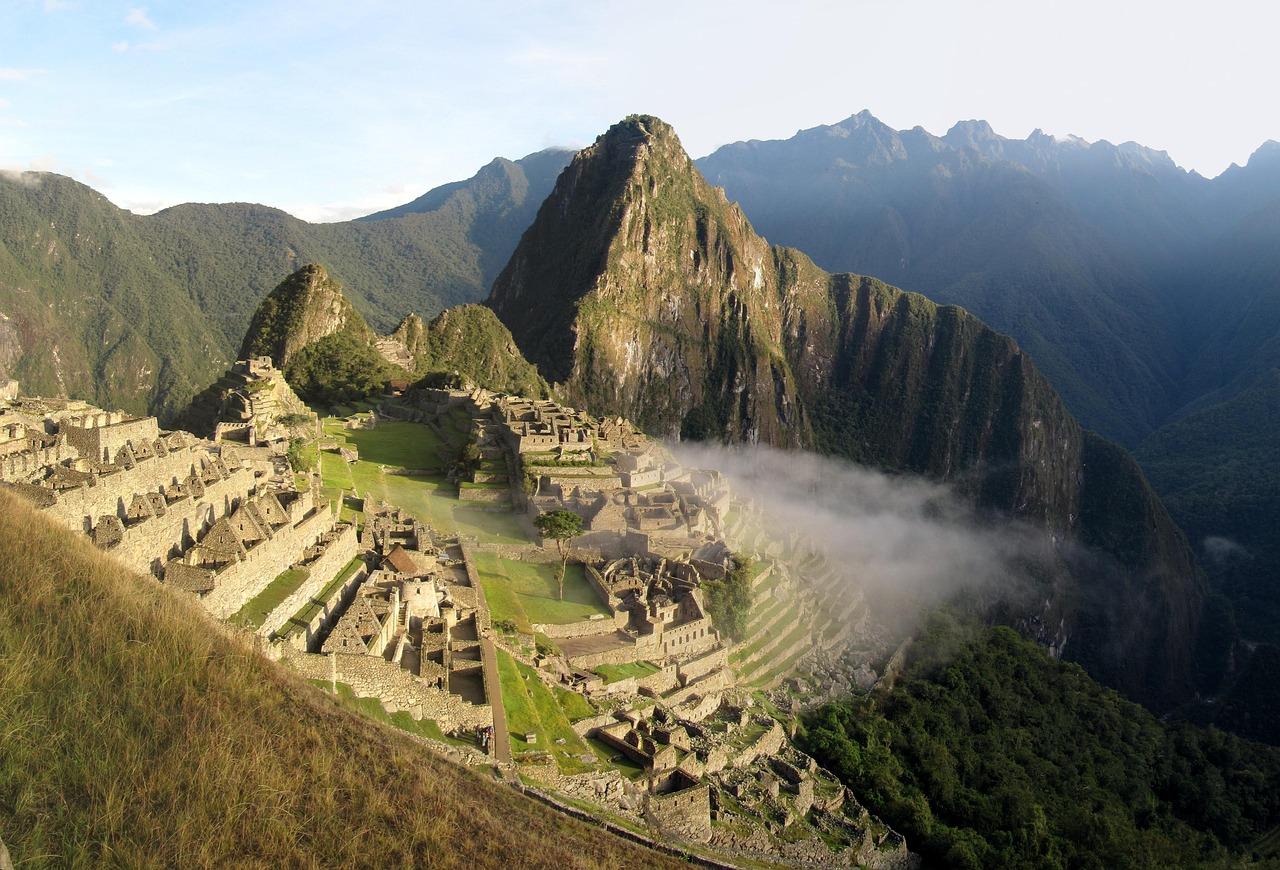
Machu Picchu rises above the Urubamba Valley with an authority that feels earned, not theatrical. Built in the 15th century, the Inca citadel combines terraces, drainage, and precision-cut stonework that still performs under heavy mountain weather, proving this was advanced planning, not improvisation. The site’s power comes from fit: architecture follows ridgelines, sacred spaces align with horizon points, and every staircase seems to acknowledge altitude and ritual at once. It is beautiful, yes, but the deeper impression is competence on a grand scale, carved into cloud and granite.
Petra, Jordan
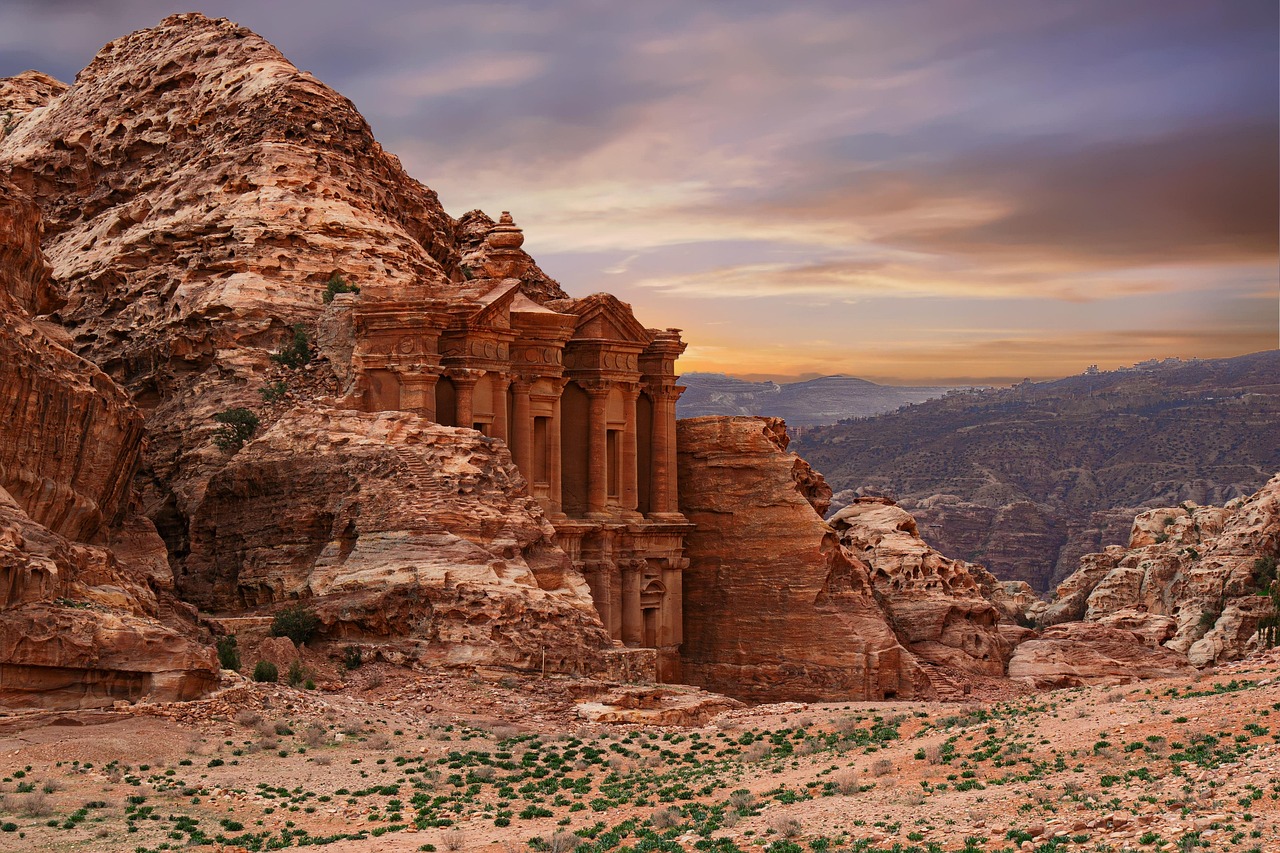
Petra is often reduced to one façade, but the real city is much larger and far more complex. The Nabataeans carved tombs, ceremonial fronts, and civic spaces into sandstone while mastering water capture through channels, cisterns, and dams in an arid landscape where storage meant survival. Walking through the Siq into broader valleys reveals a place engineered for trade, movement, and political theater at the same time. Petra’s beauty is undeniable, yet its lasting impact comes from intelligence in harsh conditions, where design solved both symbolism and logistics.
Pompeii, Italy
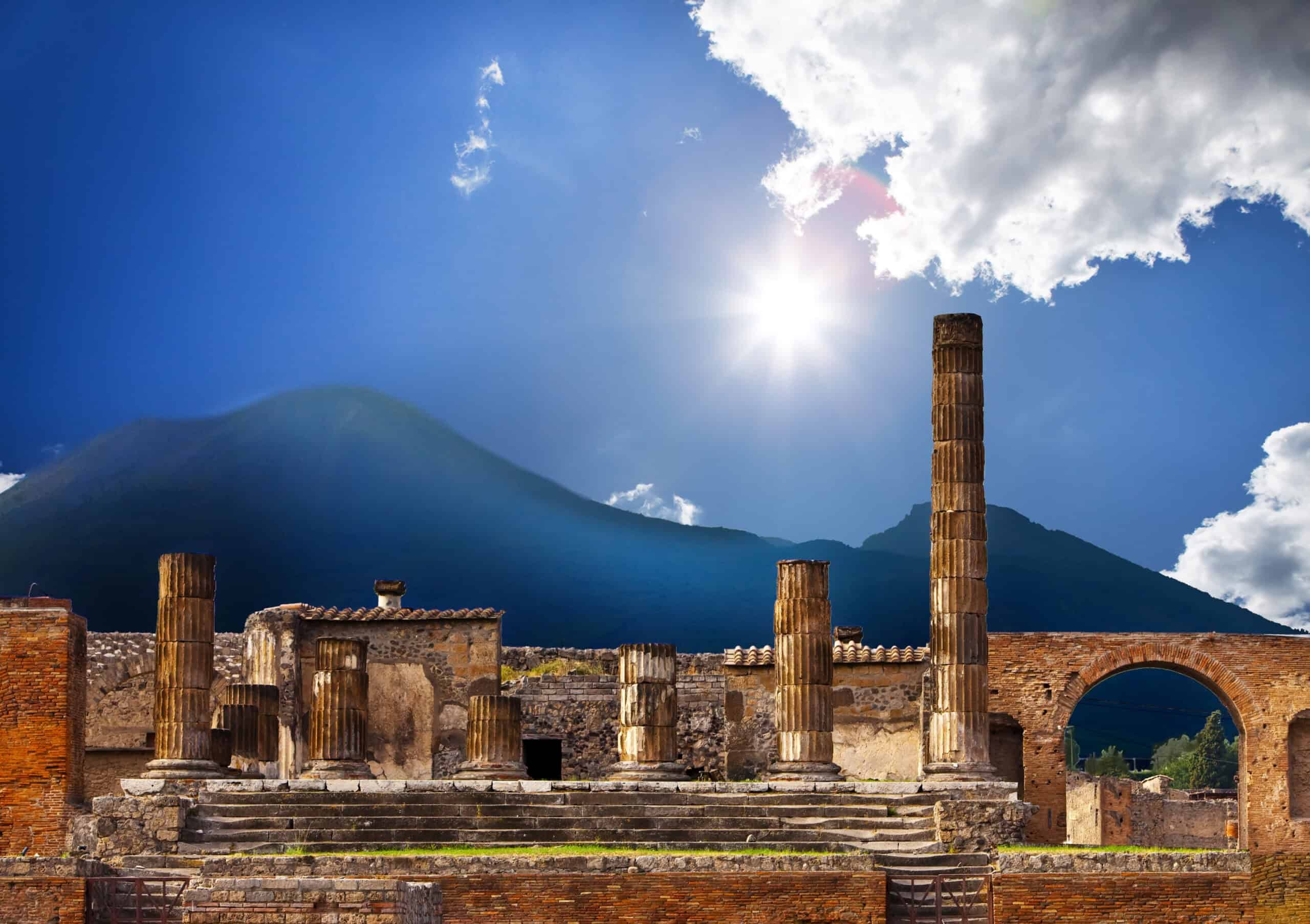
Pompeii remains one of the clearest records of Roman urban life because volcanic ash preserved daily details with unusual fidelity after A.D. 79. Streets, homes, workshops, baths, and taverns still map a living city, showing class divisions, commercial patterns, and social habits without much guesswork. Mosaic floors and wall paintings attract attention, but the strongest moments are often simpler: a bakery millstone, a courtyard drain, a painted shop sign, evidence of routine rather than spectacle. The site feels immediate because ordinary life survived beside catastrophe.
Angkor, Cambodia
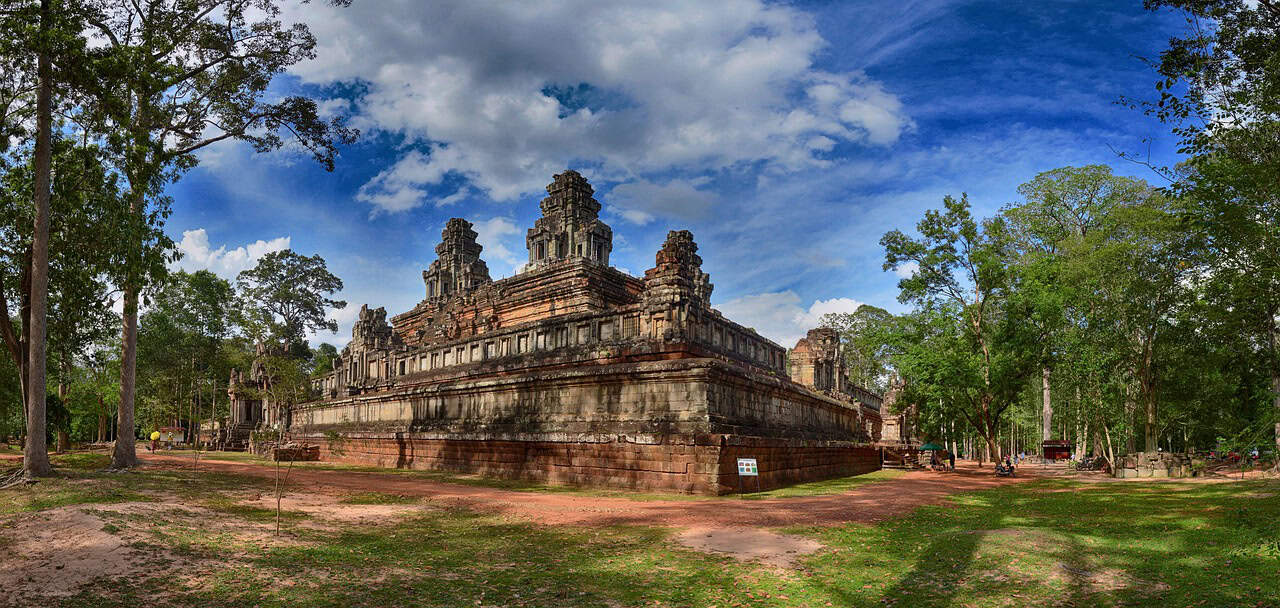
Angkor is not one monument. It is an immense urban and ceremonial landscape where temples, roads, and hydraulic systems worked together across centuries of Khmer statecraft. Angkor Wat and Bayon provide visual anchors, yet the deeper story sits in the surrounding infrastructure: reservoirs, canals, embankments, and planned corridors that supported dense populations and ritual power. The scale can feel overwhelming until patterns emerge, and then the logic becomes clear. Angkor’s genius lies in integration, where religion, governance, and environmental engineering formed one connected civic machine.
Chichén Itzá, Mexico
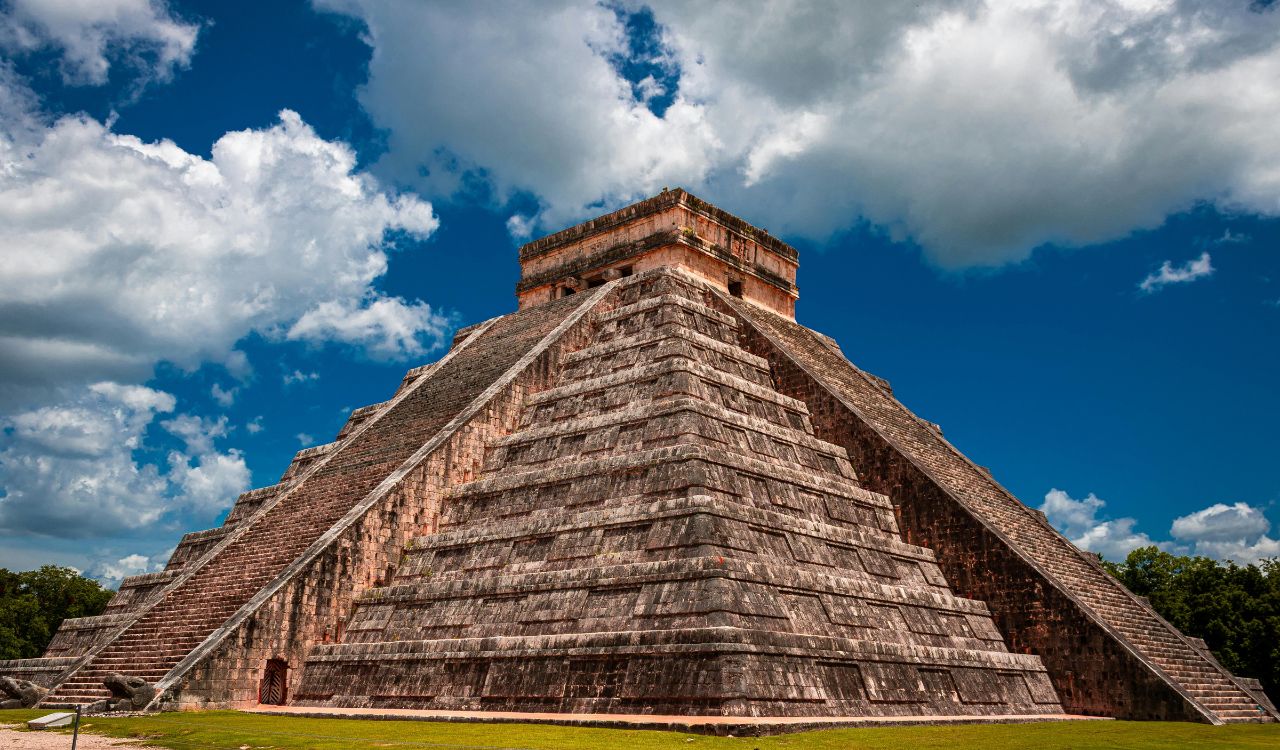
Chichén Itzá demonstrates how architecture can carry political authority, cosmology, and public spectacle in one coherent plan. The Pyramid of Kukulcán dominates the skyline, but nearby structures, including the Great Ball Court and sacred cenote zones, reveal a broader system of ritual, performance, and regional control. Spatial layout mattered here. Movement through plazas and platforms communicated hierarchy long before a word was spoken. The site’s strength is clarity: it shows how design can organize belief and governance at city scale while still producing unforgettable visual drama.
Göbekli Tepe, Türkiye
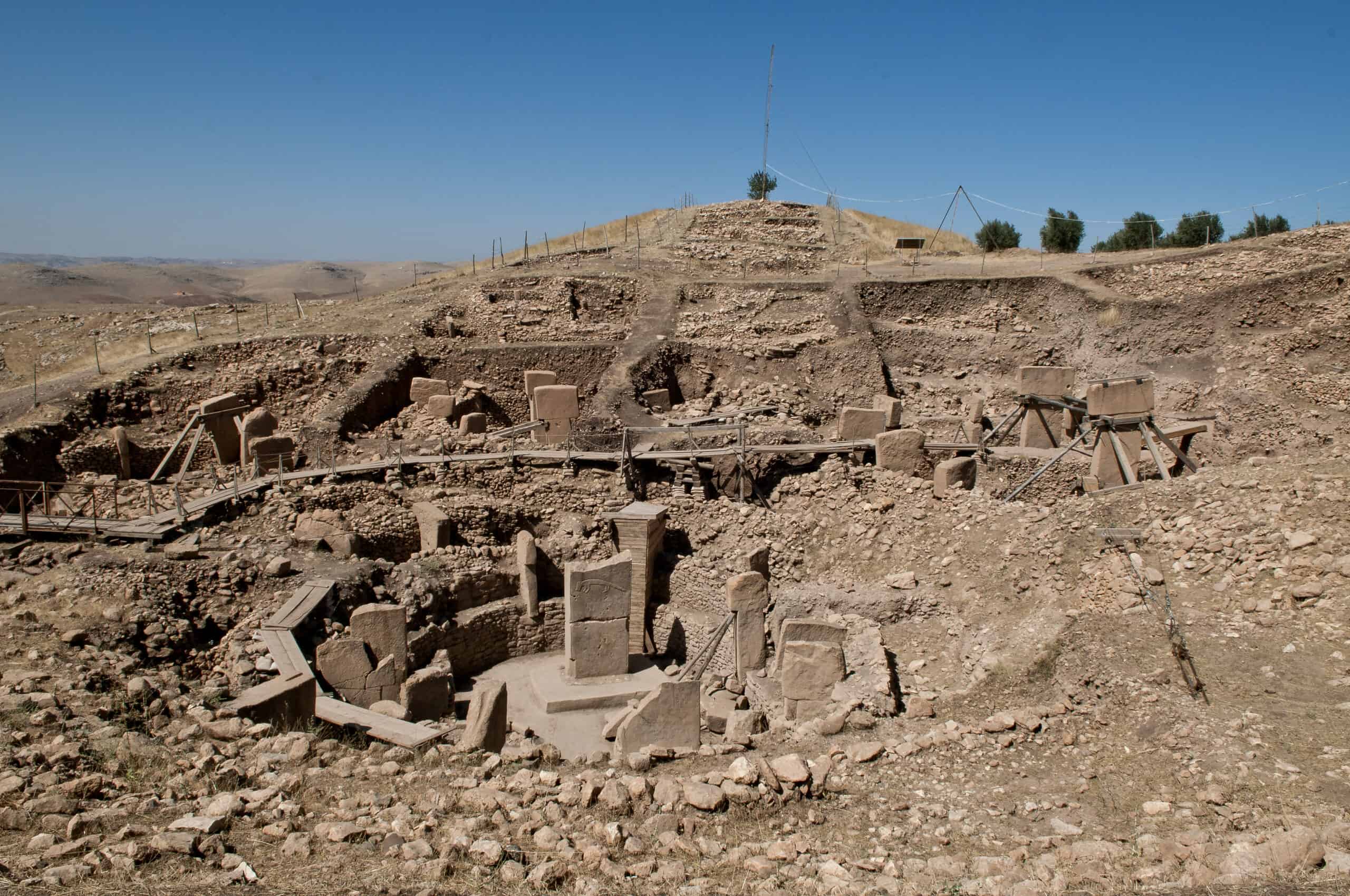
Göbekli Tepe changed archaeology by pushing monumental ritual architecture deep into the Pre-Pottery Neolithic, long before cities, states, or metal tools. Massive T-shaped pillars, many carved with animals and abstract symbols, indicate coordinated labor and symbolic thinking at an unexpectedly early stage of human social life. The site does not offer easy answers, and that uncertainty is part of its pull. It suggests that shared ritual may have helped organize communities before agriculture fully settled, challenging older timelines and forcing a rethink of how civilization began.