We may earn money or products from the companies mentioned in this post. This means if you click on the link and purchase the item, I will receive a small commission at no extra cost to you ... you're just helping re-supply our family's travel fund.
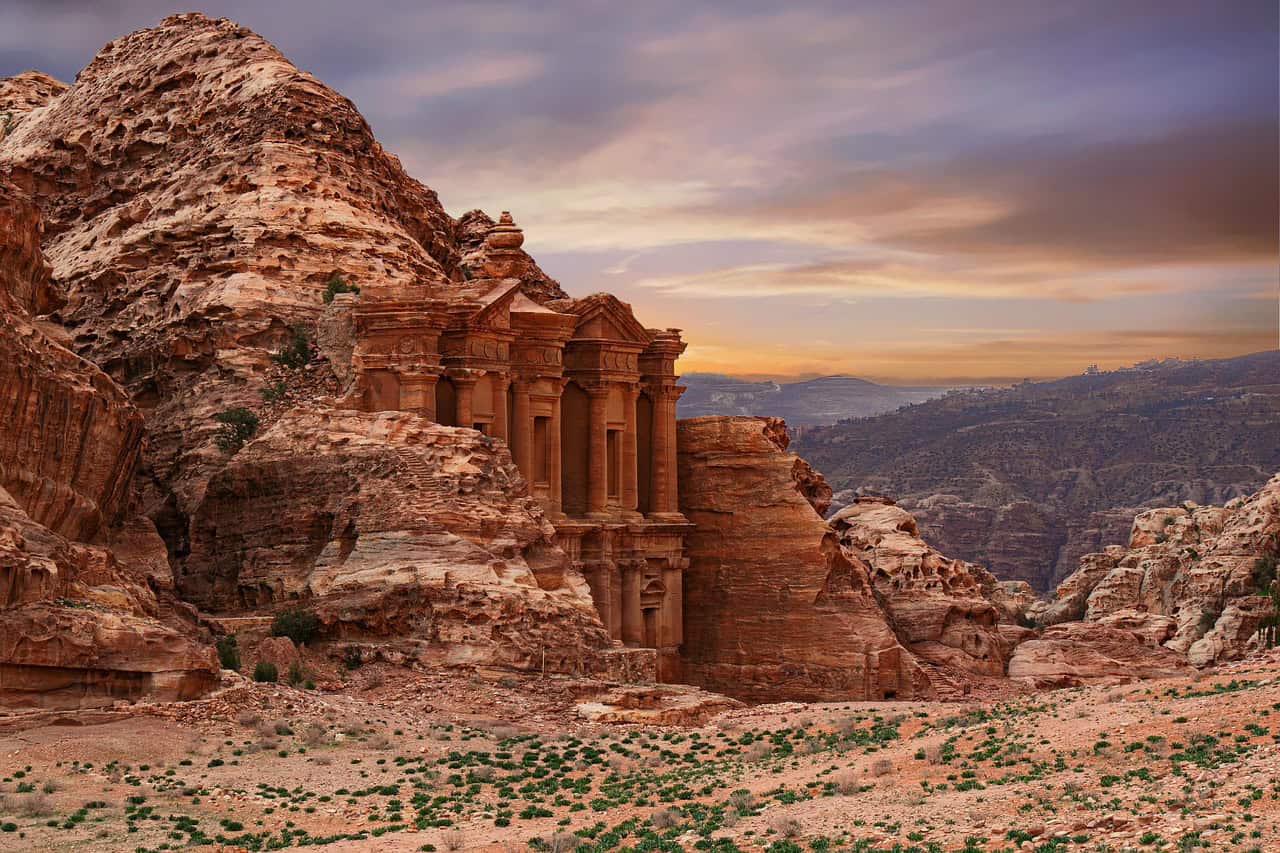
Some ancient places don’t just survive time, they command it. These sites were shaped by civilizations that mastered stone, astronomy, belief systems, and geography long before modern tools existed. Visiting them is not about sightseeing alone, but about standing inside human ambition frozen in earth and rock. Each destination below offers more than ruins; it offers measurable scale, historical depth, and moments that recalibrate how vast human history really is. These are places people cross continents for, and rarely forget.
1. Machu Picchu, Peru
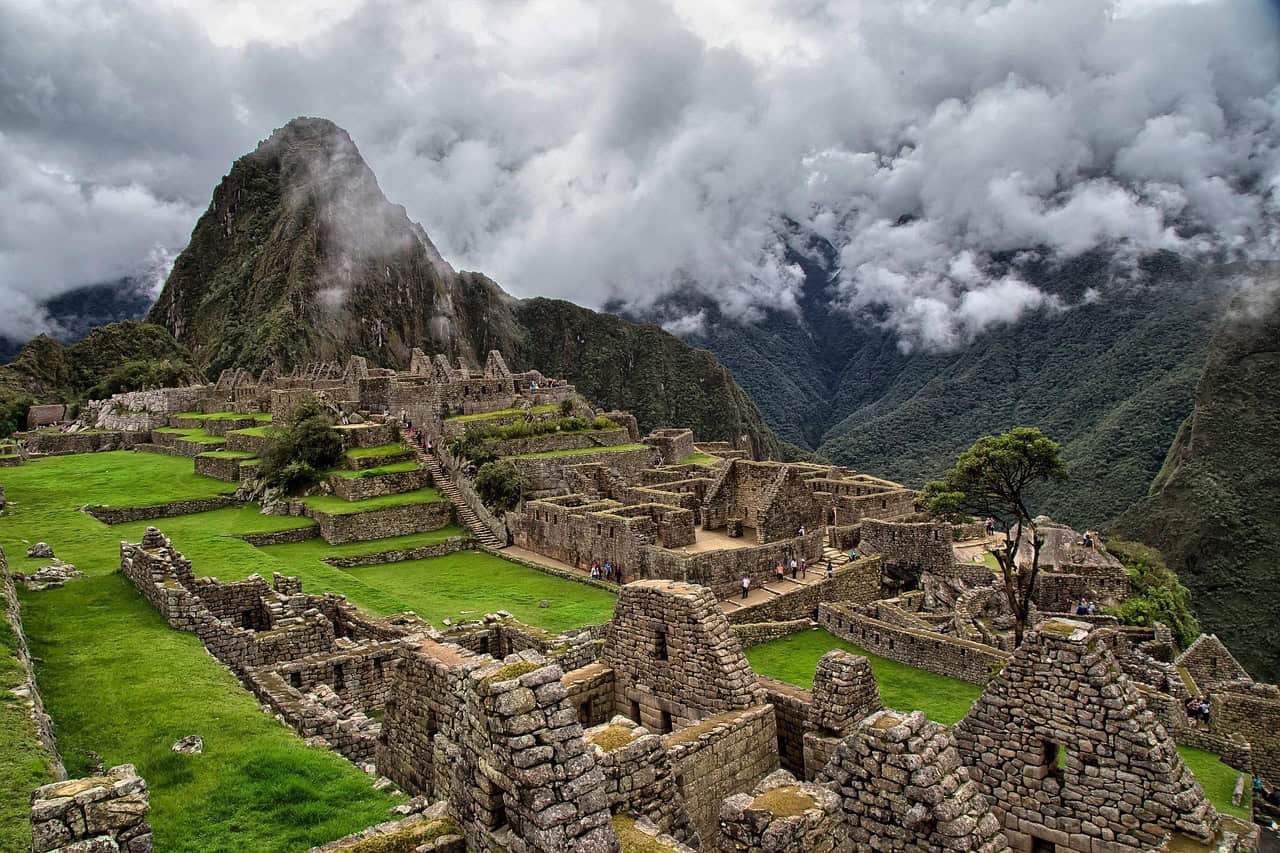
Machu Picchu sits at roughly 2,430 meters above sea level, hidden among steep Andean ridges that once shielded it from Spanish discovery. Built around 1450 CE, the Inca city contains over 200 stone structures, including temples, residences, and agricultural terraces engineered for mountain farming. The granite blocks were cut and fitted without mortar, some weighing several tons, yet they still resist earthquakes today. What makes the site remarkable is its planning, water channels still function after 500+ years. Surrounded by cloud forests and accessed only by rail or multi-day treks, Machu Picchu feels deliberately secluded, as if location itself was part of its design rather than an afterthought.
2. Petra, Jordan
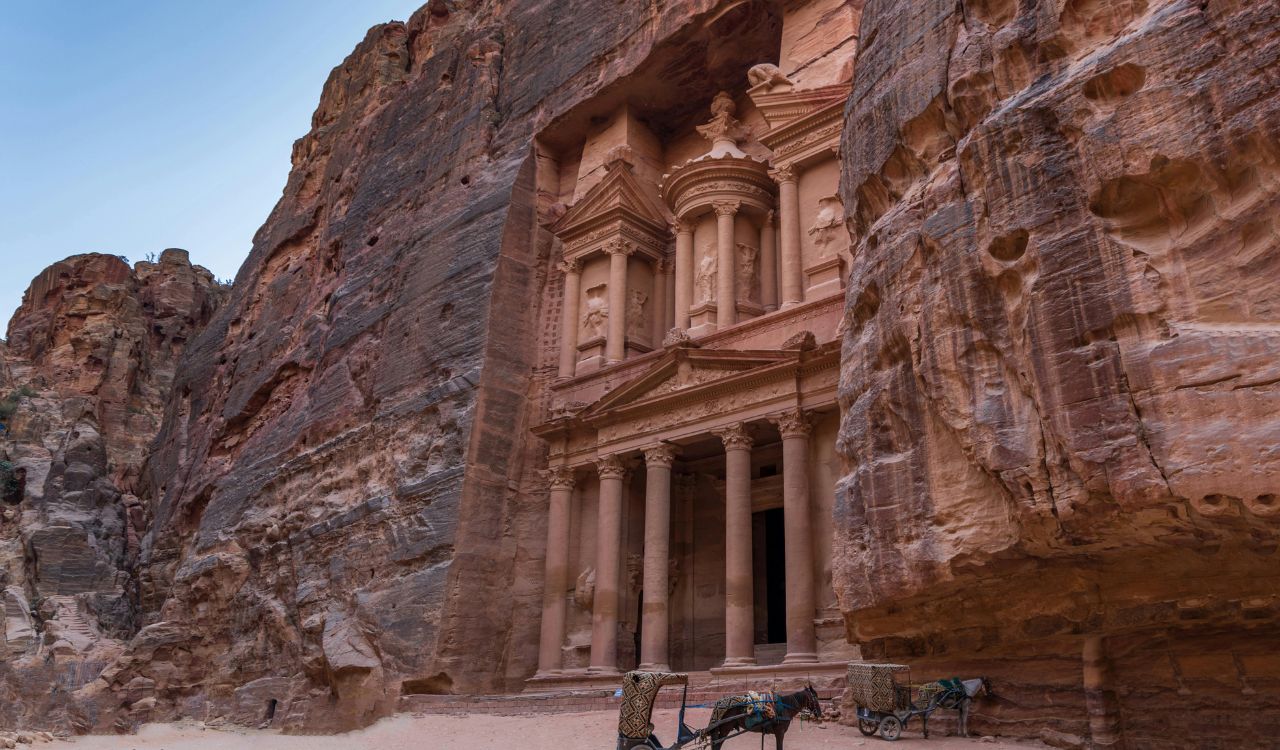
Petra was established as early as 300 BCE and later flourished as a Nabataean trade capital linking Arabia, Egypt, and the Mediterranean. The city stretches across more than 260 square kilometers, carved directly into sandstone cliffs that change color with the sun. Its most famous structure, Al-Khazneh, rises nearly 40 meters high and was sculpted vertically from solid rock. Beyond it lie over 800 documented tombs, water reservoirs, and stairways cut into mountains. Petra’s advanced water-management system allowed tens of thousands to live in desert terrain, proving the city’s brilliance was practical as well as monumental.
3. Angkor Wat, Cambodia
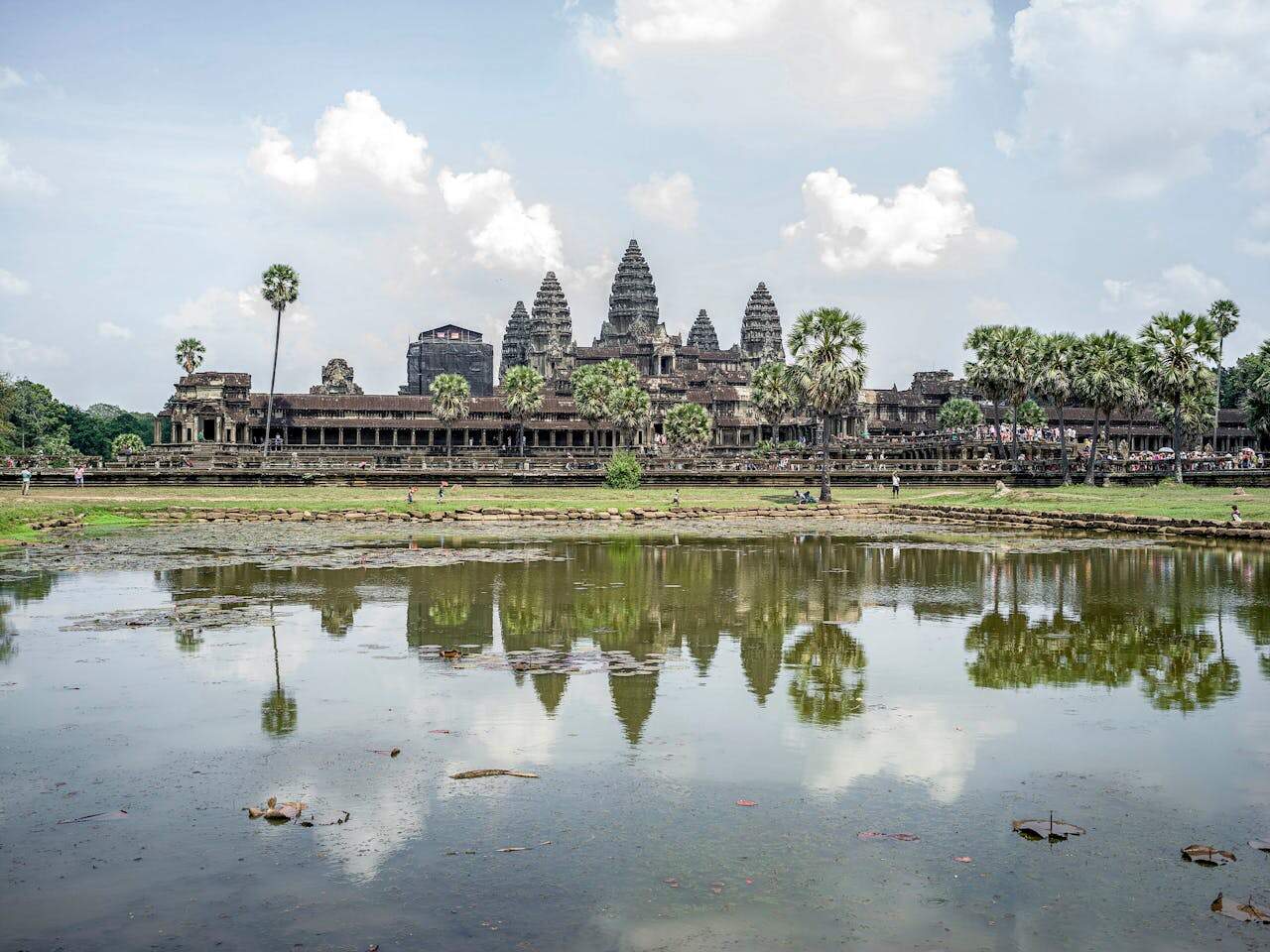
Angkor Wat was constructed in the early 12th century and covers approximately 162 hectares, making it the largest religious monument ever built. Originally dedicated to Vishnu, it later became a Buddhist center, reflected in its evolving carvings and statues. The central towers rise about 65 meters, symbolizing Mount Meru, while surrounding galleries contain over 800 meters of detailed bas-reliefs. What sets Angkor apart is scale, the wider Angkor complex once supported a population of nearly 750,000 people. Jungle growth now weaves through stone corridors, creating a rare balance between architecture and nature that feels alive rather than abandoned.
4. The Great Pyramids of Giza, Egypt
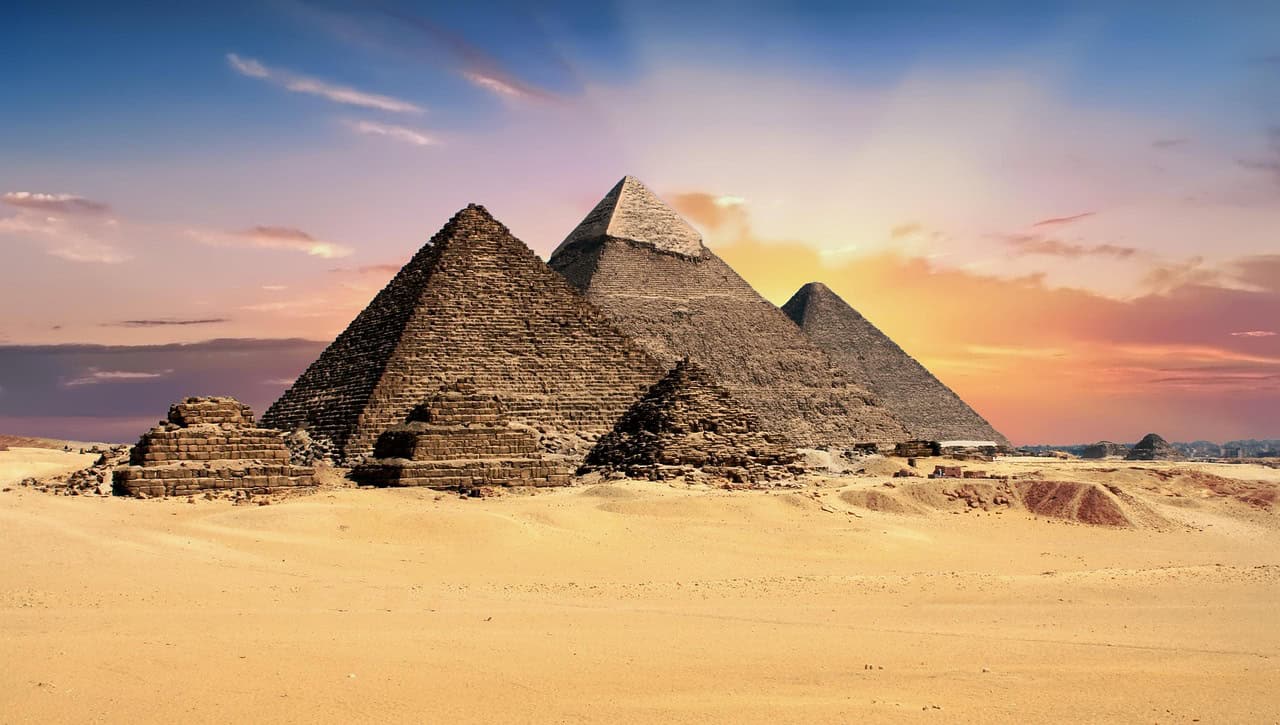
The Great Pyramid of Khufu was completed around 2560 BCE and originally stood at 146.6 meters, making it the tallest human-made structure for nearly 3,800 years. Built from an estimated 2.3 million limestone blocks, each averaging 2.5 tons, its construction precision still puzzles engineers. The Giza plateau also includes two additional pyramids, temples, and the Great Sphinx, forming a carefully planned ceremonial landscape. Despite centuries of erosion and exploration, the pyramids remain structurally stable. Standing before them, modern scale disappears, replaced by awe at what humans achieved without steel, wheels, or written blueprints.
5. Stonehenge, England
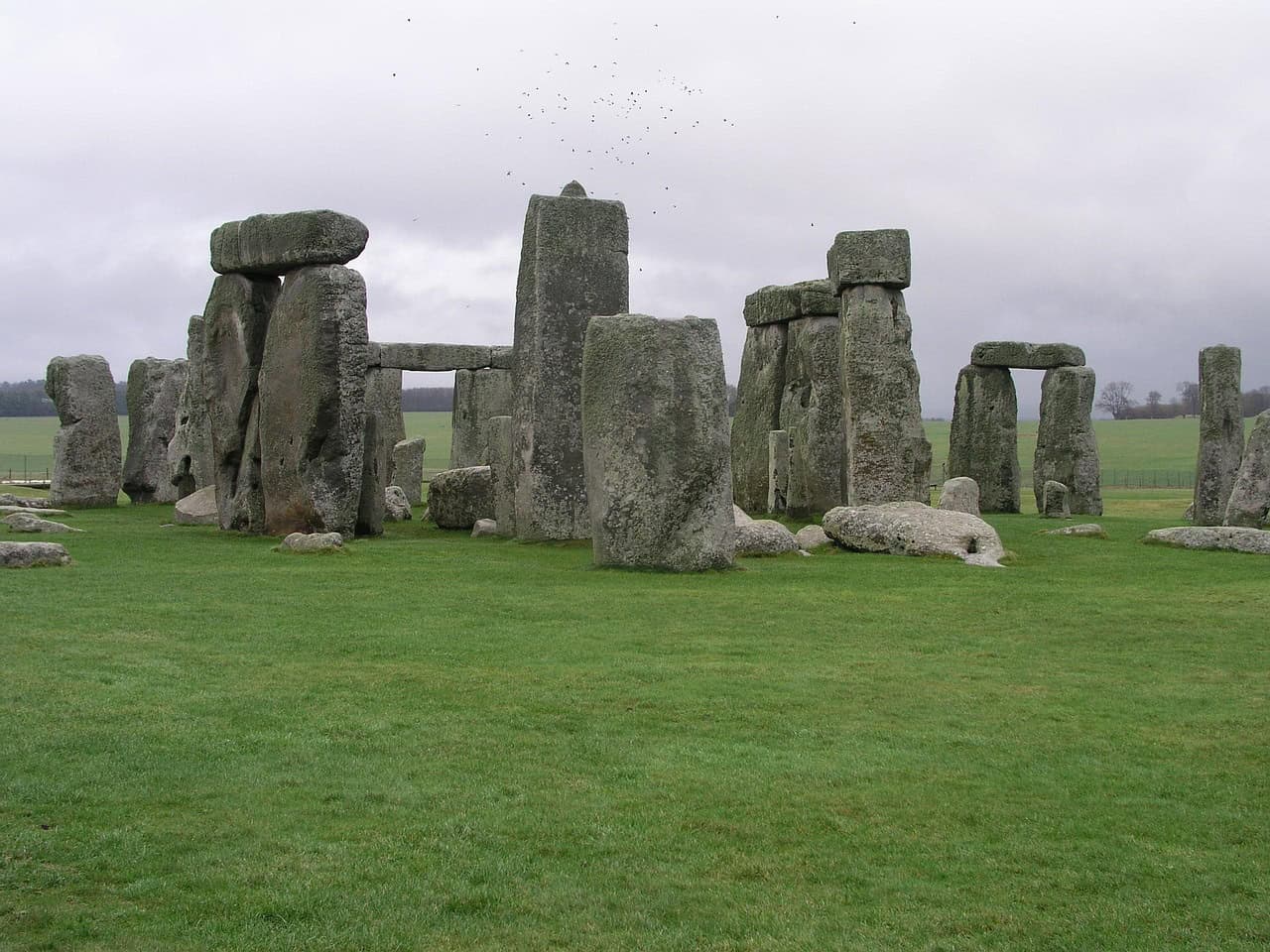
Stonehenge was assembled between 3000 and 2000 BCE, using massive sarsen stones weighing up to 25 tons each. Some bluestones were transported over 240 kilometers from Wales, a staggering feat for prehistoric communities. The circular arrangement aligns precisely with the summer and winter solstices, indicating advanced astronomical knowledge. The site includes burial remains of over 60 individuals, suggesting ceremonial importance beyond stone placement. What makes Stonehenge powerful is its restraint, no walls, no inscriptions, just raw geometry against open sky. Its unanswered purpose transforms the monument into a question rather than a conclusion.
6. Chichén Itzá, Mexico
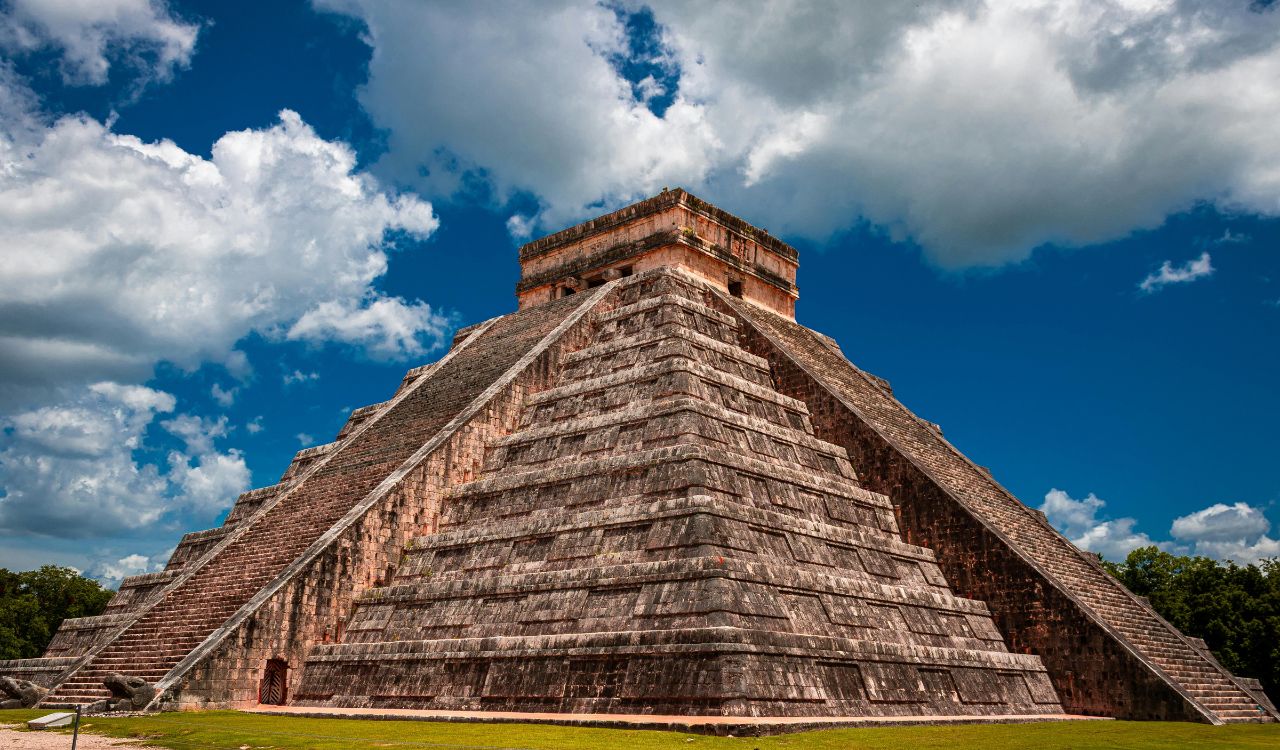
Chichén Itzá thrived between 600 and 1200 CE and spans roughly 5 square kilometers in Mexico’s Yucatán Peninsula. The pyramid El Castillo has 365 steps, mirroring the solar calendar, and during equinoxes creates a shadow serpent effect lasting about 45 minutes. The site also features the largest known Mesoamerican ball court, measuring 168 meters long. Astronomical observatories and sacred cenotes show how science, ritual, and power overlapped in Maya society. Every structure serves a function, whether celestial, civic, or symbolic, making Chichén Itzá feel less decorative and more deliberately intelligent.