We may earn money or products from the companies mentioned in this post. This means if you click on the link and purchase the item, I will receive a small commission at no extra cost to you ... you're just helping re-supply our family's travel fund.
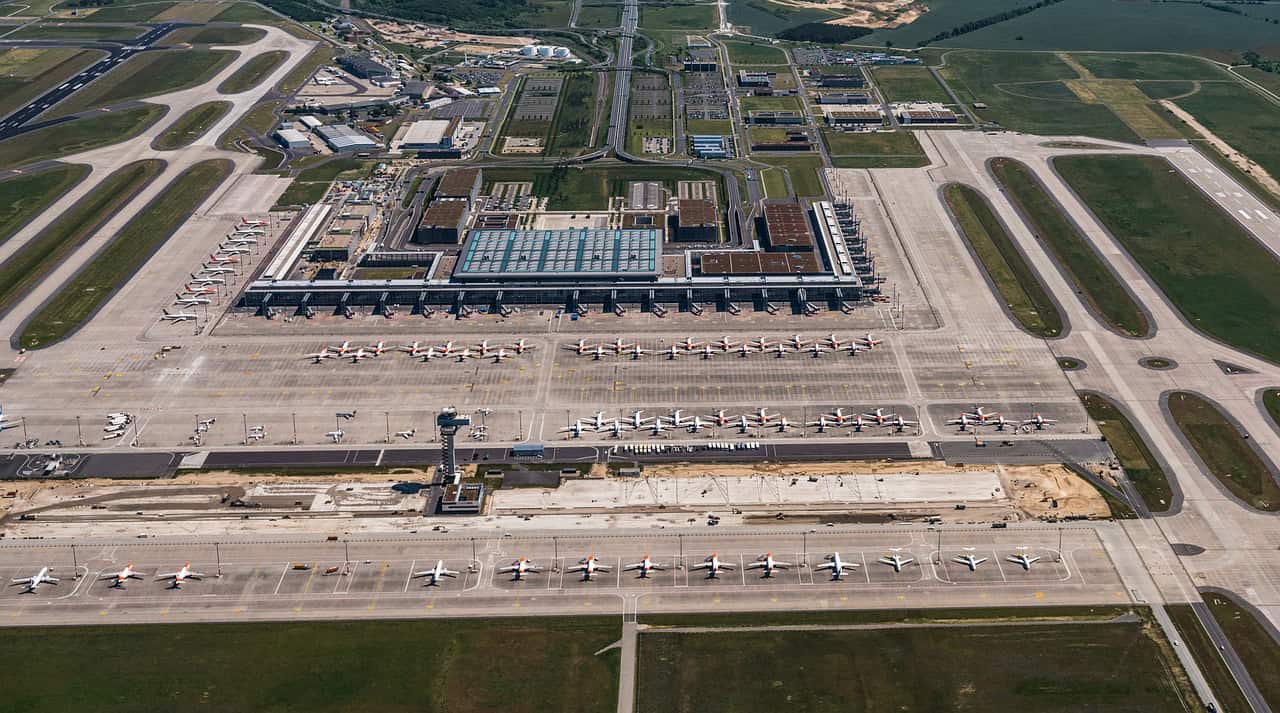
Airports are meant to be gateways, but some feel more like endurance tests. From chronic delays and impossible layouts to immigration bottlenecks and passenger overload, certain global hubs consistently turn simple trips into exhausting ordeals. These airports aren’t just busy, they’re structurally overwhelmed, operationally strained, and emotionally draining for travelers. Below are six airports where complaints, missed connections, and stress statistics stack up year after year, making them notorious for all the wrong reasons.
1. London Heathrow Airport (LHR)
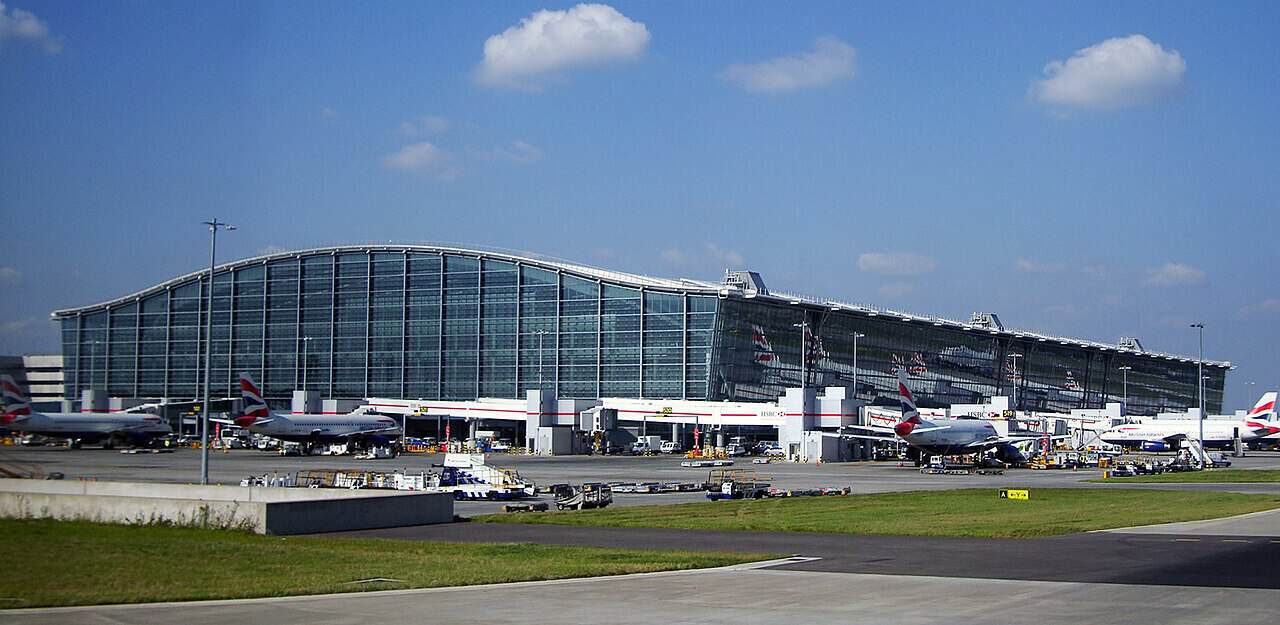
London Heathrow handles over 79 million passengers annually, yet its infrastructure was never designed for this scale. Average departure delays hover around 22–25 minutes, one of the highest among major European hubs. Terminal transfers can take 45–70 minutes, often involving buses and repeated security checks. Immigration queues regularly exceed 90 minutes during peak arrivals, especially for non-EU travelers. With just two main runways, weather disruptions ripple instantly across schedules. Add crowded lounges, limited seating, and frequent gate changes, and Heathrow becomes a pressure cooker where even experienced travelers struggle to stay on schedule or relaxed.
2. Los Angeles International Airport (LAX)
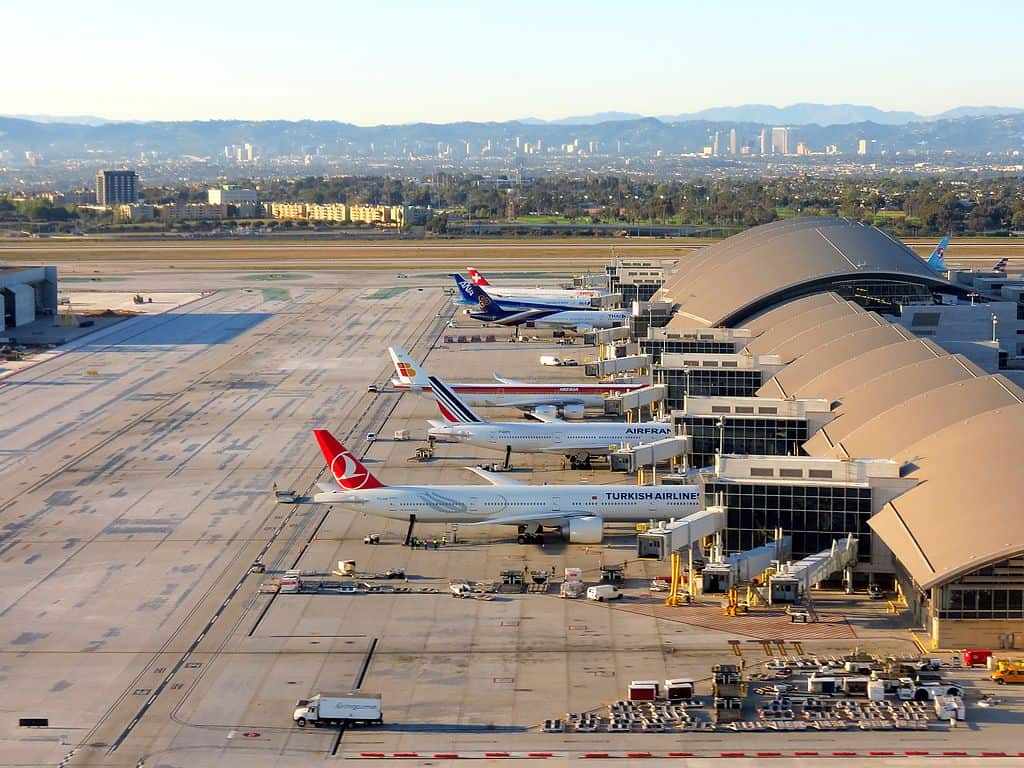
LAX processes roughly 75 million passengers per year, but its loop-based road system collapses daily under traffic volume. It’s common for vehicles to take 45 minutes to exit the airport during peak hours. Inside, average TSA wait times exceed 35 minutes, while terminal-to-terminal transfers can take over 60 minutes without airside connections. Delays affect nearly 1 in 4 flights, often due to congestion rather than weather. Ongoing construction worsens confusion, with signage frequently changing. For international arrivals, customs processing can stretch past 2 hours, making LAX a masterclass in urban travel chaos.
3. Paris Charles de Gaulle Airport (CDG)
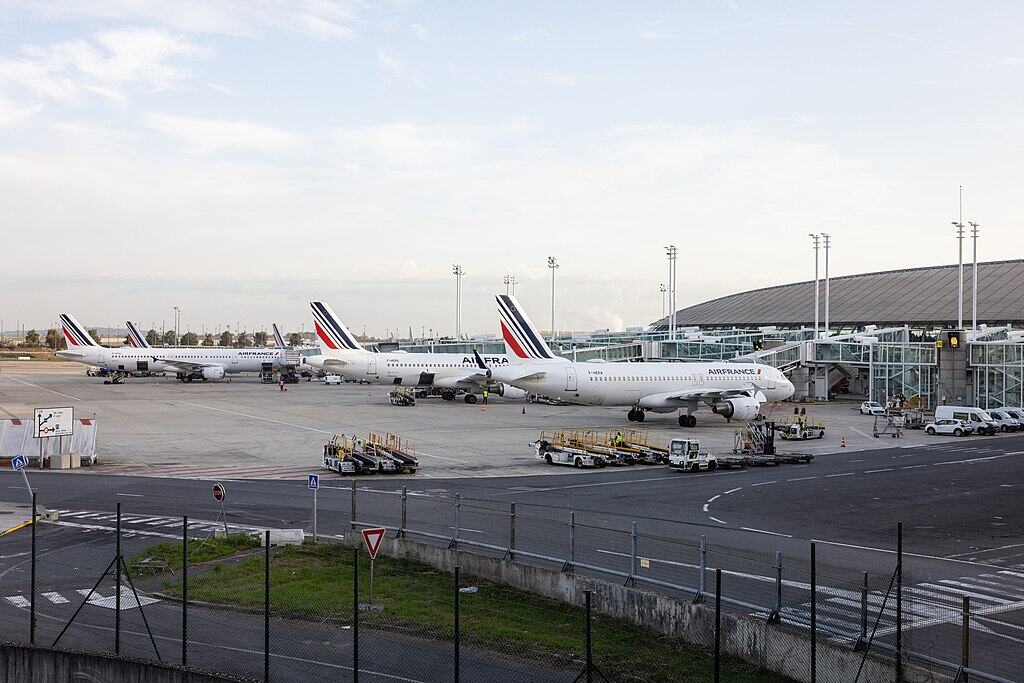
Charles de Gaulle welcomes more than 72 million passengers annually, yet remains infamous for its disjointed layout. Walking distances between gates can exceed 1.5 kilometers, often with poor signage and sudden level changes. Connection times under 90 minutes are routinely missed, especially across terminals. Security wait times average 30–40 minutes, while passport control can push past 75 minutes during long-haul arrival waves. Nearly 28% of departures experience delays, many linked to ground handling inefficiencies. Combined with limited English assistance and confusing train transfers, CDG frequently overwhelms even seasoned international travelers.
4. New York John F. Kennedy International Airport (JFK)
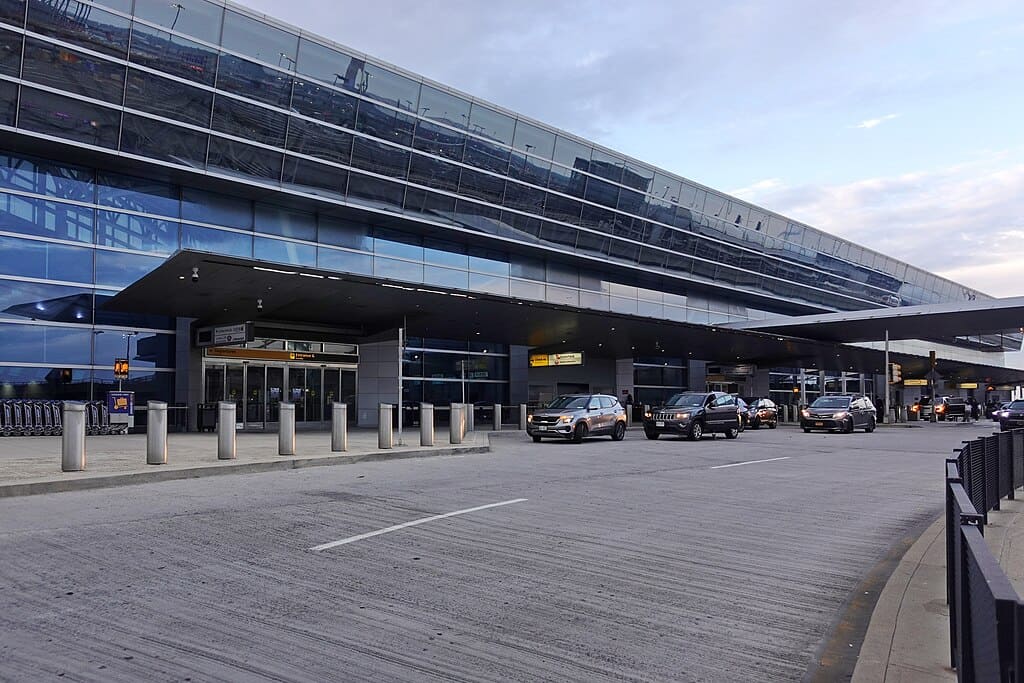
JFK handles approximately 62 million passengers yearly, and its aging terminals strain under modern demand. Taxi and rideshare waits often exceed 40 minutes, while AirTrain transfers add another 20–30 minutes. TSA security lines regularly hit 45 minutes, and international arrivals face immigration waits averaging 80–100 minutes. Weather amplifies problems, with delays impacting nearly 30% of flights annually. Terminal fragmentation means airline changes require exiting security entirely. Despite recent renovations, operational coordination lags behind volume, making JFK a stressful gateway where time buffers are not optional, but essential.
5. Manila Ninoy Aquino International Airport (MNL)
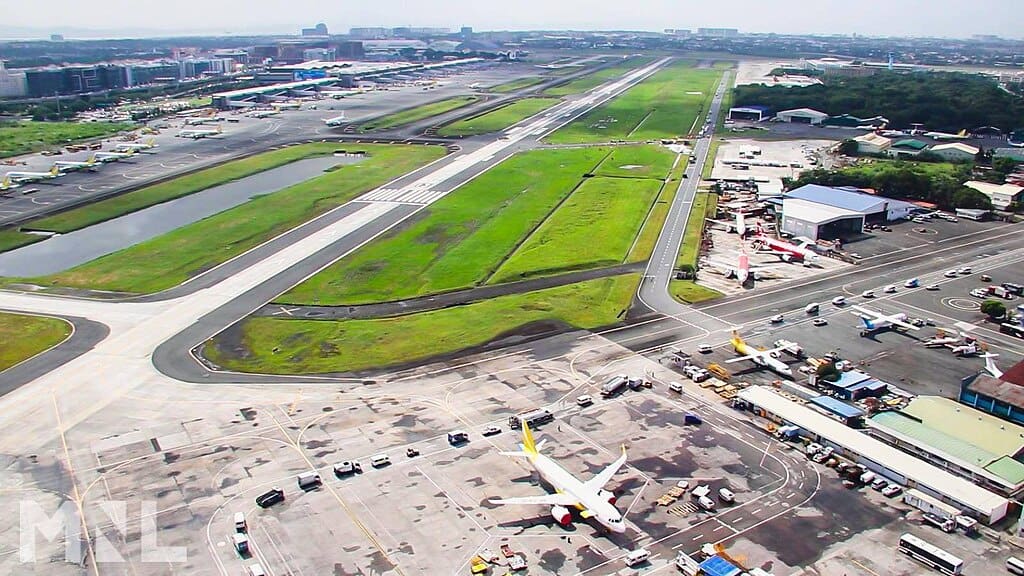
Serving over 48 million passengers annually, Manila’s airport is stretched far beyond its intended capacity. Terminals are scattered, with inter-terminal transfers taking 45–60 minutes by shuttle in traffic. Immigration queues frequently exceed 90 minutes, while baggage claim delays average 35 minutes for international flights. Flight delays affect nearly 40% of departures, often due to runway congestion and air traffic limitations. Seating shortages, inconsistent air conditioning, and limited dining options intensify discomfort. For first-time visitors especially, MNL delivers a disorienting, exhausting introduction to long-haul travel stress.
6. Dubai International Airport (DXB)
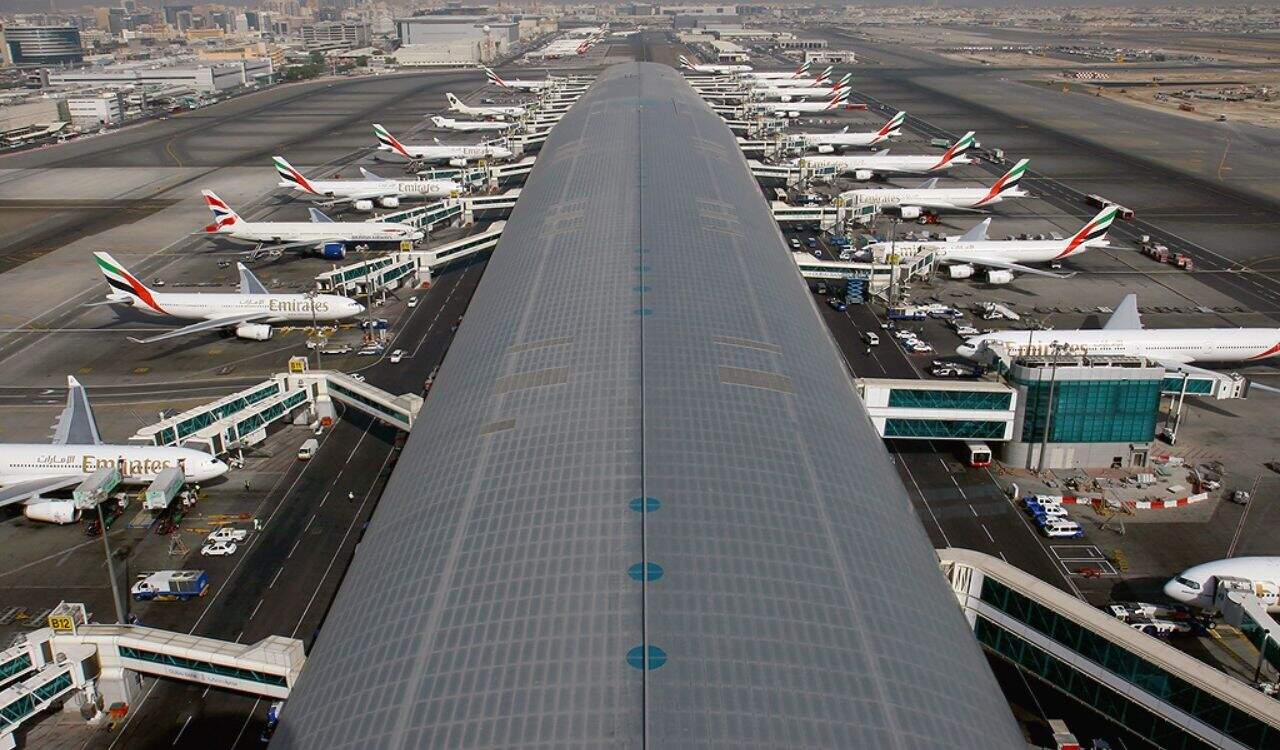
Despite its luxury image, DXB processes over 86 million passengers per year, making it one of the world’s most crowded transit hubs. Concourse walks can exceed 20 minutes, and transfer security adds another 25–35 minutes. During peak overnight waves, immigration and transit queues swell rapidly, with missed connections rising above 15%. Flight delays average 18–22 minutes, often due to airspace congestion. The sheer scale—combined with constant foot traffic creates sensory overload. Even with modern amenities, exhaustion sets in quickly, especially for travelers navigating tight layovers or overnight transits.