We may earn money or products from the companies mentioned in this post. This means if you click on the link and purchase the item, I will receive a small commission at no extra cost to you ... you're just helping re-supply our family's travel fund.
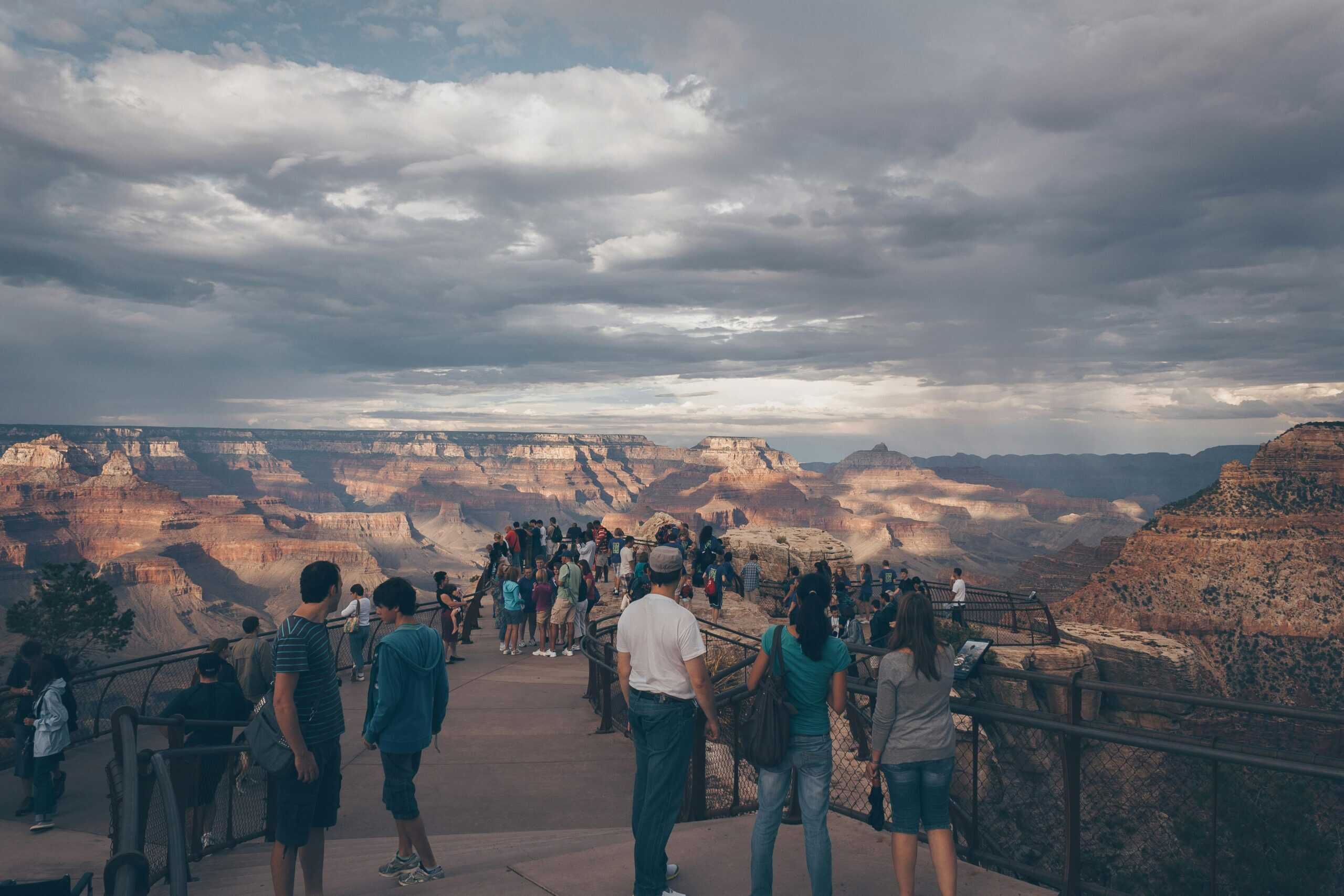
Wild travel in the United States is not always about going far. Sometimes it is about committing to terrain that demands attention, honest pacing, and a calm head when comfort disappears. These adventures are legal and well-known, yet they still punish sloppy planning. Cold water, exposure, and long miles can turn a small mistake into a real problem, especially when weather shifts or daylight fades. The reward is the opposite of a quick thrill: a clean, earned memory that sticks because the landscape did not make it easy.
Gauley River Whitewater, West Virginia
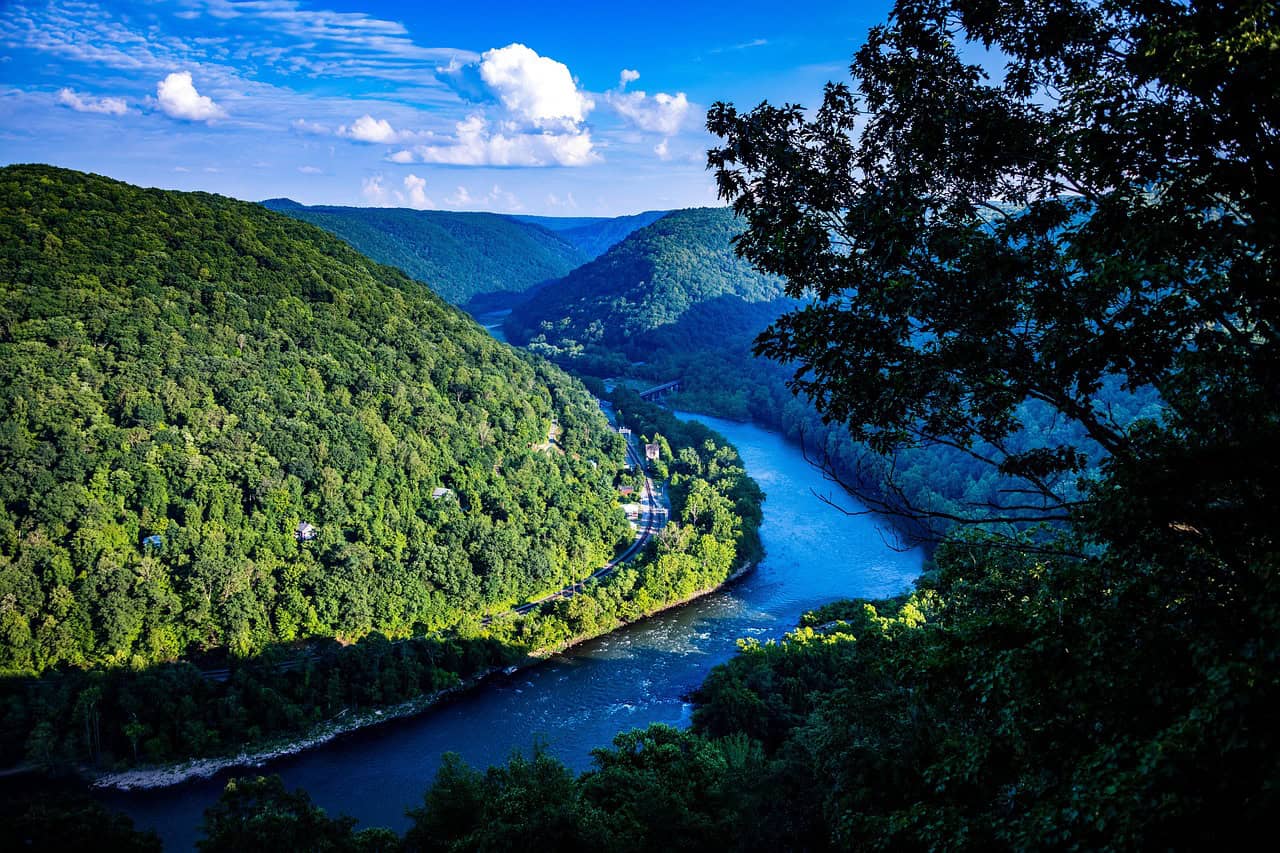
The Gauley in fall is controlled chaos, when dam releases turn a quiet gorge into a roaring sequence of Class V rapids and cold spray. Guided trips run through famous drops like Pillow Rock and Sweet’s Falls, where boat control is about timing and teamwork, not strength, and where a missed line can mean a sudden swim in churning foam. What makes it “brave” is commitment. Once the canyon tightens, there is no easy pause button, only the next rapid and the next eddy. Neoprene, helmets, and a guide’s commands stop feeling optional and start feeling like the only reasonable way to move through a river that is louder than fear.
Grand Canyon Rim,to-Rim Crossing, Arizona
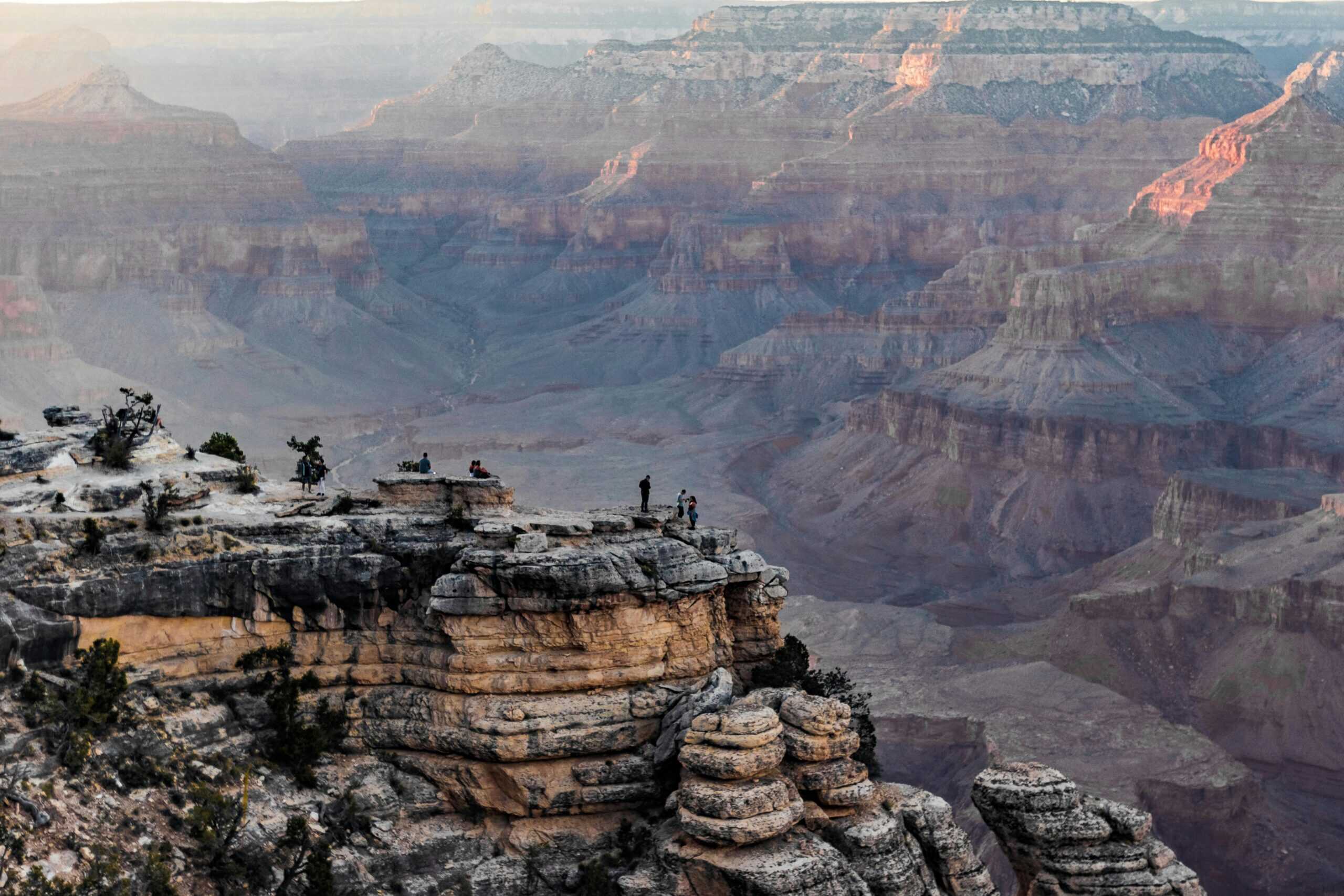
A rim-to-rim crossing is a full-day negotiation with heat, distance, and elevation change that rarely feels fair. The route drops from cool pine forest into the inner canyon’s furnace, then asks for a massive climb out on tired legs, with shade and water dictating pace more than pride. Bravery here is not speed. It is discipline: starting early, managing electrolytes, and refusing to chase a schedule when the canyon is telling a different story. A late start or light snacks can turn the last miles into a slow grind. The people who finish strongest usually look boring: headlamp packed, salt on hand, steady breaks, and a firm willingness to turn back.
Matanuska Glacier Ice Climb, Alaska
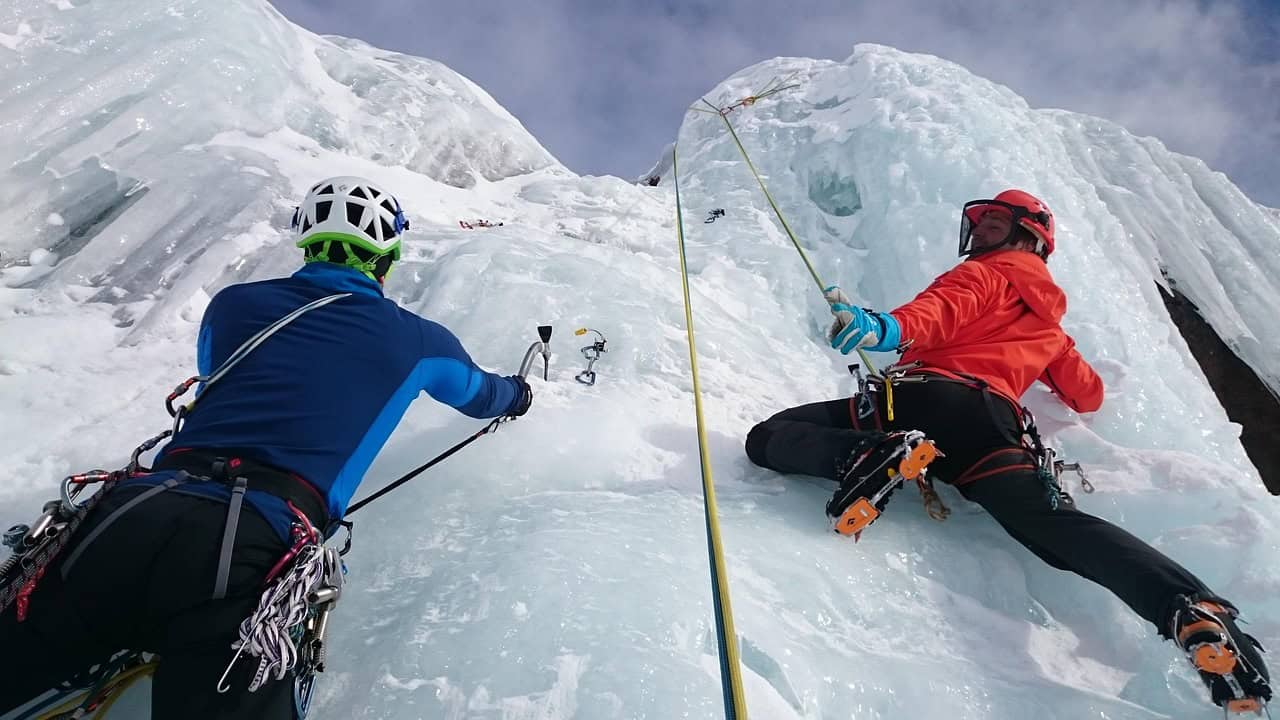
Ice climbing on Matanuska happens on living terrain. The glacier creaks, meltwater runs underfoot, and today’s ladder of ice can look different by afternoon. Guided climbs teach crampon footwork and precise ice-tool placements on blue walls and frozen curtains, with ropes and anchors set to manage real consequences. The bravery is quiet: trusting small points of contact, staying calm when hands go numb, and moving slowly when the ice is brittle and the wind keeps stealing warmth. It is not a stunt. It is controlled effort in a place that feels alive, where the reward is the focus itself and the view that arrives when the body finally stops shaking.
Zion Narrows Top-Down, Utah
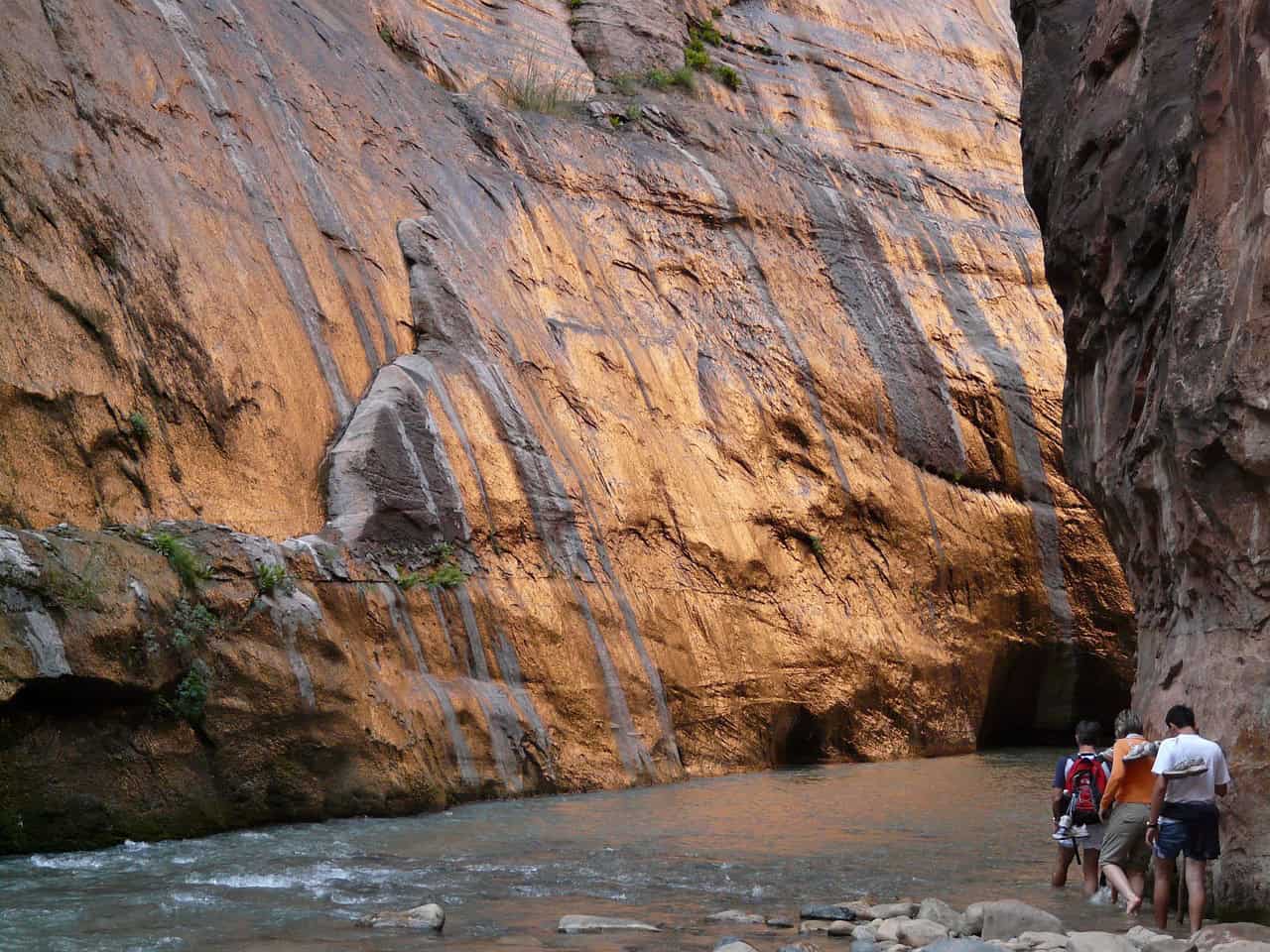
The Narrows top-down is a canyon walk that behaves like a river expedition. It is long mileage in cold water, on slick stones, with walls that narrow until sound feels trapped. Permits and shuttle logistics are only the start; flash-flood forecasts are the real gatekeepers, because a clear morning can still hide storms upstream. The brave part is the patience: hours of wading, balancing, and reading current seams while fatigue builds quietly. A dry bag, sturdy footwear, and a conservative mindset matter more than grit. The canyon does not care about plans. It rewards people who respect water temperature, turnaround time, and the simple reality that a river corridor can change faster than legs can.
Kalalau Trail, Kauai, Hawaii
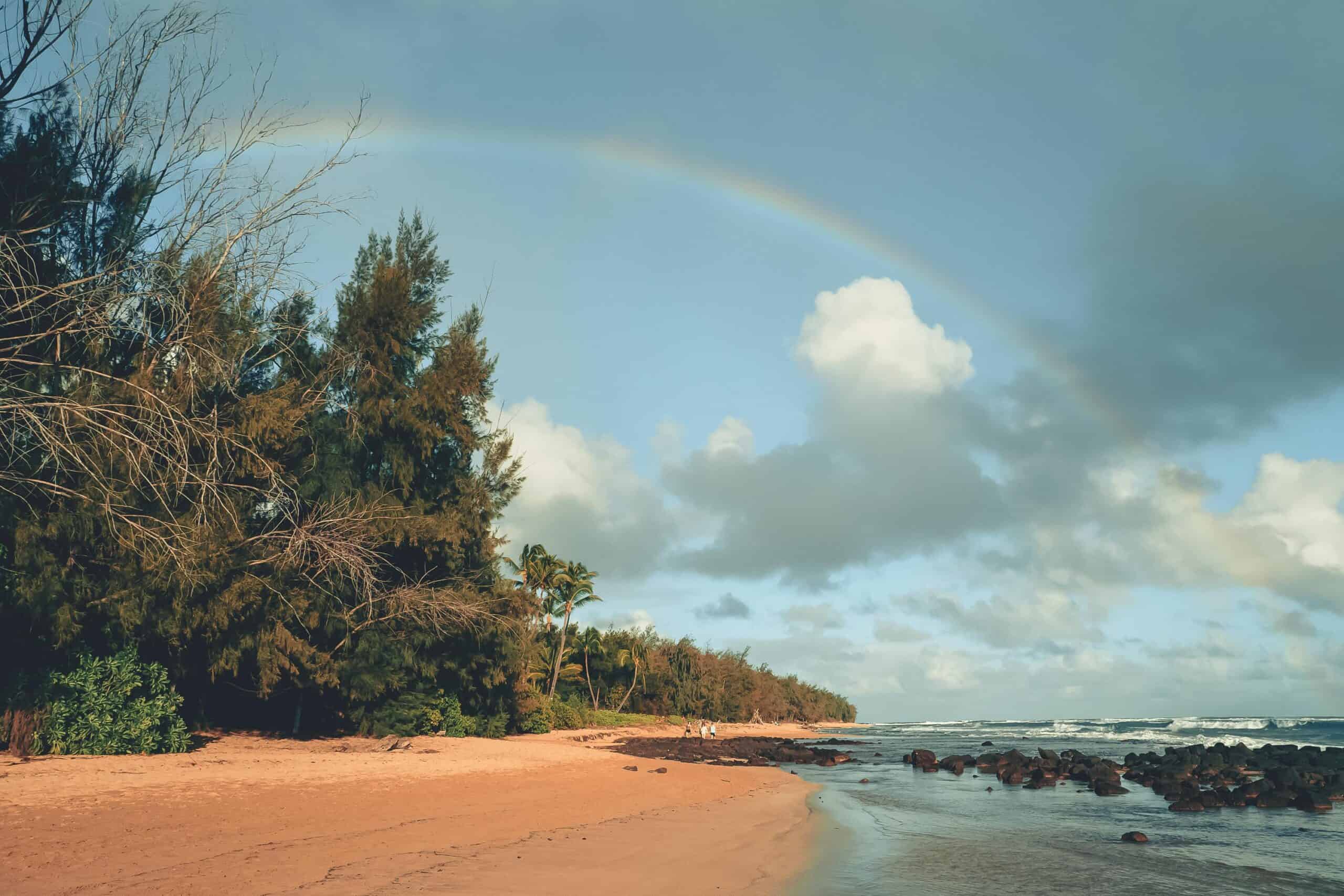
The Kalalau Trail is stunning enough to make people forget it is also serious. It clings to cliffs above the Na Pali Coast, with narrow sections, mud that erases traction, and stream crossings that rise after rain. Spots like Crawler’s Ledge demand calm foot placement while surf pounds far below and trade winds lean into balance. Bravery here looks like restraint: permits handled early, water treated seriously, starts timed for daylight, and ego left at the trailhead. The most experienced hikers watch the sky, read the ground, and turn back without debate when conditions worsen, because the trail is remote, rescue is slow, and a “quick” slip