We may earn money or products from the companies mentioned in this post. This means if you click on the link and purchase the item, I will receive a small commission at no extra cost to you ... you're just helping re-supply our family's travel fund.
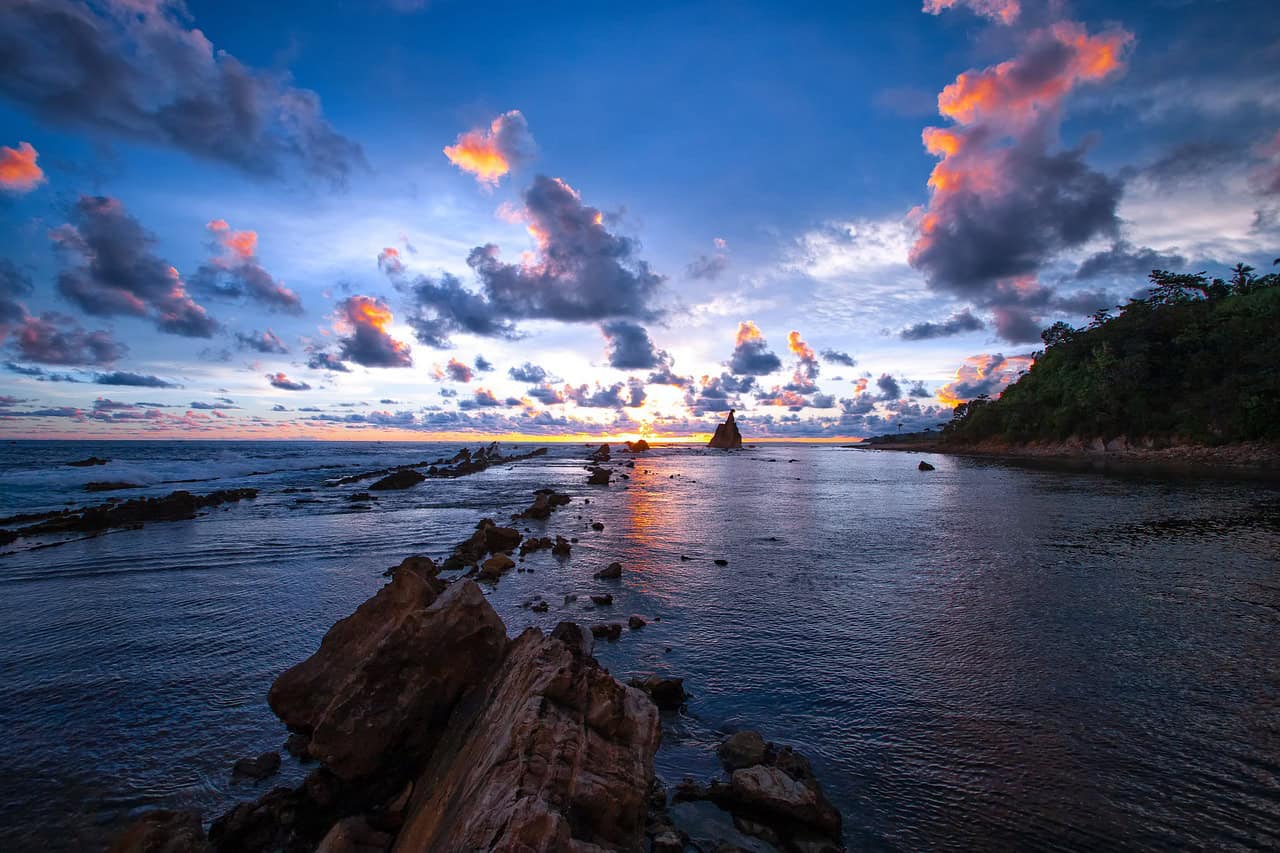
Some vacations are relaxing strolls along sandy beaches, while others are adrenaline-packed experiences that push human limits. For thrill-seekers, extreme-risk destinations provide a dangerous, unforgettable adventure, but they are not for the faint of heart. From life-threatening terrains to isolated regions where help is scarce, these locations demand meticulous preparation, physical endurance, and mental toughness. Here are five destinations where misjudgment can turn a dream trip into a real-life nightmare.
1. Mount Everest Base Camp, Nepal
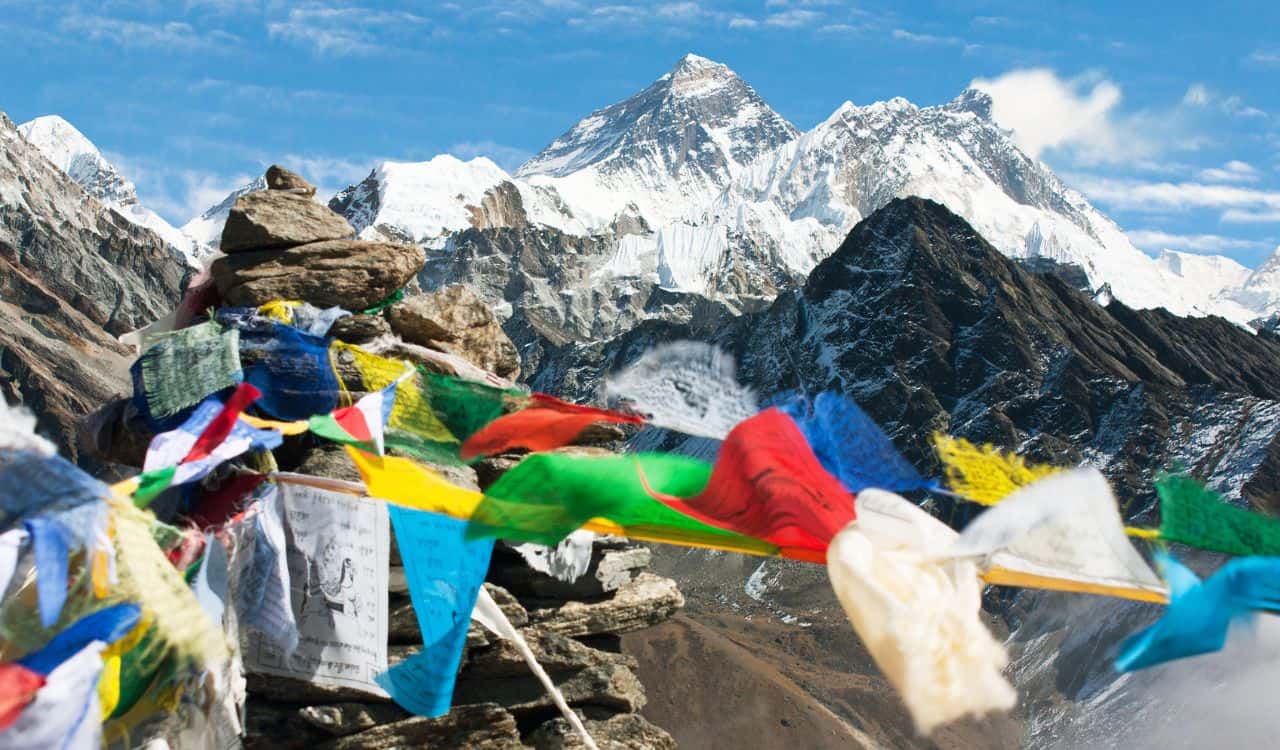
Trekking to Everest Base Camp is not a casual hike, it sits at 5,364 meters (17,598 feet), where oxygen levels drop to less than 50% of sea level. Every year, over 30,000 adventurers attempt this trek, but altitude sickness, frostbite, and sudden storms pose serious threats. Avalanches have claimed hundreds of lives, and temperatures can plummet to −20°C. Only those with rigorous physical training, acclimatization plans, and high-altitude experience should attempt it. Inexperienced travelers risk severe injury or worse in this extreme environment.
2. Death Road, Bolivia
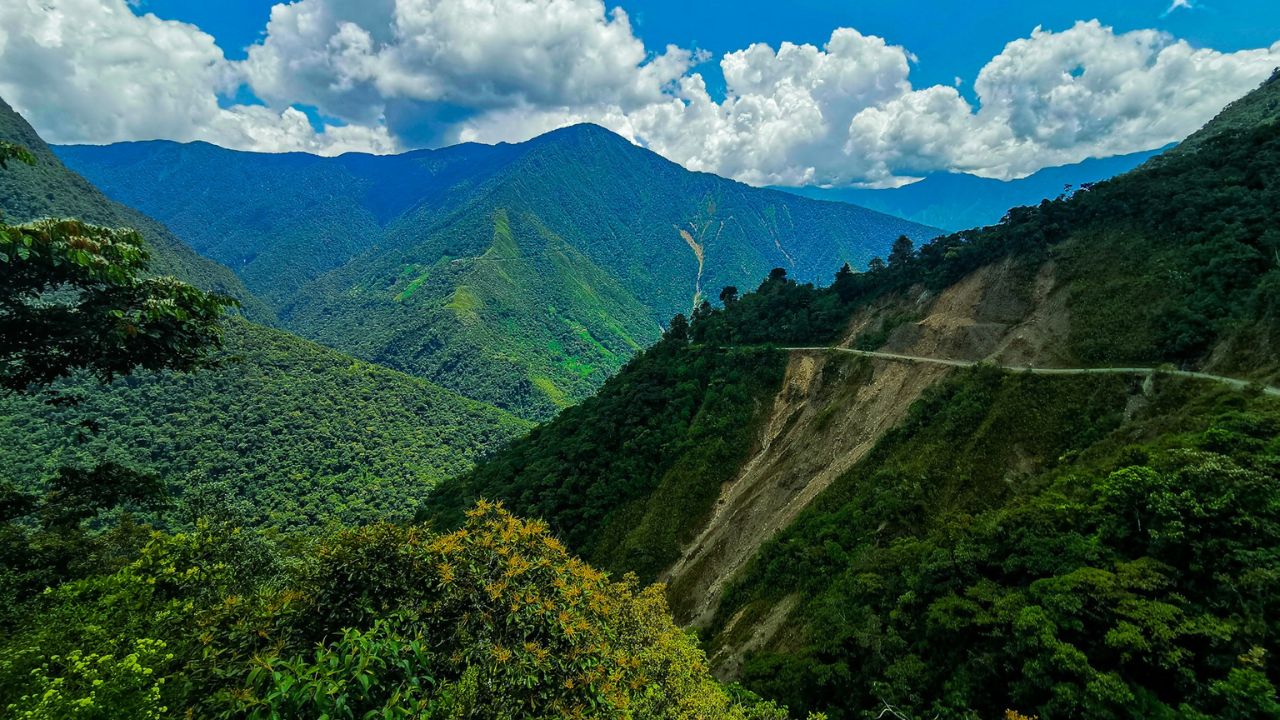
Bolivia’s Yungas Road, nicknamed “Death Road,” is infamous for claiming roughly 200–300 lives annually. Stretching 64 kilometers with sheer cliffs up to 600 meters, it’s a perilous route for both drivers and cyclists. Heavy rain frequently turns the dirt road slippery, while dense fog obscures dangerous turns. Despite its adrenaline rush and panoramic Amazonian views, navigating this road demands expert driving skills, nerves of steel, and constant vigilance. Even small errors here can be fatal, making it one of the world’s most extreme travel experiences.
3. Chernobyl Exclusion Zone, Ukraine

The Chernobyl Exclusion Zone spans 2,600 square kilometers and remains contaminated with radiation since the 1986 nuclear disaster. Guided tours limit exposure, but hotspots can exceed 20 microsieverts per hour, far above normal background levels. Abandoned buildings collapse easily, and restricted areas harbor hidden hazards. The haunting atmosphere draws thousands annually, but it requires careful attention to safety rules. Ignoring signs, wandering off trails, or prolonged exposure can have long-term health consequences, turning a historical adventure into a dangerous gamble.
4. Snake Island, Brazil
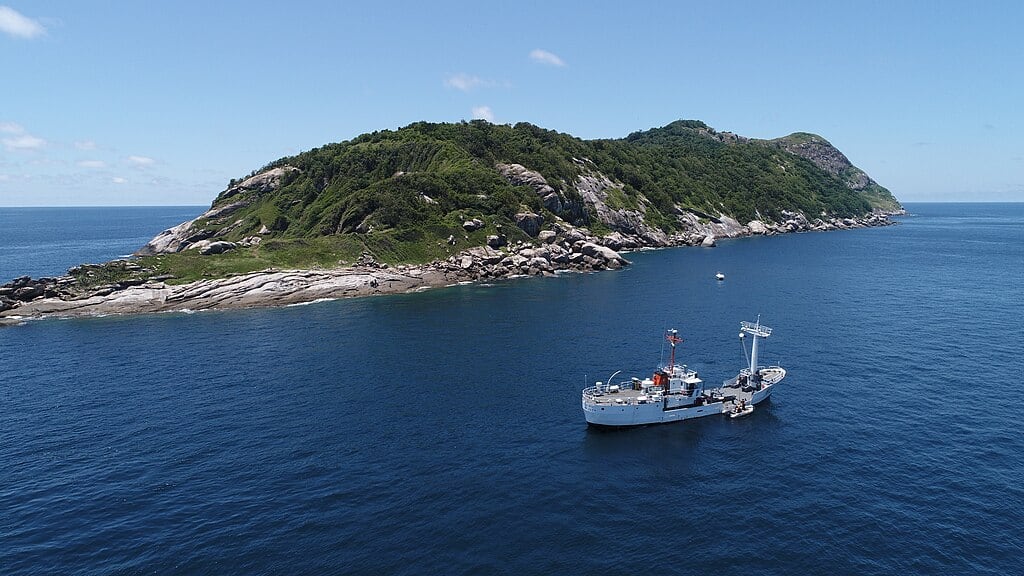
Ilha da Queimada Grande, or Snake Island, is roughly 43 hectares and home to an estimated 2,000–4,000 golden lancehead snakes, one of the deadliest species globally. The Brazilian government strictly forbids civilian access due to the extreme venom potency and lack of immediate medical help. Even minor contact with these snakes can be fatal, and the remote island’s rocky terrain complicates rescue efforts. Only a few licensed researchers with full protective gear can safely set foot here. It is a stark reminder that nature sometimes reserves spaces where humans simply cannot tread.
5. North Sentinel Island, India
North Sentinel Island is inhabited by roughly 50–400 Sentinelese, one of the last uncontacted tribes on Earth. Any attempt to approach this 60-square-kilometer island is illegal and extremely dangerous, violence against intruders is common, and even minor contact risks exposing the tribe to deadly diseases. The Indian government strictly enforces a 5-nautical-mile no-entry zone around the island. For all travelers, North Sentinel is not a sightseeing spot but a powerful lesson: some parts of the world remain untouchable, where human curiosity can cost lives.