We may earn money or products from the companies mentioned in this post. This means if you click on the link and purchase the item, I will receive a small commission at no extra cost to you ... you're just helping re-supply our family's travel fund.
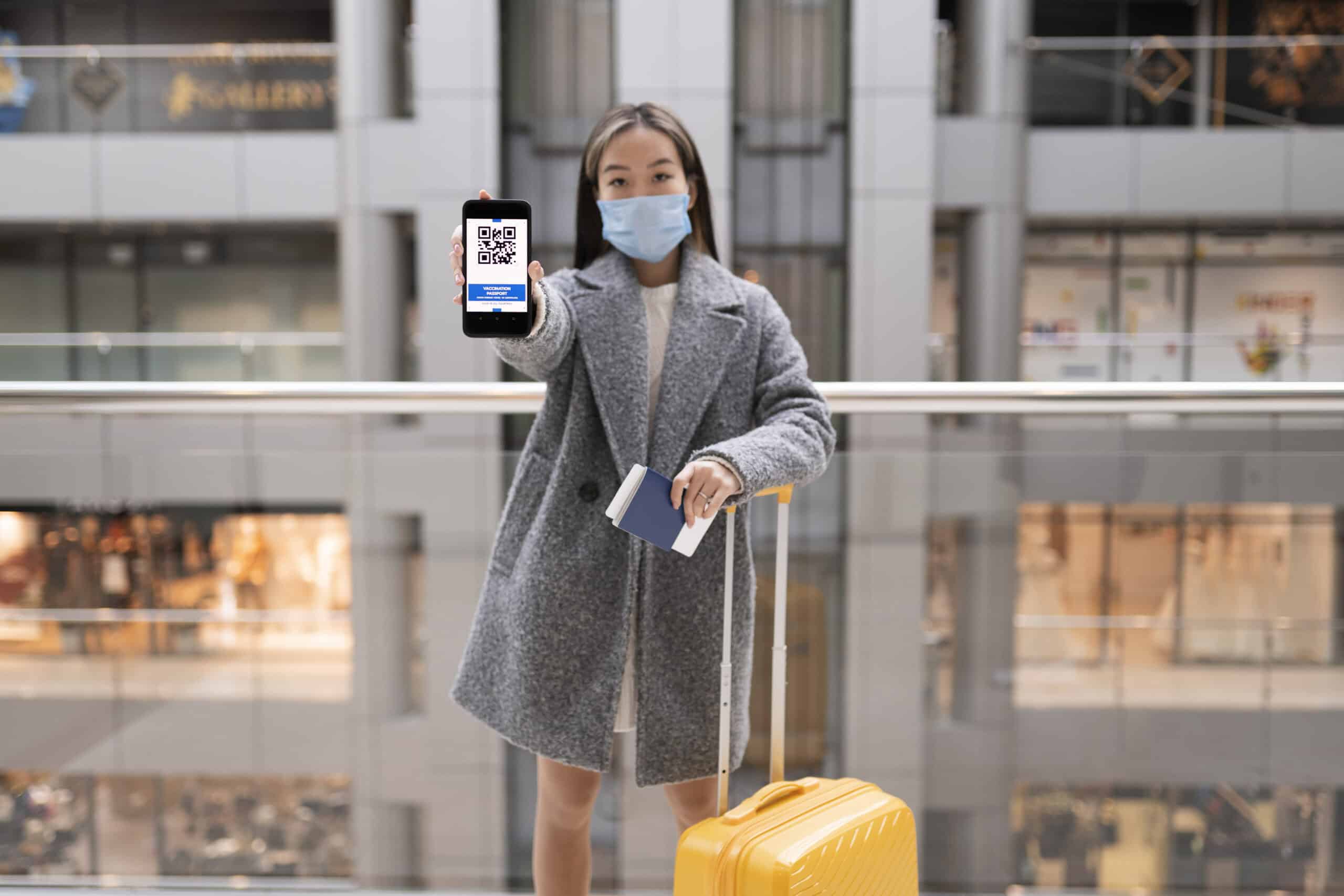
International travel used to hinge on passports, hotel bookings, and a rough plan. Now, for many visitors, the United States is pulling online identity closer to the travel gate. A federal notice proposes making social media a mandatory part of ESTA, along with other high-value data fields and a shift to a mobile-only application. Supporters call it security. Critics worry it pushes self-censorship and makes routine trips feel risky. These eight rules explain why some travelers may think twice before boarding.
Mandatory Social Media on ESTA
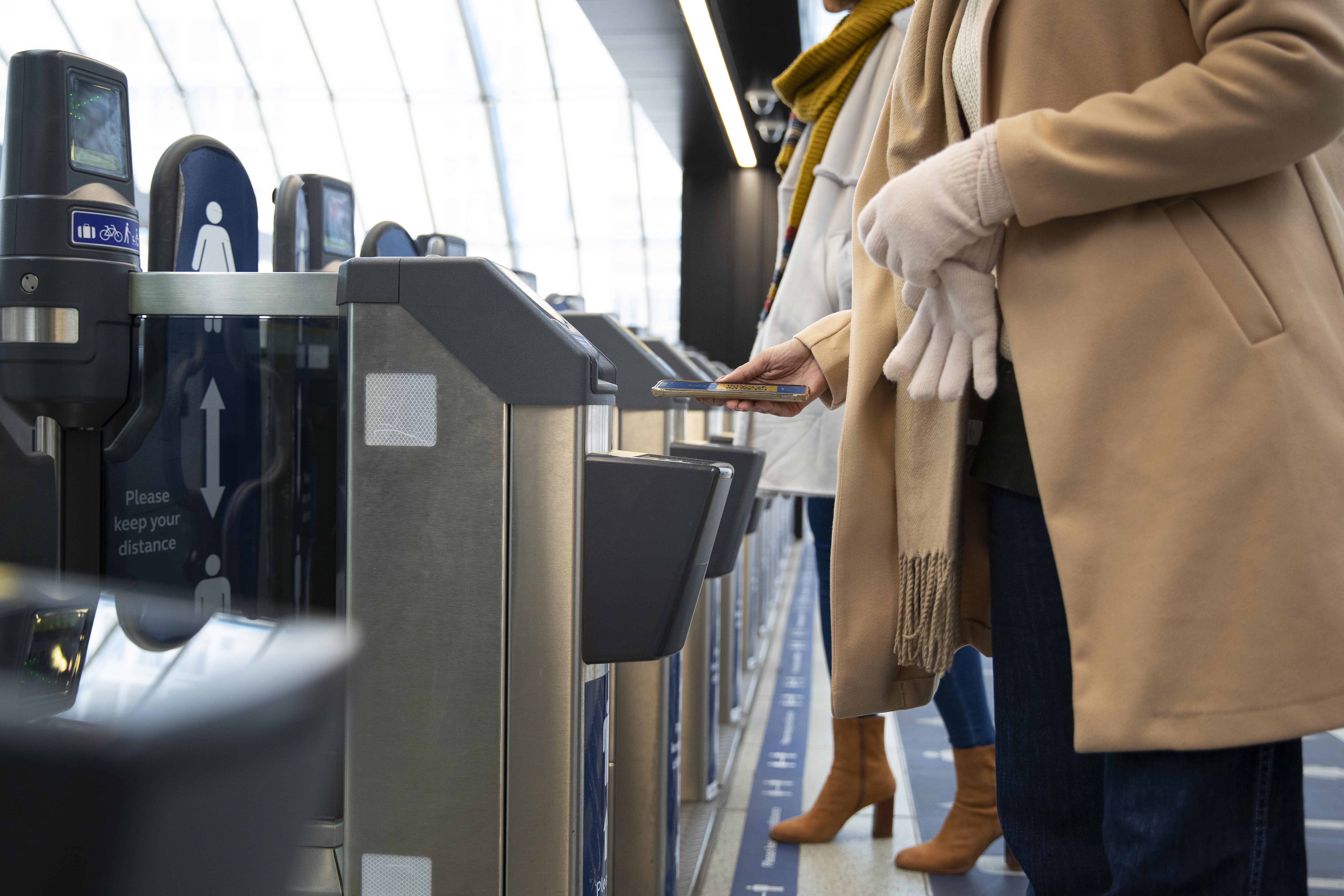
ESTA is the gateway for Visa Waiver Program visitors, and a federal notice proposes making social media a mandatory data element, requiring identifiers from the last five years across platforms. The notice links the change to an executive order on national security and says CBP is updating what it collects. It sounds simple until old usernames, deleted accounts, and private profiles enter the picture, and posts get read without tone, irony, or cultural translation in a setting built for quick decisions and little room for clarification when a trip is days away.
Mobile-Only ESTA Applications

The notice says CBP intends to decommission the ESTA website as an application channel and make the ESTA Mobile app the sole way to apply, while keeping the site for information and status checks. CBP points to phone-based passport chip validation, facial matching, and liveness checks as reasons, and says web uploads have been exploited with poor-quality images. The patience test is practical: not every phone supports NFC scanning, app updates can stall, and weak airport Wi-Fi can turn a routine authorization into a late-night scramble at the worst moment.
Add a Selfie to the Paperwork

CBP proposes requiring a face photo, a selfie, alongside the passport biographic page image for ESTA, including applications filed by travel agents or family members. The notice describes liveness detection and facial comparison against images already held by CBP, aiming to confirm the applicant is the rightful passport holder. It adds friction for travelers who do not want to share biometrics casually, and it creates new failure points when lighting is poor, cameras are weak, or a rushed upload triggers a mismatch that must be fixed before boarding.
Share Five Years of Phones and Ten Years of Emails

Among the proposed high-value data fields, CBP lists telephone numbers used in the last five years and email addresses used in the last ten years, plus business numbers and business emails on the same timelines. That reaches into the messy parts of modern life: old school inboxes, work accounts that vanished, and number changes after moves or carrier swaps. The patience cost is the scavenger hunt, because a trip can hinge on whether someone remembers which inbox held a booking, which number was tied to a login, and which account has been dormant for years.
List Family Details That Have Nothing to Do With a Weekend Trip
The proposal also lists family data fields: names for parents, spouse, siblings, and children, plus their dates and places of birth, residencies, and even family telephone numbers used in the last five years. For many travelers, that turns a short vacation into paperwork that feels like a background investigation, especially for blended families, estranged relatives, or households spread across borders. The patience drain is emotional as much as practical, because missing details are common, and the process can force uncomfortable phone calls just to finish a form.