We may earn money or products from the companies mentioned in this post. This means if you click on the link and purchase the item, I will receive a small commission at no extra cost to you ... you're just helping re-supply our family's travel fund.
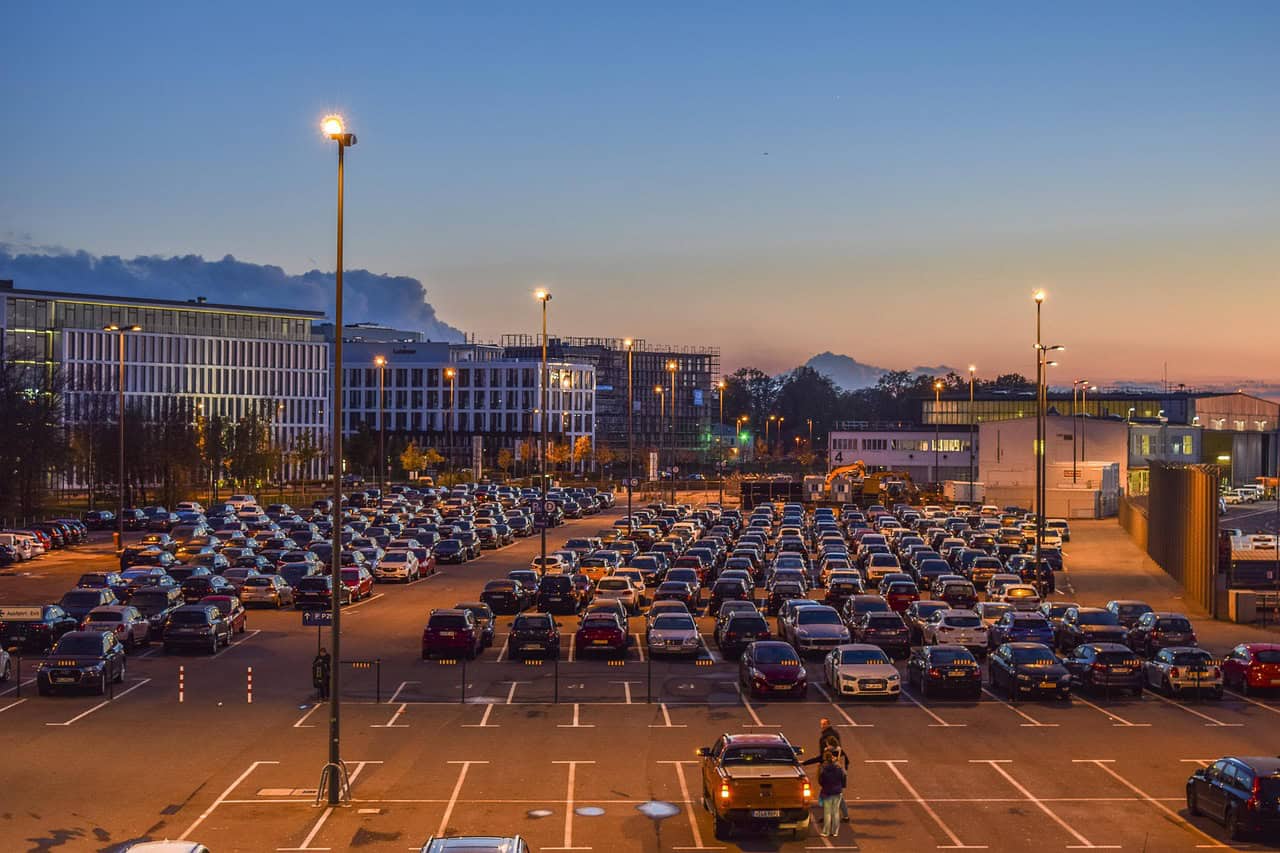
Across the country’s most beloved getaways, a quiet shift is happening at the curb. Tourist towns that once treated street parking as a free perk are experimenting with townwide payment zones, apps, kiosks, and firmer time limits. The logic is simple: when a single beach day can draw a season’s worth of cars, unmanaged space becomes gridlock, frayed tempers, and missed small-business stops. In 2026, several destinations are pushing the experiment further, using pricing to protect turnover and keep main streets functioning.
Provincetown, Massachusetts
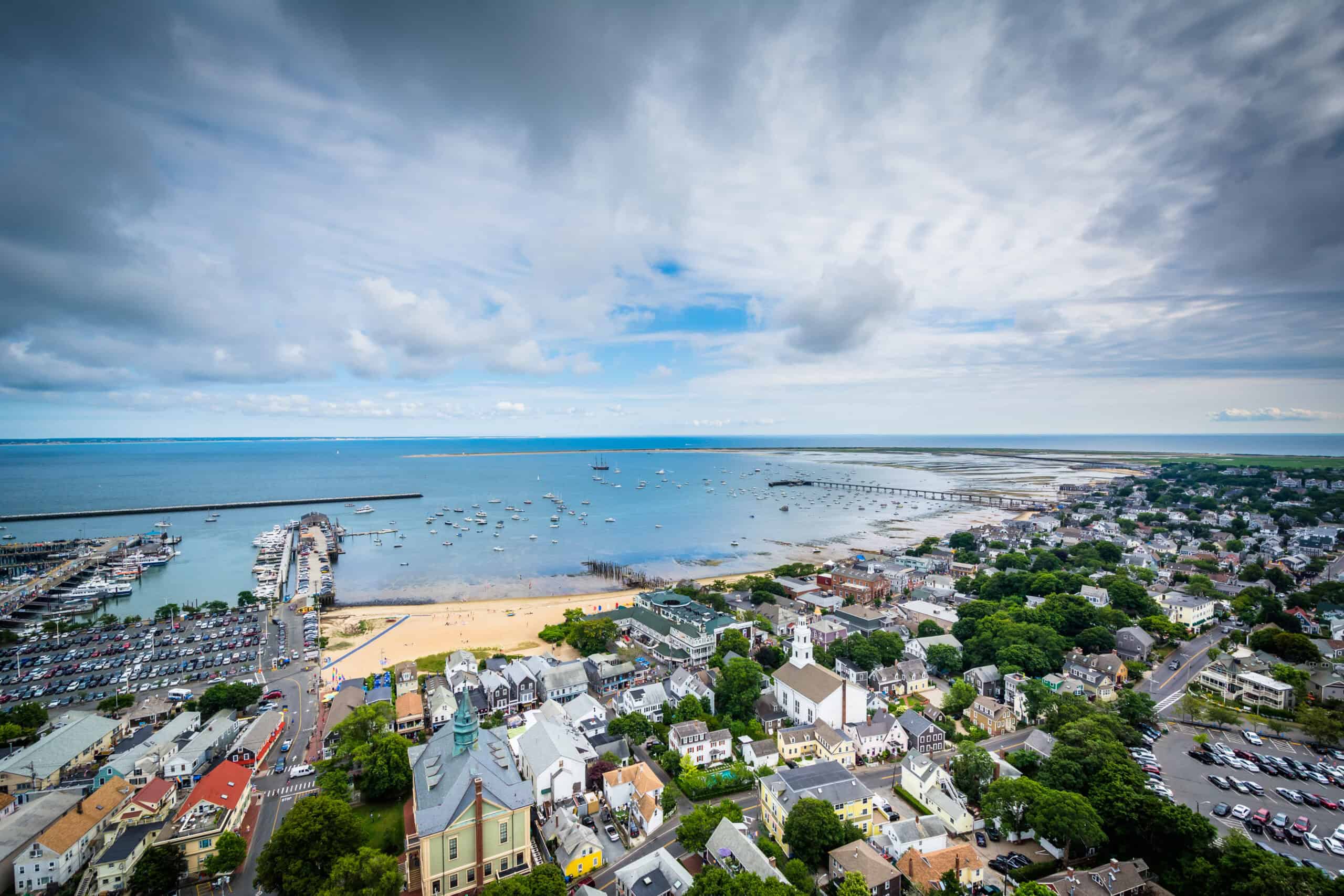
Provincetown’s 2026 season marks a clear pivot: paid parking is set to begin May 1, 2026, running seven days a week, including holidays, and covering town-owned lots plus the numbered on-street spaces threaded through the center. With enforcement stretching from 8 a.m. to midnight, the aim is to keep turnover steady when beach days, gallery nights, and ferry arrivals stack up at once, and when one double-parked moment can knot a narrow street. App-based payment, posted zones, and permits expected in April turn curb space into something calmer, protecting both locals’ routines and the town’s unhurried pace. It adds quieter order to summer day.
Camden, Maine
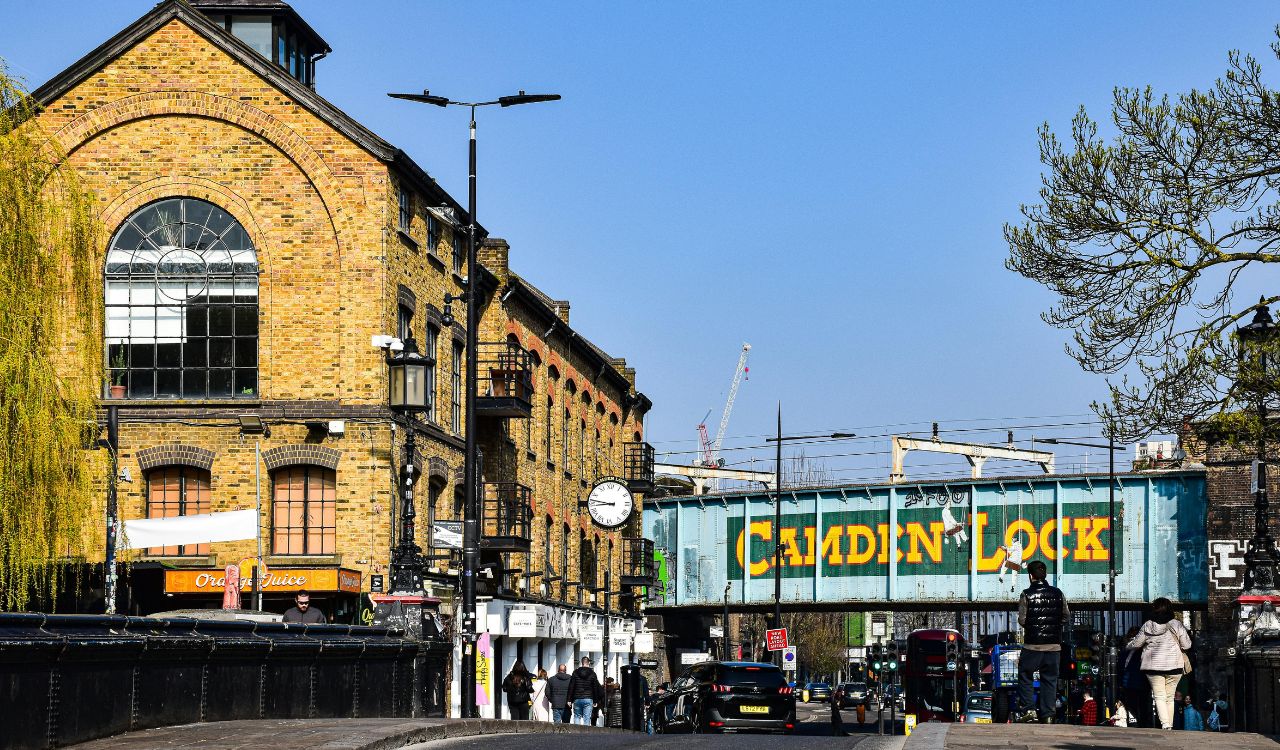
Camden’s downtown curb has become a seasonal instrument: the expanded paid program closes Oct. 15 then streets revert to free two-hour parking, before paid sessions resume May 15, 2026. The town’s guidance leans on kiosks and the ParkMobile app; resident permit renewals track vehicle registration dates, winter enforcement still treats space-hopping after two hours as a violation, and downtown workers are steered to all-day lots near the fire station and Knox Mill. With day-trippers pouring toward the harbor and Opera House nights stretching late, the experiment is whether pricing can protect turnover without sanding down the town’s easy pace.
Laguna Beach, California
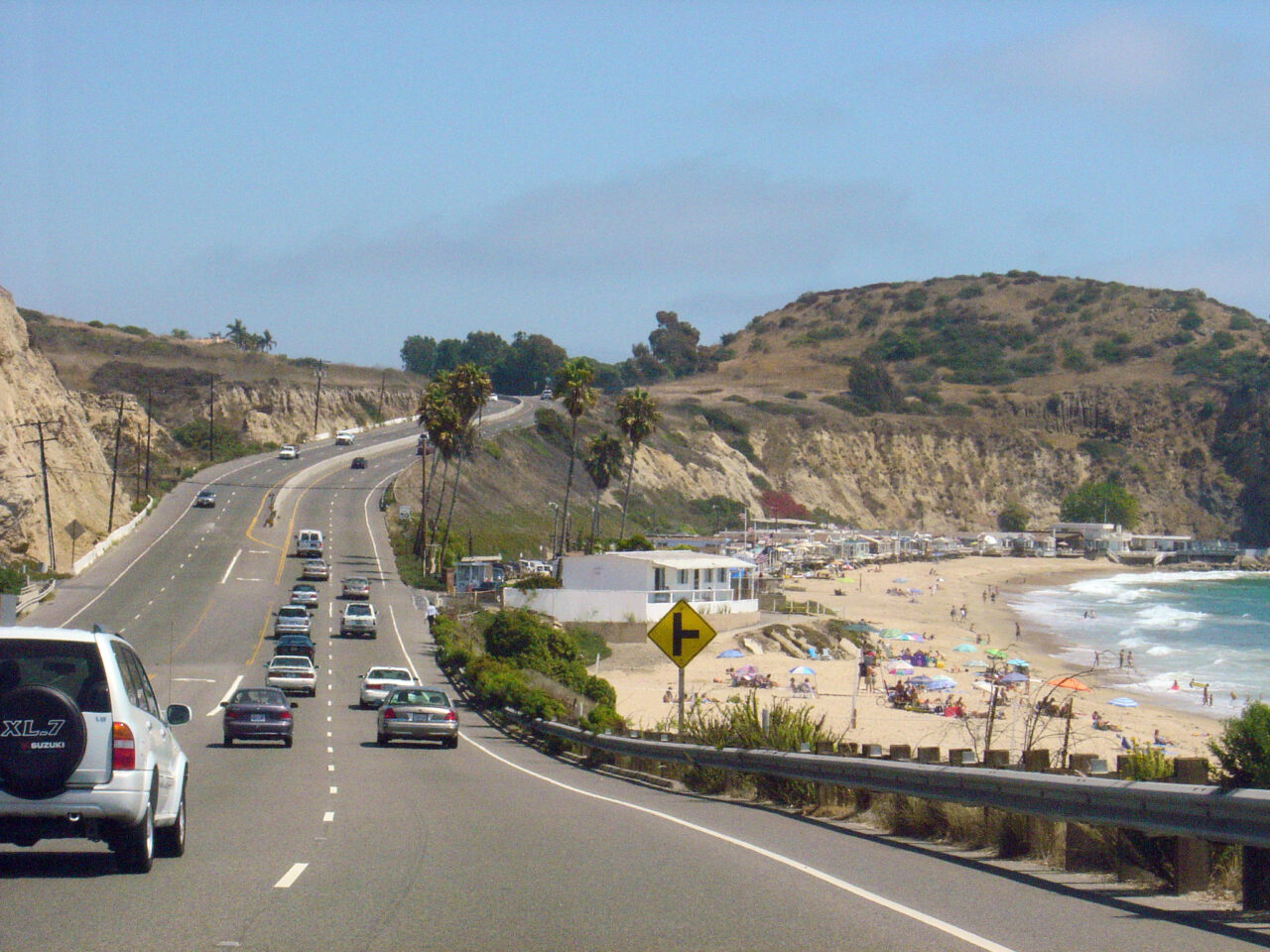
Laguna Beach is treating parking as coastal access infrastructure, not just revenue. A Sept. 23, 2025 staff report describes a new five-year rate approach for 2026–2030, plus targeted expansion: pay stations on the coastal side of South Coast Highway with a four-hour limit, and paid parking that could extend into adjacent neighborhoods where curb space is scarce. Staff also points to steps like securing Caltrans approval, properly marking legal spaces before charging, and even pursuing a lease to add 47 paid public spaces near the Montage area, aiming to ease congestion without closing the coast off. It is a measured bet on order, day by day.
Ventura, California
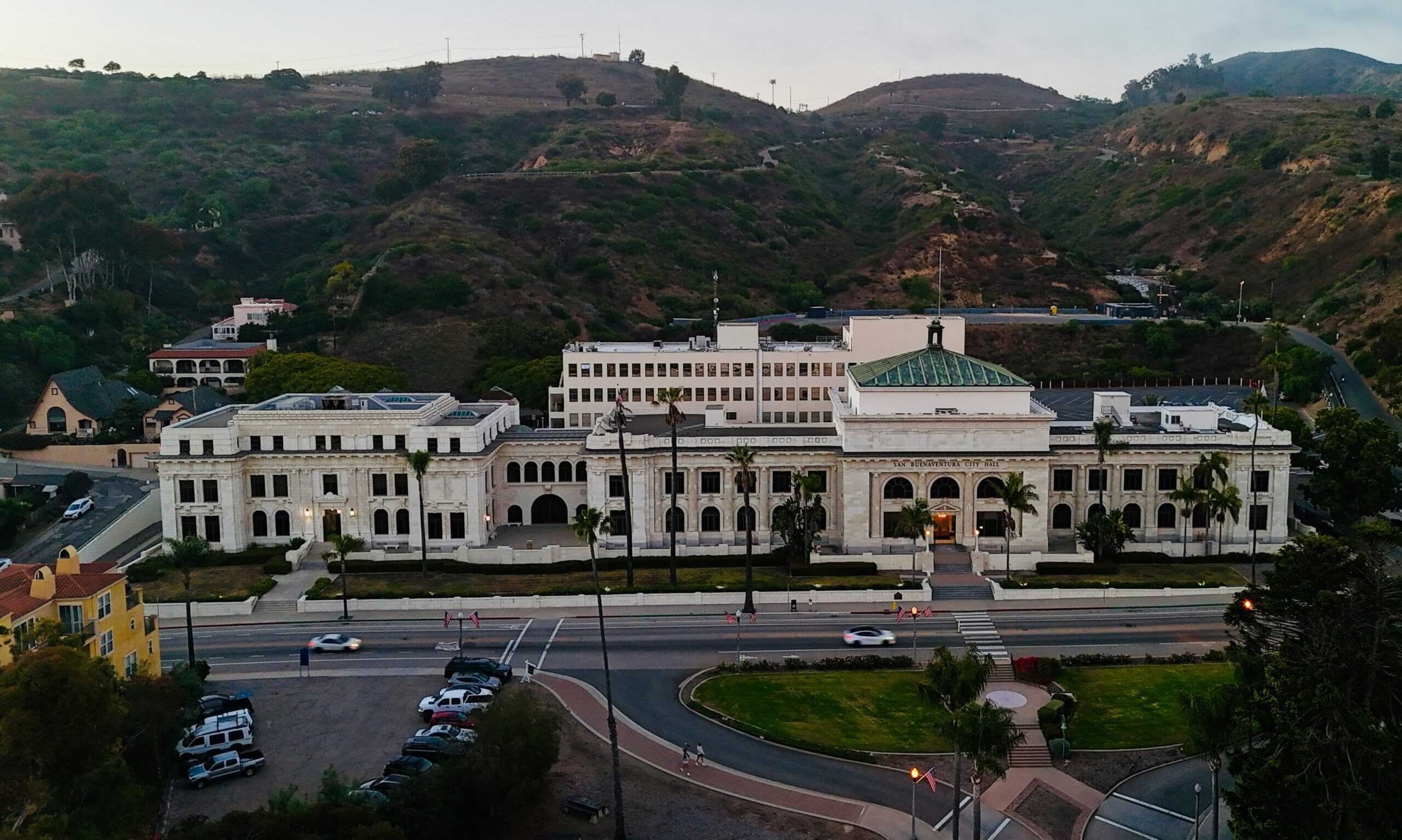
Ventura is framing its next parking shift as a downtown improvement project, not a one-off meter rollout. City materials on the Downtown Parking Improvements Project trace paid parking back to 2010, then describe a modernization push that centers on Spring 2026, when new systems like license-plate-based payments and refreshed signage are slated to go live. Near the pier, Main Street, and the beachfront hotels, the real experiment is behavioral: turning quick stops into reliable turnover, without making the core feel like an obstacle course for locals or businesses especially when weekends and concerts funnel cars into few blocks all at once.
Old Towne Orange, California
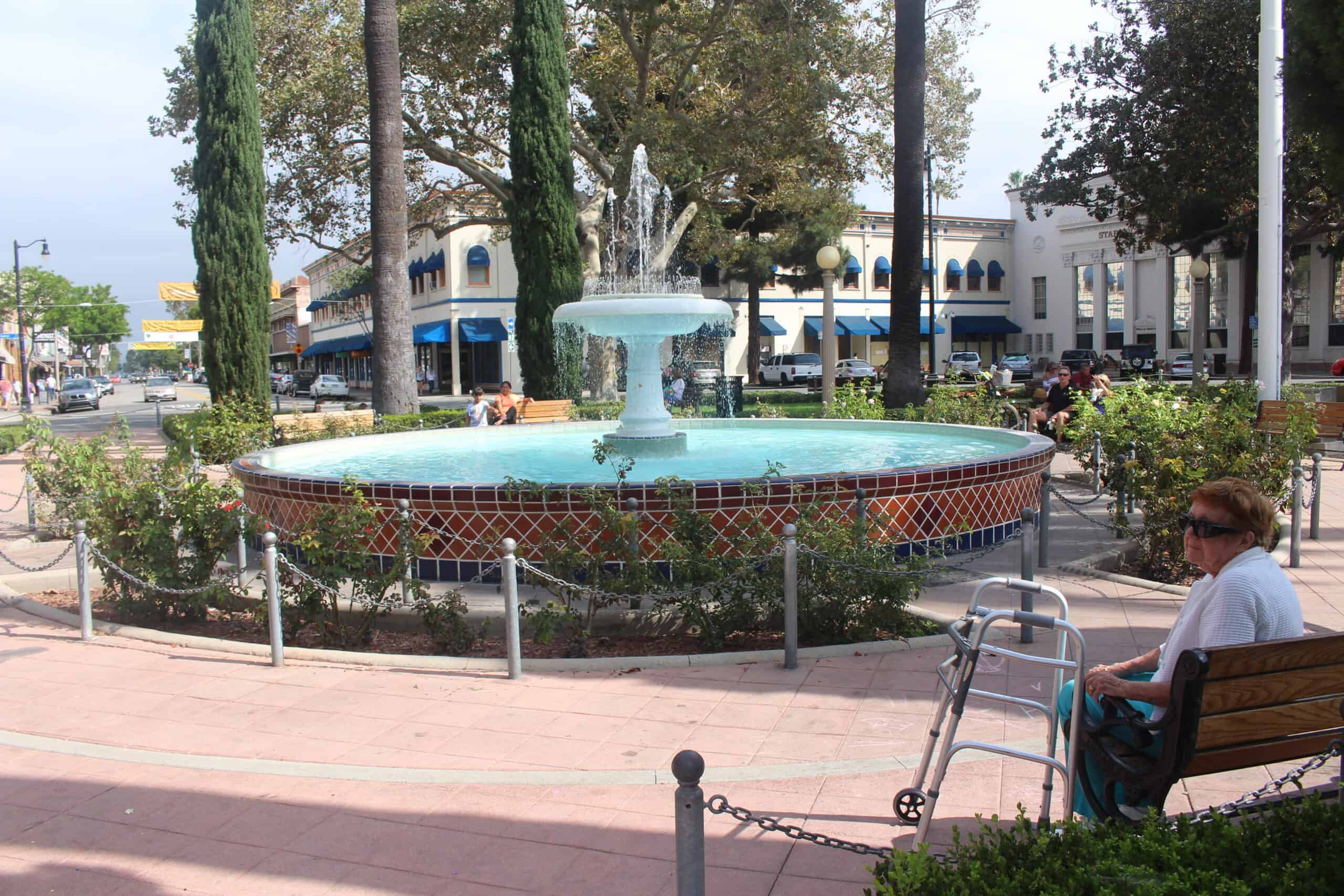
Old Towne Orange is pairing its vintage storefronts with a truly modern parking reset. The City of Orange says a Downtown Paid Parking Program is scheduled to launch in early 2026, built on a 2025 ordinance and a management contract, and set to run seven days a week from 9:00 a.m. to 6:00 p.m. Paid areas will include a mix of on-street and off-street spaces around the Orange Plaza, priced from $1.25 to $2.00 per hour with time limits up to 3 hours, while many city lots and the Lemon Street structure remain free. The bet is that clearer rules reduce frustration and keep the antique rows and café tables from being pinned behind all-day parking.