We may earn money or products from the companies mentioned in this post. This means if you click on the link and purchase the item, I will receive a small commission at no extra cost to you ... you're just helping re-supply our family's travel fund.

Some states do not just attract residents. They seem to keep them. Using the latest Census Bureau State of Residence by Place of Birth data, the clearest pattern is not simple happiness so much as rootedness: unusually large shares of current residents are still living in the state where they were born. That kind of staying power usually points to something deeper than job math alone, whether it is family closeness, cultural identity, familiar landscapes, or the quiet comfort of feeling at home without needing to explain why.
Louisiana
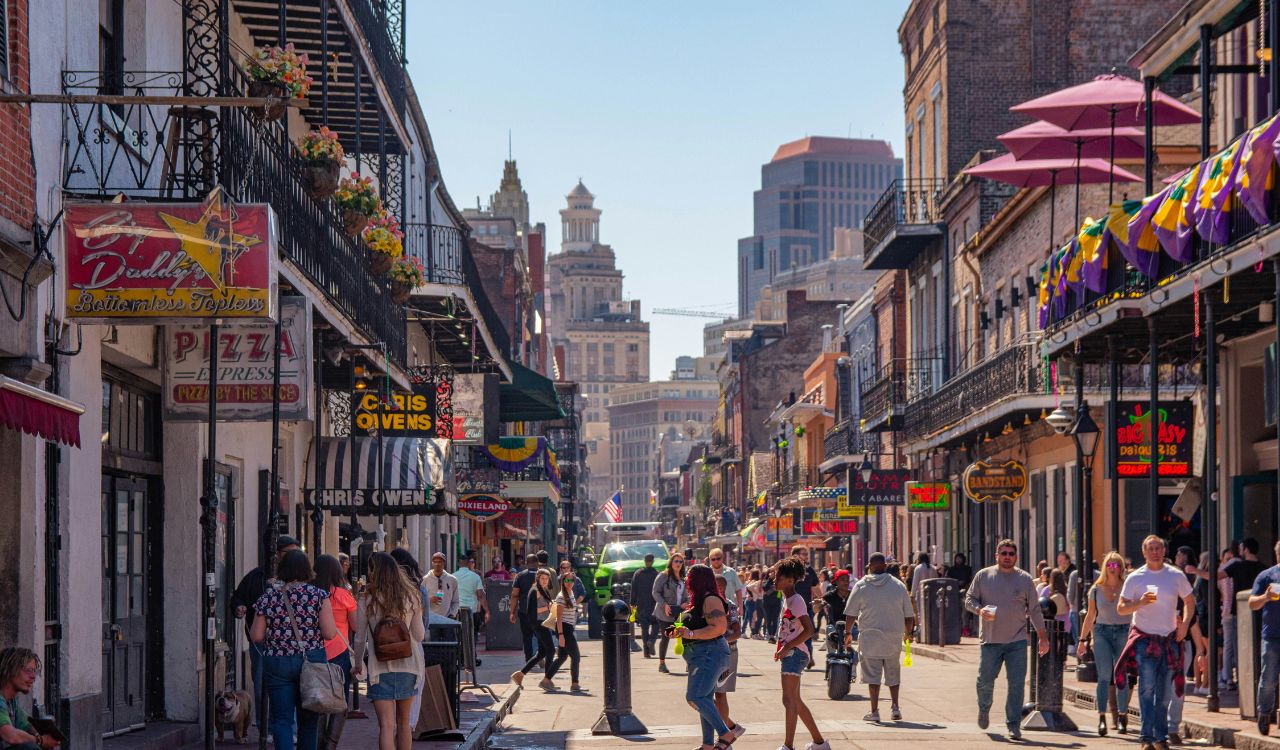
Among the 50 states, Louisiana had the highest share of current residents still living in their birth state in the latest Census data, at about 77.0%. That feels believable in a place where food, music, parish ties, and regional identity are not side details but daily structure. Plenty of people do leave for work or weather or a different pace, but Louisiana has a way of making attachment feel local, specific, and inherited, not generic. In much of the state, belonging is not abstract. It is spoken, cooked, celebrated, and remembered in ways that are hard to replace somewhere else.
Michigan

Michigan ranked second, with about 75.1% of residents living in the same state where they were born. Part of that staying power likely comes from how many different versions of life the state holds at once: Great Lakes shoreline, old industrial cities, college towns, hunting country, close-knit suburbs, and a strong sense that local identity still matters. Even when the winters test patience, Michigan offers a kind of emotional geography people seem reluctant to trade away. The state does not ask residents to choose between grit and beauty. It has been blending those two things for generations.
Ohio

Ohio came in third at about 74.3%, and that number fits the state’s reputation for deep family networks and long-standing hometown loyalty. Its cities feel substantial without always feeling uprooted from the communities around them, and many residents grow up with strong attachments to neighborhood institutions, public universities, local sports, and multigenerational routines. Ohio rarely gets romanticized the way coastal states do, which may be part of its strength. It tends to reward familiarity, steadiness, and the kind of everyday livability that does not need constant reinvention to feel meaningful.
Mississippi

Mississippi ranked fourth, with about 70.0% of residents still living in their birth state. That kind of rootedness often comes from bonds that are thicker than convenience alone: extended family, church life, local memory, and a sense of place shaped by river towns, Delta history, Gulf communities, and small-city continuity. The state faces real economic challenges, and that deserves honesty, but staying is not always a sign of limited imagination. Sometimes it reflects a powerful attachment to home, to people, and to a rhythm of life that feels emotionally legible in a way other places never quite do.
Pennsylvania

Pennsylvania rounded out the top five at about 69.6%, just ahead of Wisconsin. That makes sense in a state where regional identities run deep, from rowhouse neighborhoods and old steel valleys to farmland, small towns, and long-rooted suburban communities. Pennsylvania holds a lot of America inside one set of borders, and many residents seem to find enough variety there without feeling the need to start over elsewhere. The state’s appeal is rarely flashy. It is sturdier than that. It lives in familiarity, in family, in accent, in habit, and in the comfort of already knowing how a place works.