We may earn money or products from the companies mentioned in this post. This means if you click on the link and purchase the item, I will receive a small commission at no extra cost to you ... you're just helping re-supply our family's travel fund.
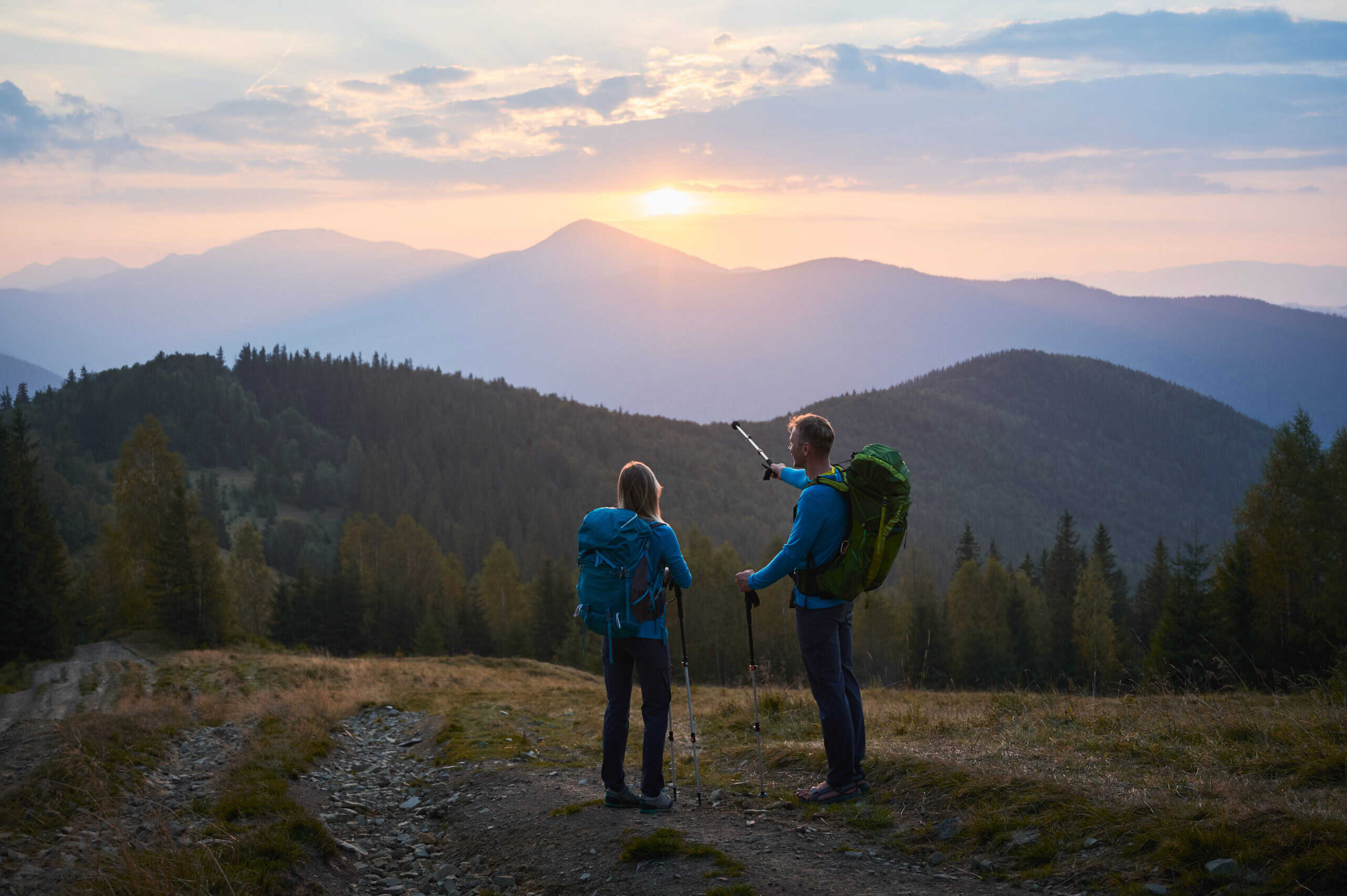
Backpacking strips travel down to essentials: a smart route, steady pacing, and a landscape worth carrying life across. In the U.S., the best states for backpacking are not defined by one famous trail, but by range. They offer long seasons, varied terrain, and enough public land to keep solitude possible. These five states consistently deliver days that begin in cold air, build into bright effort, and end in quiet camps where the night feels earned.
California
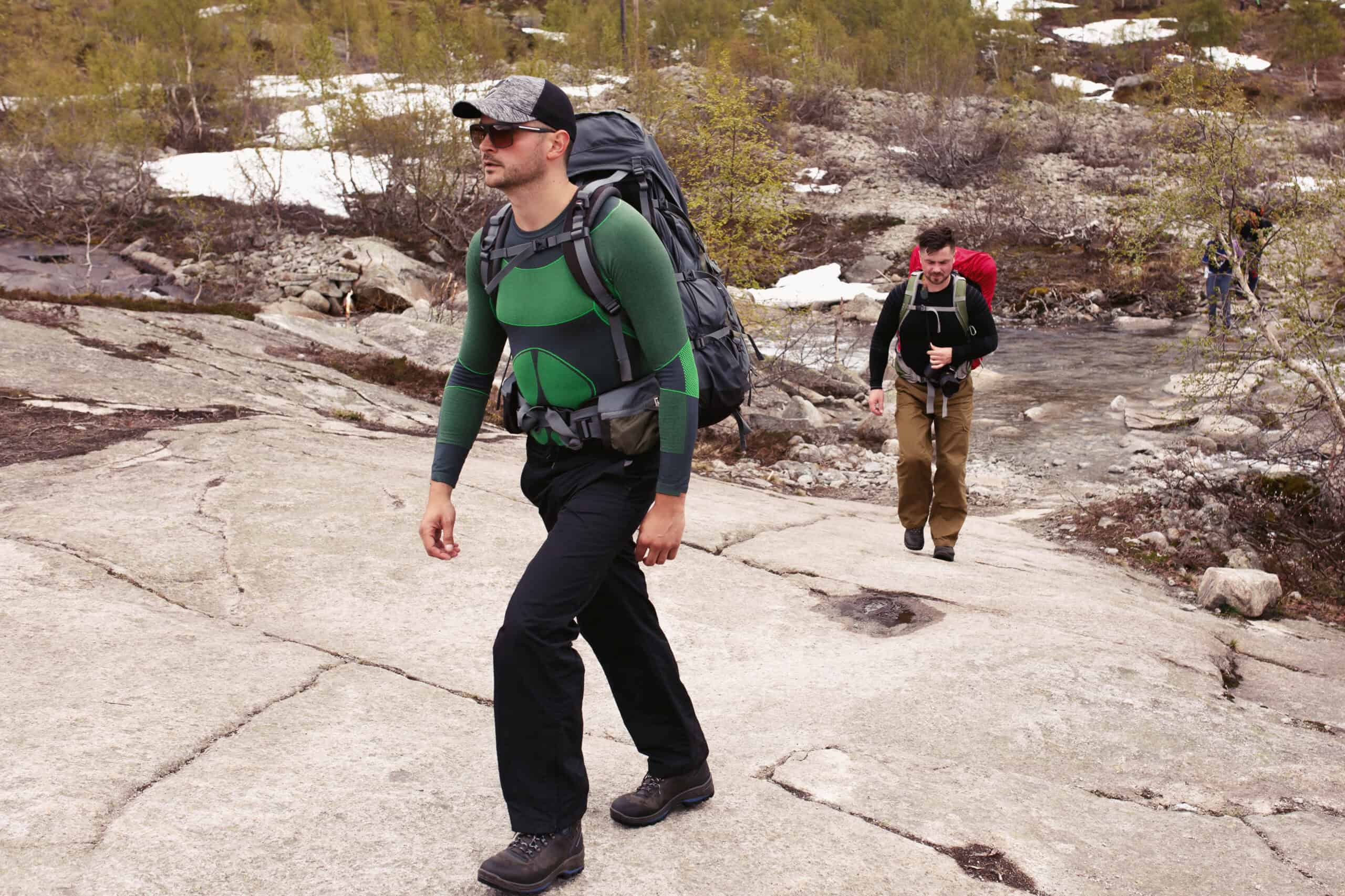
California’s backpacking swings from Sierra granite to redwood shade and desert canyons, often within one road trip that changes climates overnight. The John Muir Trail, Yosemite and Kings Canyon loops, Tahoe high country, and Pacific Crest Trail segments trade effort for high passes, cold swims, and meadows that feel endless. Permits can be competitive, and wildfire smoke can reroute plans in late summer, especially in Aug. and Sept. but the payoff is range: alpine mornings, pine scent at noon, and camps where the sky opens wide and the only sounds are wind, water, and a distant marmot.
Colorado
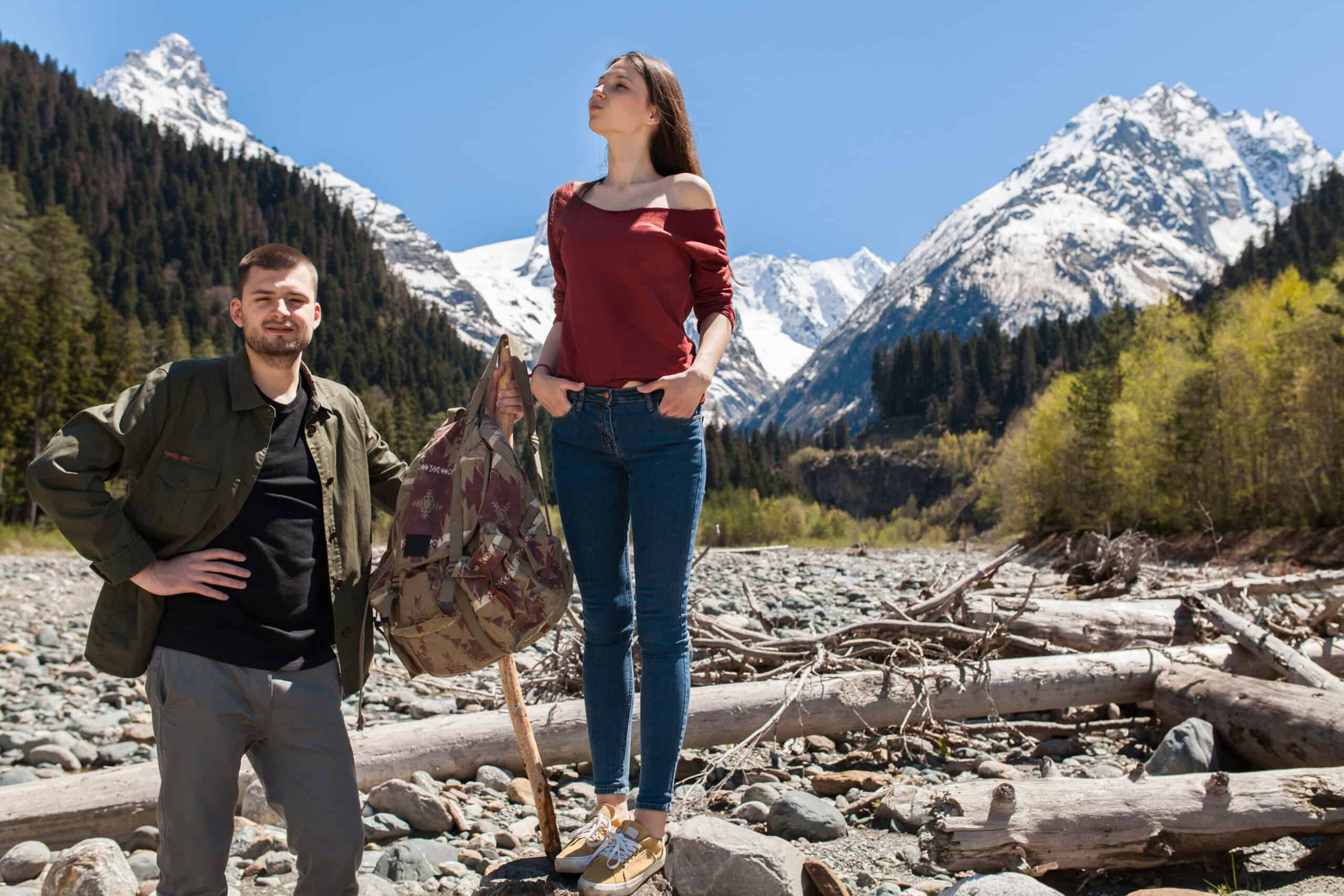
Colorado is made for backpackers who want altitude, clean air, and a skyline of peaks that never seems to end. Loops in the Maroon Bells Snowmass Wilderness, Indian Peaks, and the San Juans deliver high basins, late snowfields, and sharp ridgelines, while the Colorado Trail offers long, satisfying days with steady climbing. Summer storms teach early starts, and lightning can turn exposed terrain into a hard no by midafternoon. With many routes above 10,000 feet, acclimation becomes part of the craft, rewarded by sunrise that turns the mountains copper, then blue as shadows slide in.
Washington
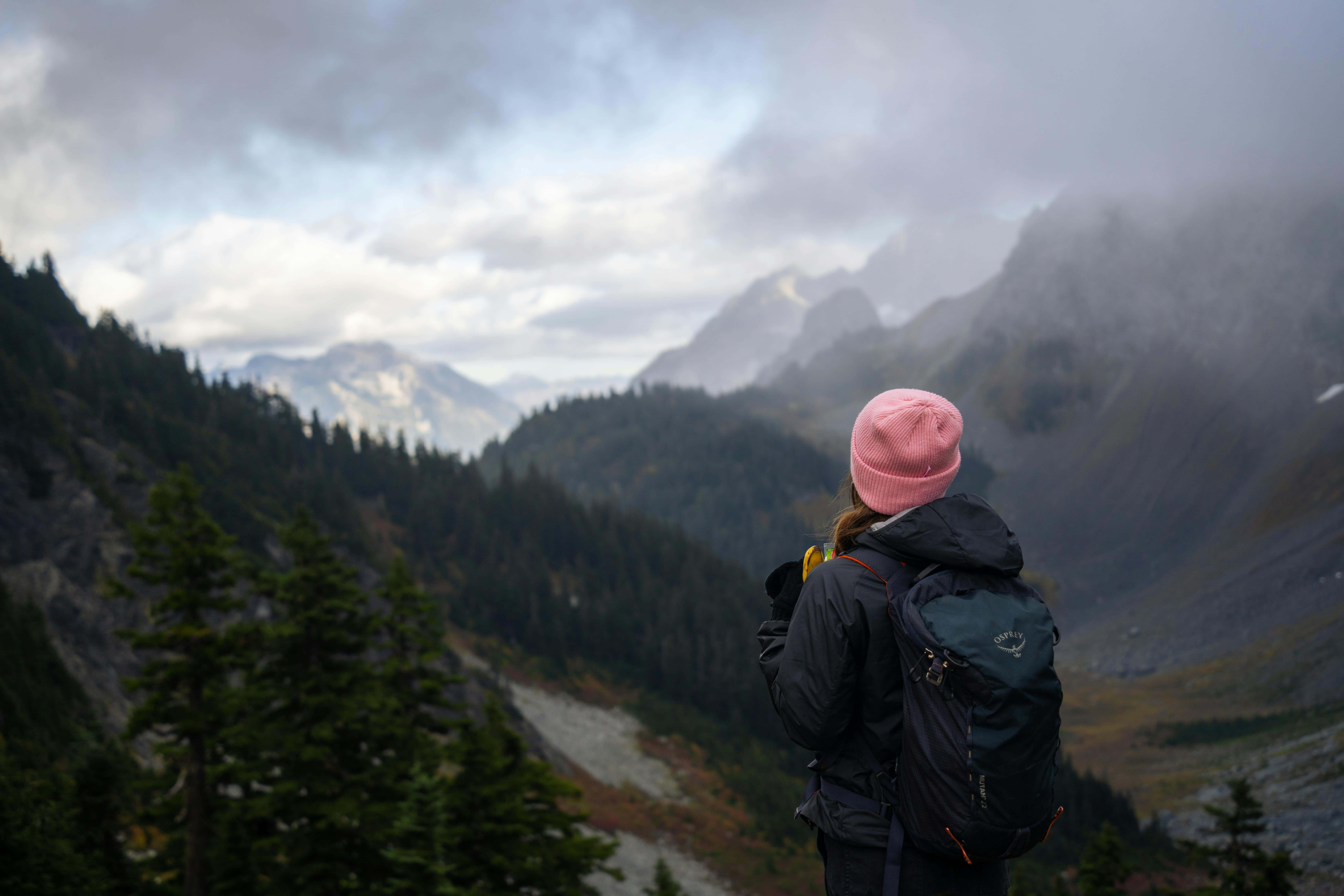
Washington packs rainforest, glacier views, and salt air into one state, giving backpackers a rare range of moods within a few hours. Olympic routes move from mossy valleys to wild beaches, while the Cascades deliver ridgelines and turquoise lakes near Mount Rainier, the Alpine Lakes Wilderness, and the North Cascades. Snow can linger into July, rivers can rise after rain, and weather changes fast, but late summer steadies the rhythm. By Sept. larches turn gold in higher basins, camps smell like cedar and stone, and the quiet feels deep even on well known trails.
Utah
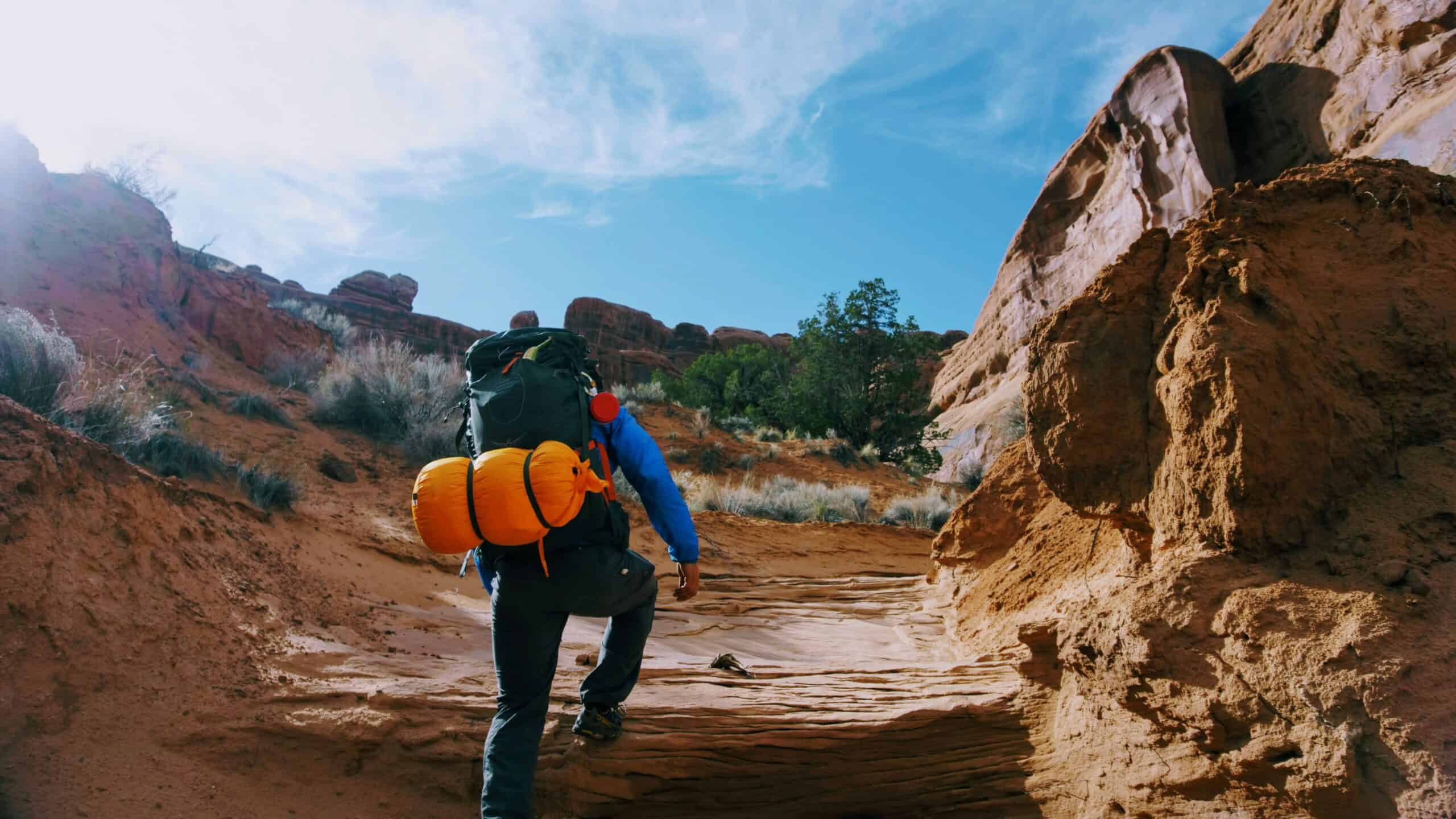
Utah’s best backpacking is shaped by terrain that demands attention: slickrock shelves, canyon narrows, and water that appears, then vanishes into sand. Zion, Bryce Canyon, and Capitol Reef anchor famous routes, while Grand Staircase and Bears Ears country offer lonely mesas where the night sky feels huge. Heat and flash flood risk control timing, and water carries are a real strategy, not a detail, so spring and Oct. often feel best. When conditions line up, sandstone glows at dusk, footsteps echo in narrows, and camps feel private even near popular trailheads.
Montana
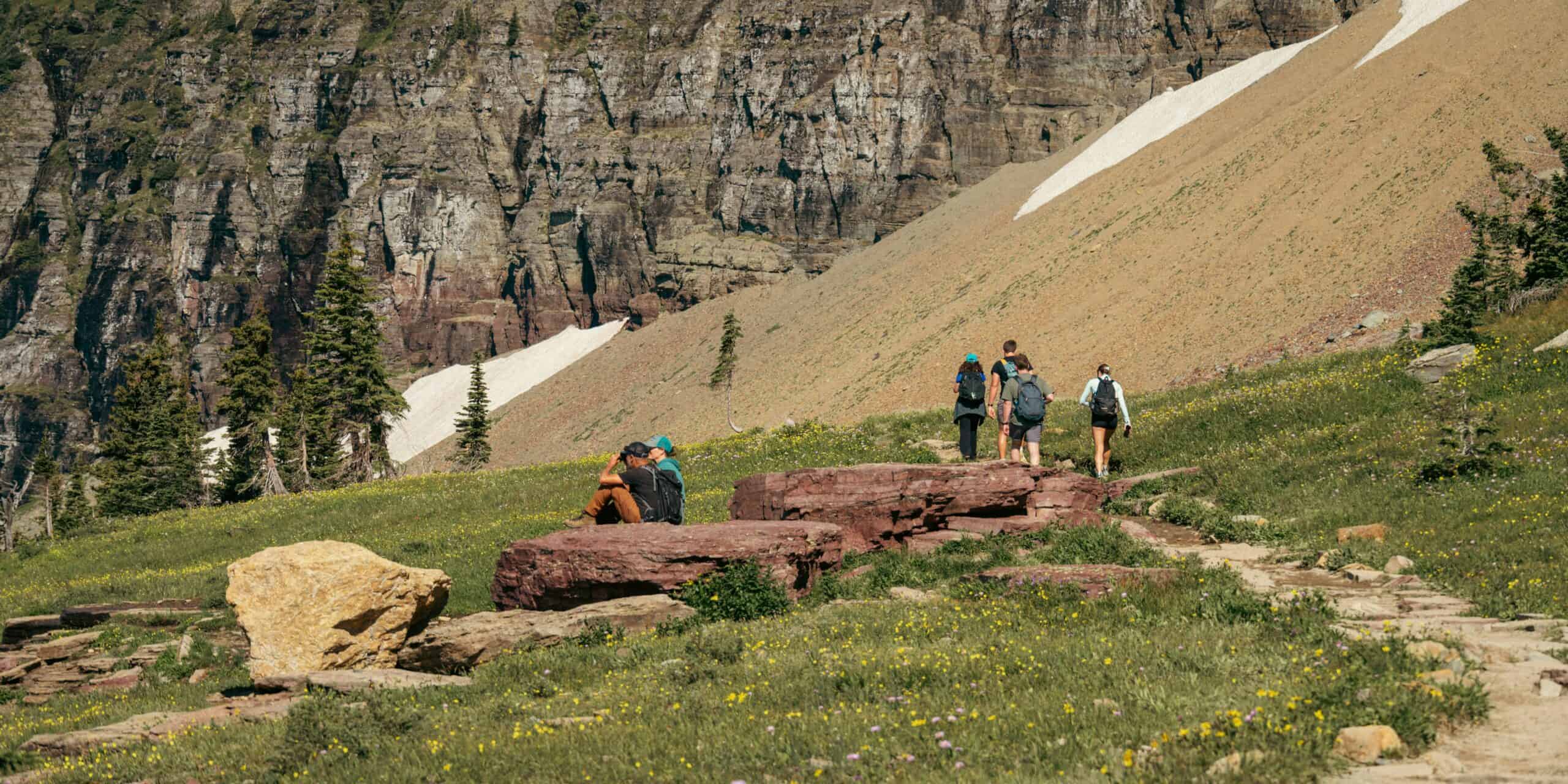
Montana still has stretches of map that look empty, and backpackers come for that emptiness. Glacier National Park brings knife edge ridges and cold blue lakes, while the Bob Marshall Wilderness offers big country where miles pass without another voice. Weather turns fast, bear safety requires disciplined food storage, and river valleys can feel remote, but the experience is pure: long daylight, clean water, and trails that feel older than trends. Nights end under a bright Milky Way, and mornings start with air that bites, even in July, as the first light hits the ridges.