We may earn money or products from the companies mentioned in this post. This means if you click on the link and purchase the item, I will receive a small commission at no extra cost to you ... you're just helping re-supply our family's travel fund.

Tourist towns that once sold themselves on endless music and late nights are starting to hit pause much earlier. Residents are tired of shouting in stairwells, glass recycling at midnight, and scooters buzzing past bedroom windows. City councils now talk about sleep alongside tourism revenue, trying to keep both. By 2026, a growing number of beloved destinations are experimenting with quiet hours that feel like a 9 p.m. curfew, reshaping what an evening away from home actually sounds like. The change is subtle but emotionally huge for people who live there.
Seoul’s Bukchon Hanok Village, South Korea

Bukchon Hanok Village looks like a movie set at golden hour, but for years its alleys have doubled as echo chambers for tour groups and late selfies that never seemed to end. Residents pushed for strict quiet hours, so streets that once hummed after dark now empty close to 9 p.m., with signs, patrols, and online campaigns backing them up. The goal is simple: protect fragile wooden homes, restore sleep, and remind visitors that behind every pretty courtyard gate is a family trying to live a normal life that does not end in earplugs and resentment.
Lisbon’s Central Bar Streets, Portugal
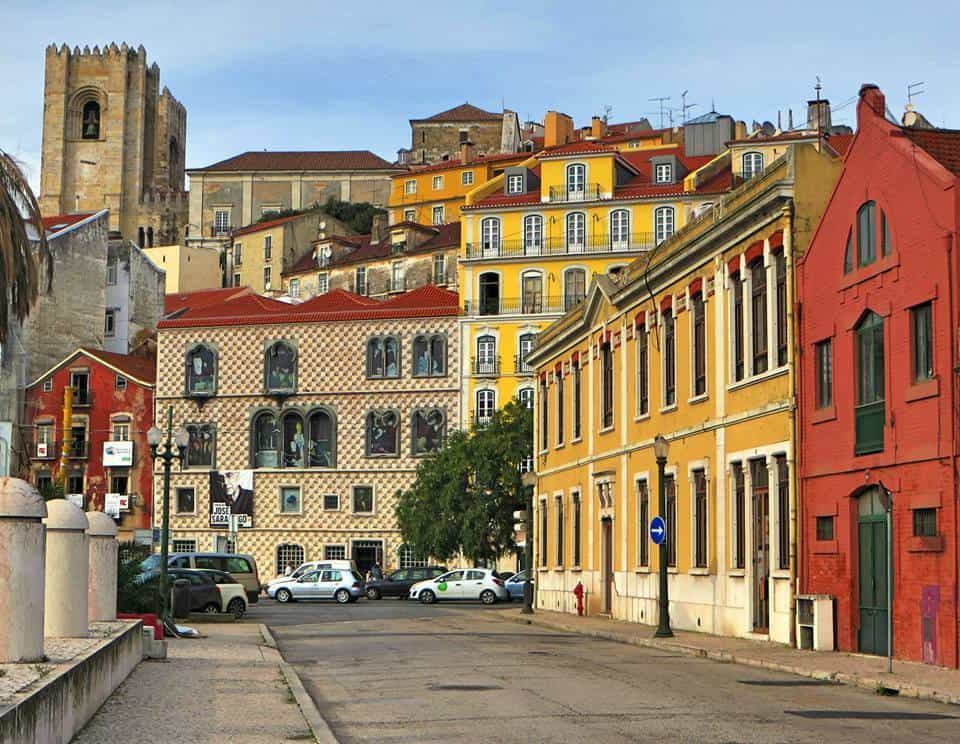
Lisbon’s steep party streets built a reputation on cheap drinks and packed balconies, but the noise bounced straight into bedrooms above the bars and short term rentals that filled old houses. New rules in busy zones now tie terrace closures and music levels to an early quiet window that feels like a neighborhood curfew more than a suggestion, especially in lanes that used to roar past midnight. By around 9 p.m., sound checks, inspections, and frustrated neighbors all push venues to dial things back, shifting the energy toward daytime cafes and slower, more respectful evenings in the hills.
Amsterdam’s Red Light District, Netherlands

Amsterdam’s canals still glow after sunset, yet the city is tired of streets that sound like a festival every night, especially near the tight lanes of the Red Light District where sound bounces off glass and brick. Tighter hours for bars and brothels, plus new bans on loud tour groups and open alcohol, are designed to calm things much earlier in the evening rather than just at closing time. The effect is most obvious around 9 p.m., when windows stay lit but crowds thin faster, giving long suffering residents a chance to hear footsteps on cobblestone instead of constant shouting, singing, and rolling suitcases.
Barcelona’s Old Town Hotspots, Spain
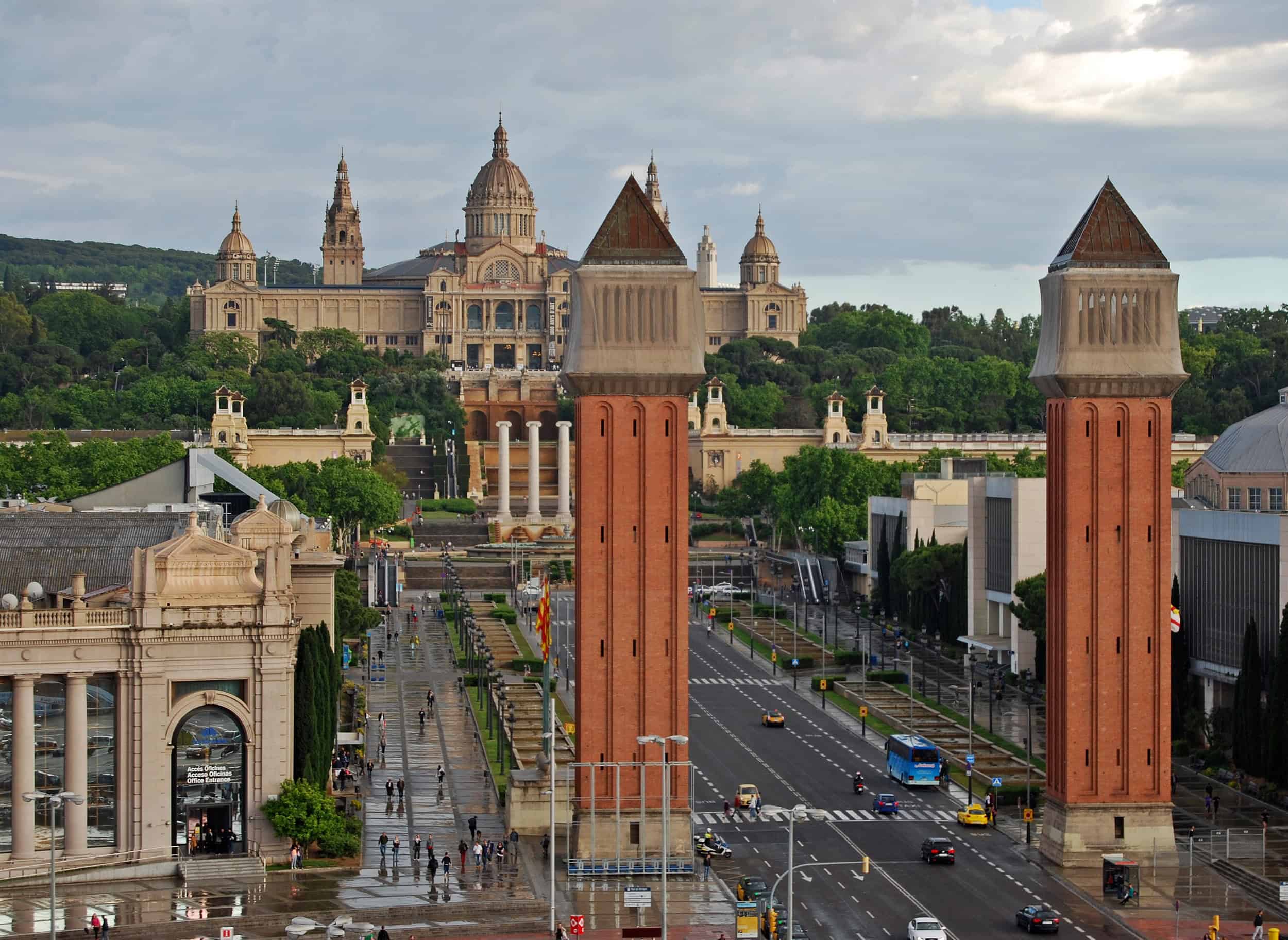
Barcelona’s old town mixes families, tiny apartments, and bars that once blasted music until early morning, turning every alley into a shared living room for strangers who never thought about the people upstairs. After years of complaints, city officials now combine limits on terraces, bar crawls, and amplified sound to create early quiet pockets in once nonstop zones. Around 9 p.m., staff stack chairs faster, doors close sooner, and police remind lingering groups to keep voices low, leaving locals with at least part of the night that belongs to them again during peak season.
Goa’s Coastal Party Strip, India
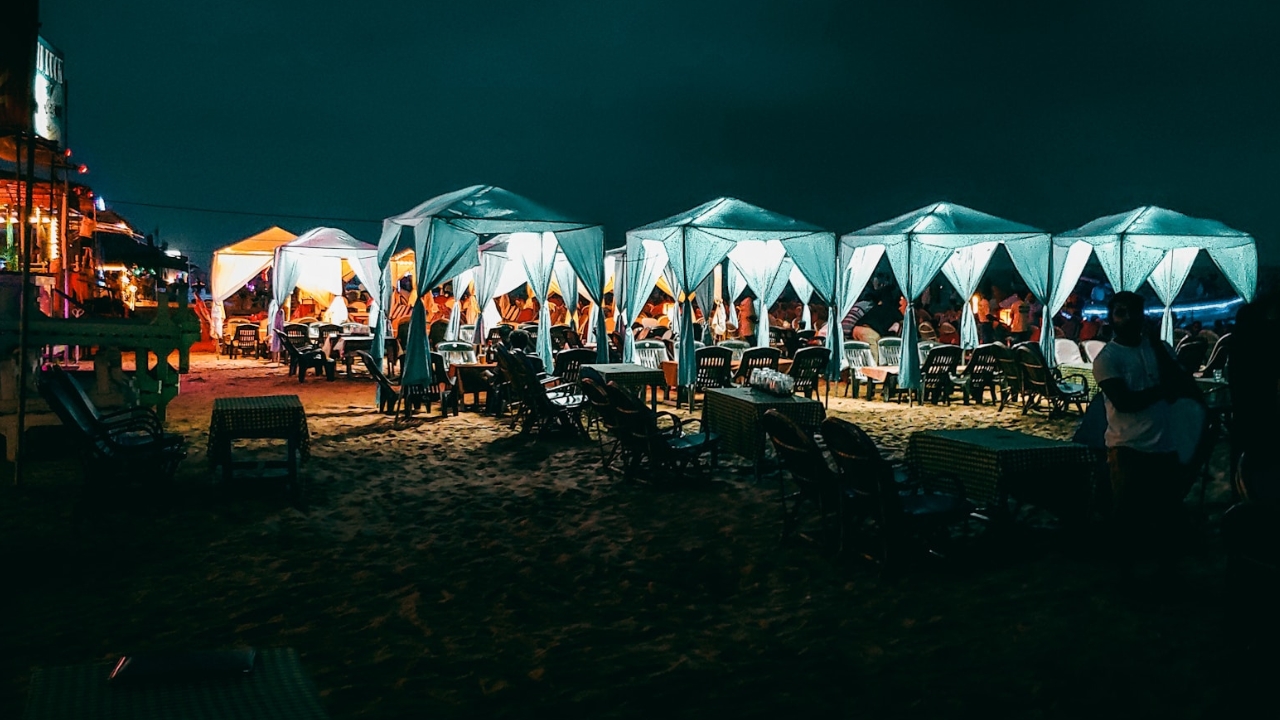
Goa’s coastal belt sells postcards of bonfires and beach beats, yet nearby villages have long dealt with speakers shaking windows deep into the night and drowning out crickets and temple bells. Court orders and noise caps already existed, but new enforcement pushes many venues toward much earlier wind downs that feel like informal curfews when the holiday season is busy. By about 9 p.m., outdoor sound is supposed to soften, nudging parties indoors or off huge speakers, and slowly proving that a town can still let its own people sleep without losing all its magic.