We may earn money or products from the companies mentioned in this post. This means if you click on the link and purchase the item, I will receive a small commission at no extra cost to you ... you're just helping re-supply our family's travel fund.

Flight prices out of the U.S. do not move on a tidy calendar. They swing with demand, capacity, school breaks, and weather, plus the quiet revenue rules airlines use to protect yield. Smart planning is less about finding one magic day and more about avoiding the moments that reliably create overpaying, fragile connections, or both. These five windows show up again and again, and skipping them usually buys something rarer than a deal: a trip that holds together when plans shift. It also keeps decision-making calm, because good travel starts before the boarding pass exists, and ends with less regret.
When the Schedule First Opens Far in Advance
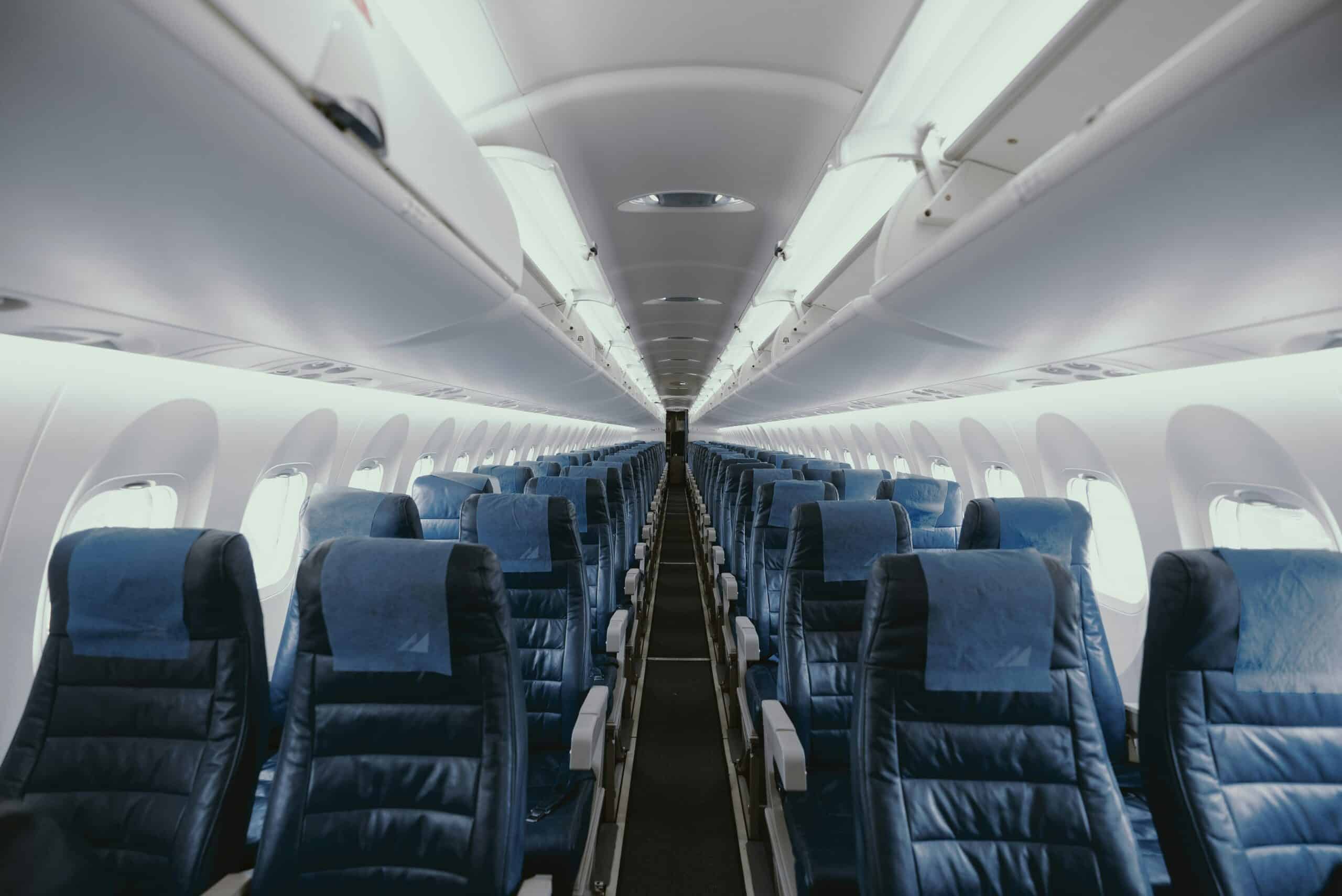
When a schedule first appears far in advance, prices often start high because the airline is selling certainty, not value. That early inventory is thin, the cheapest buckets may not be loaded yet, and later timetable tweaks are common. Waiting a few weeks while tracking fares usually reveals a truer price, and it also reduces the odds of booking a flight that gets retimed. This is especially true for popular nonstop routes, where early pricing can be more aspirational than market-based. If an early purchase is unavoidable, flexible fare terms matter more than saving a small amount up front.
Inside the Final Few Weeks Before Departure

Inside the final few weeks before departure, airfare tends to punish urgency. Seat maps look tempting, but pricing often assumes late buyers have fewer options, so fares rise while good departure times disappear. Even when a last-minute deal exists, it usually comes with compromises: odd layovers, bad arrival times, or limited rebooking choices if something breaks. Booking earlier also opens better seats and simpler routings. For trips that must be close-in, nonstop flights and refundable or changeable terms can prevent one delay from becoming an overnight problem, especially during busy weekends.
Right Before Peak Holiday Weeks
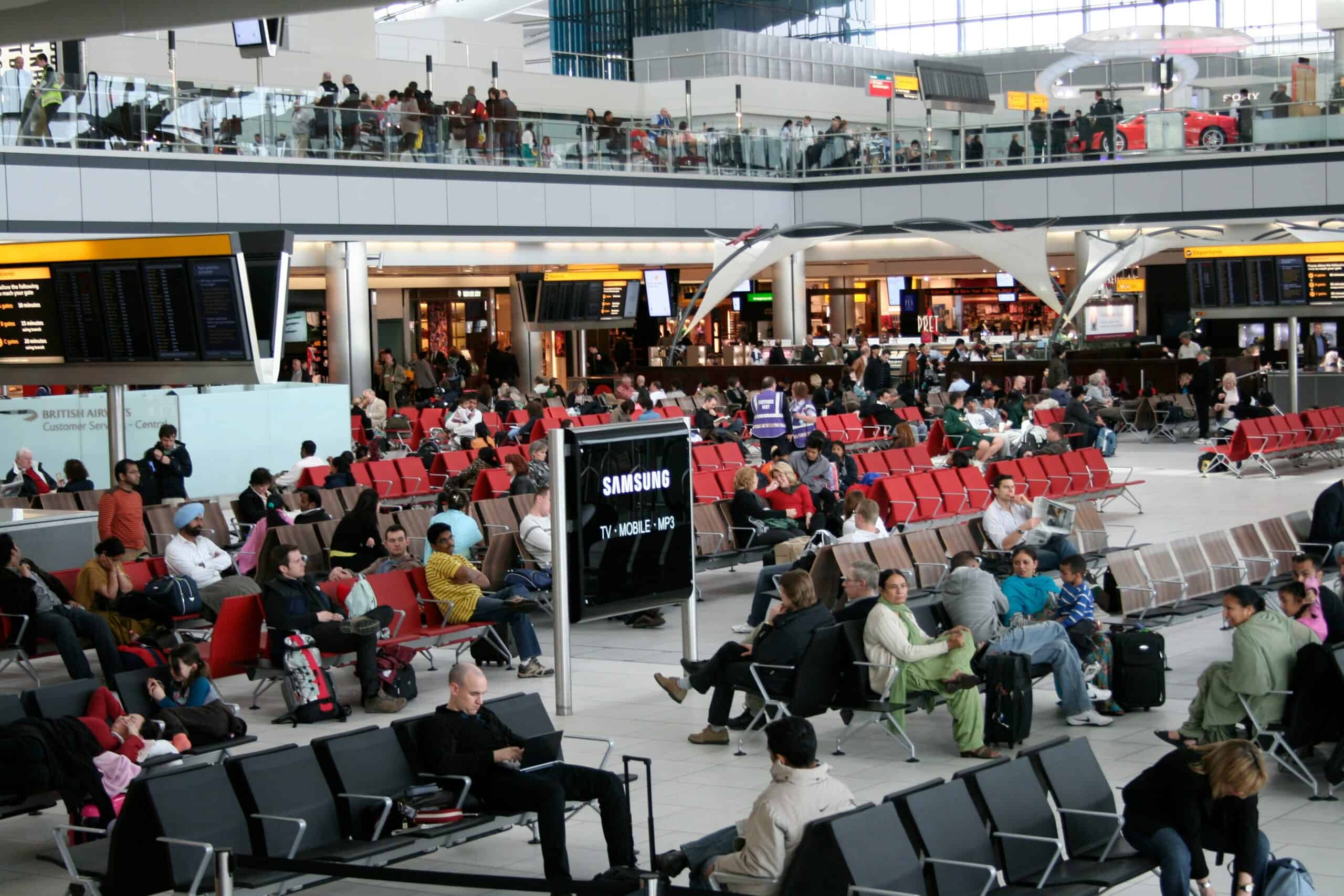
Right before major holiday travel weeks, airlines hold the leverage. Demand stays high no matter how ugly the fare looks, and the remaining seats tend to be expensive ones. Airports also run at their most congested, which means fewer empty seats to rescue missed connections and fewer spare flights to reroute disrupted travelers. Early booking creates options: better times of day, fewer stops, and more realistic backup plans. If a holiday trip is unavoidable, flexible dates and off-peak departure hours matter, because the smoothest holiday travel usually looks boring on paper, not heroic.
While a Major Storm Pattern Is Already Disrupting Flights
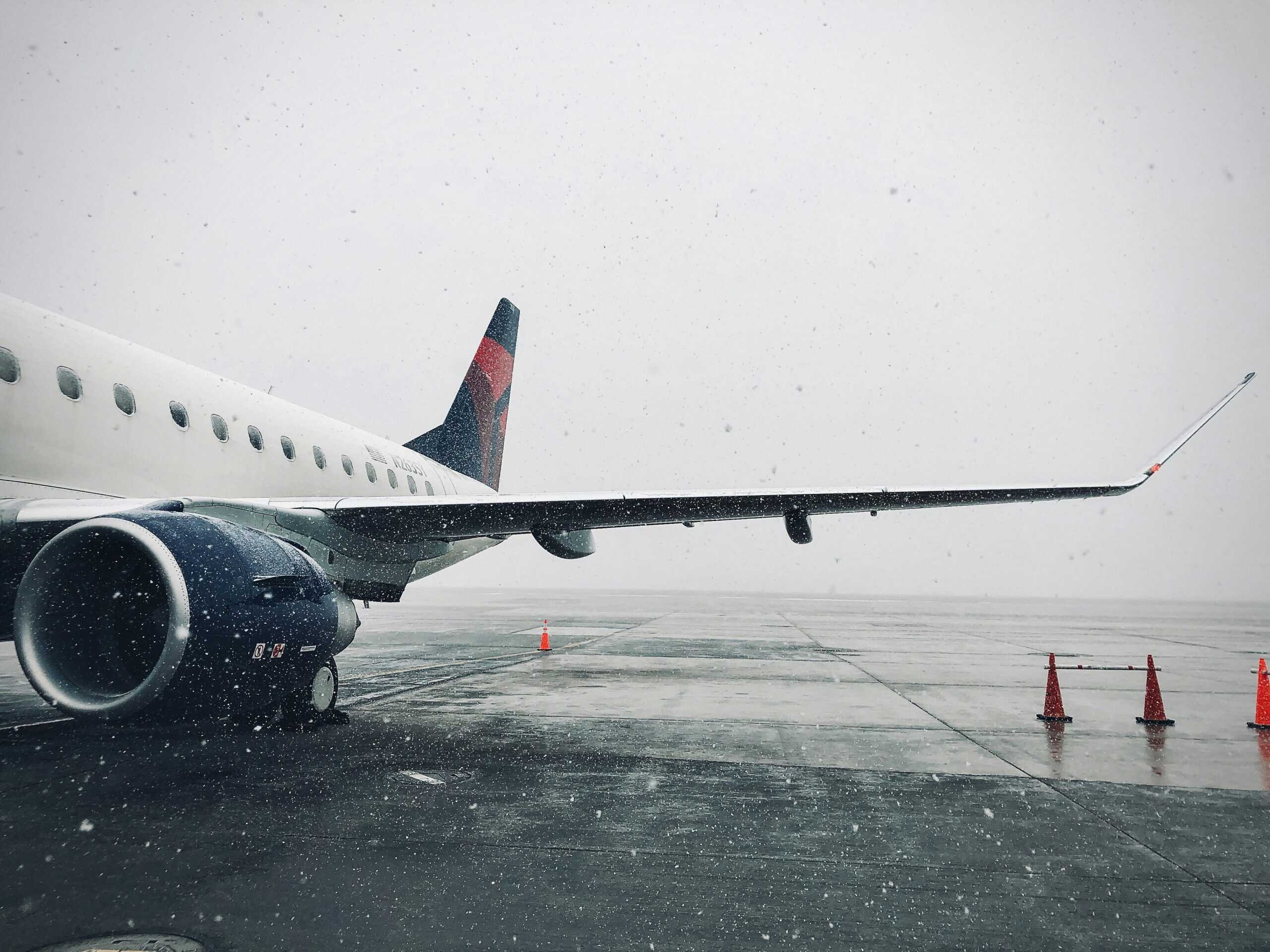
When a major storm pattern is already triggering airline waivers, buying a brand-new ticket can be a costly way to join the chaos. Schedules can shift hour by hour, and the best-looking itinerary at noon can be canceled by evening. Pricing also gets noisy as seats vanish and rebookings flood the system. The smarter move is to wait for the forecast and operations picture to stabilize, then book once routings look durable again. For already ticketed trips, waiver rules can help move dates, but the goal is the same: avoid paying for a plan that collapses before the airport day even arrives.
When the Itinerary Is Fragile and the Fare Has No Exit
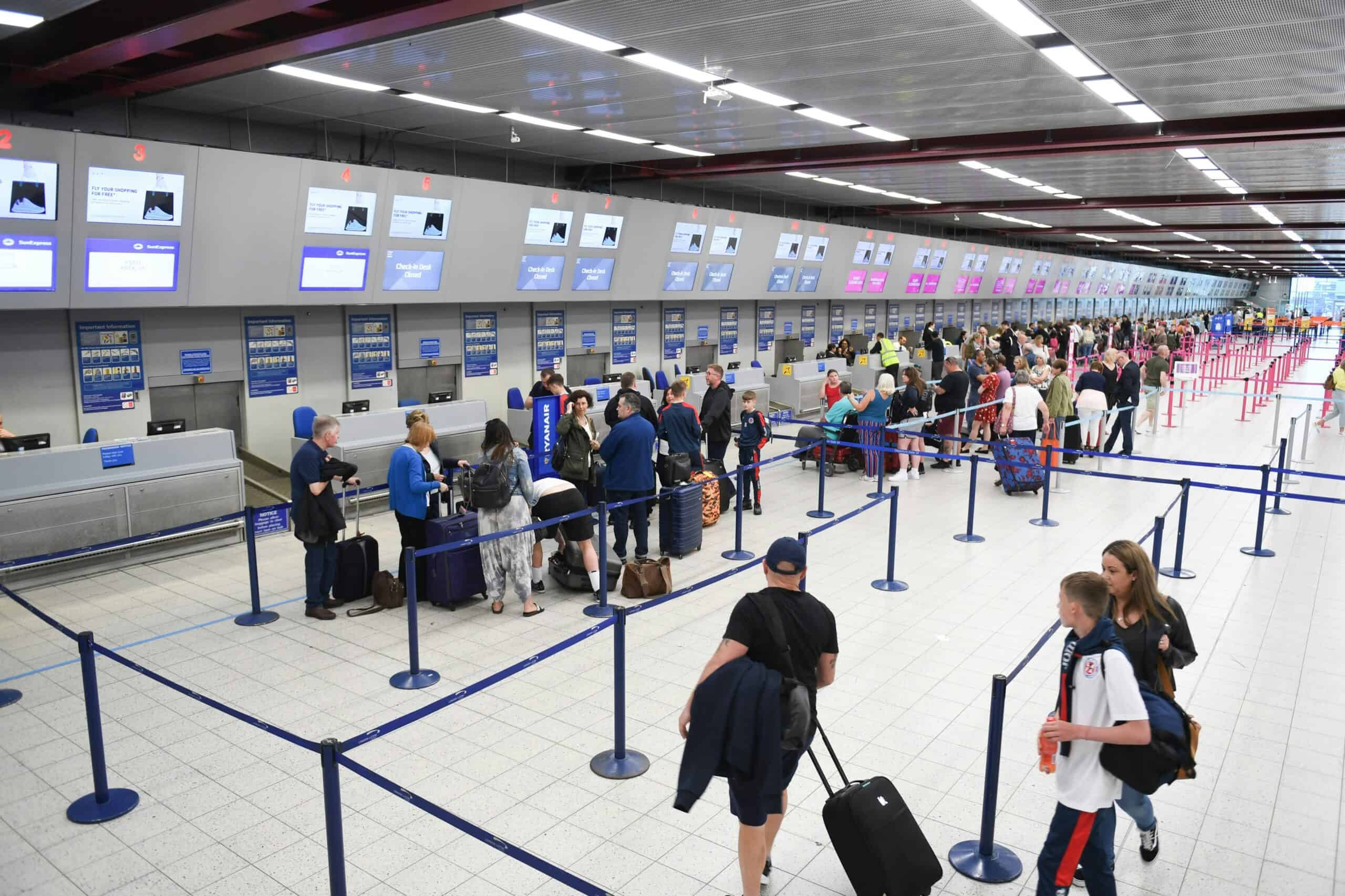
The worst time to book is when the itinerary is fragile and the fare offers no clean exit. Tight connections, the last flight of the night, and separate tickets can turn a small delay into a lost day. Nonrefundable terms add another trap, because even a simple change can become fees, fare differences, and hours on hold. A sturdier booking builds margin: earlier departures, longer layovers, and one-ticket routings when possible. Paying slightly more for changeability often beats saving now and paying later, especially on trips with meetings, weddings, or cruise connections that cannot slide by a day.