We may earn money or products from the companies mentioned in this post. This means if you click on the link and purchase the item, I will receive a small commission at no extra cost to you ... you're just helping re-supply our family's travel fund.
/Unsplash
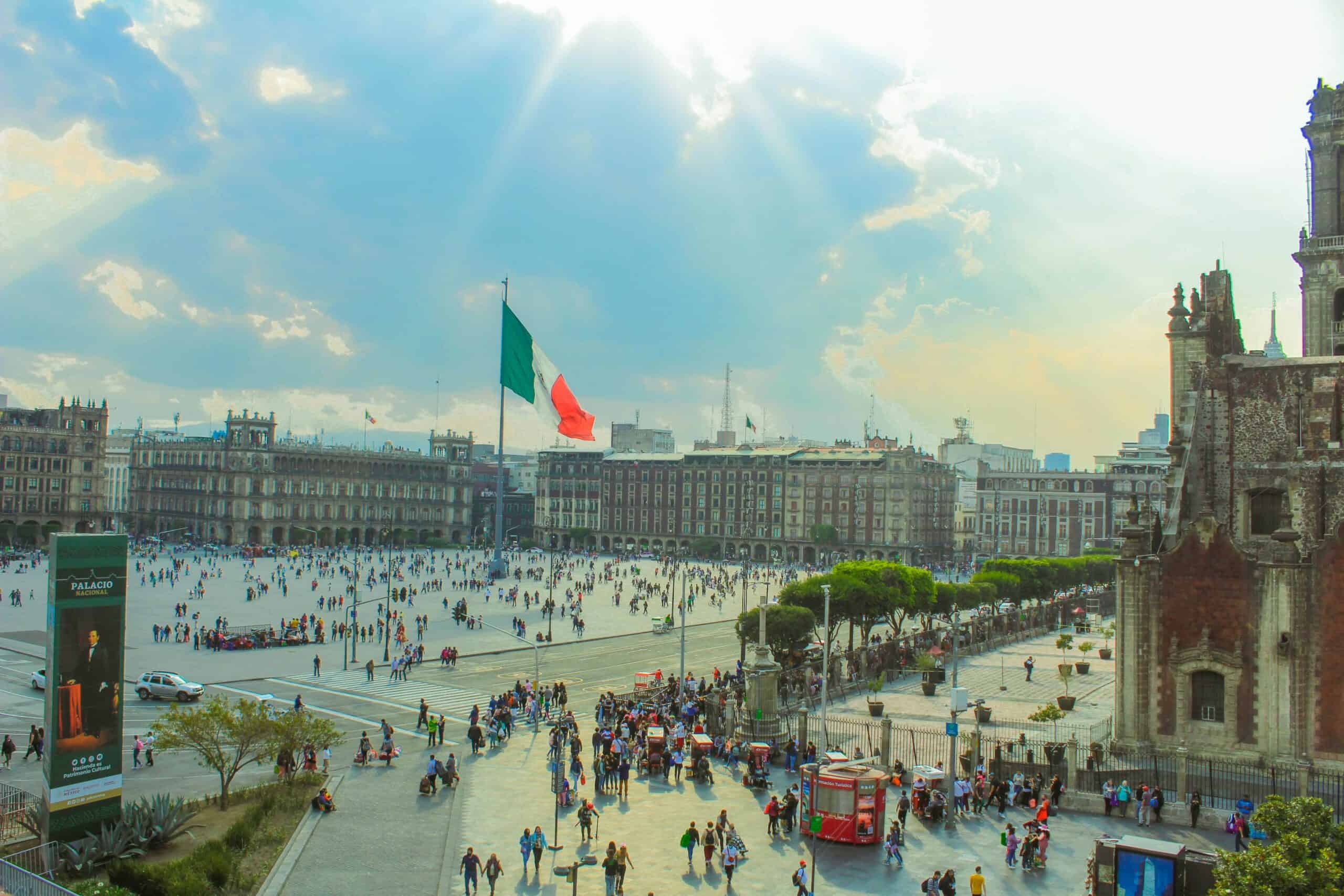
Mexico unfolds as a country of layered traditions, vibrant street life, and deeply rooted social customs that shape everyday interactions. Beyond its beaches and colonial towns lies a culture built on respect, rhythm, and unspoken rules that guide both locals and visitors. Missteps rarely come from bad intent, but from not understanding these nuances. The difference between a smooth journey and an awkward one often comes down to small choices—what is said, what is assumed, and how one moves through shared spaces.
Ignoring Local Customs and Greetings
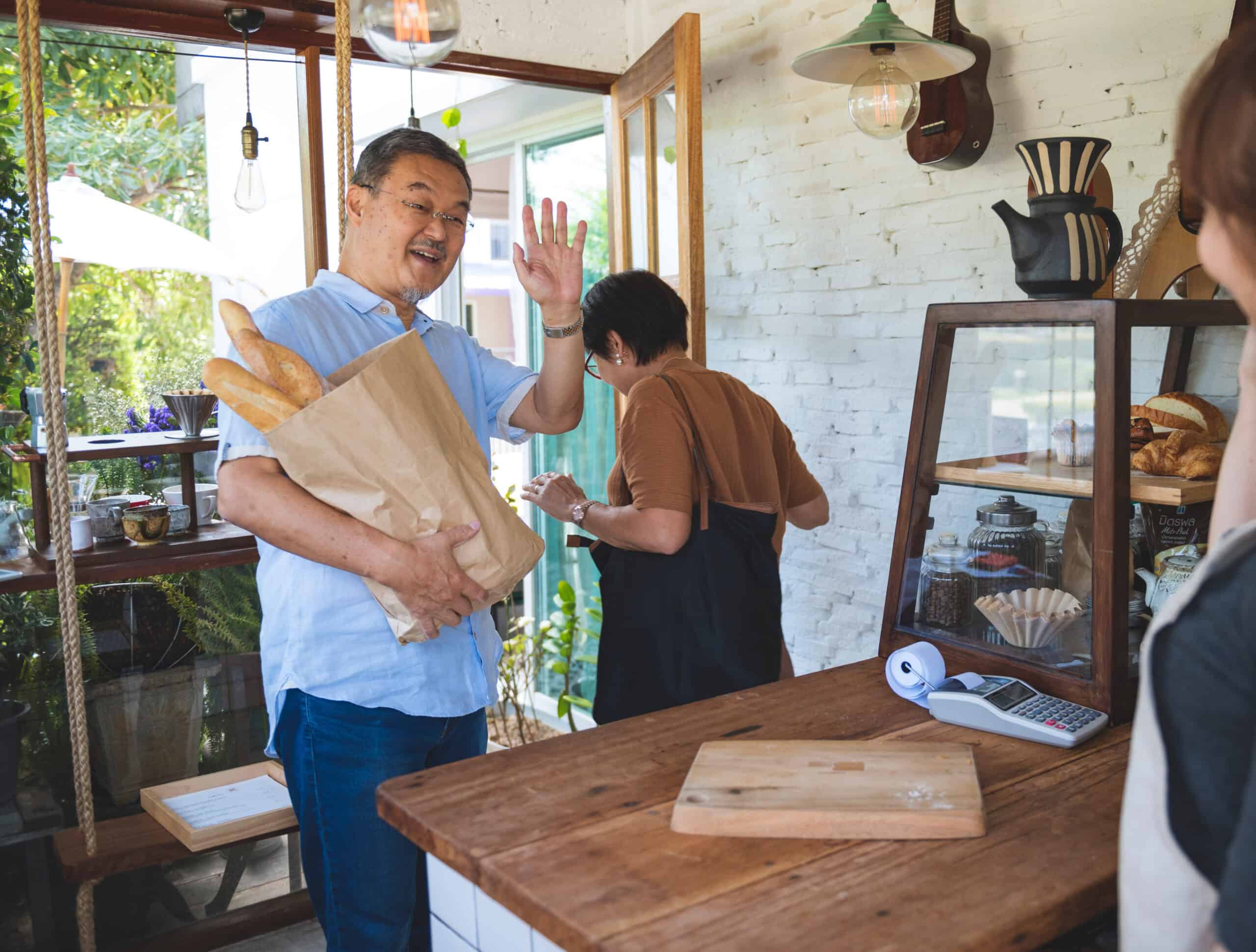
In Mexico, greetings are more than polite gestures; they are social anchors. Skipping a simple “buenos días” or failing to acknowledge someone before making a request can come across as dismissive. Conversations often begin with warmth, even in shops or casual encounters, reflecting a culture that values connection over efficiency. Respect is communicated through tone, eye contact, and presence, and overlooking this can unintentionally create distance in otherwise friendly interactions.
Drinking Tap Water Without Precaution

Tap water in many parts of Mexico is not considered safe for drinking, and locals typically rely on purified water for daily use. Ignoring this can quickly lead to illness, disrupting even the most carefully planned itinerary. Bottled or filtered water is widely available and commonly used, even for brushing teeth in some regions. This small adjustment is less about fear and more about adapting to local practices that prioritize health and comfort.
Assuming All Areas Are Tourist-Friendly
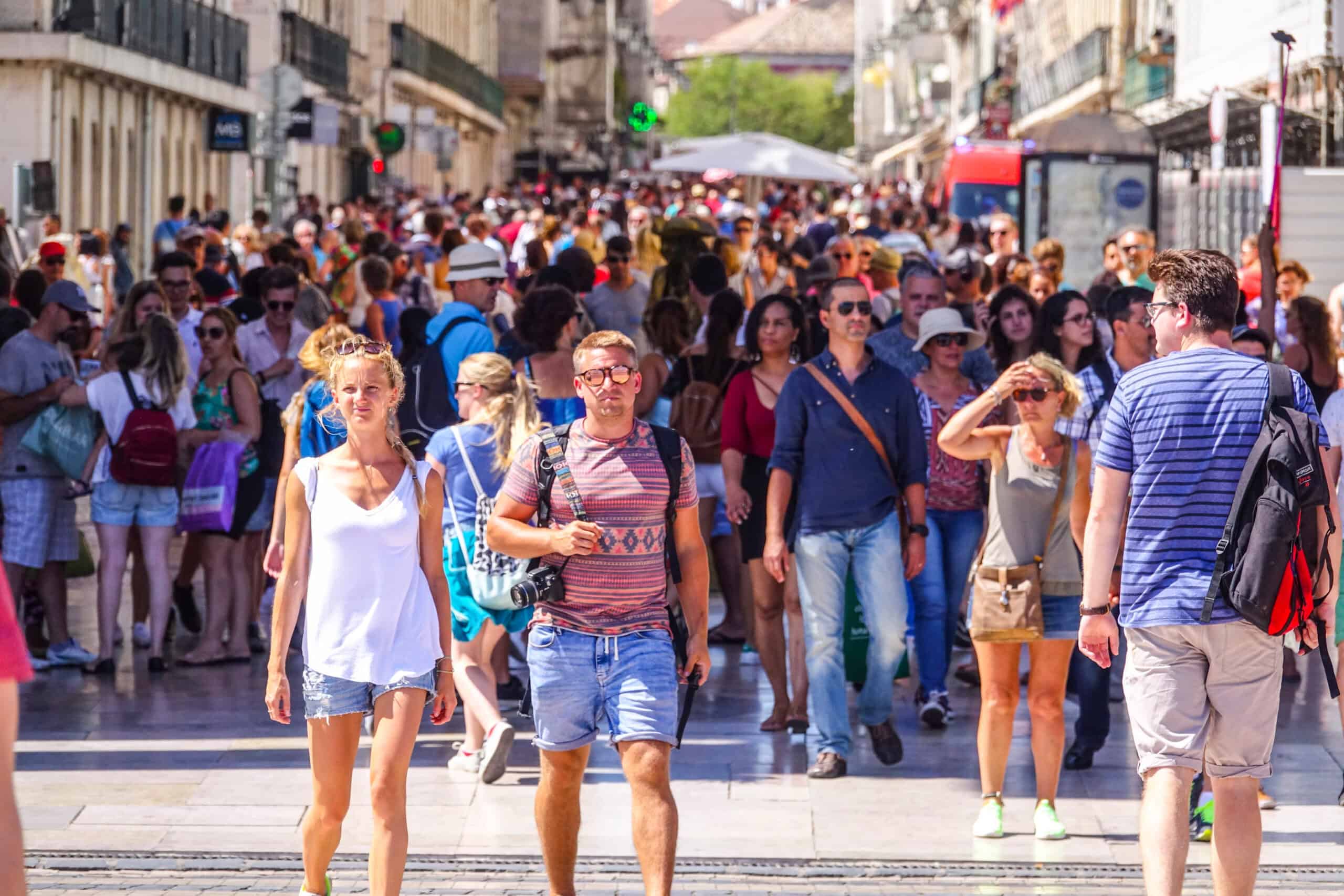
Mexico offers incredible diversity, but not every neighborhood is designed with tourism in mind. Venturing into unfamiliar areas without research can lead to confusion or discomfort, especially in large cities where safety and accessibility vary widely. Locals often navigate these distinctions intuitively, but visitors benefit from understanding which districts are welcoming and well-equipped. Awareness transforms exploration into a more confident and enjoyable experience.
Disrespecting Cultural and Historical Sites
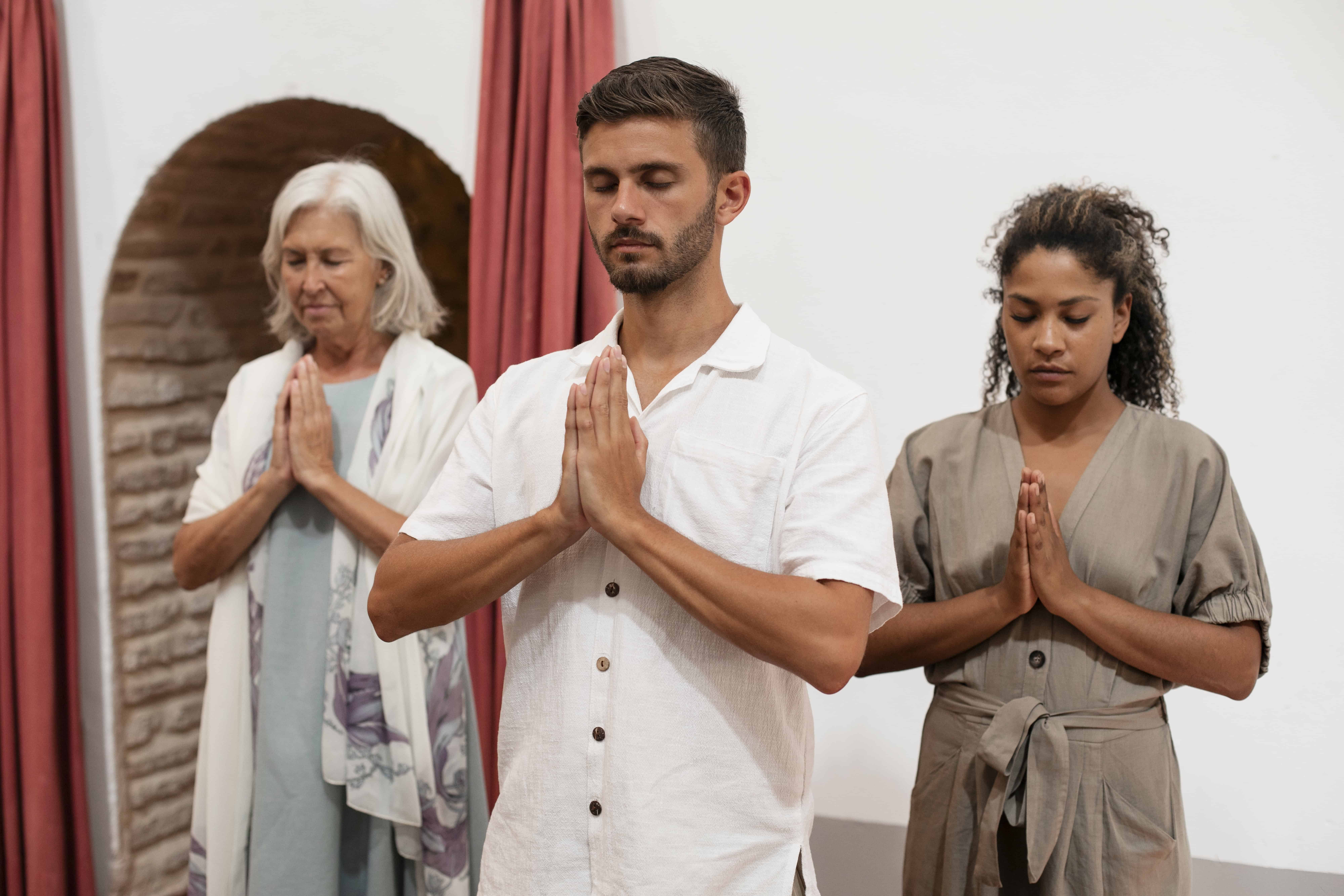
Ancient ruins, churches, and historic landmarks hold deep cultural significance, often extending far beyond their visual appeal. Climbing restricted structures, touching fragile surfaces, or behaving casually in sacred spaces can be seen as disrespectful. Many of these places are protected not just for tourism, but for heritage and identity. Observing posted rules and moving with care shows appreciation for the history that continues to shape modern Mexico.
Overlooking Cash-Based Transactions

While credit cards are accepted in major cities and tourist zones, cash remains essential across much of Mexico. Small vendors, local markets, taxis, and family-run establishments often operate on a cash-only basis. Assuming otherwise can lead to awkward situations or missed opportunities, especially when exploring more authentic, less commercial areas. Carrying pesos in smaller denominations ensures smoother transactions and supports local businesses more directly.