We may earn money or products from the companies mentioned in this post. This means if you click on the link and purchase the item, I will receive a small commission at no extra cost to you ... you're just helping re-supply our family's travel fund.
Travel in 2026 shows that crossing borders is not the only way to feel far from home. Across U.S. territories and associated islands, the scenery shifts fast, from rainforest-covered mountains to quiet coral reefs and centuries-old towns shaped by layered histories. These places carry their own identity, shaped by culture, weather, and memory. What stands out is how easily Americans can reach them while still feeling a real sense of distance, discovery, and contrast from everyday life on the mainland.
Puerto Rico

Old San Juan holds its ground with weathered forts, narrow streets, and buildings painted in soft pastels that catch the Caribbean light just right. Beyond the city, Puerto Rico opens into thick rainforest in El Yunque and coastlines where the ocean shifts from calm blue to restless waves. At night, certain bays glow with bioluminescence, creating an experience that feels almost unreal. Music, food, and daily life reflect a blend of Taíno, Spanish, and African roots, giving the island a cultural depth that stays with people long after they leave.
U.S. Virgin Islands
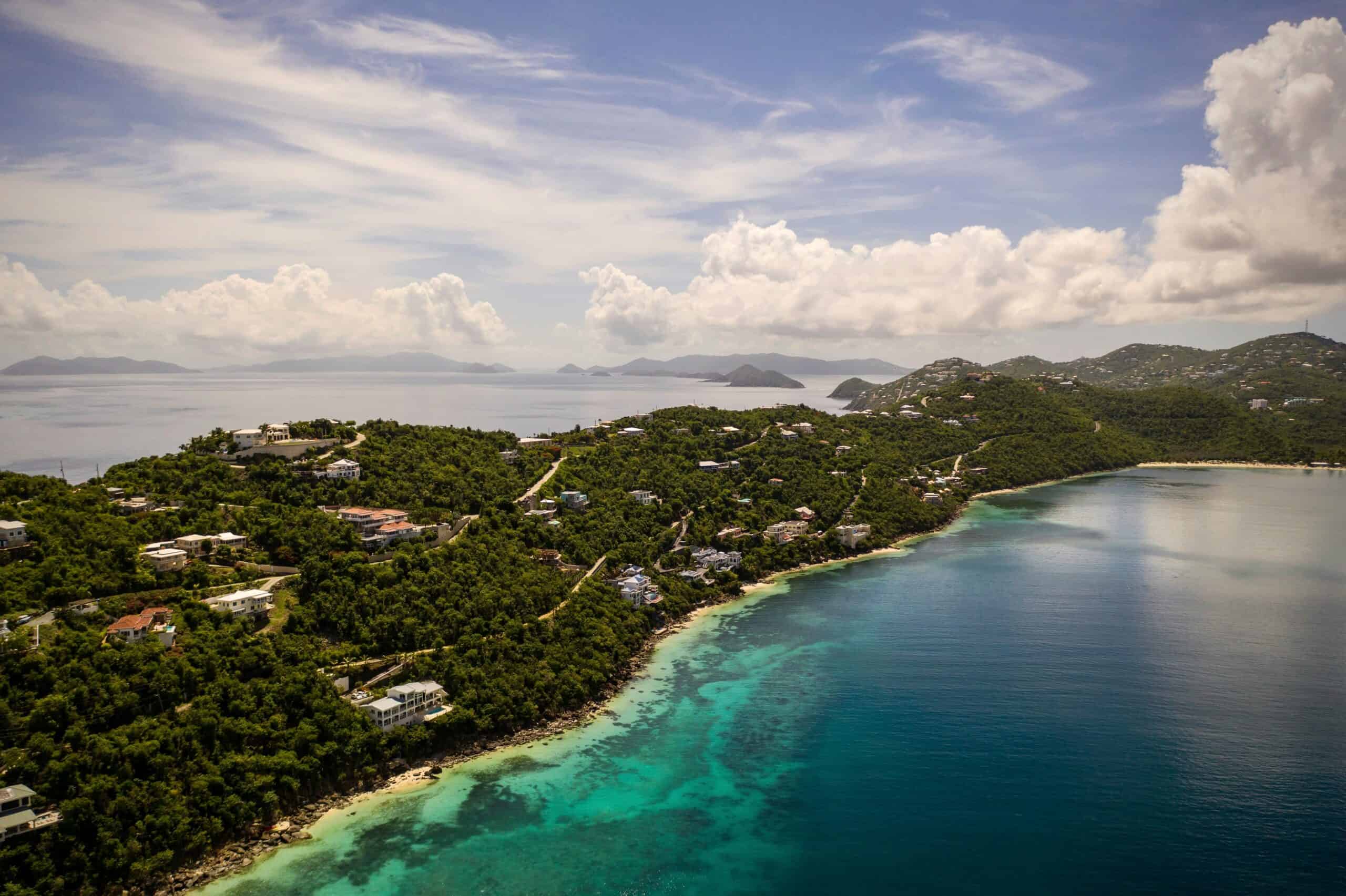
The U.S. Virgin Islands move at their own pace, shaped by warm winds and the steady pull of the sea. St. Thomas brings energy with its harbor views, while St. John leans quieter, with protected land and beaches that feel untouched. St. Croix sits somewhere in between, grounded in history and local life. Coral reefs sit just offshore, making it easy to slip into clear water and see another world beneath the surface. The rhythm here is simple, unforced, and deeply tied to the natural surroundings.
Guam
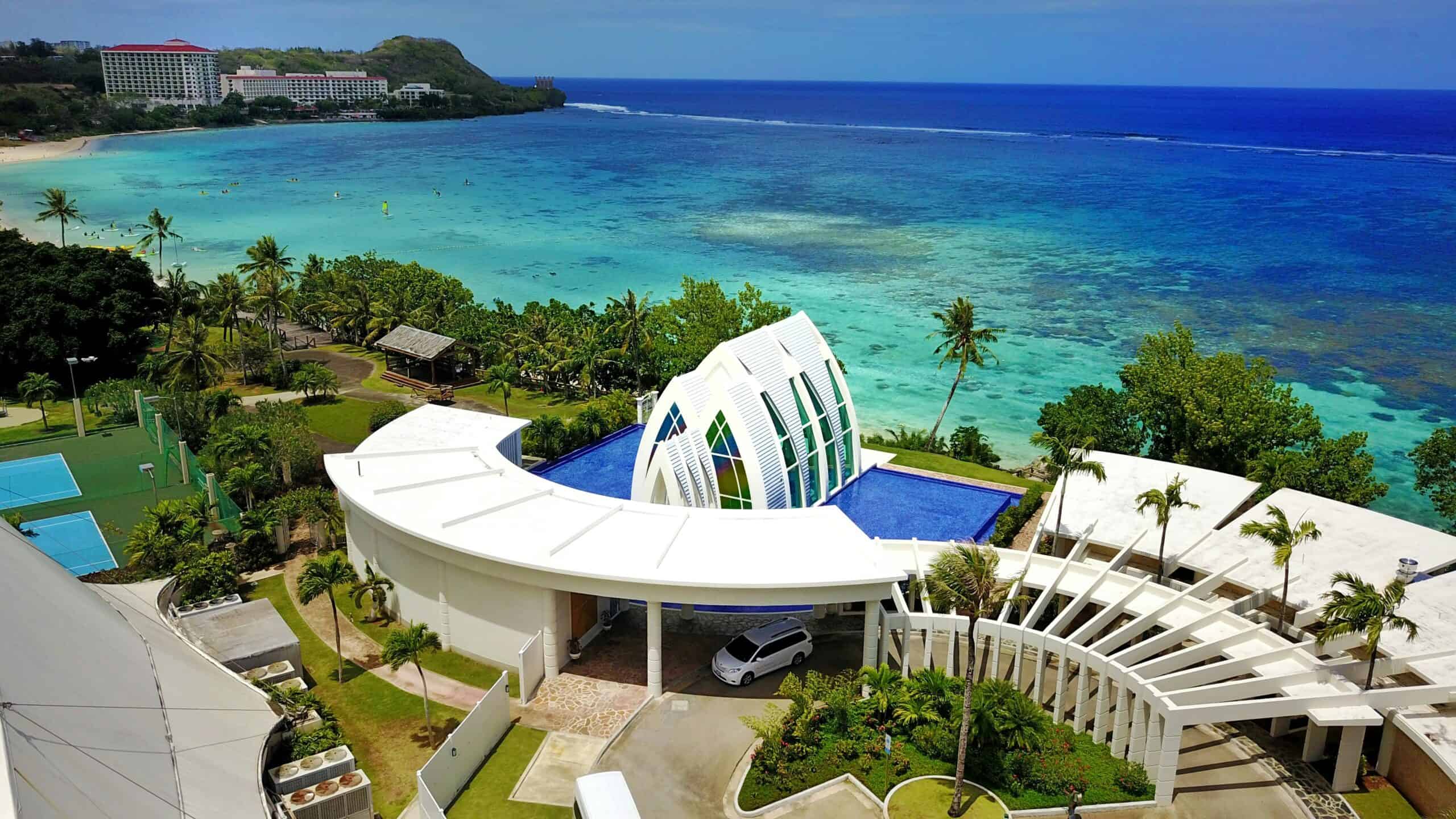
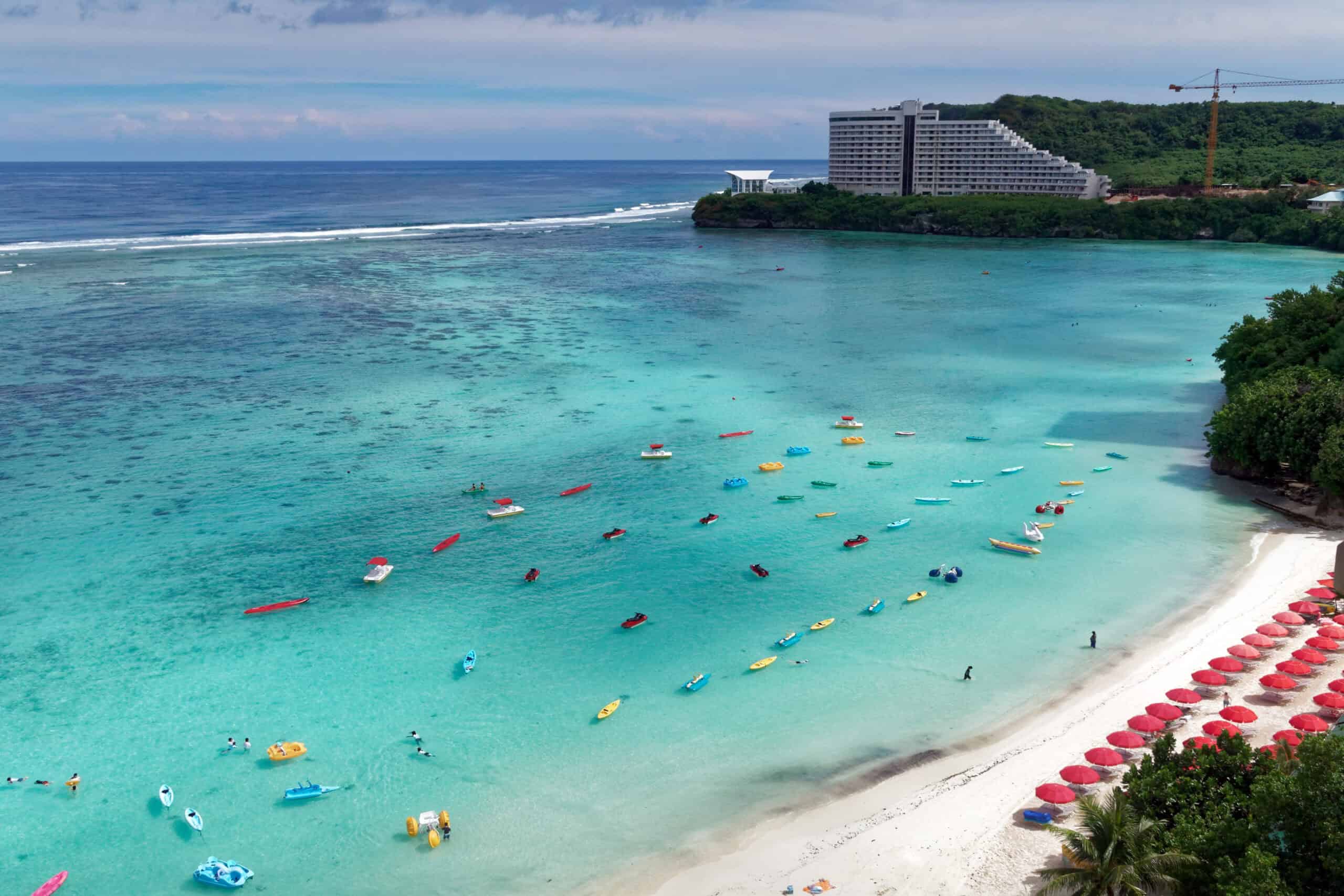
Guam feels distant in the best way, where the Pacific stretches wide and the coastline rises into cliffs that look out over open water. The island carries a strong Chamorro identity, visible in language, food, and everyday traditions. Traces of World War II remain scattered across the landscape, adding weight to its history. Beneath the surface, coral reefs and calm lagoons create space for quiet exploration. It balances familiarity and distance in a way that makes the experience feel both grounded and unexpectedly global.
American Samoa
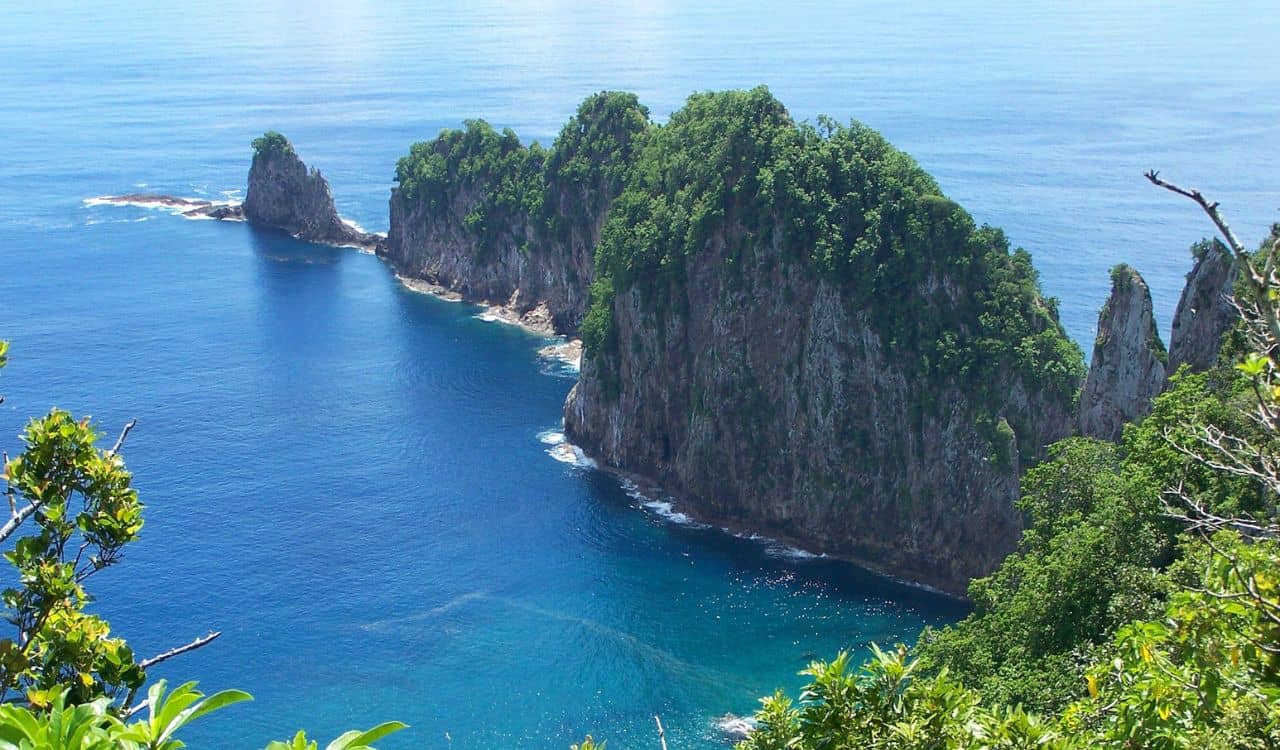
American Samoa stands apart with its strong sense of tradition and connection to land. Life here follows fa’a Samoa, a system built on family, respect, and shared responsibility. Villages sit between steep green mountains and open ocean, with daily routines shaped by community rather than tourism. The national park protects large stretches of rainforest and coastline, keeping the environment raw and largely untouched. It offers a slower, more thoughtful kind of travel, where observation matters more than activity.
Northern Mariana Islands
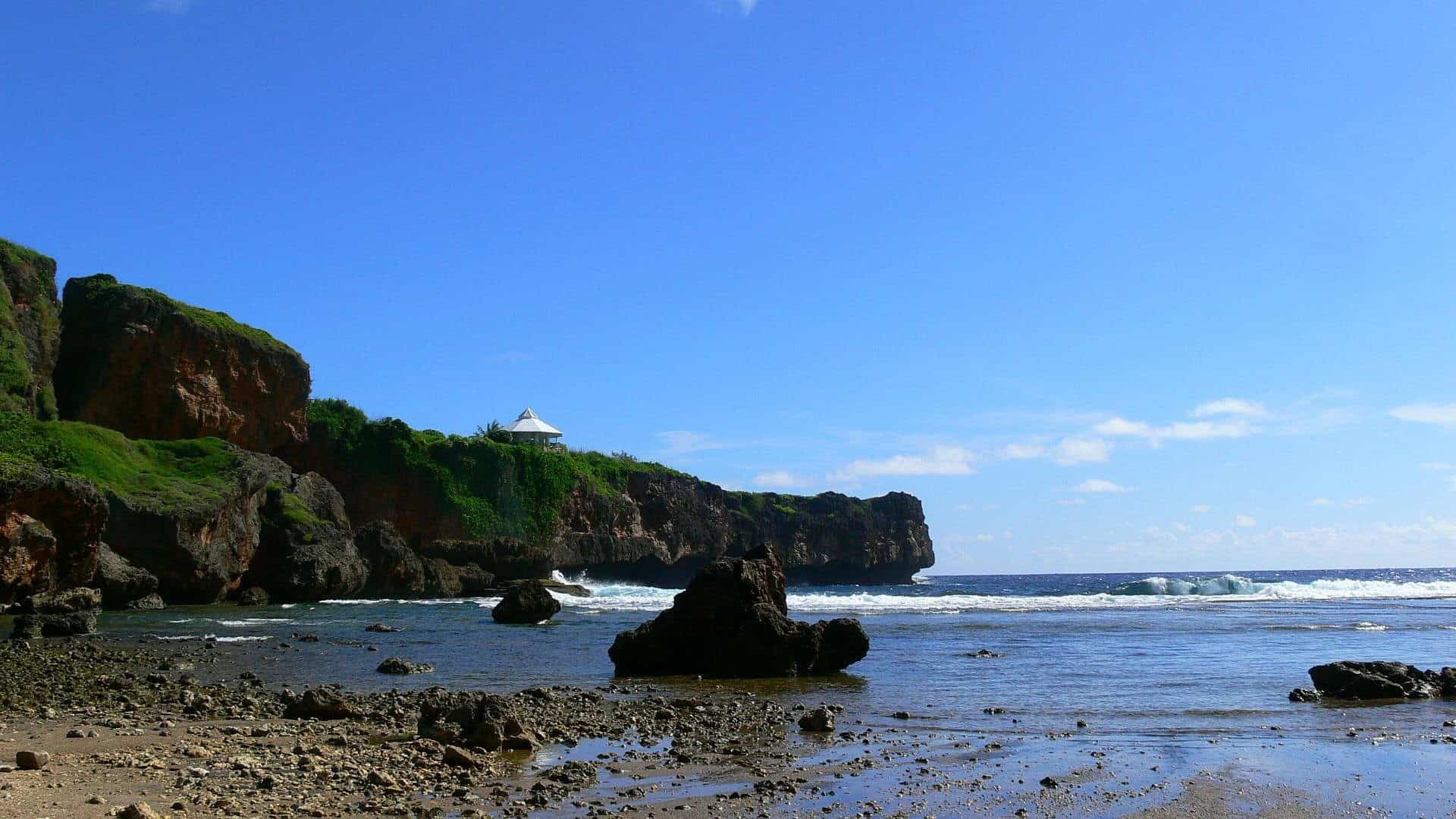
The Northern Mariana Islands feel open and quiet, with wide beaches, clear water, and long stretches where few people pass. Saipan, the most visited island, carries visible reminders of World War II, from bunkers to memorial sites that sit close to the shoreline. At the same time, daily life continues at an easy pace, shaped by local communities and small-scale tourism. The contrast between history and calm surroundings creates a place that feels reflective without being heavy, and distant without being difficult to reach.