We may earn money or products from the companies mentioned in this post. This means if you click on the link and purchase the item, I will receive a small commission at no extra cost to you ... you're just helping re-supply our family's travel fund.

As states accelerate their shifts toward cleaner building standards, vacation-rental developers are finding that traditional gas appliances from stoves to furnaces are no longer guaranteed features in new constructions. While full statewide bans remain rare, several states are moving toward electric-first rules that substantially limit or reshape how short-term rentals are built. These emerging policies influence everything from construction costs to appliance availability, and they are reshaping the energy profile of future rental markets across the country.
1. New York

New York’s all-electric mandate for new buildings, originally targeting 2026 for structures under seven stories, places vacation rentals firmly within its reach. The policy could affect over 100,000 annual low-rise permits statewide, pushing developers toward electric heat pumps and induction ranges. Although legal delays have slowed rollout, compliance planning continues, as an estimated 90–95% of new rental projects already model electric-ready designs. These changes raise upfront construction costs by roughly $3,000–$7,000 per unit but reduce long-term emissions and streamline mechanical systems.
2. California
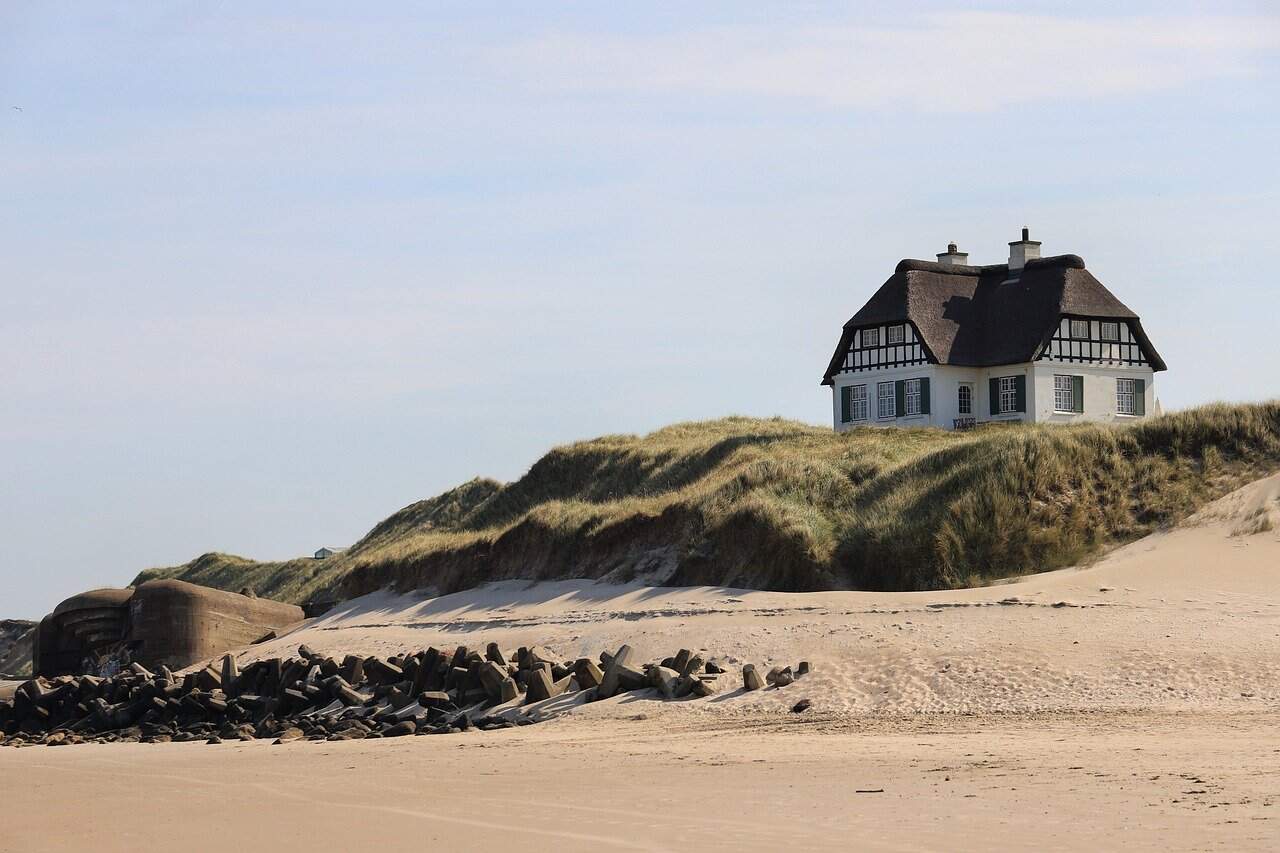
California’s push toward electrification spans over 40 municipalities, collectively representing nearly 35% of the state’s new-build activity. These local rules restrict gas hookups in most new homes beginning in 2026, indirectly shaping vacation-rental construction across coastal and urban counties. Heat-pump installations, now mandated in many regions, have grown by 22% statewide since 2023, signaling strong market adaptation. Builders report average compliance expenses of $2,000–$6,000 per unit, but reduced permitting friction and simplified ventilation systems often offset early costs.
3. Massachusetts
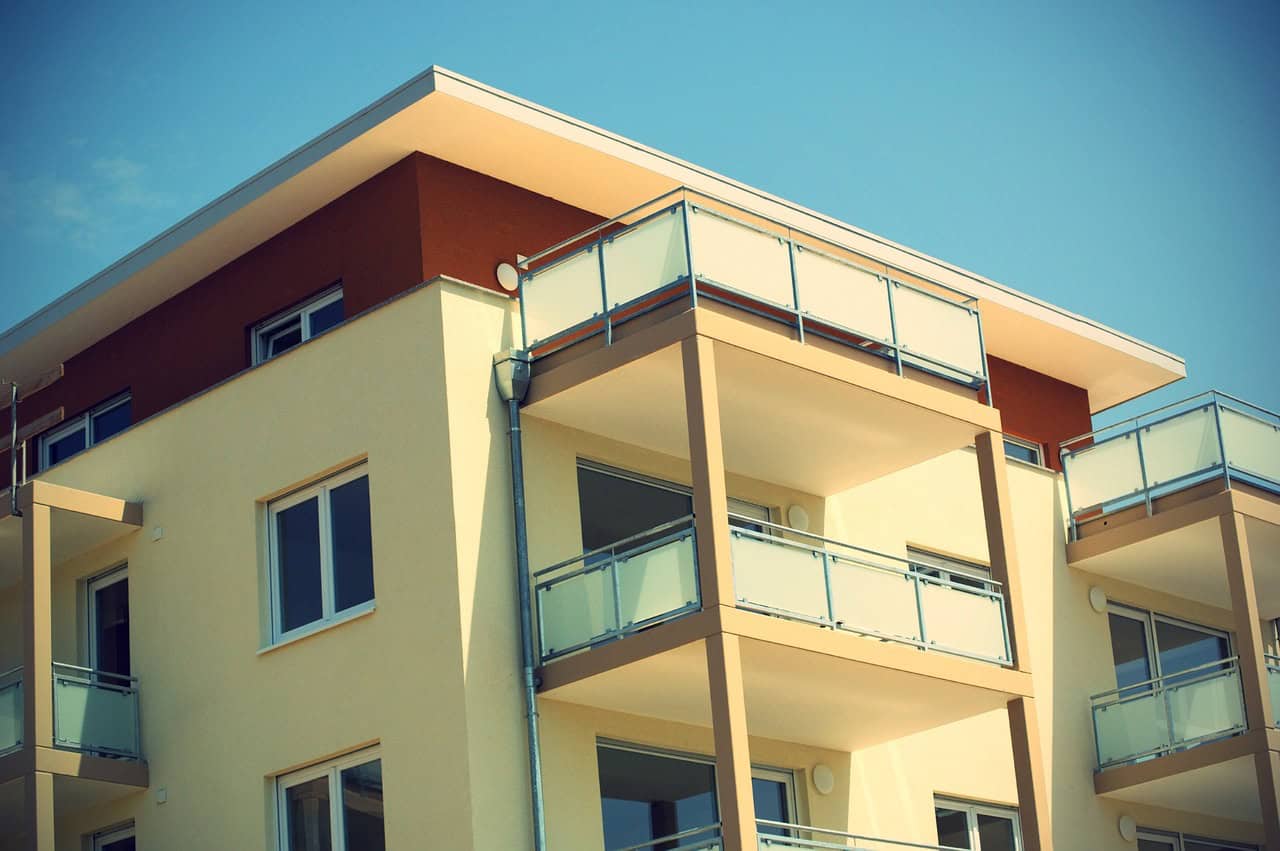
Massachusetts’ fossil-fuel-free building pilot, currently capped at 10 participating municipalities, is expected to expand in 2026, influencing both residential and short-term rental construction. These communities representing roughly 7–9%of statewide new housing starts prohibit gas appliances in new structures except for limited laboratory or emergency-use facilities. Early reports note that all-electric homes cut operational emissions by 50–60% compared to gas-heated buildings. Developers estimate a typical cost increase of $1,800–$5,000 per rental unit, depending on system capacity and insulation standards.
4. Oregon
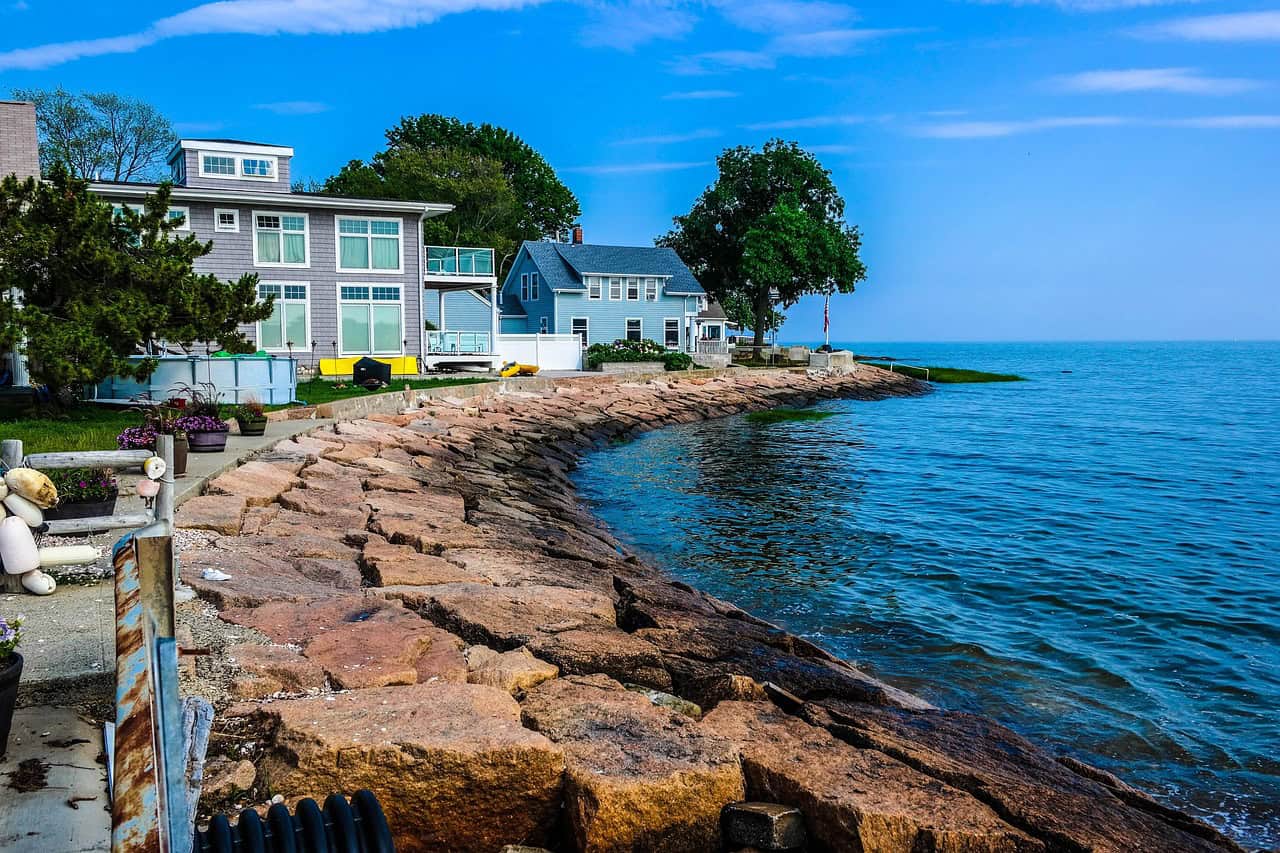
Oregon’s transition is driven locally, with cities like Eugene pioneering gas-free mandates that apply to an estimated 1,200–1,800 new residential permits each year. These rules prohibit gas furnaces, water heaters, and ranges in new vacation-rental constructions beginning with recent code cycles. Electric heat-pump adoption in Eugene rose 31%following the ordinance, while induction cooktop use nearly doubled. Builders report that full electrification adds $1,500–$4,500 per project, but the simplified ductwork and reduced carbon footprint appeal to energy-conscious rental operators targeting eco-minded travelers.
5. Colorado
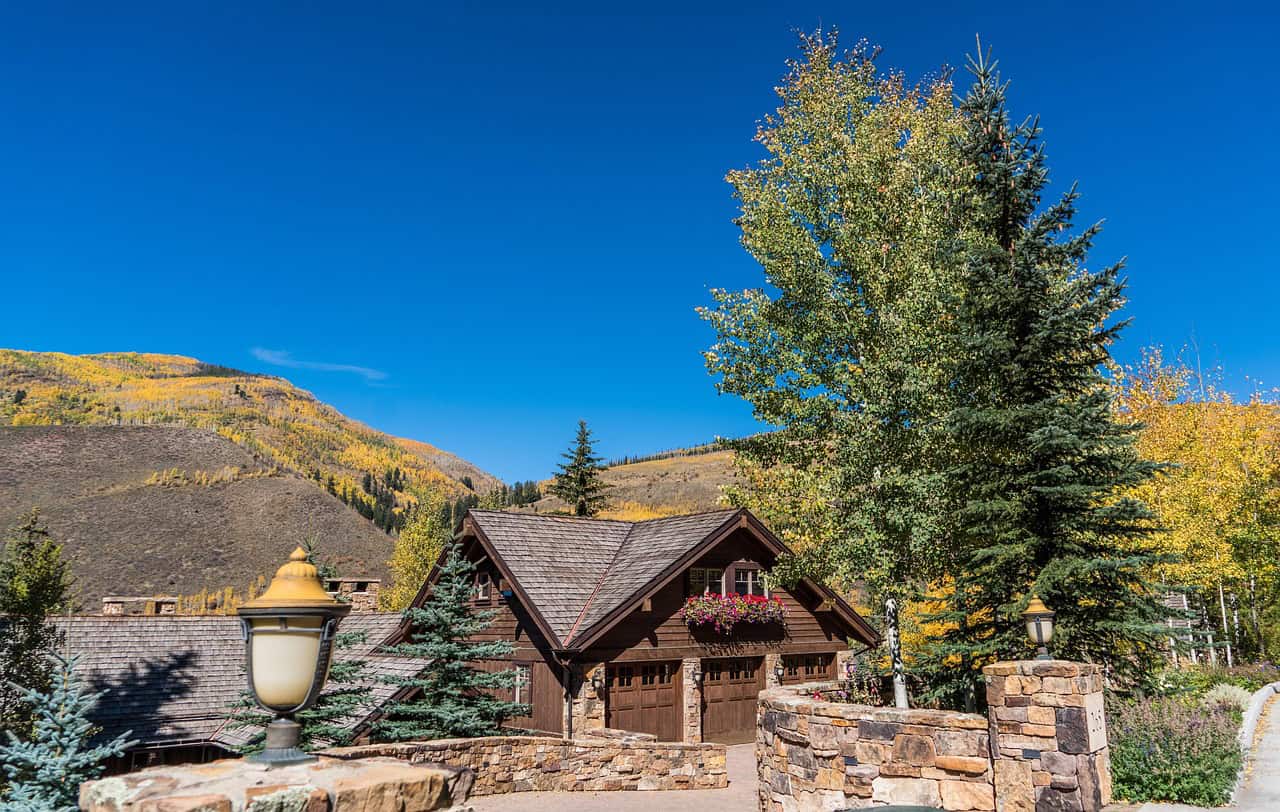
Colorado’s patchwork approach is led by Boulder, Crested Butte, and Denver, collectively influencing 4,000–6,000projected annual permits. Their electrification rules phase out gas appliances in most new residential and mixed-use buildings, directly affecting vacation-rental developments. Boulder’s code alone has pushed heat-pump installations up 27% since 2024, while Denver’s tiered rollout adds stricter energy-performance scoring through 2027. Developers note incremental expenses averaging $2,500–$6,500 per unit, with long-term operating costs dropping up to 20% due to efficient electric systems.