We may earn money or products from the companies mentioned in this post. This means if you click on the link and purchase the item, I will receive a small commission at no extra cost to you ... you're just helping re-supply our family's travel fund.
Air travel looks simple at 35,000 feet, yet the real surprises live in policy: who gets paid when a seat disappears, how long a plane can wait on the ground, and when a refund is owed instead of a voucher. None of it is hidden, but most details sit in DOT guidance that few people read until the trip breaks. These five realities explain why calm, specific language often matters more than outrage at a gate. The goal is not drama. It is knowing what is enforceable, what is optional, and what to ask for.
Overbooking Can Mean Required Cash Payments
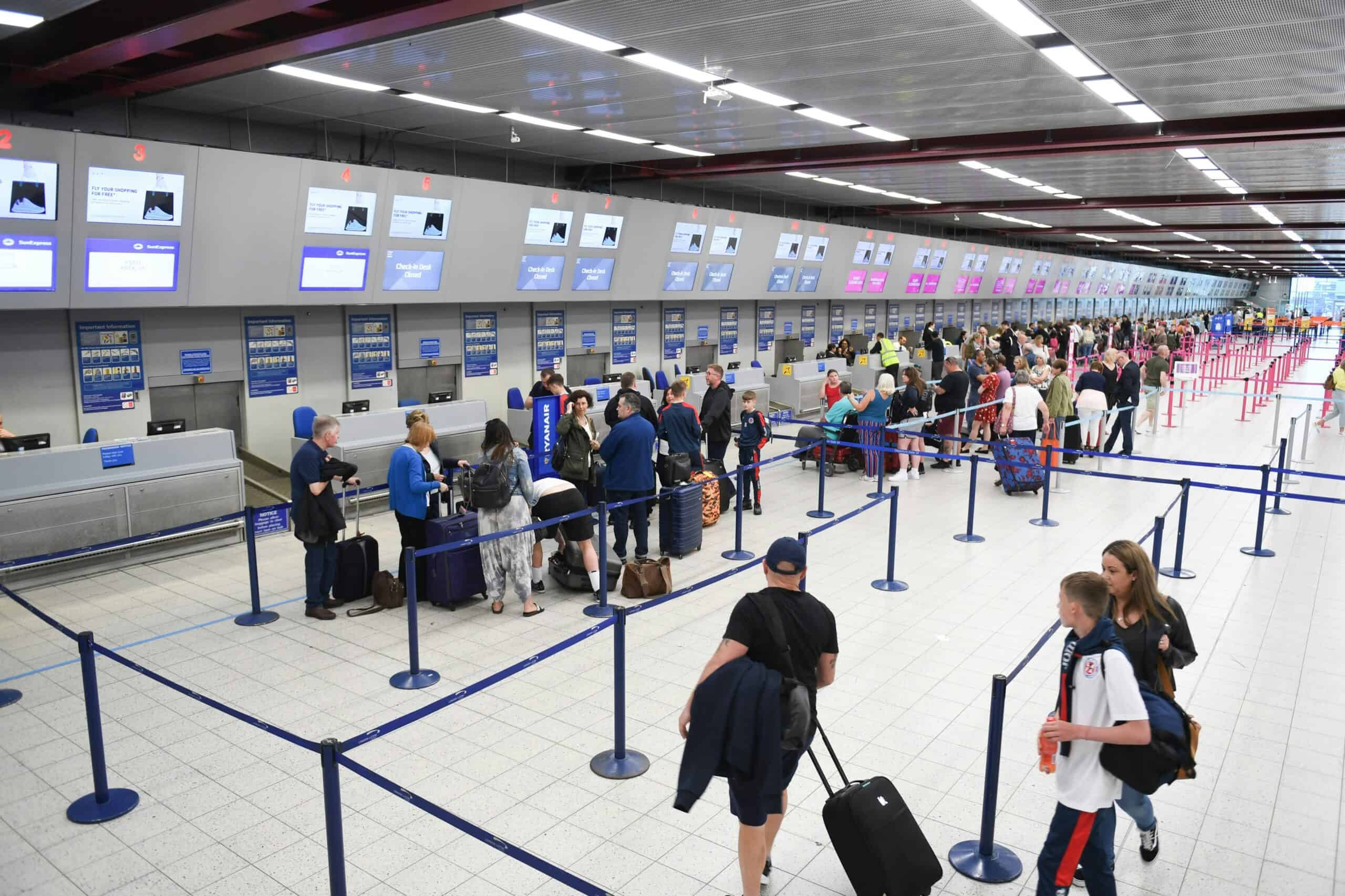
Overbooking is legal, and airlines count on no-shows. When that math fails and a passenger is involuntarily denied boarding on a U.S. flight, DOT rules require cash or check compensation tied to the one-way fare and the delay on the rebooked itinerary, with capped maximums that can reach $1,075 for shorter delays and $2,150 for longer ones. No payment is owed if arrival is within 1 hour of schedule, then the percentage jumps as delays grow. The key is the label: voluntary deals are optional, but involuntary bumping triggers set payments, plus a written notice of rights too.
Tarmac Delays Have Minimum Standards
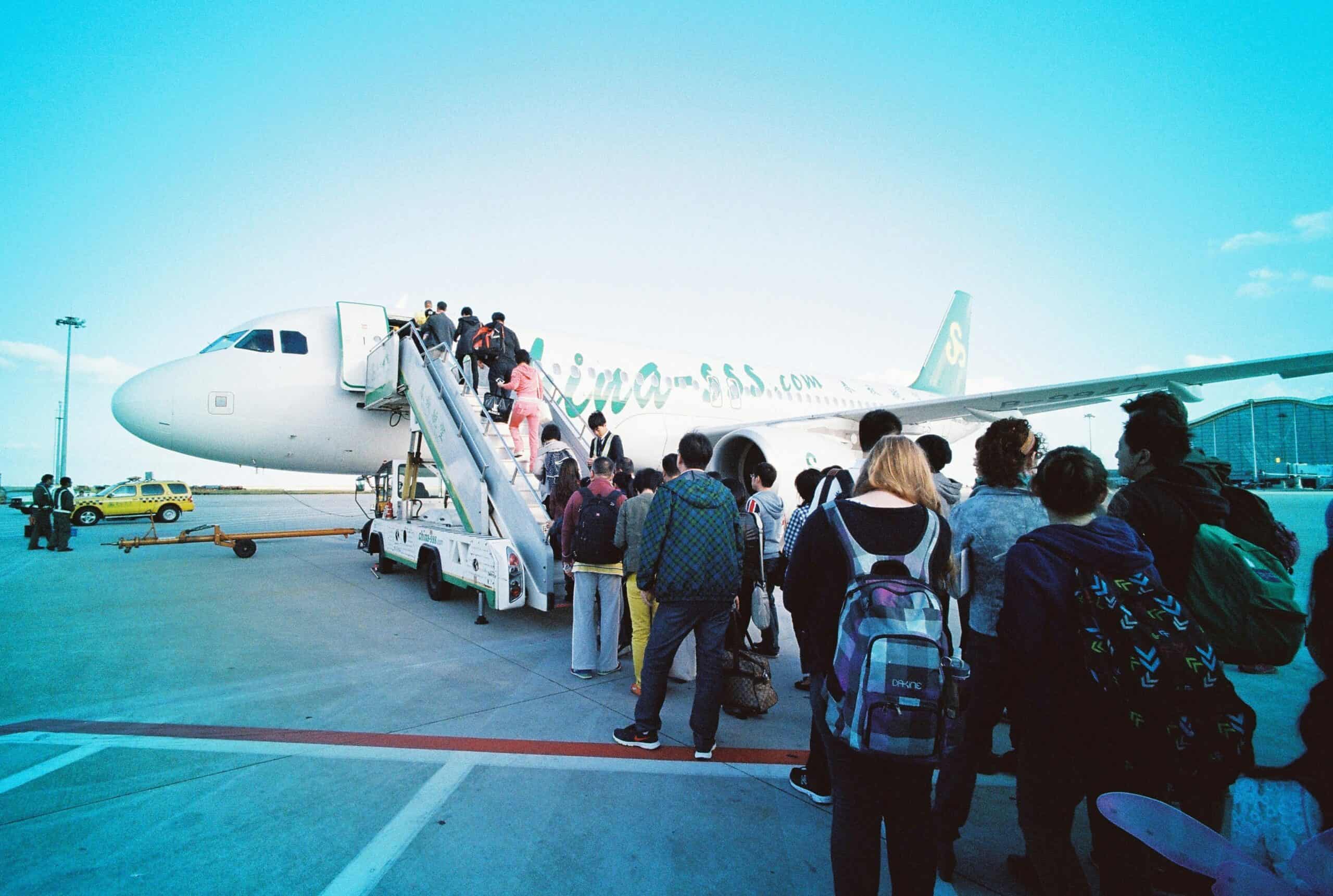
A long tarmac wait is not a no-rules zone. For flights at U.S. airports, airlines must provide a snack and drinking water within 2 hours of the delay starting, keep toilets usable, maintain a comfortable cabin temperature, and provide medical help if needed. They also must offer a chance to deplane before 3 hours on domestic flights and before 4 hours on international flights, unless safety, security, or air traffic control prevents it. Status updates are required once delays pass 30 minutes. If passengers choose to get off, the flight may depart without them once cleared later.
A Significant Change Can Trigger a Refund
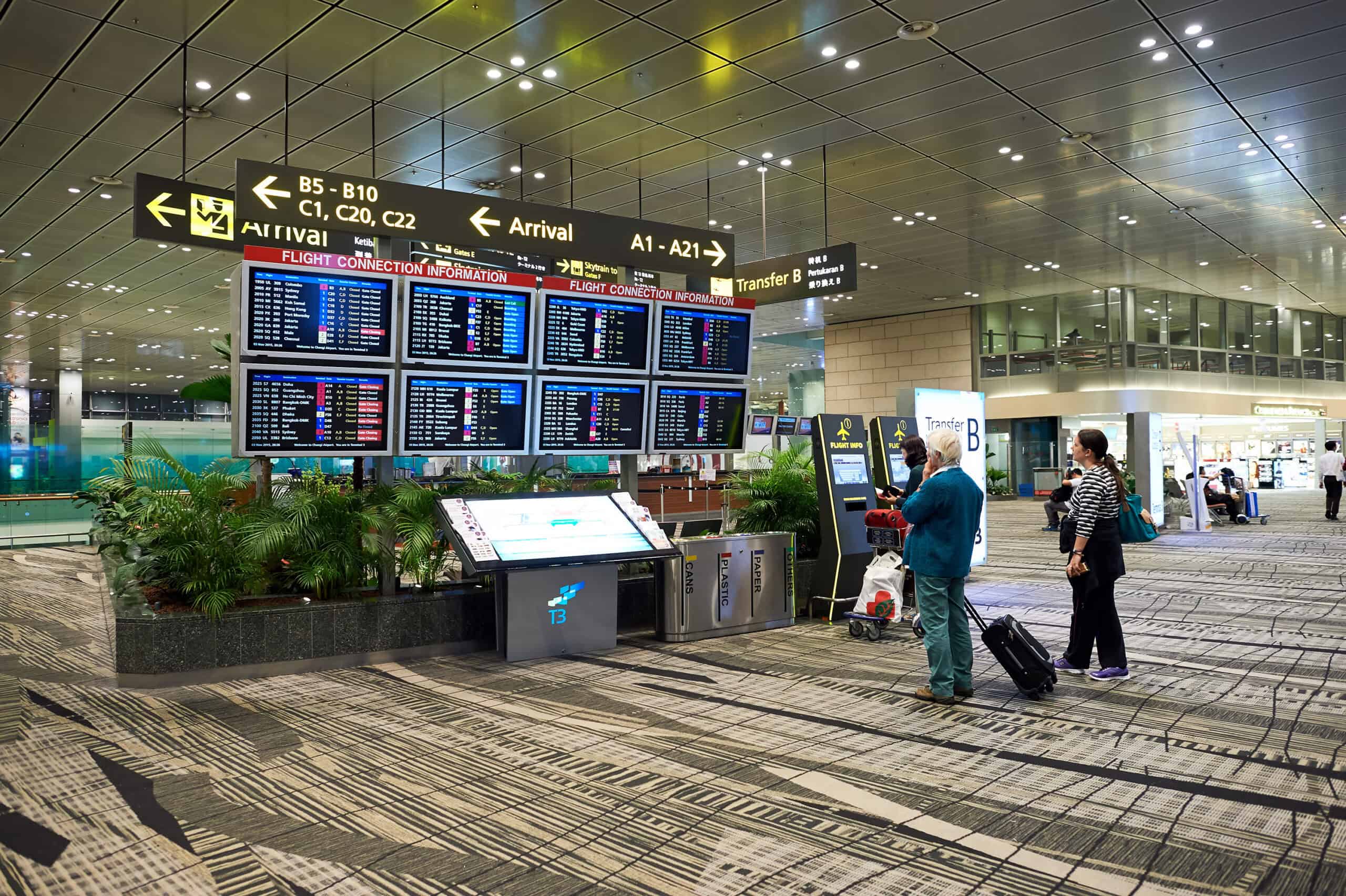
A major schedule change can unlock a refund even when the airline pushes a credit. DOT explains that if a flight is canceled, or is significantly changed, and the passenger declines the altered itinerary, a refund is owed for the unused ticket value. DOT’s definition of significant includes a domestic departure that moves 3+ hours earlier or arrives 3+ hours later, and an international arrival that shifts 6+ hours later, plus changes like new connections, airport swaps, or an involuntary cabin downgrade. Refund timing is defined in DOT’s rule, with faster deadlines for card payments.
The 24-Hour Rule Exists, but Has Boundaries

The 24-hour rule is real, but it is narrower than most people assume. For tickets bought at least 7 days before departure on flights to, from, or within the United States, airlines must either allow a free 24-hour cancel for a full refund or offer a 24-hour hold at the quoted fare without payment. They do not have to offer both, and if an airline accepts a reservation without payment, it still must allow cancellation within 24 hours without penalty. The clock runs from the moment the reservation is made. The rule does not force free changes, so fixing a typo may still cost money.
Cabin Air Is Cleaner Than It Feels
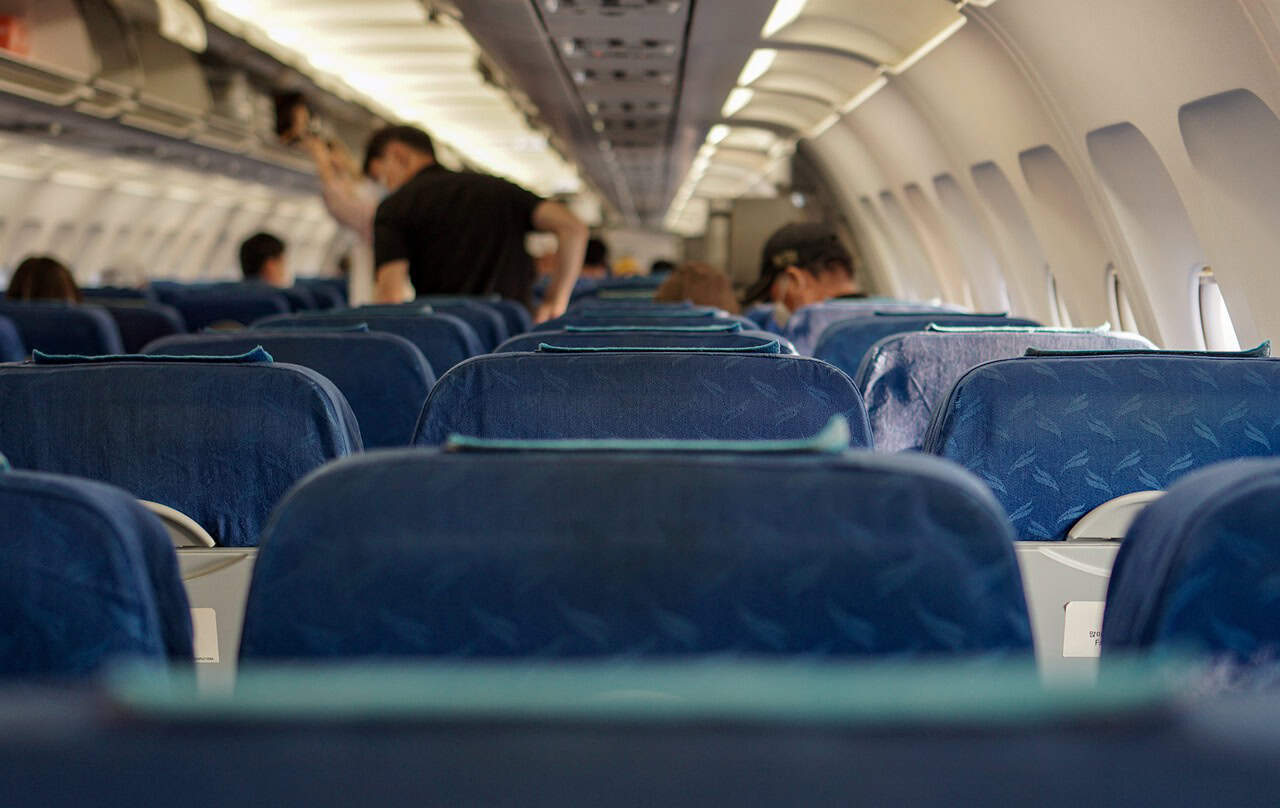
Cabin air has a bad reputation, but the engineering is better than the mood of a full row. The FAA explains that most large commercial jets mix outside air with recirculated air, often around a 50-50 split that can vary with altitude and power settings. The recirculated portion is typically passed through HEPA filters that remove 99.97% of particulate material, and ventilation rates refresh the cabin frequently. Air can still feel dry and tiring, yet filtration and mixing are constant. Clean air does not make a cramped seat pleasant, but it does mean the cabin is not simply stale breath trapped in a tube.