We may earn money or products from the companies mentioned in this post. This means if you click on the link and purchase the item, I will receive a small commission at no extra cost to you ... you're just helping re-supply our family's travel fund.
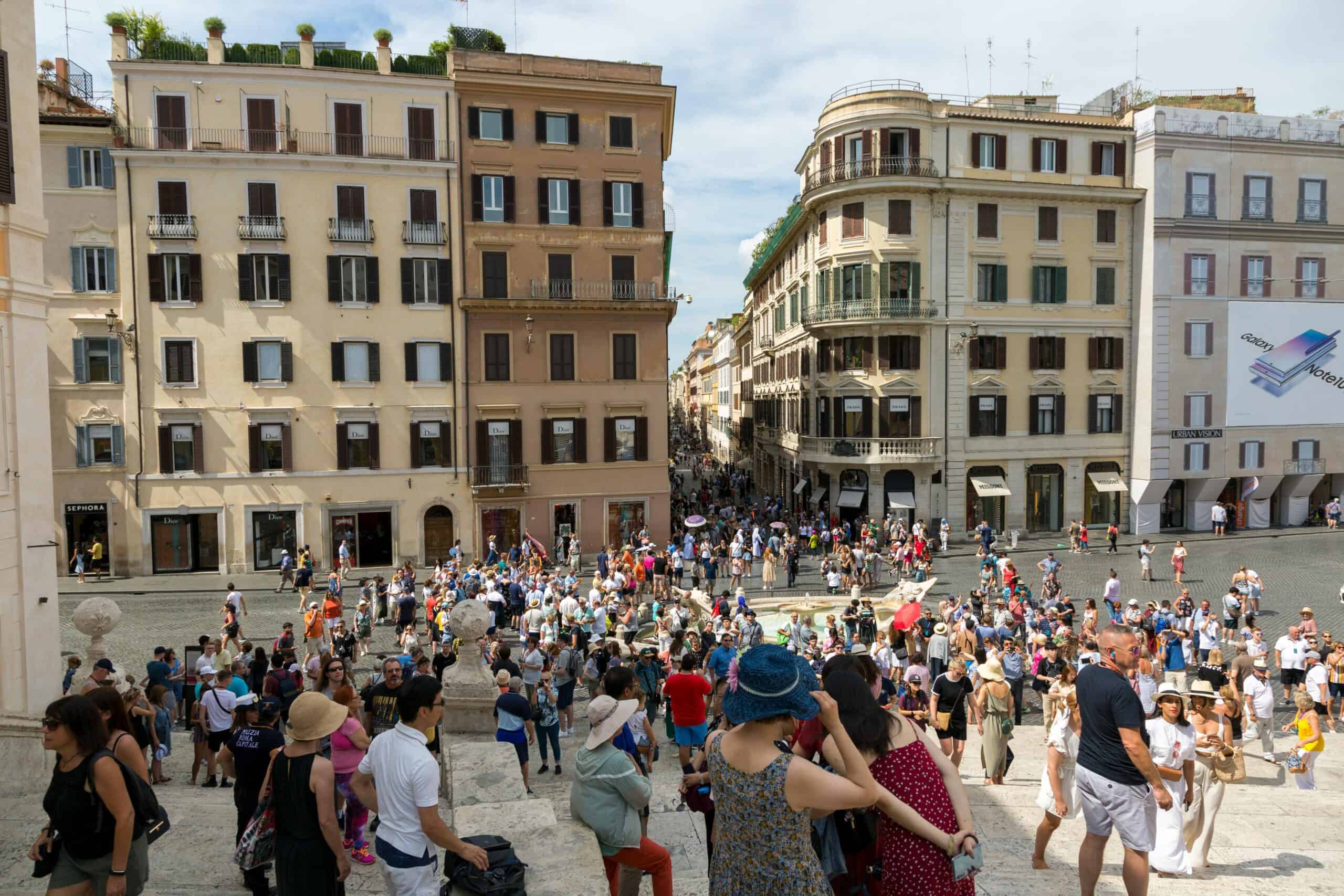
Europe still pulls Americans with art, beaches, and café mornings that make time feel slower. Yet the mood has shifted. Costs have climbed, crowds have thickened, and new border systems are adding steps that did not exist a few years ago. In popular cities, residents are pushing back, while airports and rail lines wrestle with strikes and weather swings. For many U.S. travelers, the friction now competes with the payoff. These five reasons explain why Europe can feel harder, even when it is still beautiful.
Sources:
Sticker Shock Keeps Getting Worse
Rising prices are the loudest buzzkill. A European Travel Commission survey reported that the share of U.S. travelers planning a European vacation fell from 45% in 2024 to 37% in 2025, with cost as the main driver. On the ground, many cities have leaned harder on tourist taxes and fees, and Euronews noted Amsterdam’s tourist tax rising to 12.5% of the accommodation cost, a charge that can sting on longer stays. When airfare, meals, and those extra nightly addons stack up, Europe stops feeling like a splurge and starts feeling like a bill too, and some travelers pivot to closer trips that feel easier to defend even when the itinerary is short.
Sources:
Borders Now Come With Fingerprints, Photos, And Forms
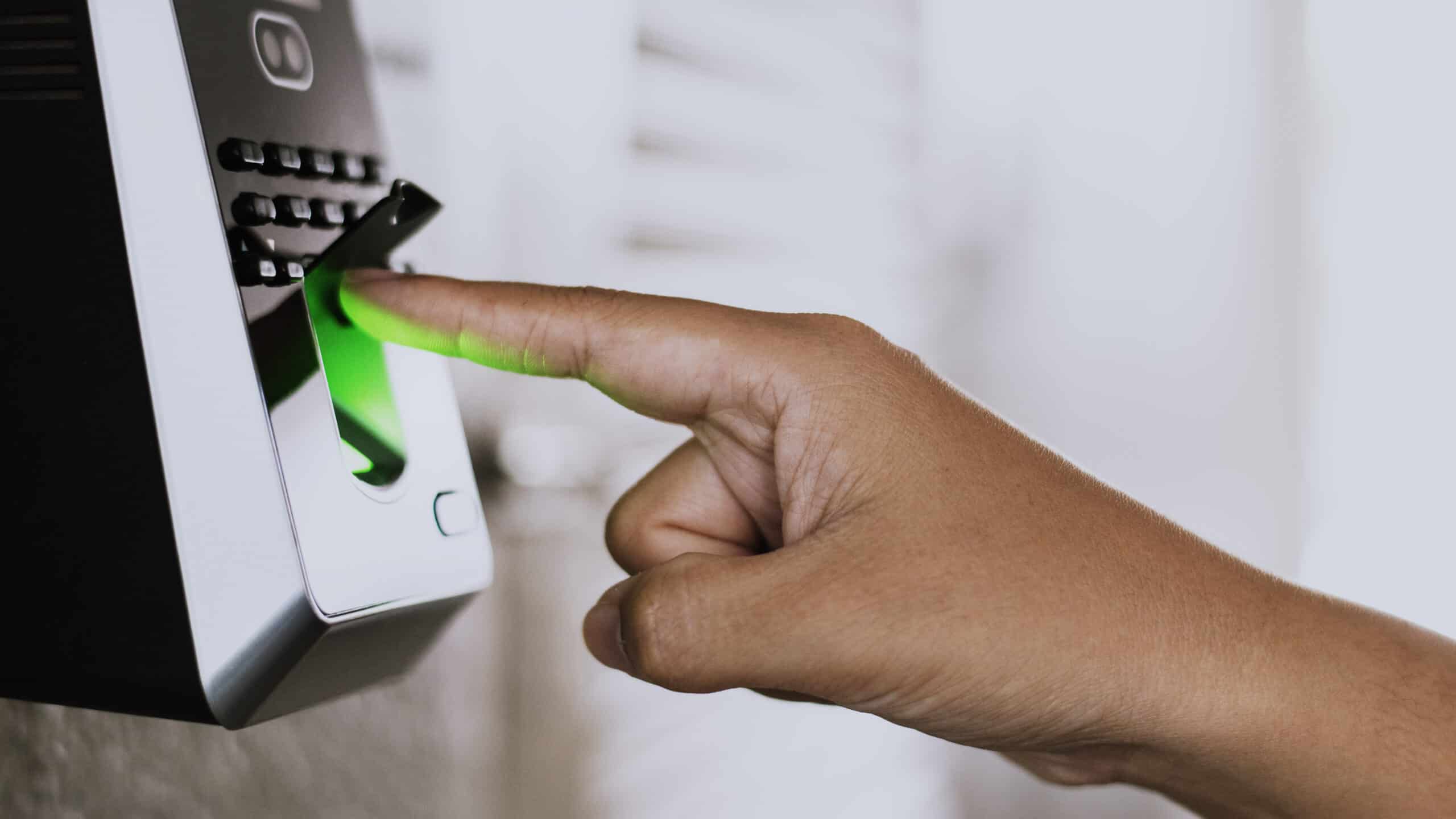
Europe’s welcome is getting more procedural. The EU began rolling out its biometric Entry/Exit System on Oct. 12, 2025, replacing passport stamps with fingerprinting and facial scans for non-EU travelers, and Reuters reported full implementation is expected by April 2026. First entries can run slower because travelers must register biometrics before moving on, and the same system automatically tracks up the 90/180 day limit. ETIAS is due to start in the last quarter of 2026 the EU says, adding an authorization step for visitors, and Reuters has reported a €20 fee that turns spontaneity into another form, another payment, and another deadline.
Sources:
Overtourism Backlash Is Turning Personal
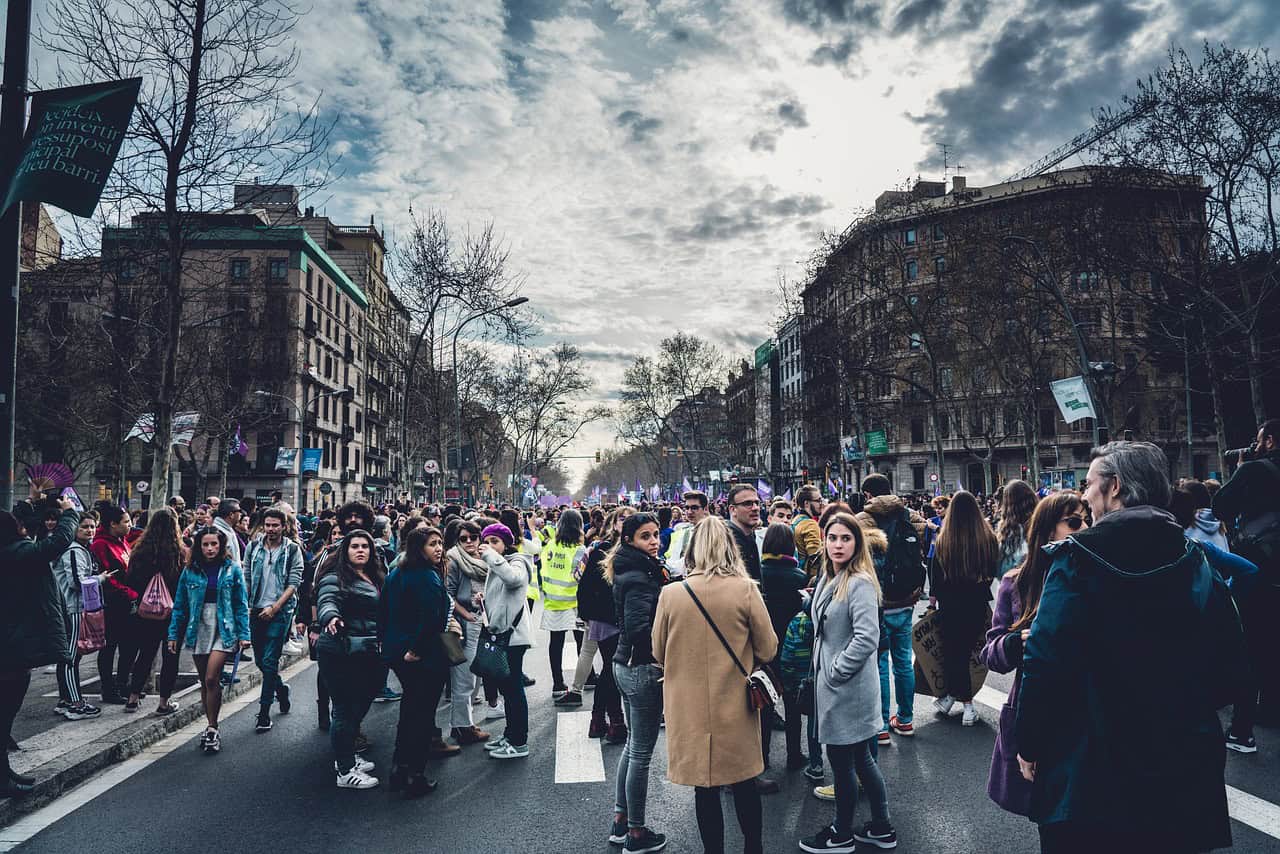
Overtourism has changed the vibe in Europe’s most famous neighborhoods. In 2024, residents in Barcelona and Mallorca protested mass tourism and even used water guns on visitors to make a point, according to the Associated Press. Cities are leaning on caps, reservation windows, and new fees to protect daily life; Euronews reported Amsterdam raised its tourist tax to 12.5%, and Venice confirmed its daytime access fee would return on selected days in 2026. When sightseeing starts to feel like managing gates, slots, and crowd-control rules at peak times, instead of enjoying a place, some Americans decide the romance is no longer worth the hassle.
Sources:
Strikes And Weather Chaos Keep Eating Trip Days
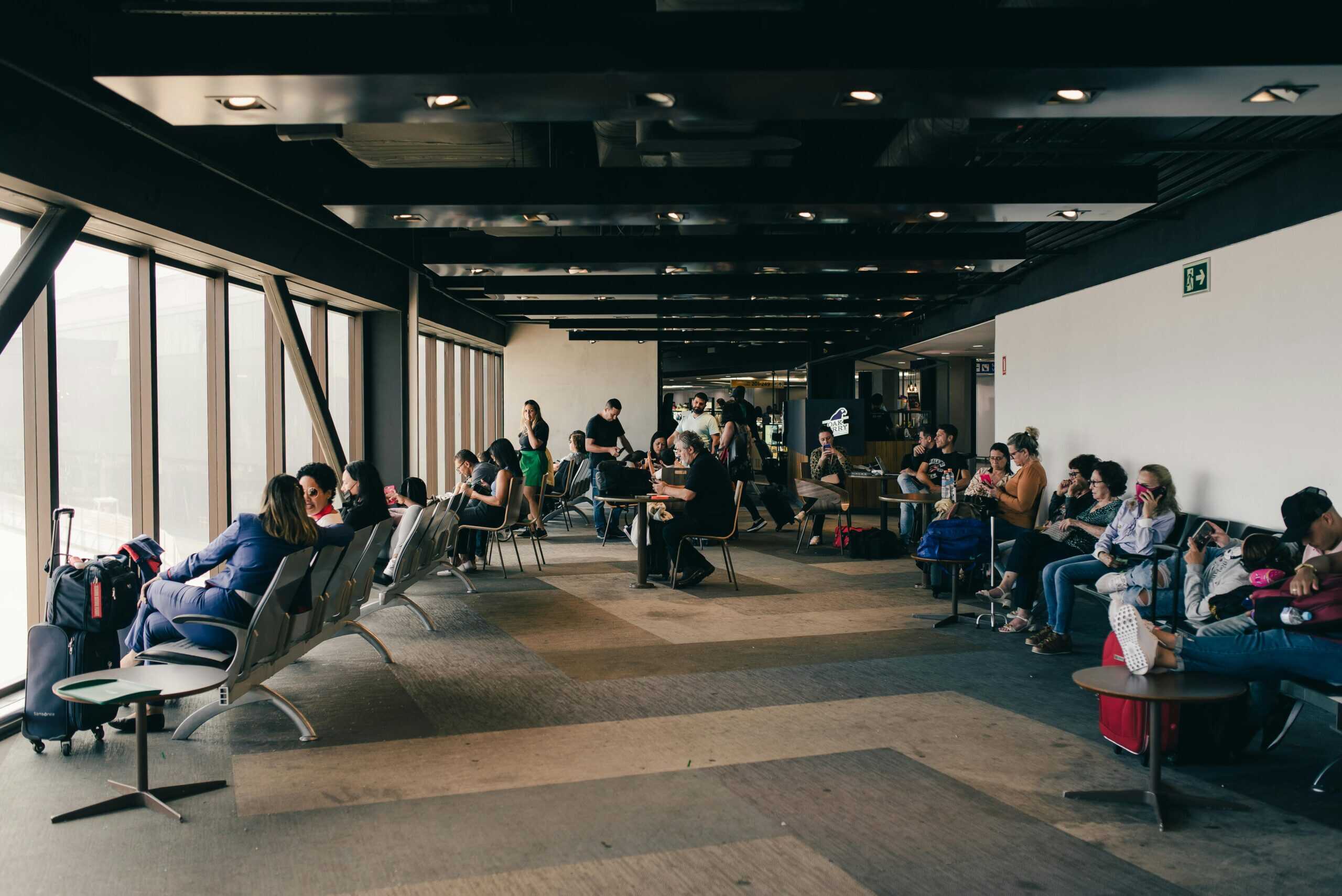
Reliability has gotten shakier, and that wears people down. Euronews reported planned European airport strikes around the New Year period, while weather events can shut down routes with little warning; in mid-Jan. 2026, the Associated Press reported freezing rain and ice causing major flight and rail disruption across parts of Central and Eastern Europe. When a short trip depends on a single tight connection, one cancellation can erase a museum day, a hotel night, and a paid tour, and refunds can lag for days. Some Americans still go, but more of them build in extra buffer days or pick destinations closer to home where recovery feels simpler.
Sources:
Americans Feel More Self-Conscious Abroad
Prateek Mahesh/Unsplash
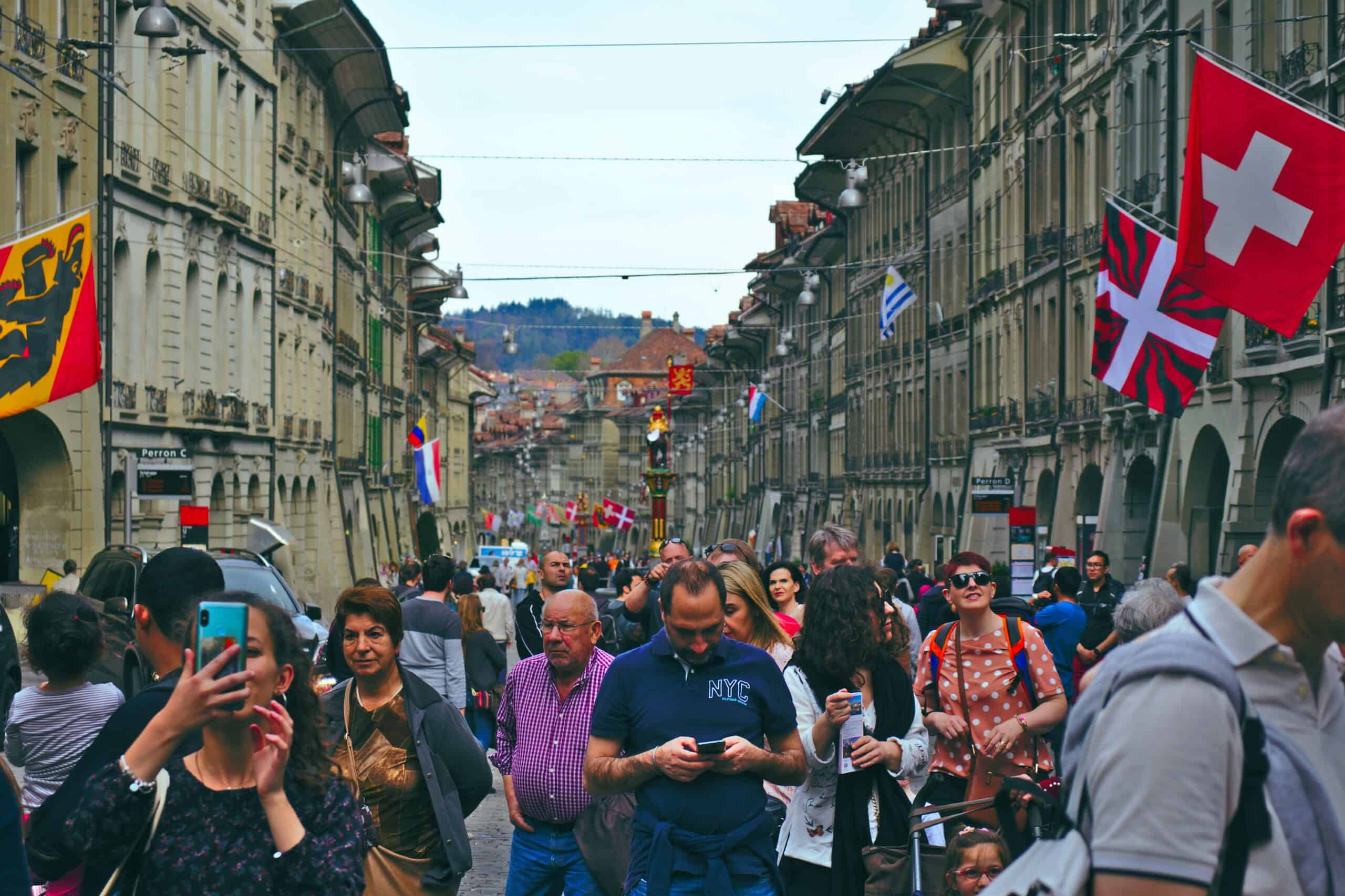
A quieter reason is social discomfort. A European Travel Commission report summarized by LiveNOW Fox noted that beyond costs, more Americans may feel self-conscious about how they are perceived abroad, and Global Rescue found 72% of surveyed travelers expected Americans to be seen more negatively in 2025. That anxiety shows up in small moments: a tense table when English is assumed, a joke that does not land, or a hard stare when a phone is raised in a church or on a tram. When travel feels like constant self-editing, even a beautiful city can start to feel exhausting, and some Americans take a break for now, from Europe until the mood eases.