We may earn money or products from the companies mentioned in this post. This means if you click on the link and purchase the item, I will receive a small commission at no extra cost to you ... you're just helping re-supply our family's travel fund.
Some Spanish villages seem less built than revealed. Streets slip under cliffs, homes open from stone, and daily life unfolds inside terrain that once looked uninhabitable. What makes these places memorable is not novelty. It is continuity. Families adapted to rock, climate, and slope long before modern architecture found language for sustainable design. The result is practical beauty that still works: cool interiors in summer, sheltered lanes in harsh weather, and settlements that feel inseparable from the land itself. These five villages show how geology can shape culture, memory, and the rhythm of ordinary life.
Setenil De Las Bodegas, Andalusia
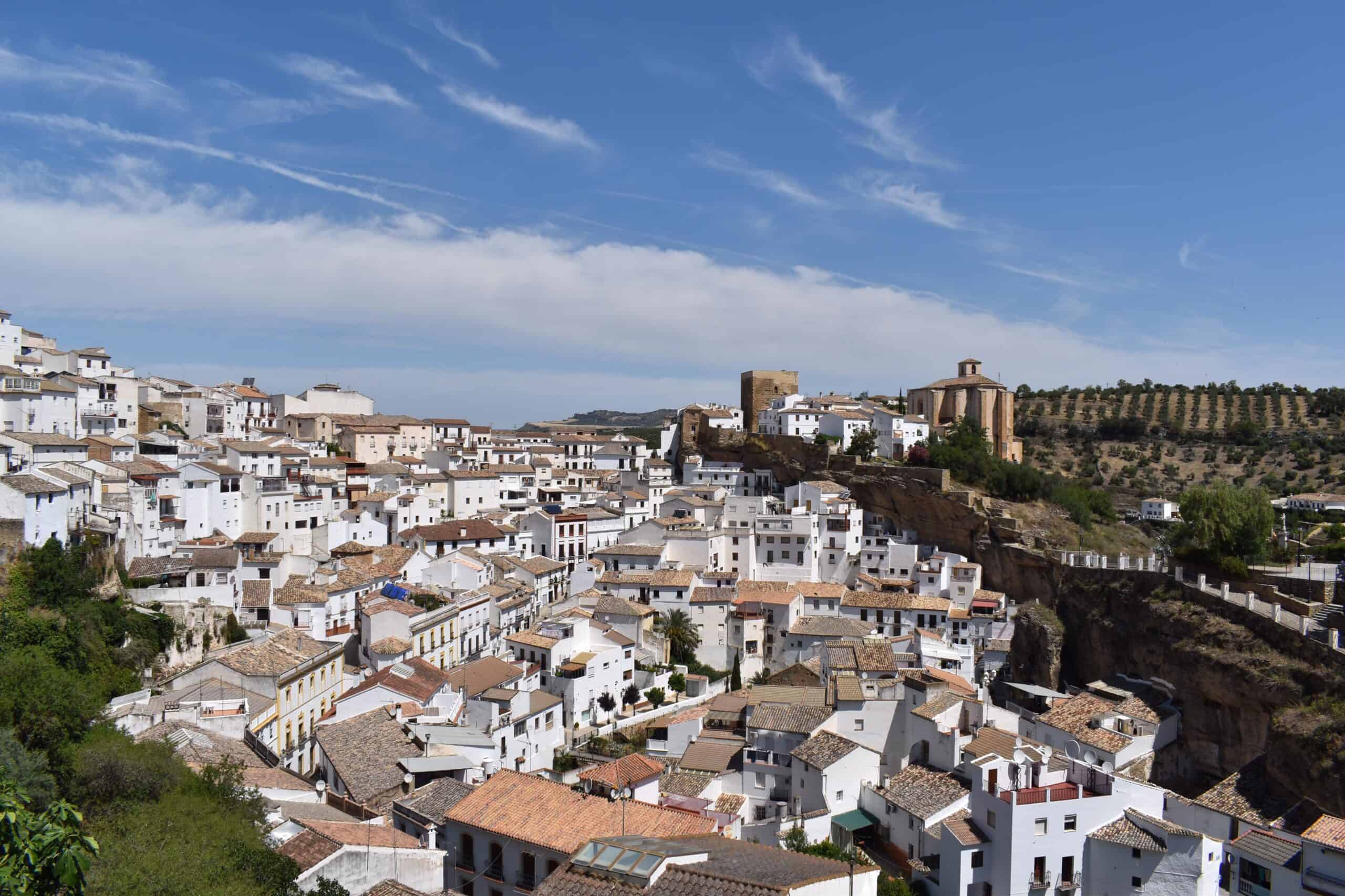
Setenil de las Bodegas feels startling at first sight because huge rock overhangs serve as natural roofs above homes, cafés, and narrow streets. In areas like Cueva del Sol and Cueva de la Sombra, walls and ceilings seem to merge into one stone envelope, creating a village that reads like architecture and cave at the same time. The effect is dramatic, but it grew from practical choices tied to climate and terrain. Shade, thermal stability, and available rock shaped the settlement over centuries, and that practical logic still gives the town its distinctive, grounded character today.
Guadix Cave Quarter, Andalusia
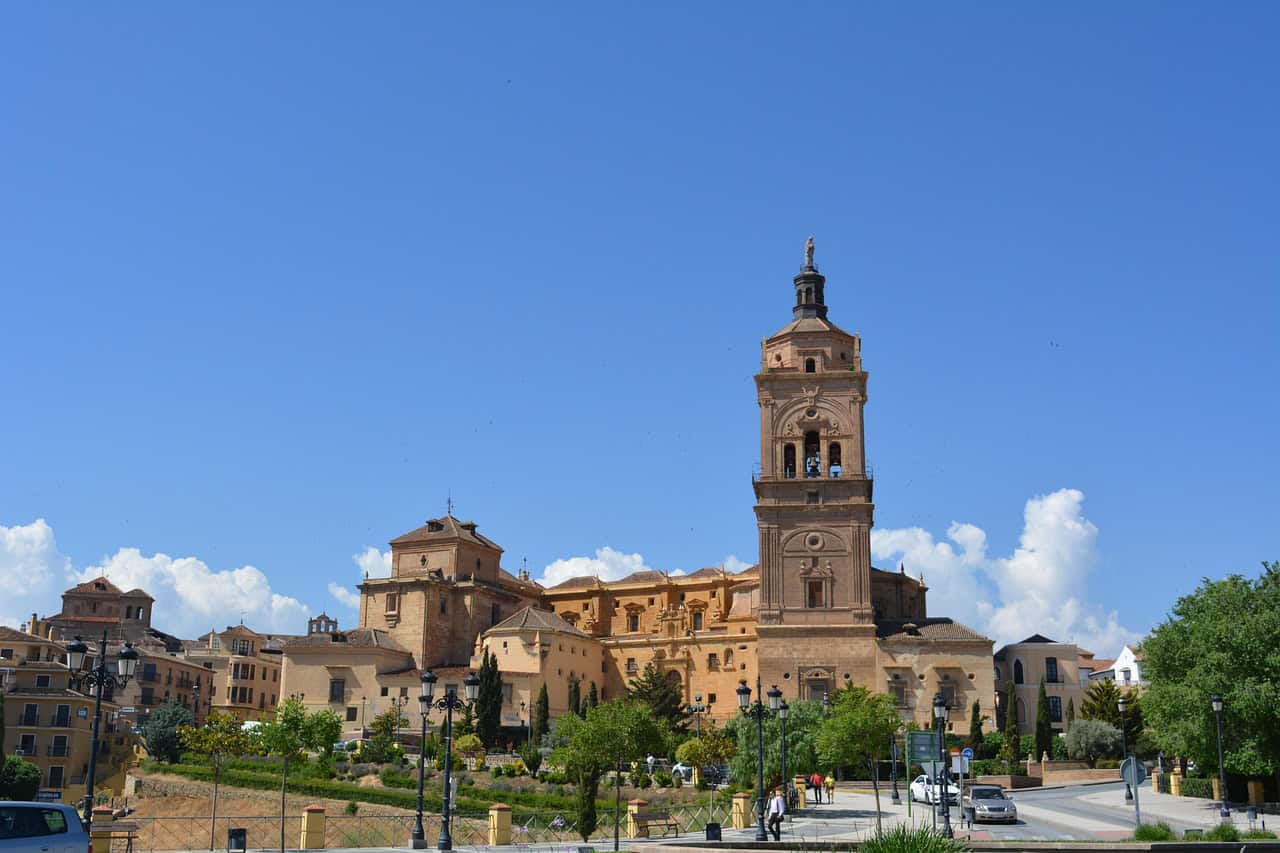
Guadix is home to one of Europe’s most remarkable cave-dwelling districts, where white chimneys dot earthen hills and mark homes carved into soft terrain. From a distance, the neighborhood can look almost abstract, but up close it feels deeply domestic, with lived-in spaces, working streets, and long local continuity. These cave houses were not built as spectacle. They answered environmental realities, offering natural insulation in hot summers and cold winters. That balance of necessity and identity still defines Guadix, where carved architecture remains part of present life, not only a preserved memory for passing visitors.
Alcalá Del Júcar, Castilla-La Mancha
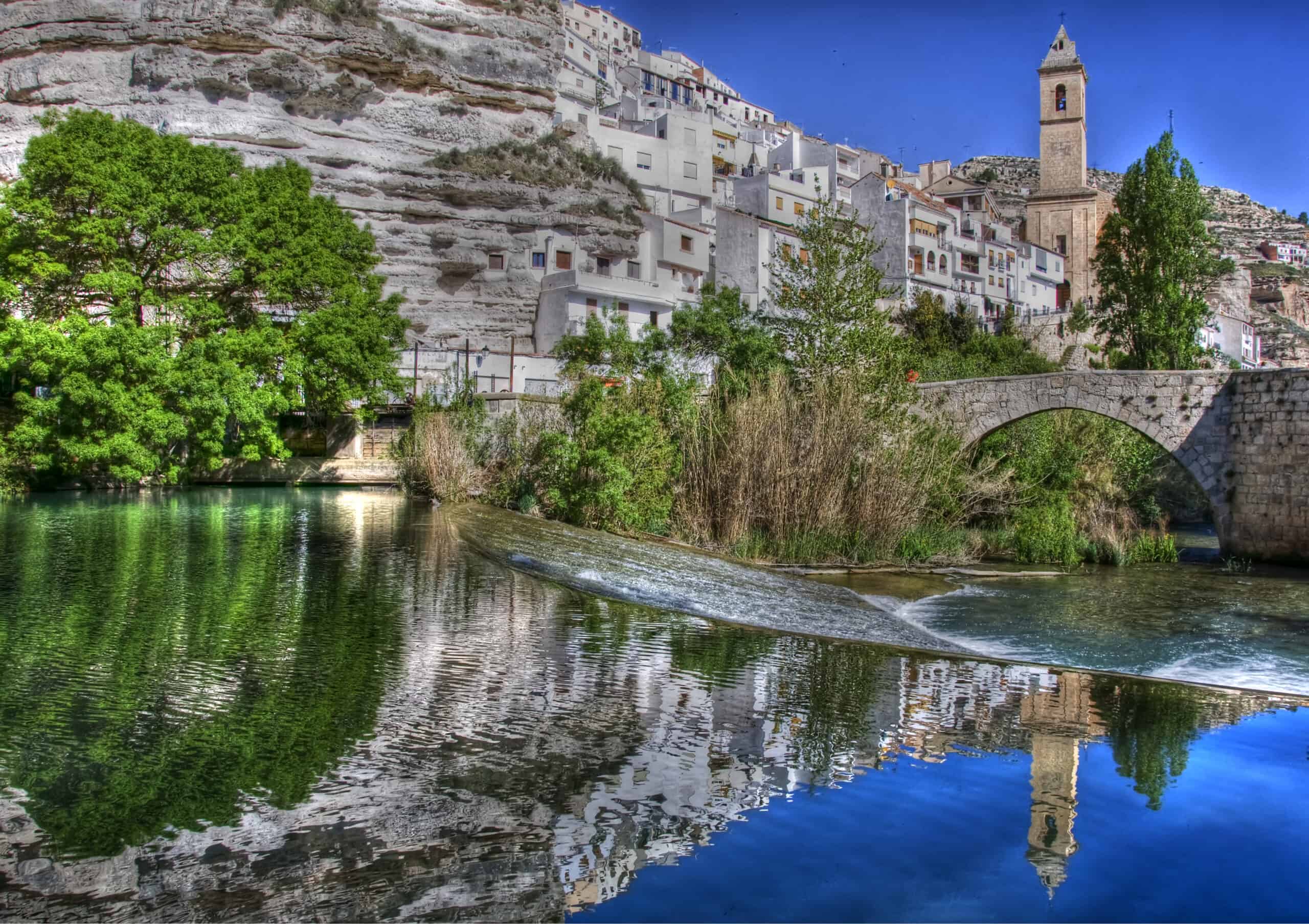
Alcalá del Júcar rises above a river gorge in layered white terraces, with houses and cave spaces tucked into steep rock near the town center. The setting feels cinematic because every level is shaped by elevation: fortress above, river below, and carved dwellings in between. Yet the place never feels staged. Its layout reflects centuries of adapting to slope, water, and defensible ground, then turning that adaptation into daily routine. Walking through its lanes reveals a town where geology still dictates scale, movement, and light, giving the entire settlement a rare sense of coherence and depth.
Bocairent, Valencian Community
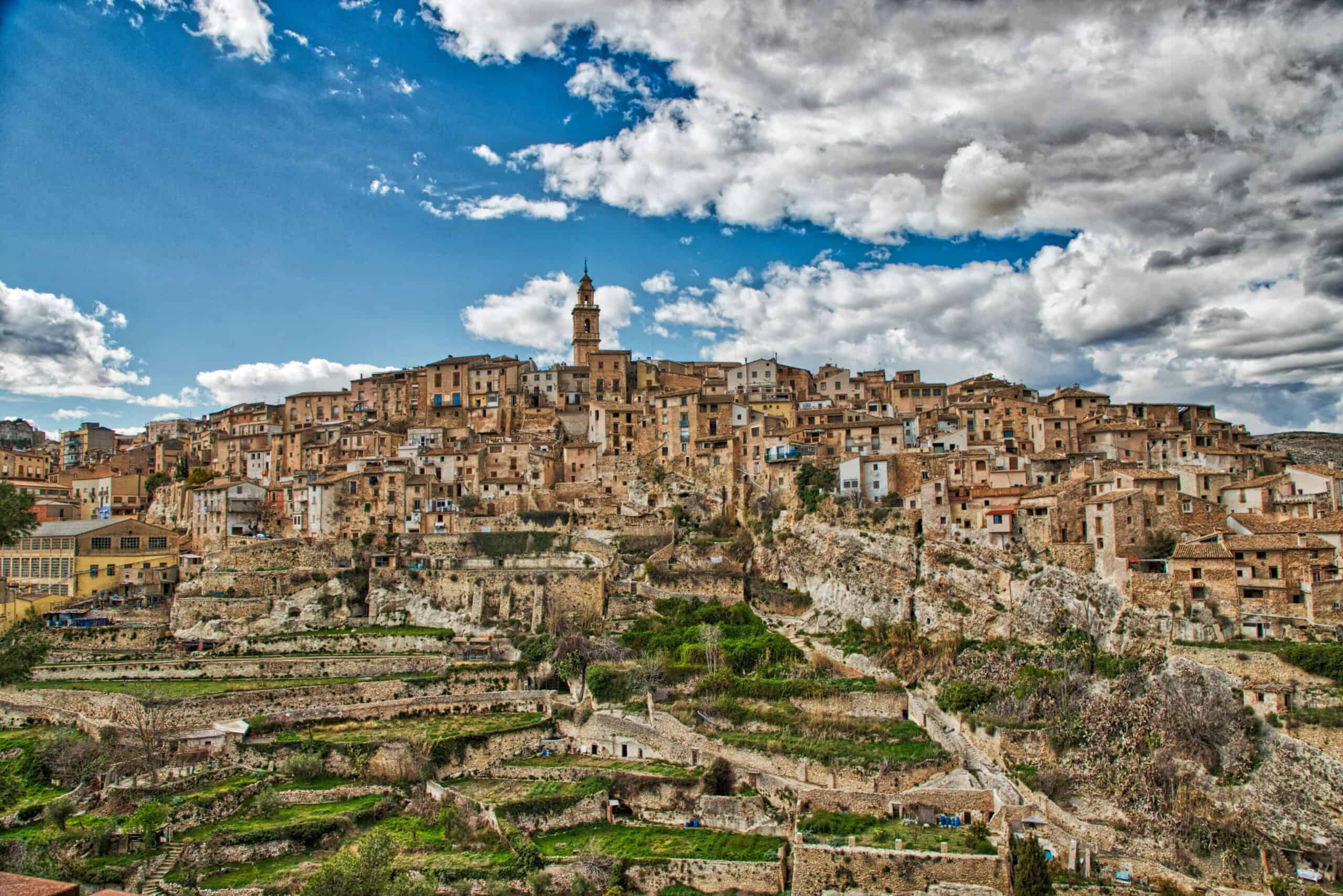
Bocairent combines a dense medieval fabric with nearby rock-cut landmarks, most famously the Covetes dels Moros, a striking line of cave windows opened into a cliff face above the ravine. Reaching the chambers requires careful movement through narrow passages, and that physical effort makes the site feel immediate rather than abstract. The village itself reinforces that atmosphere with steep lanes, heavy stone walls, and tightly knit urban form. Here, carved space is not an isolated monument. It is part of a broader landscape where storage, shelter, and settlement evolved together across difficult terrain.
Artenara, Gran Canaria
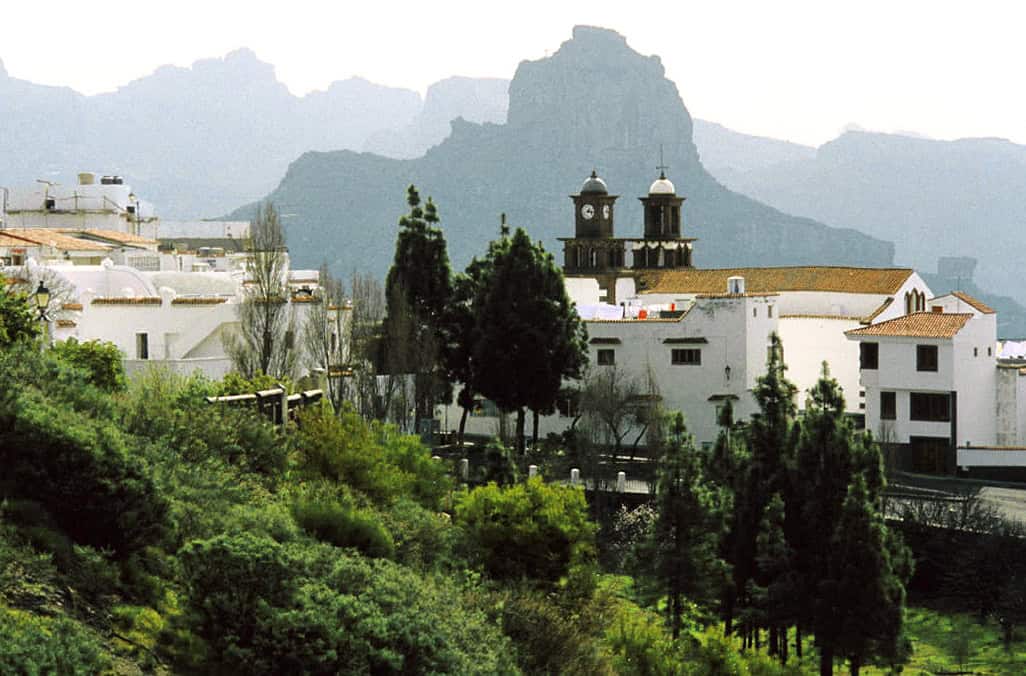
Artenara, set high in Gran Canaria, carries a strong cave-housing tradition shaped by volcanic terrain and long rural history. Carved dwellings and heritage spaces reflect a practical response to altitude, heat, and limited resources, while preserving a visible link to older ways of inhabiting the island interior. The surrounding ravines and cliffs intensify the sense of separation from coastal resort culture, giving the village a quieter and more elemental identity. In Artenara, rock-carved architecture is not decorative heritage. It remains a clear record of adaptation, resilience, and local knowledge held over generations.