We may earn money or products from the companies mentioned in this post. This means if you click on the link and purchase the item, I will receive a small commission at no extra cost to you ... you're just helping re-supply our family's travel fund.
Across several Republican-led states, a noticeable shift is underway: instead of raising taxes on residents, governors are increasingly looking to visitors to help fund infrastructure, disaster recovery, housing, and tourism management. With record travel numbers straining roads, beaches, parks, and public services, these leaders argue that tourists should pay a larger share of the costs they help create. Below are five red-state governors whose policies or proposals aim to make tourists pay more, explained in a detailed, balanced, and easy-to-understand way.
1. Florida
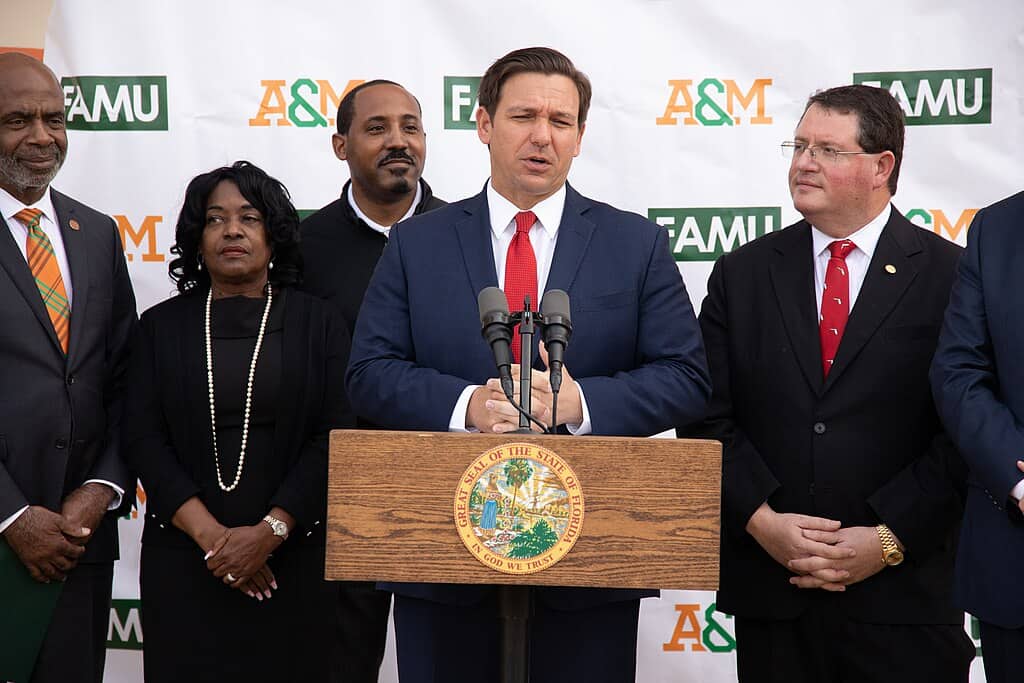
Florida welcomes 135+ million visitors annually, more than any other state, and Governor Ron DeSantis has repeatedly argued that tourists should shoulder more of the tax burden. His administration has explored raising or restructuring hotel bed taxes, rental car surcharges, and tourism impact fees while promising tax relief for residents. The logic is simple: visitors heavily use highways, beaches, airports, and emergency services without paying property taxes. Florida’s average combined tourist tax already ranges from 6% to 13.5%, depending on the county, but DeSantis has supported allowing local governments to push those numbers higher. While no single statewide “tourist tax hike” law has passed yet, his budget rhetoric and policy direction clearly favor shifting billions in infrastructure and storm-recovery costs toward non-residents who spend an estimated $120 billion per year in the state.
2. Texas
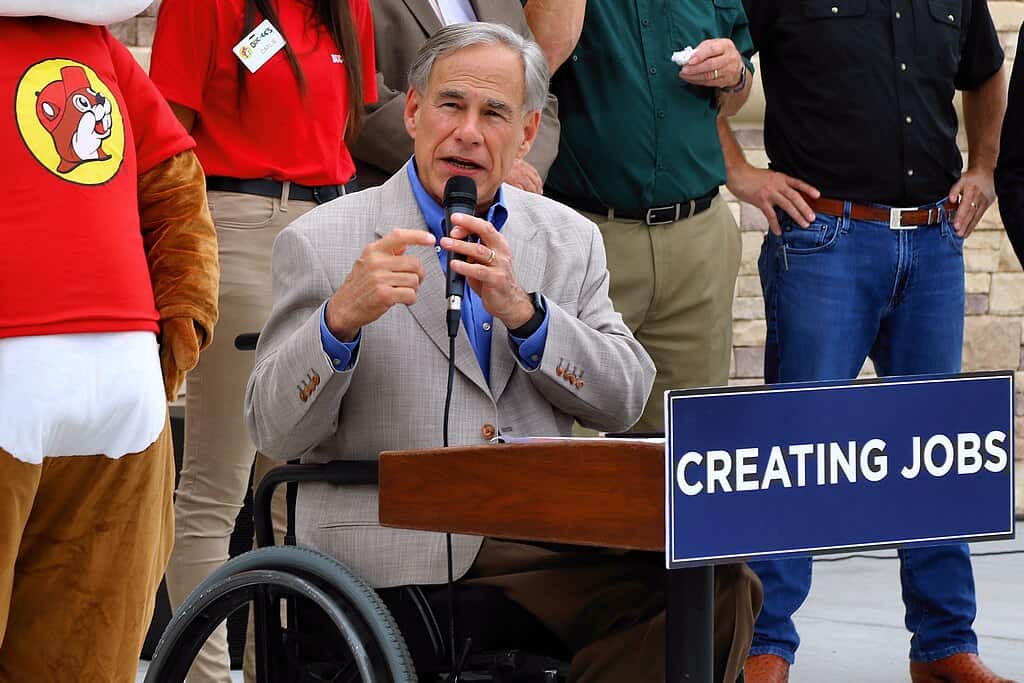
Texas tourism generates roughly $193 billion annually, and Governor Greg Abbott has backed policies that quietly increase what visitors pay without branding them as tax hikes. Instead of income taxes on residents, Texas relies heavily on hotel occupancy taxes, which already sit at 6% statewide, with local rates pushing totals near 17% in cities like Austin and San Antonio. Abbott has supported expanding how these funds are used, including convention centers, sports venues, and downtown revitalization projects that mainly serve visitors. In 2024 alone, Texas collected over $3.5 billion from hotel taxes, most paid by tourists. Abbott’s stance reflects a broader conservative strategy: protect residents from new taxes while allowing cities to extract more revenue from out-of-state travelers who fuel local economies but don’t vote locally.
3. Georgia
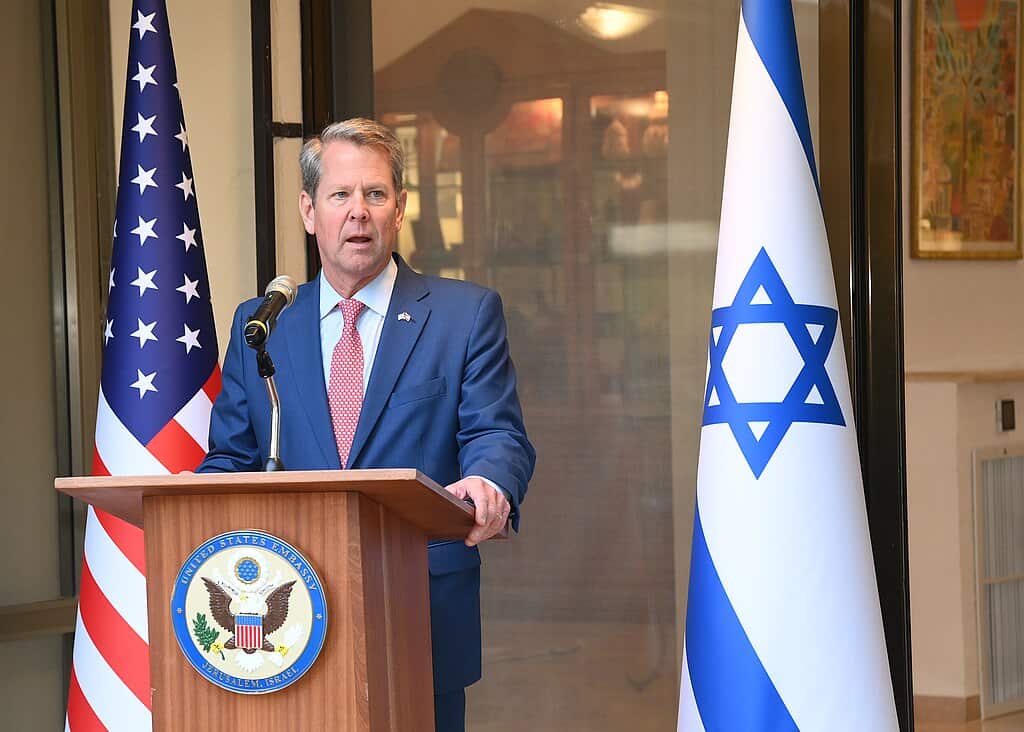
Georgia’s tourism industry supports 463,000 jobs and attracts more than 170 million visitors per year, creating pressure on cities like Atlanta and Savannah. Governor Brian Kemp has consistently supported local governments expanding hotel-motel taxes, which currently average 5–8% on top of sales tax. These funds help pay for convention centers, airport expansions, and tourism marketing rather than schools or general services. Kemp has defended these increases by pointing out that tourists account for an estimated 70% of hotel tax revenue in major markets. While residents feel little direct impact, visitors often see nightly hotel bills rise by $15–$40 depending on location. Kemp’s approach prioritizes economic growth while ensuring tourists help finance the infrastructure that keeps Georgia competitive as a major travel hub.
4. South Carolina
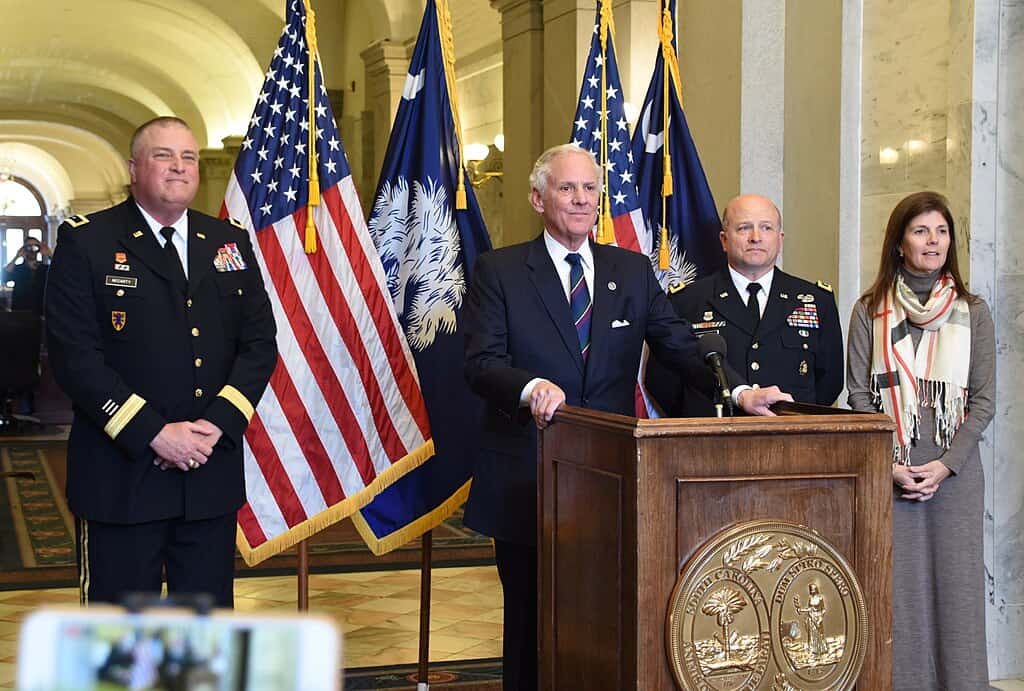
South Carolina’s beaches and historic cities attract nearly 40 million tourists annually, and Governor Henry McMaster has supported policies that increase tourism-specific taxes instead of raising statewide rates. The state allows higher accommodations taxes, often totaling 10–12%, with proceeds directed to beach renourishment, road maintenance, and flood mitigation. Coastal counties argue that seasonal visitors multiply local populations by 3 to 5 times, accelerating erosion and infrastructure wear. McMaster has defended these taxes as a fairness issue, noting that tourists generate most of the demand while residents live with the long-term consequences. In popular destinations like Charleston and Myrtle Beach, tourists now contribute tens of millions annually, helping offset rising insurance and climate-related costs without touching resident income or property taxes.
5. South Dakota

Tourism is South Dakota’s second-largest industry, drawing over 14 million visitors each year to Mount Rushmore, Badlands National Park, and Sturgis events. Governor Kristi Noem has supported increasing reliance on tourism excise taxes, including lodging and attraction fees that average 9–11% statewide. Events like the Sturgis Motorcycle Rally alone bring 500,000+ visitors, creating massive short-term demand for policing, medical services, and road repairs. Rather than raising broad taxes, Noem has backed policies ensuring visitors fund these spikes in spending. In 2023, tourism taxes generated more than $500 million, much of it paid by non-residents. Her approach reflects a conservative preference for consumption-based taxation, especially when the consumers are temporary guests rather than voters.