We may earn money or products from the companies mentioned in this post. This means if you click on the link and purchase the item, I will receive a small commission at no extra cost to you ... you're just helping re-supply our family's travel fund.
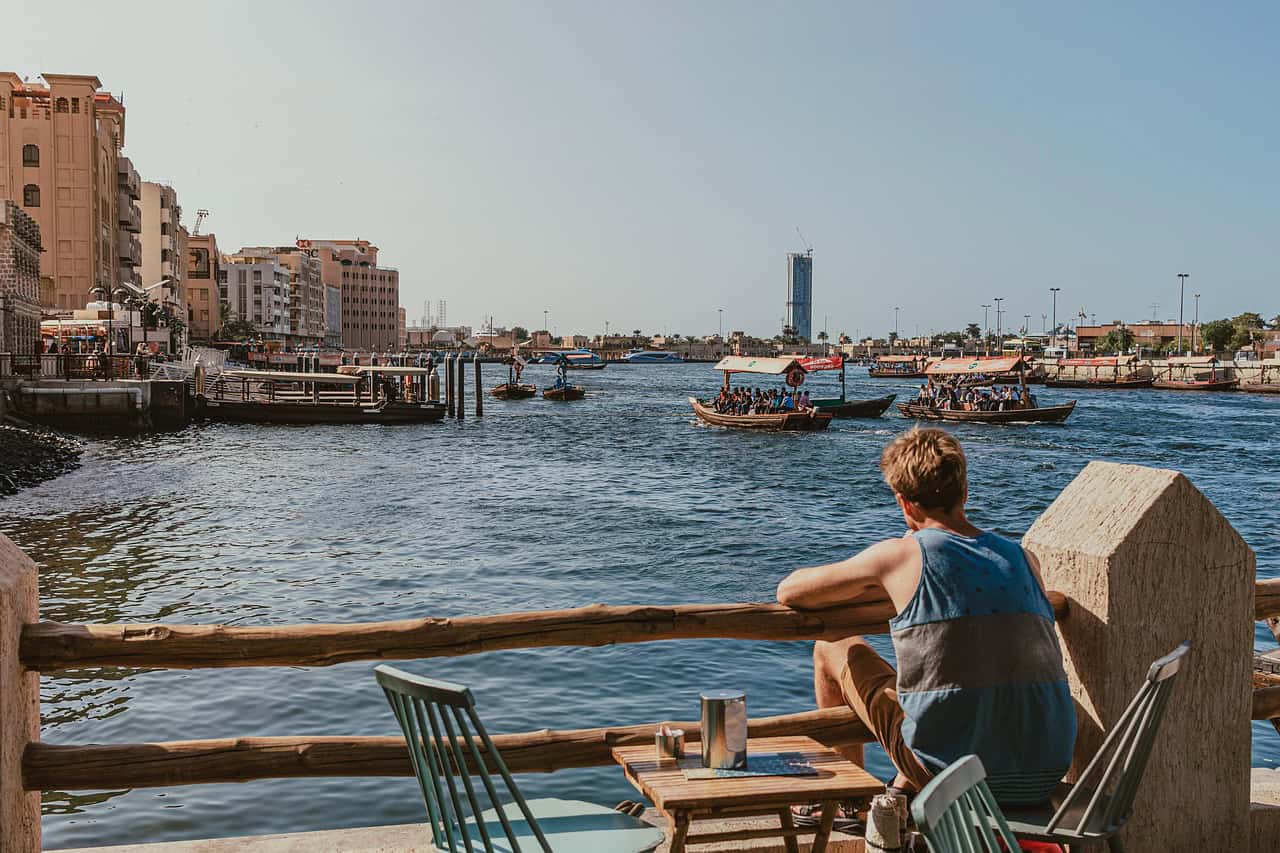
Traveling is thrilling, but popular tourist destinations often come with hidden costs. Many visitors unknowingly pay far more than locals for meals, transportation, souvenirs, and activities. Overcharging is so common that even basic experiences can feel overpriced, leaving travelers frustrated. Knowing where and how overpricing happens allows you to enjoy these destinations without draining your wallet. Here’s a detailed guide to 5 popular destinations where most tourists end up overcharged, with practical numbers and tips to avoid paying too much.
1. Venice, Italy
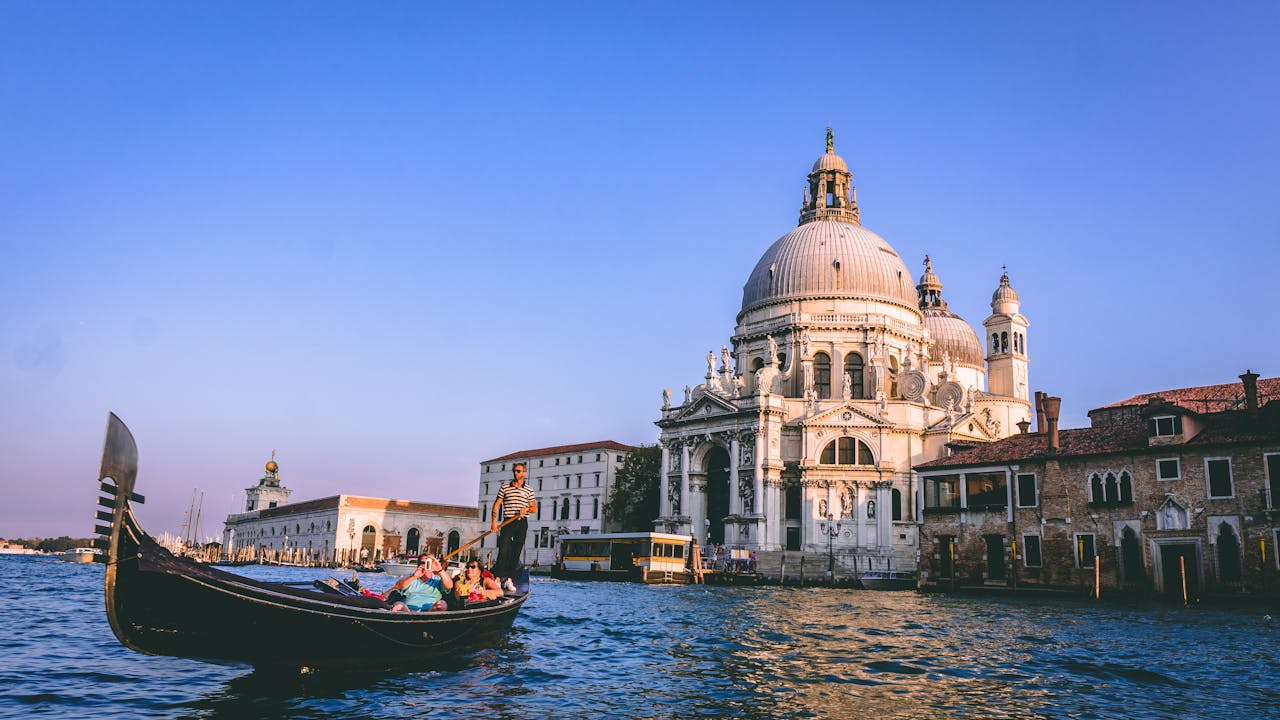
Venice’s canals and historic charm are unmatched, but tourists pay a premium for every experience. A 30-minute gondola ride can cost $90–$130, while water in restaurants near St. Mark’s Square is often $6–$7 per bottle, double the local rate. Simple pasta dishes in tourist-heavy areas frequently range from $25–$35, compared to $12–$15 in quieter neighborhoods. Murano glass souvenirs, unless carefully selected, can be marked up to 200%. Visiting Cannaregio or Dorsoduro allows authentic experiences at half the price, including meals for $12–$18 and quieter strolls along canals.
2. Paris, France
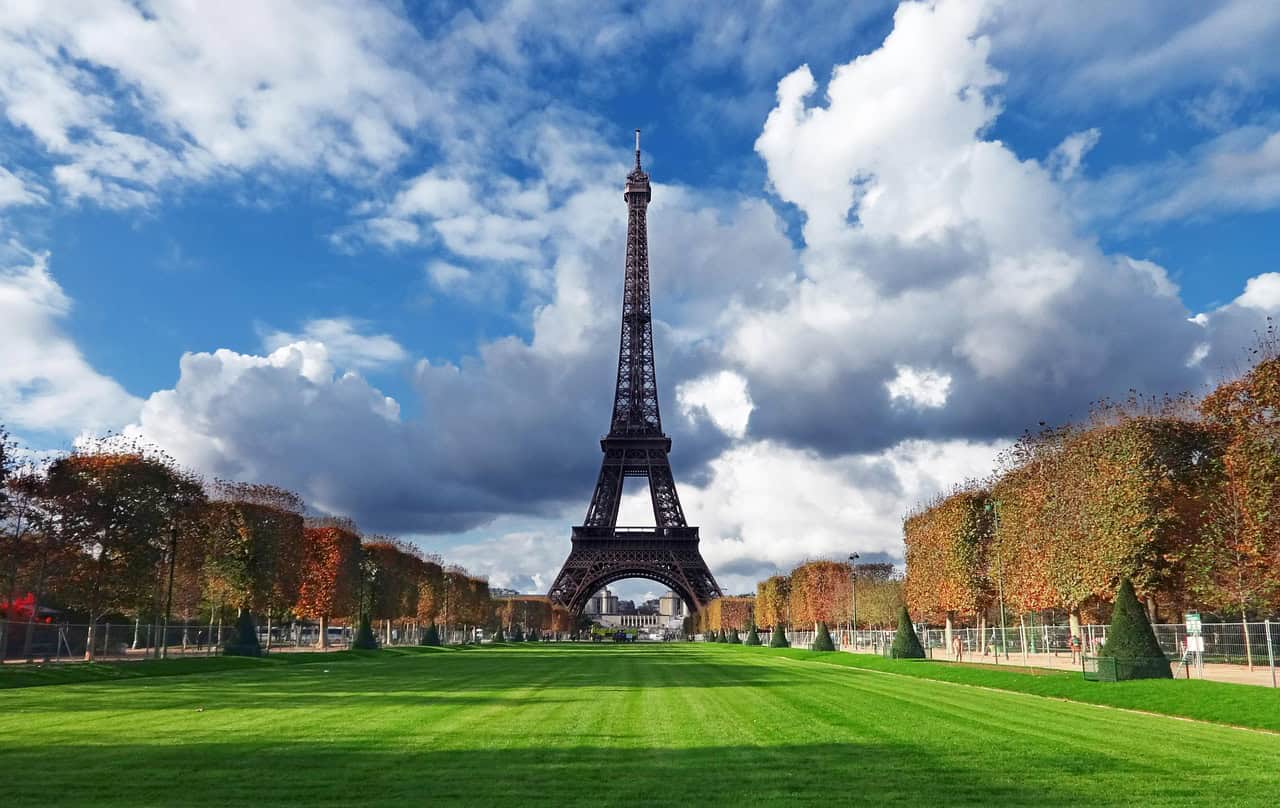
Paris dazzles, but the city’s most famous spots are notorious for inflated costs. Cafés near the Eiffel Tower charge $12–$15 for a coffee, versus $3 at local cafés. Skip-the-line museum tickets, while convenient, often cost $30–$40, almost double the standard entry of $17–$20. Street vendors and souvenir shops in tourist districts mark items up 50–100%. Walking through less crowded arrondissements offers meals for $15–$25, pastries for $3–$5, and boutique shopping at authentic prices. Early ticket bookings and avoiding landmark-adjacent restaurants save hundreds on a short visit.
3. Bangkok, Thailand
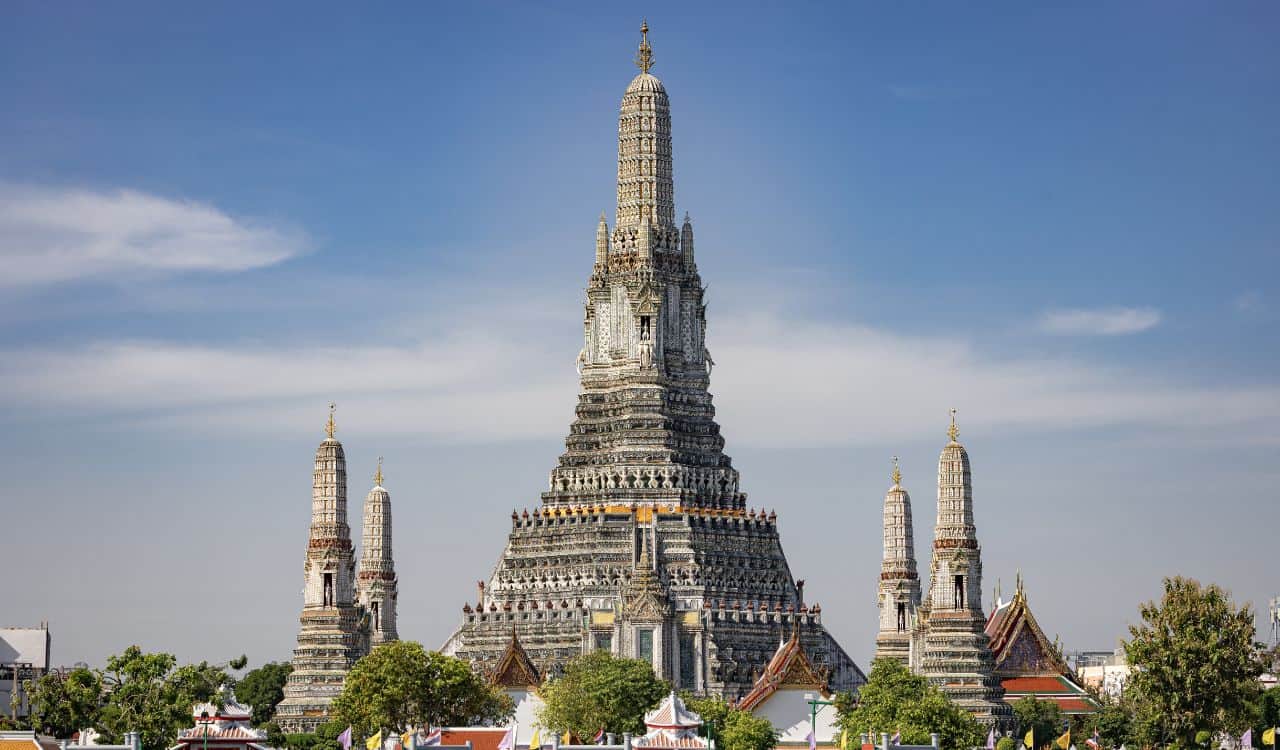
Bangkok is lively and colorful, but tourists often face inflated prices. Tuk-tuk rides in tourist areas start at $10–$15 for short trips that locals pay $2–$3 for. Popular street restaurants can charge $8–$12 per dish, while hidden alleys offer the same meals for $2–$4. Souvenir shops around Khao San Road often double prices for trinkets that cost $1–$3 elsewhere. Markets like Chatuchak or MBK allow bargaining, reducing costs by 30–50%. Exploring neighborhoods like Ari or Pratunam not only avoids inflated charges but also offers authentic Thai dishes and snacks for $1–$3 each.
4. Cancun, Mexico
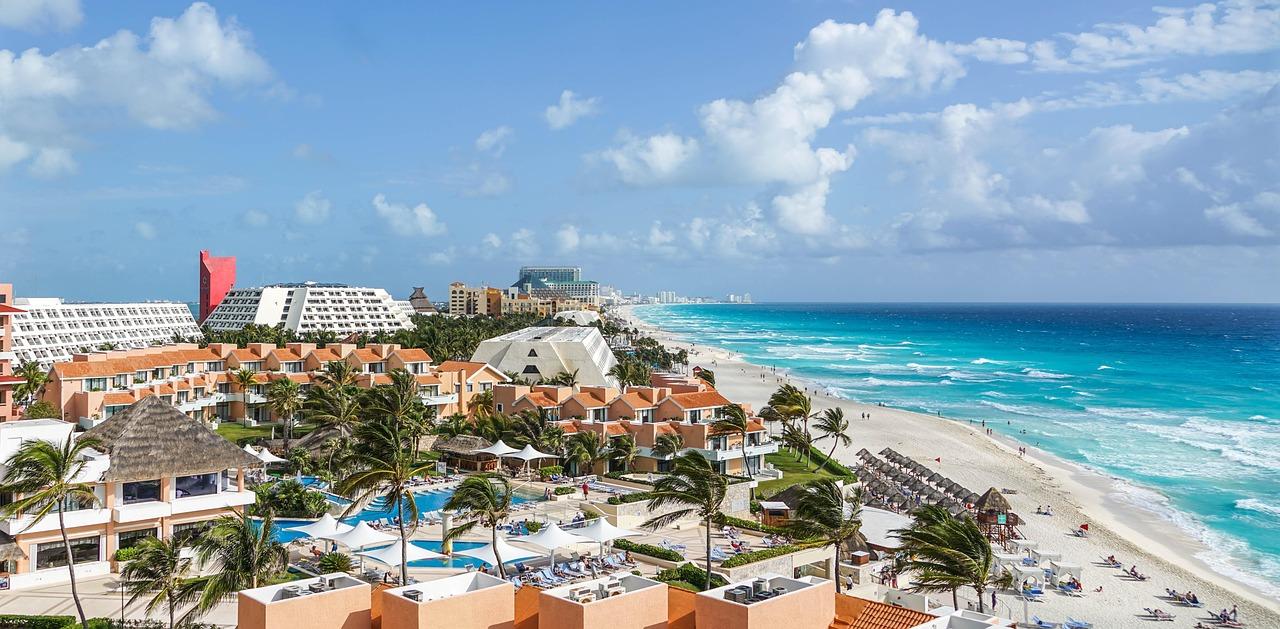
Cancun’s sun and sand attract millions, but tourist traps are abundant. Snorkeling trips or boat tours cost $80–$150, often $50 more than excursions booked in nearby towns. Restaurants in hotel zones charge $15–$30 per meal, while local eateries offer the same for $6–$12. Taxi rides frequently exceed $20 for short distances, compared to $4–$5 using public transport. Street vendors often mark up souvenirs by 50%. Venturing into downtown Cancun or Playa del Carmen offers affordable meals, tours, and authentic shopping, with similar experiences costing roughly half the price of resort zones.
5. Dubai, UAE
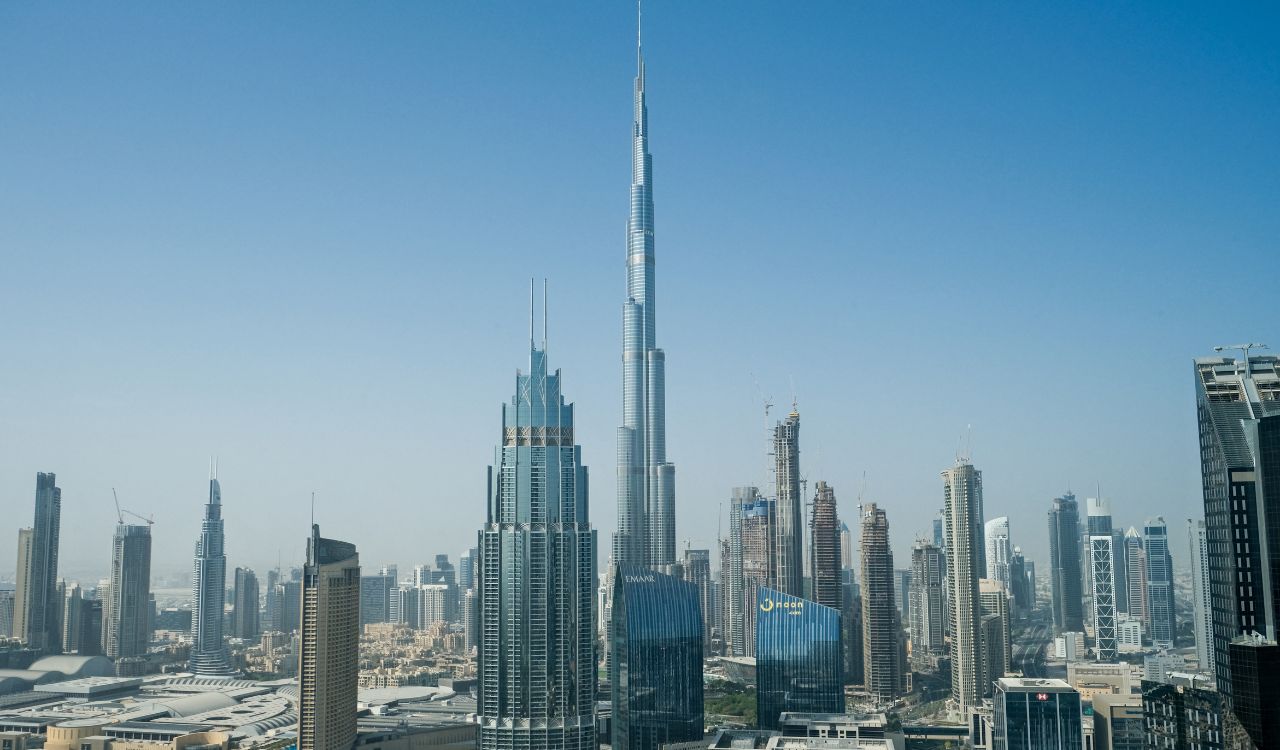
Dubai impresses with luxury, but tourists pay dearly for convenience. Burj Khalifa tickets start at $45, and guided desert safaris booked via hotels often run $150–$200, double the cost of independent operators. Restaurants near tourist hubs charge $30–$50 for meals that cost $12–$18 in local neighborhoods like Al Karama or Deira. Taxis and ride-hailing services can cost $15–$25 for short rides if not meter-based. Shopping at malls inflates prices for electronics and souvenirs by 20–50%. Exploring local markets and independent tour operators ensures similar experiences at half the cost, with authentic cultural immersion.