We may earn money or products from the companies mentioned in this post. This means if you click on the link and purchase the item, I will receive a small commission at no extra cost to you ... you're just helping re-supply our family's travel fund.
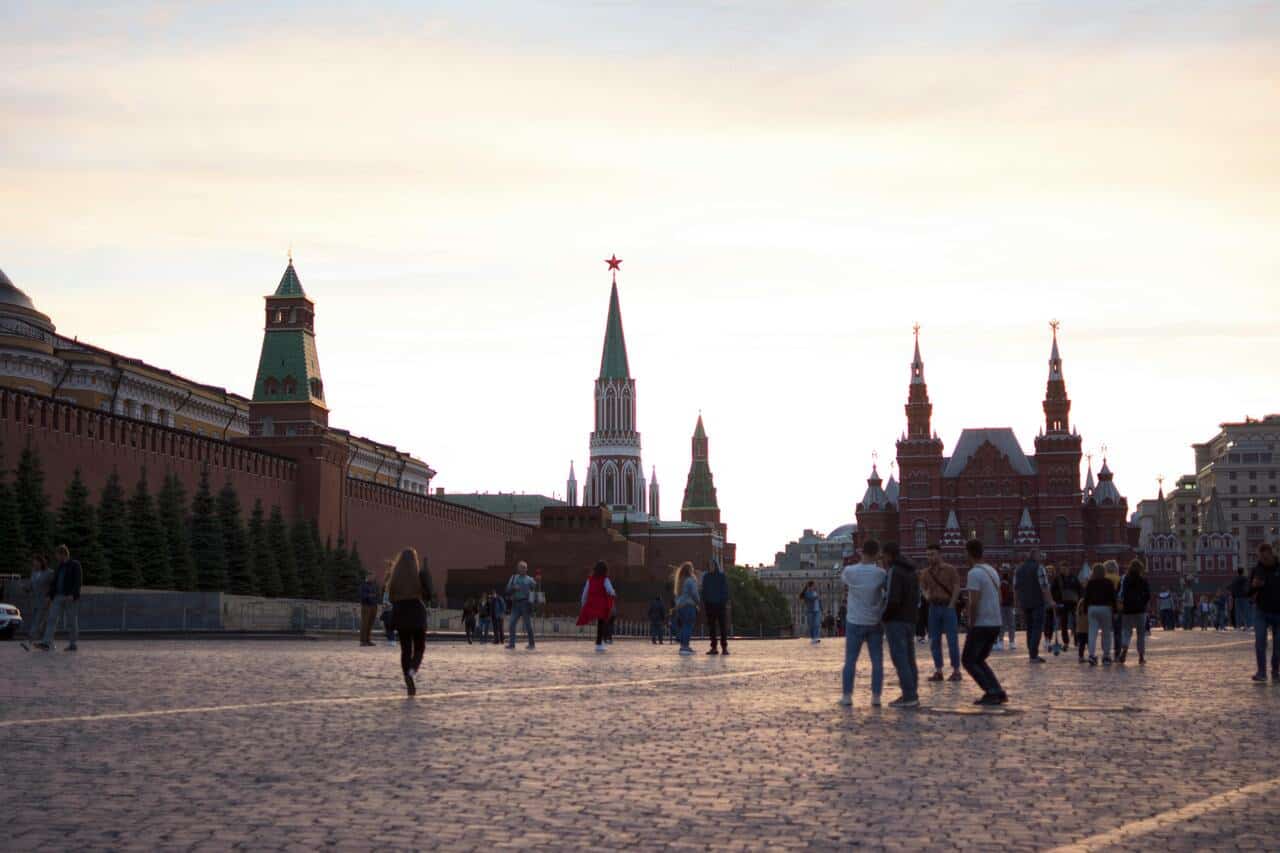
Negative attitudes toward Americans abroad are rarely about individual travelers and far more about geopolitics, military history, cultural dominance, and media narratives. In most countries, everyday people remain polite and curious, yet public opinion surveys, protest records, and visa data show that resentment toward the U.S. government often spills over into social attitudes. The countries below are frequently cited in global polling and diplomatic reports as places where Americans face higher skepticism, suspicion, or hostility. This list focuses on perception, not personal safety, and blends historical context with measurable data to explain why these reputations persist.
1. Russia
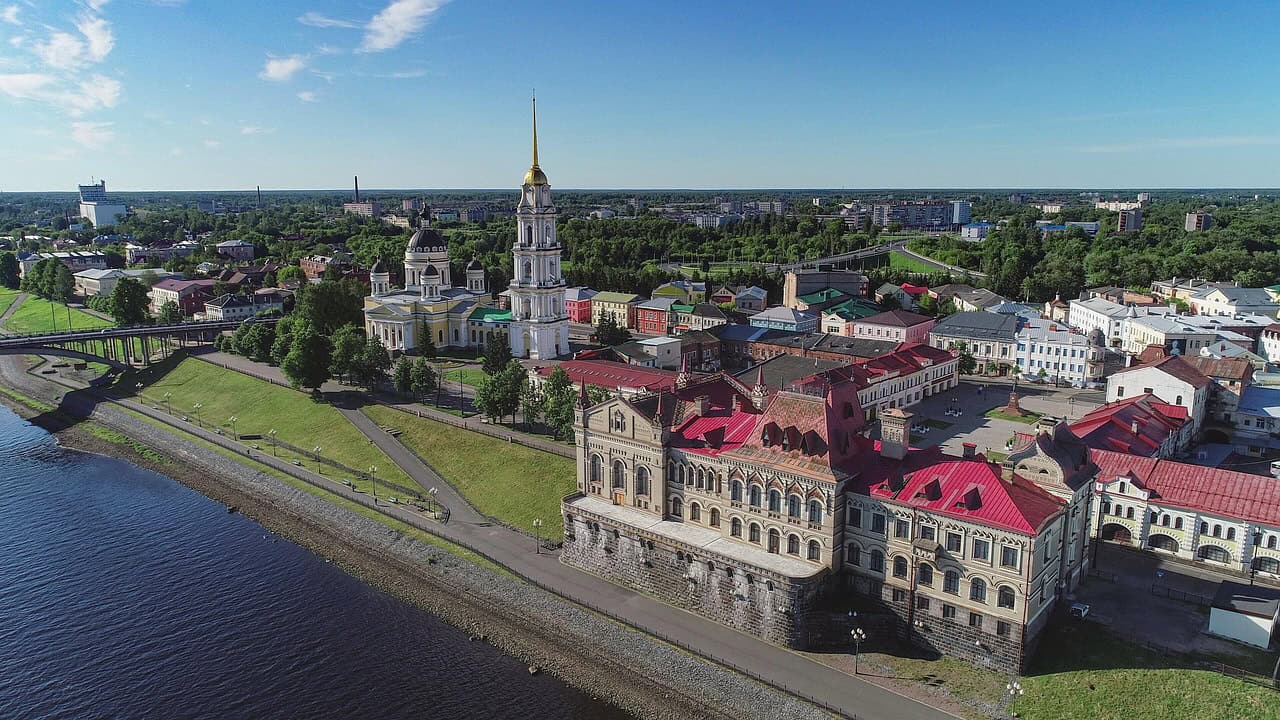
American unpopularity in Russia is deeply tied to decades of Cold War rivalry and renewed tensions since 2014. State-controlled media regularly portrays the U.S. as a hostile power, shaping public sentiment at scale. According to international polling groups, unfavorable views of the U.S. in Russia have hovered between 70–80% in recent years. Diplomatic expulsions peaked in 2018, when over 150 diplomats were removed on both sides. While major cities like Moscow remain functional for travelers, Americans report increased scrutiny, with U.S. visa issuance to Russians dropping by over 90% since 2019. Social interactions can feel guarded, especially around politics, making neutrality essential.
2. Iran
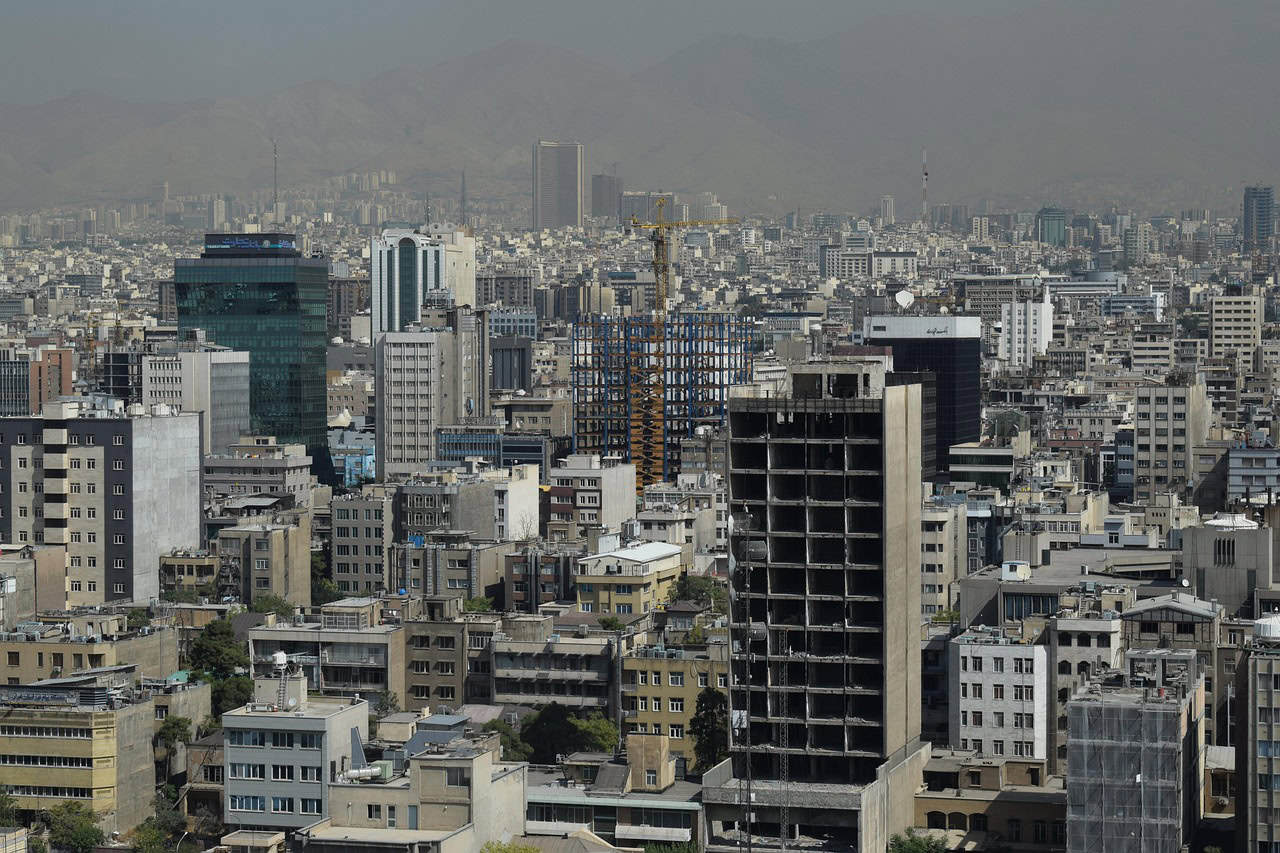
In Iran, anti-American sentiment is institutional rather than personal, rooted in the 1979 revolution and reinforced by official slogans and education. Government-backed messaging often frames the U.S. as an aggressor, which influences public behavior. Surveys conducted among urban Iranians still show 60–65% unfavorable views of U.S. policies, despite curiosity about American culture. Annual “Death to America” rallies draw tens of thousands, though tourists are rarely targeted directly. Diplomatic relations have been severed for over 40 years, and Americans face some of the strictest visa requirements globally, including mandatory guides and restricted travel zones.
3. Pakistan
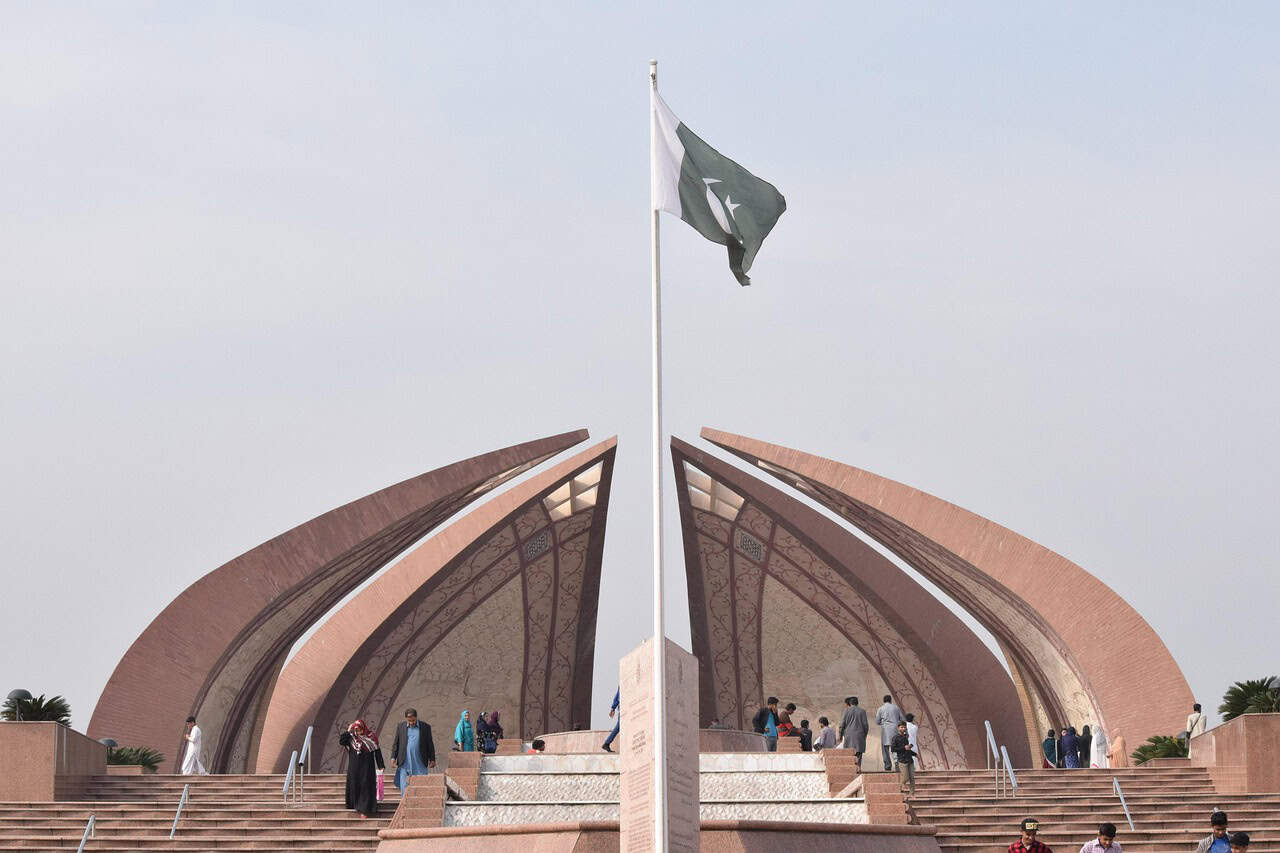
Public opinion toward Americans in Pakistan is shaped by drone strikes, military aid controversies, and shifting alliances. Pew-style regional surveys consistently show 65–75% negative views of the U.S., particularly in rural areas. Between 2004 and 2018, over 400 drone strikes fueled resentment and distrust. While urban Pakistanis often distinguish between U.S. policy and people, Americans may still face suspicion or stereotyping. Security incidents involving Westerners peaked in the early 2010s, prompting travel warnings. Despite this, the U.S. remains one of Pakistan’s largest aid donors, creating a complicated love-hate dynamic.
4. Venezuela
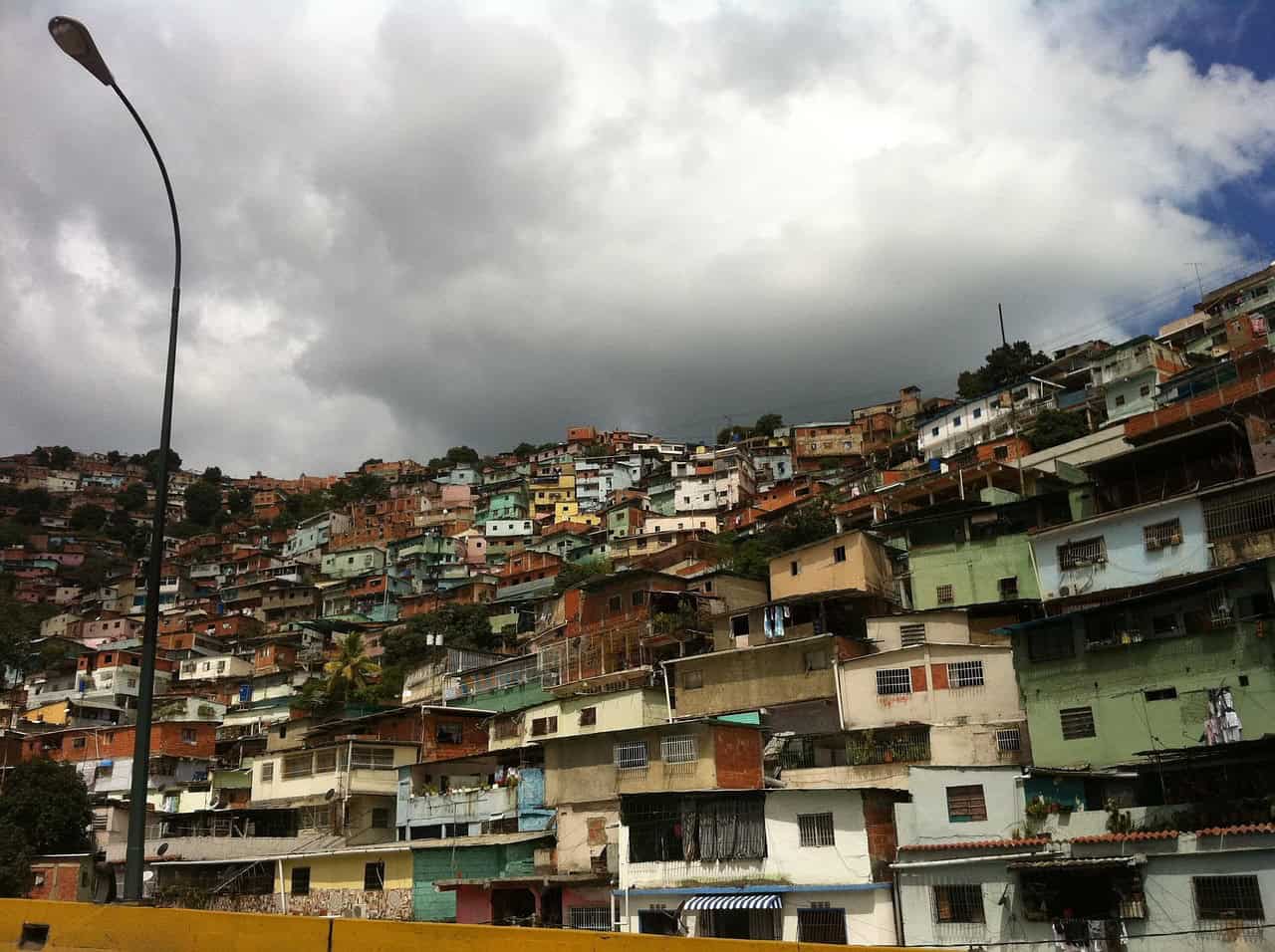
Anti-American feeling in Venezuela is closely linked to economic collapse and years of hostile rhetoric from state leadership. Government narratives blame U.S. sanctions for inflation that exceeded 1,000,000% in 2018, embedding resentment among the population. Opinion studies suggest over 70% of citizens view U.S. influence negatively, though many still admire American lifestyles privately. Diplomatic ties were formally cut in 2019, and protests featuring anti-U.S. slogans regularly draw thousands in Caracas. Americans are rarely targeted individually, but political discussions can quickly become charged, especially outside tourist-friendly zones.
5. France

France presents a different case, where skepticism toward Americans stems more from cultural and political friction than hostility. Disagreements over Iraq, NATO, and global leadership have influenced opinion for decades. European surveys often show 45–55% of French respondents holding unfavorable views of U.S. leadership during tense administrations. In 2003, U.S. favorability dipped below 40%, and although it rebounded later, cultural stereotypes persist. Americans may encounter sarcasm rather than anger, especially regarding language or global influence. Still, France hosts over 4 million American tourists annually, proving that friction rarely translates into exclusion.