We may earn money or products from the companies mentioned in this post. This means if you click on the link and purchase the item, I will receive a small commission at no extra cost to you ... you're just helping re-supply our family's travel fund.

Tax talk has become part of travel and relocation chatter, especially for Gen Z workers who can move for jobs, roommates, and lifestyle, not just family ties. In the U.S., the biggest draw is often simple: states that do not tax wage income at the state level. That does not erase federal taxes, and it does not automatically make life cheaper, since sales tax, property tax, insurance, and housing can offset the win. Still, these five places keep showing up in migration and hiring narratives, and the tax angle is hard to ignore.
Texas

Texas is a magnet for young movers because the job pipeline feels wide and the state does not levy a personal income tax on wages, which makes paychecks feel cleaner on day one. A JLL-based study highlighted Texas and Florida as hotspots for Gen Z college grads, and U-Haul’s 2025 Growth Index ranked Texas as the No. 1 inbound state, which matches the on-the-ground sense of momentum in Austin, Dallas, and Houston. The tradeoff is not hidden: property taxes and summer heat can be punishing, so the “tax win” tends to work best when housing math and commute time stay realistic.
Florida
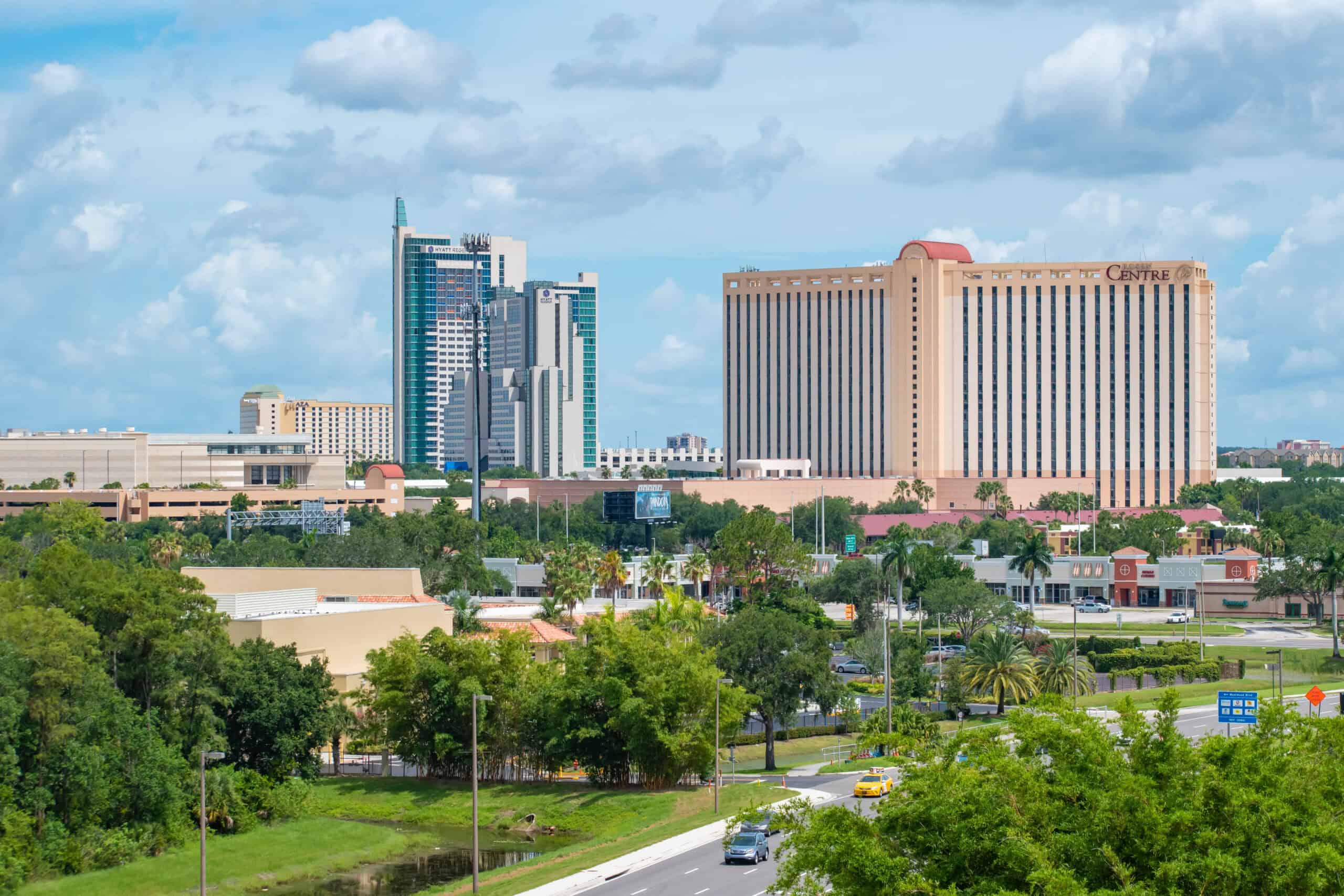
Florida pairs no state income tax with a lifestyle pitch that lands hard on younger workers: water, warm winters, and cities that feel built for reinvention. U-Haul ranked Florida No. 2 on its 2025 Growth Index, and the same JLL-linked reporting that flagged Texas also pointed to Florida as a Gen Z grad hotspot, which helps explain why roommates, coworking spaces, and new-to-town friend groups form quickly in places like Tampa, Orlando, and Miami. Costs can bite, though, especially insurance and rent, so the state’s appeal often rests on pairing the tax break with stable income and a plan that survives a price spike.
Tennessee

Tennessee has become a quiet favorite for young adults who want city energy without coastal price tags, and the state does not tax wage income, which keeps take-home pay straightforward. U-Haul’s 2025 Growth Index ranked Tennessee No. 4, reflecting steady in-migration that shows up in Nashville’s music economy and Chattanooga’s outdoors-first vibe, plus the wider state’s logistics and manufacturing growth. The catch is that savings can shift into sales taxes and housing pressure in popular neighborhoods, so the smartest relocations tend to treat “no income tax” as one factor, not the entire plan.
Washington

Washington offers a rare split-screen appeal: high-paying tech corridors and no state income tax on wages, which can look like a clean deal for early-career earners. U-Haul’s 2025 Growth Index placed Washington in the top 10, and the state’s pull often centers on Seattle’s job density and the Vancouver, Wash. option near Portland, where cross-border living strategies get discussed constantly. Still, Washington does have a capital gains tax that applies to some high earners, and everyday costs in hot markets can swallow savings fast, so the “tax-free” label needs fine print.
Nevada

Nevada has long marketed the simple headline: no state income tax, plus a tourism economy that keeps service work and shift-based jobs plentiful in Las Vegas and Reno. National tax explainers consistently list Nevada among the no-income-tax states, and migration analyses often group it with Sun Belt inflow patterns where movers chase warmer weather and a lower tax bite on wages. The reality check is that Nevada leans on other revenue sources, and daily life can get expensive in different ways, from housing swings to sales taxes, so the smartest moves treat the tax perk as a cushion, not a guarantee.