We may earn money or products from the companies mentioned in this post. This means if you click on the link and purchase the item, I will receive a small commission at no extra cost to you ... you're just helping re-supply our family's travel fund.

Mexico still pulls travelers south with easy flights, luminous beaches, colonial streets, and the promise of a trip that feels both vivid and familiar. As of Mar. 21, 2026, though, the U.S. State Department’s Mexico advisory still shows a sharp split between postcard appeal and on-the-ground risk. Mexico overall sits at Level 2, yet several states are marked “Do Not Travel,” while even famous resort areas come with narrower warnings about shootings, kidnapping, roadblocks, or after-dark crime. For travelers, that makes destination choice matter as much as the airfare.
Acapulco And Ixtapa-Zihuatanejo, Guerrero
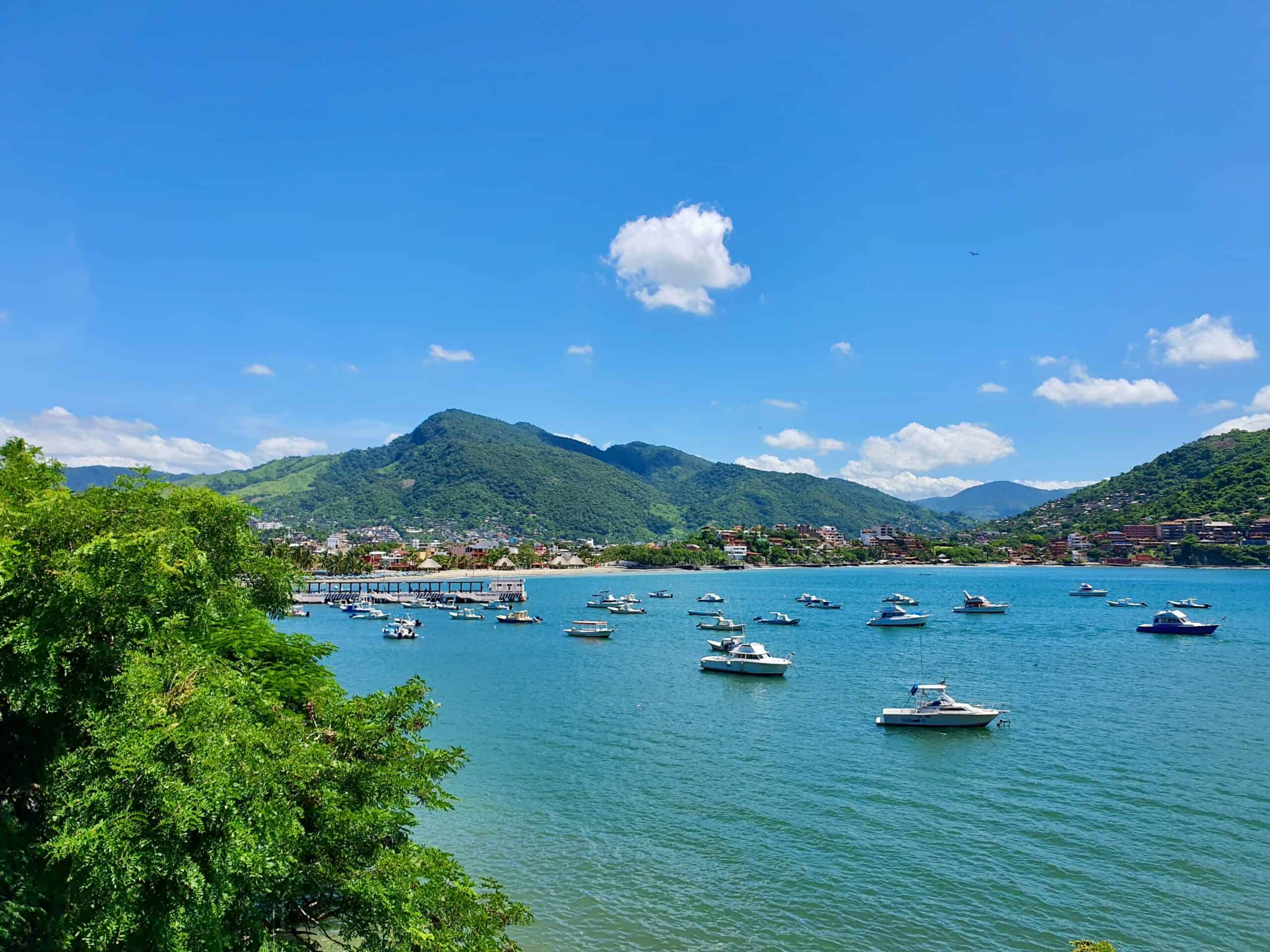
Guerrero is the clearest example of why Mexico advice cannot be read at the national level alone. The State Department says Americans should not travel anywhere in the state, and it explicitly includes Acapulco, Ixtapa, Zihuatanejo, and Taxco in that warning. What makes the guidance especially stark is the reason behind it: armed groups operate independently in many parts of Guerrero, roadblocks are common, and violence toward travelers is a real concern. A beach name people recognize does not cancel out a state-level warning that broad.
Mazatlán, Sinaloa
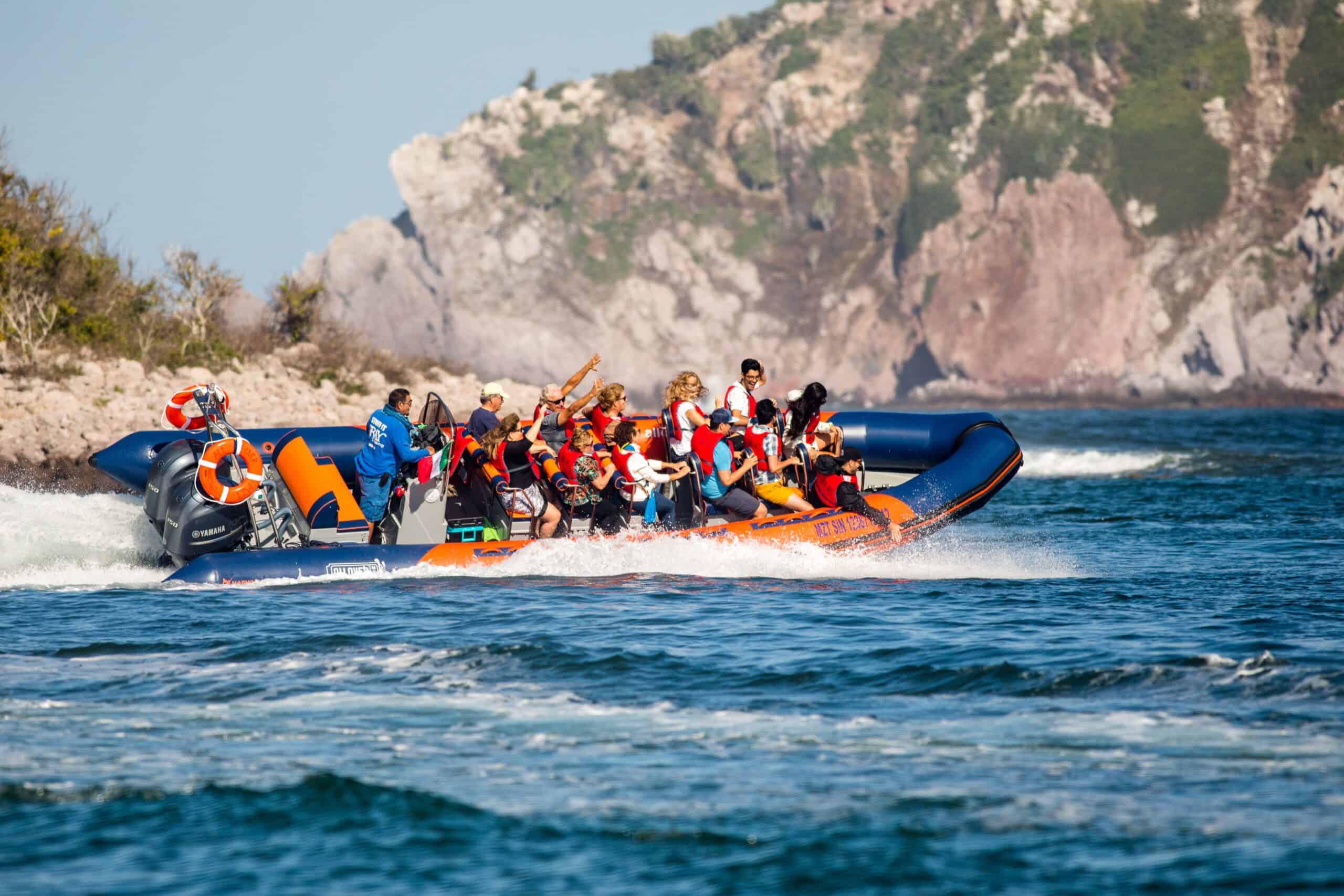
Mazatlán still draws travelers with its malecón, old center, and cruise-stop familiarity, but Sinaloa remains under a Level 4 “Do Not Travel” warning. U.S. government employees are allowed to reach Mazatlán only by air or sea, and even then their movements are limited to the historic center, certain coastal stretches, and direct routes to the airport or port. That kind of tightly defined permission says plenty on its own. When a destination must be navigated inside a narrow corridor, the trip deserves more caution than a sunny brochure suggests.
Manzanillo, Colima

Colima often gets reduced to a footnote beside its better-known neighbors, yet the advisory language is some of the strongest on the page. The State Department warns against travel to the state because of terrorism, crime, and kidnapping, noting that bystanders have been injured or killed in shootings between criminal groups. Manzanillo is not fully closed off, but official travel is limited to central tourist and port areas and to specific highways in and out. That leaves little room for the kind of spontaneous detour many coastal vacations usually invite.
Zacatecas City, Zacatecas
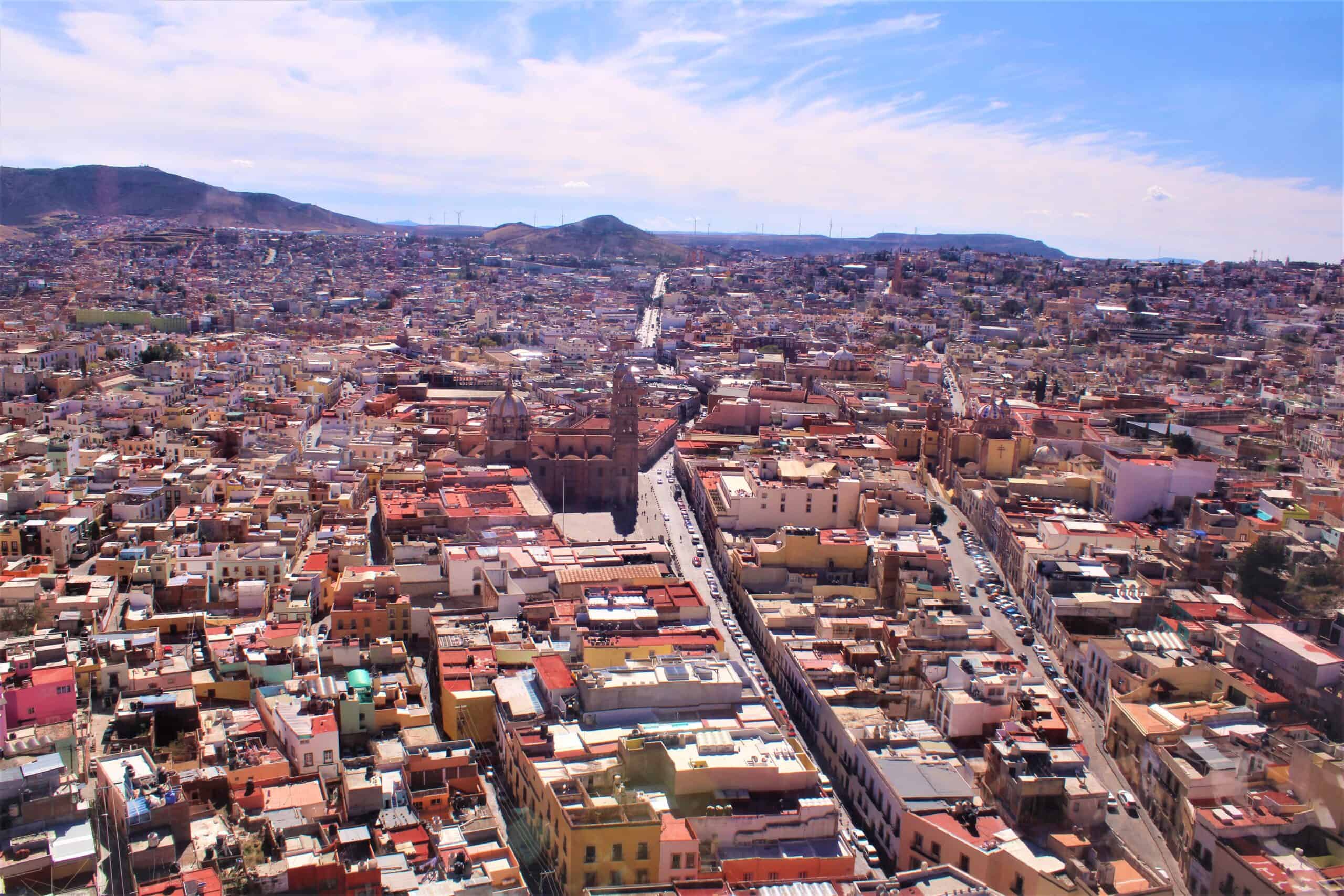
Zacatecas is one of those destinations that can look deceptively manageable on a map: a handsome city, a quick flight, a historic center, and a lower profile than the giant beach resorts. But the current U.S. advisory still marks the state as Level 4 because violent crime, extortion, gang activity, and kidnapping are widespread there. Even official U.S. government travel is limited to Zacatecas City by air only, plus the airport and Highway 45 between them. That is not the language of an easy side trip. It is the language of a place where the margin for error has narrowed sharply.
Downtown Cancun, Tulum, And Playa Del Carmen, Quintana Roo
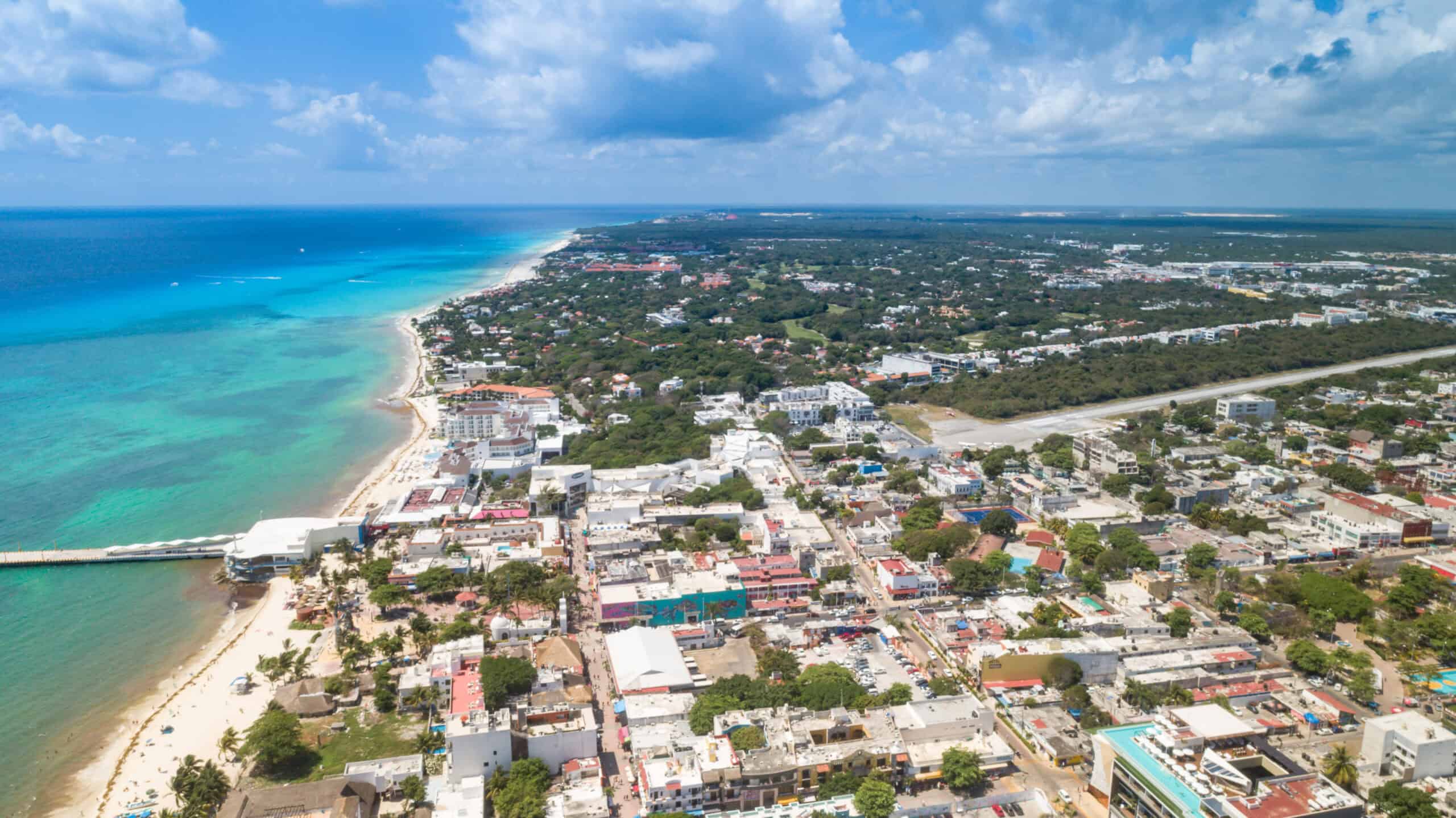
Quintana Roo is the most complicated entry because it remains one of Mexico’s most-booked leisure regions, not a blanket no-go zone. Still, the State Department says shootings between rival gangs have injured and killed bystanders there, and specifically tells travelers to pay close attention after dark in downtown Cancun, Tulum, and Playa del Carmen. It also notes that U.S. citizens have been victims of both violent and non-violent crime in tourist and non-tourist areas. That does not erase the appeal of the coast, but it does mean nightlife and location choices matter more than many visitors assume.
Copper Canyon, Chihuahua
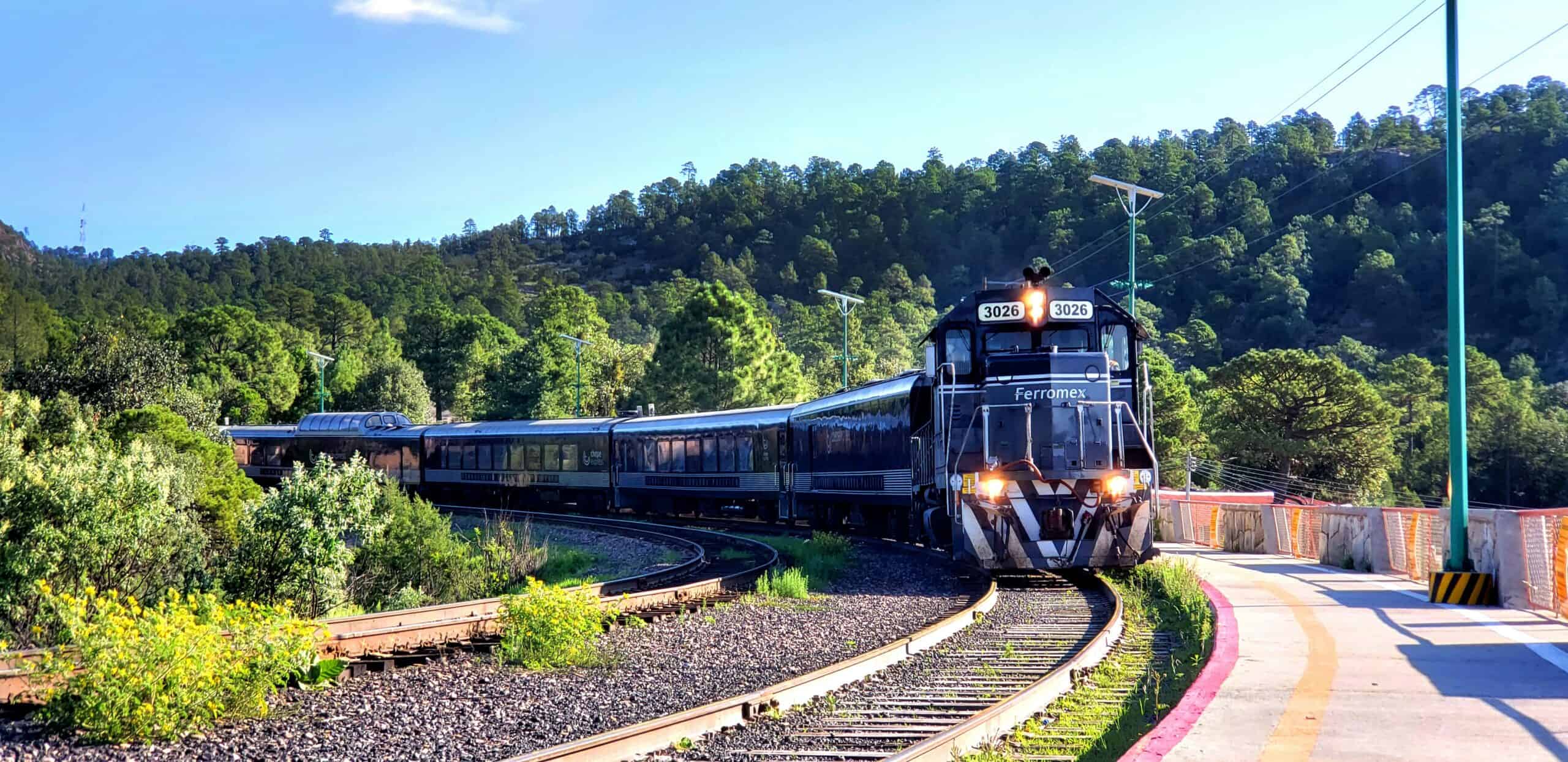
Copper Canyon carries the kind of pull that makes travelers want to believe scenery can outrun risk. Yet Chihuahua is currently under a Level 3 “Reconsider Travel” warning, and the State Department explicitly says U.S. government employees may not travel to certain areas of the state, including Copper Canyon. The advisory also notes that territory battles between criminal groups have spilled into restaurants and malls, sometimes injuring or killing bystanders. For a destination built around long rail journeys and remote landscapes, that broader security picture matters more than the romance of the route.