We may earn money or products from the companies mentioned in this post. This means if you click on the link and purchase the item, I will receive a small commission at no extra cost to you ... you're just helping re-supply our family's travel fund.
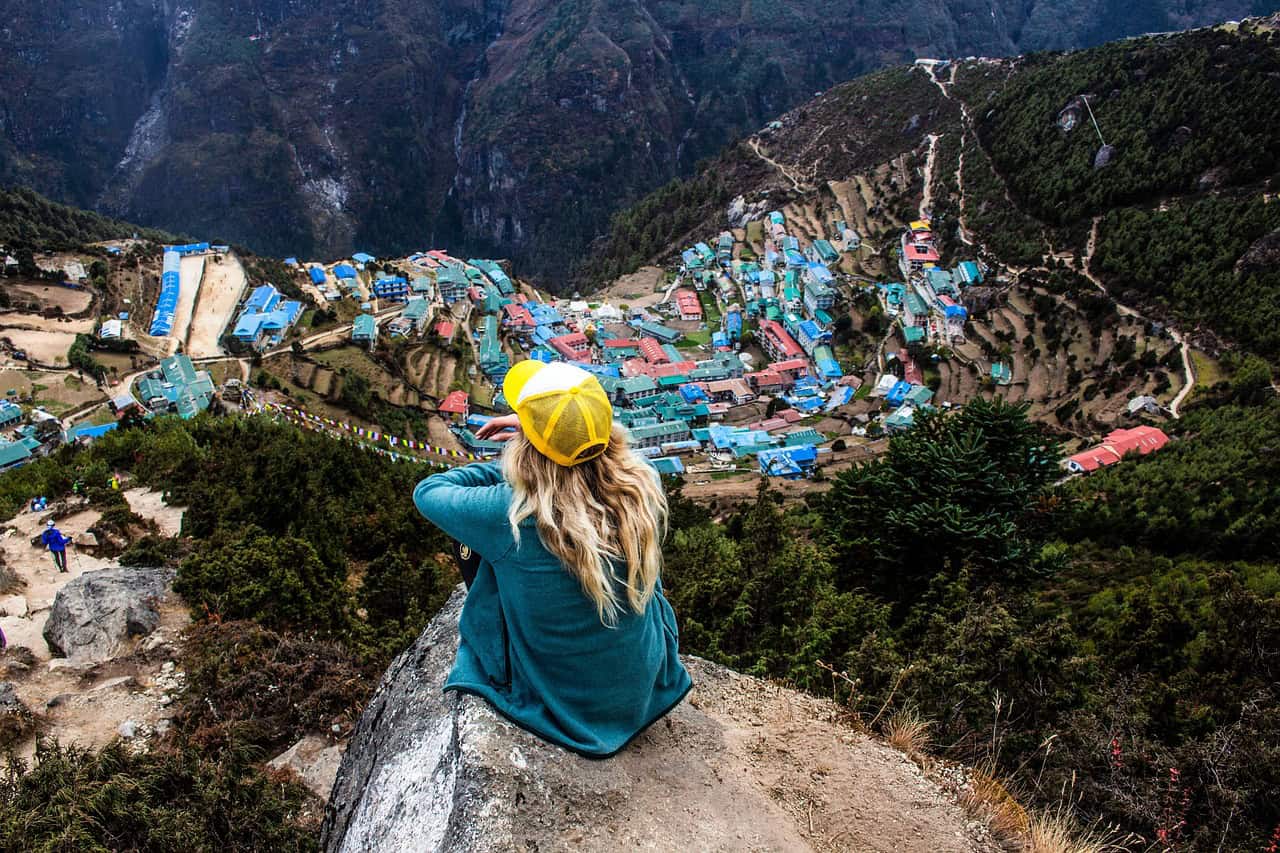
“Poorest” is a blunt label, usually shorthand for low GDP per capita, not a verdict on culture or worth. Still, it explains a real travel tension: some countries with low average incomes also welcome large numbers of visitors. The draw is rarely cheap prices alone. It is mountains, ruins, wildlife, coastlines, and a sense of place that has not been smoothed into one global template. Responsibility matters more in these settings. The best trips spend locally, hire licensed guides, and avoid turning hardship into a photo theme.
Nepal
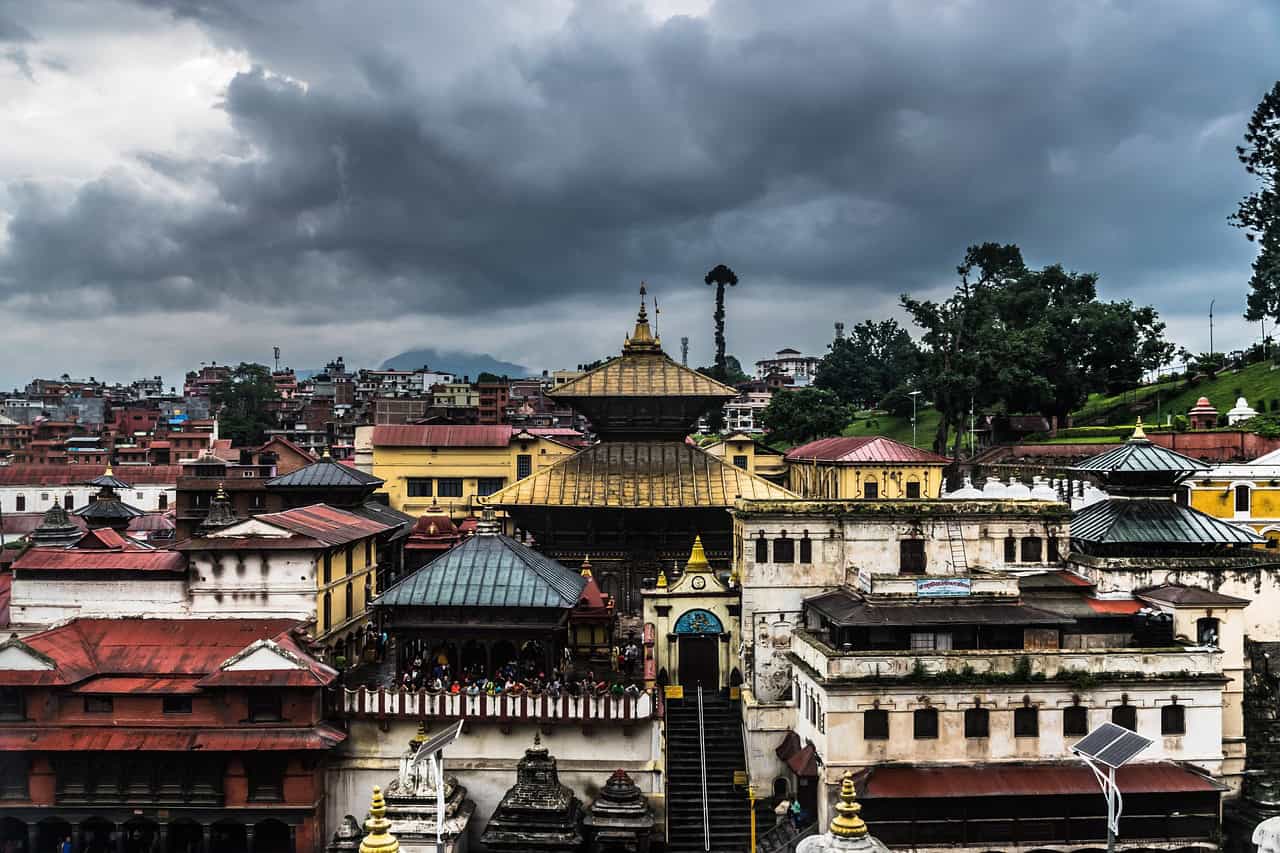
Nepal’s economy is still small per person, yet tourism stays central, powered by Himalayan trekking, heritage cities, and pilgrimage routes. World Bank figures put 2024 GDP per capita around $1,447, and Nepal Tourism Board reporting counted 1,147,567 foreign tourist arrivals in 2024. Kathmandu’s temples, Pokhara’s lakeside calm, and trail villages in the Annapurna and Everest regions keep the appeal broad. The best trips move slowly, pay guides and porters fairly, and build in altitude and weather buffers so the mountains never feel rushed. Shoulder-season skies can be clearer, too.
Cambodia
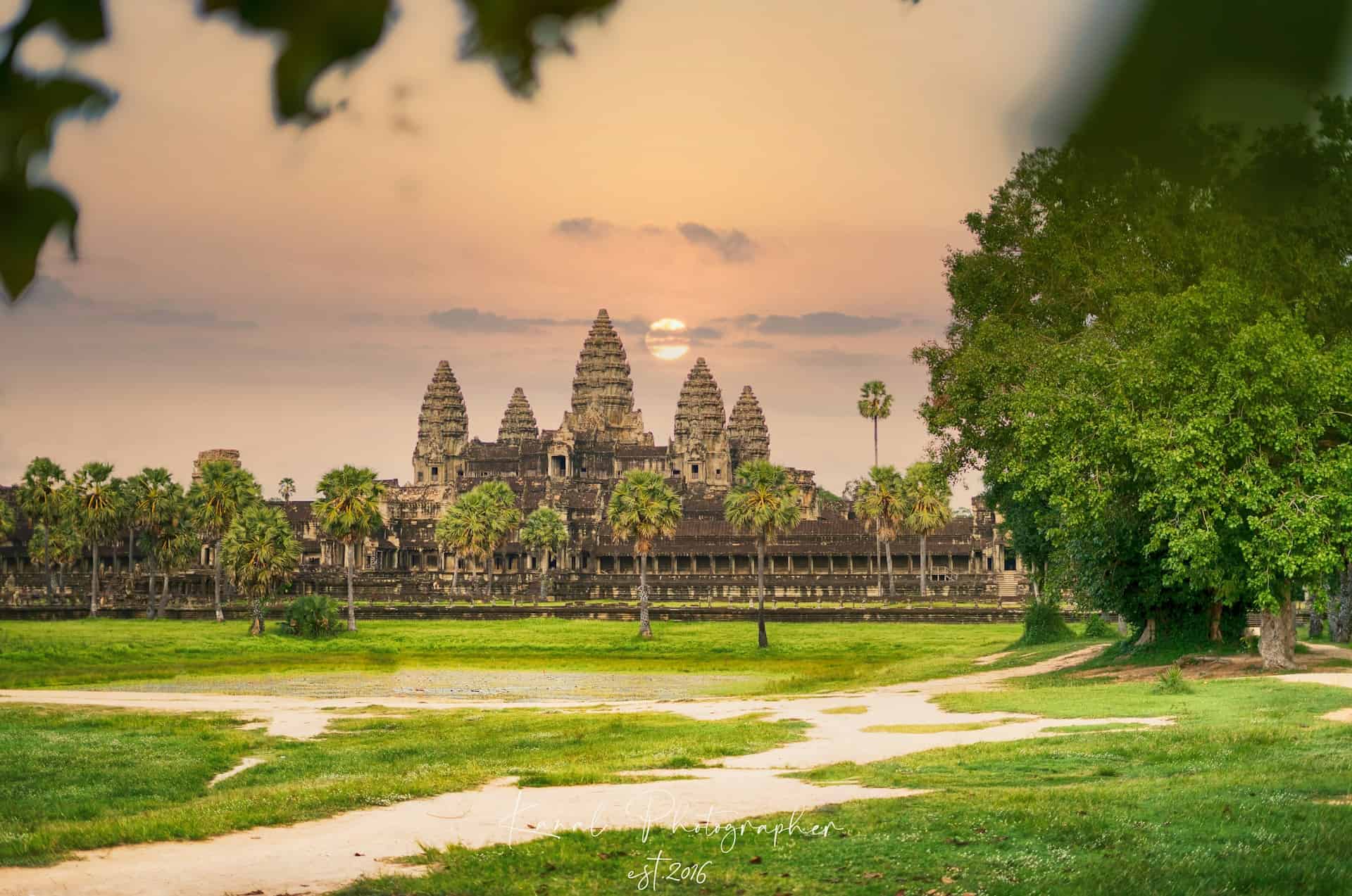
Cambodia’s 2024 GDP per capita was reported around $2,628, yet the country keeps pulling visitors because Angkor is only the beginning. Tourism reporting noted about 6.7 million international visitors in 2024 as travel rebounded. Siem Reap delivers the dawn-and-stone magic, but Phnom Penh’s riverfront, food streets, and museums add depth, and smaller towns slow the pace. Thoughtful travel here means choosing ethical tours, supporting local crafts, and learning the history with context instead of treating it as backdrop. Night markets and bus rides keep costs modest.
Tanzania
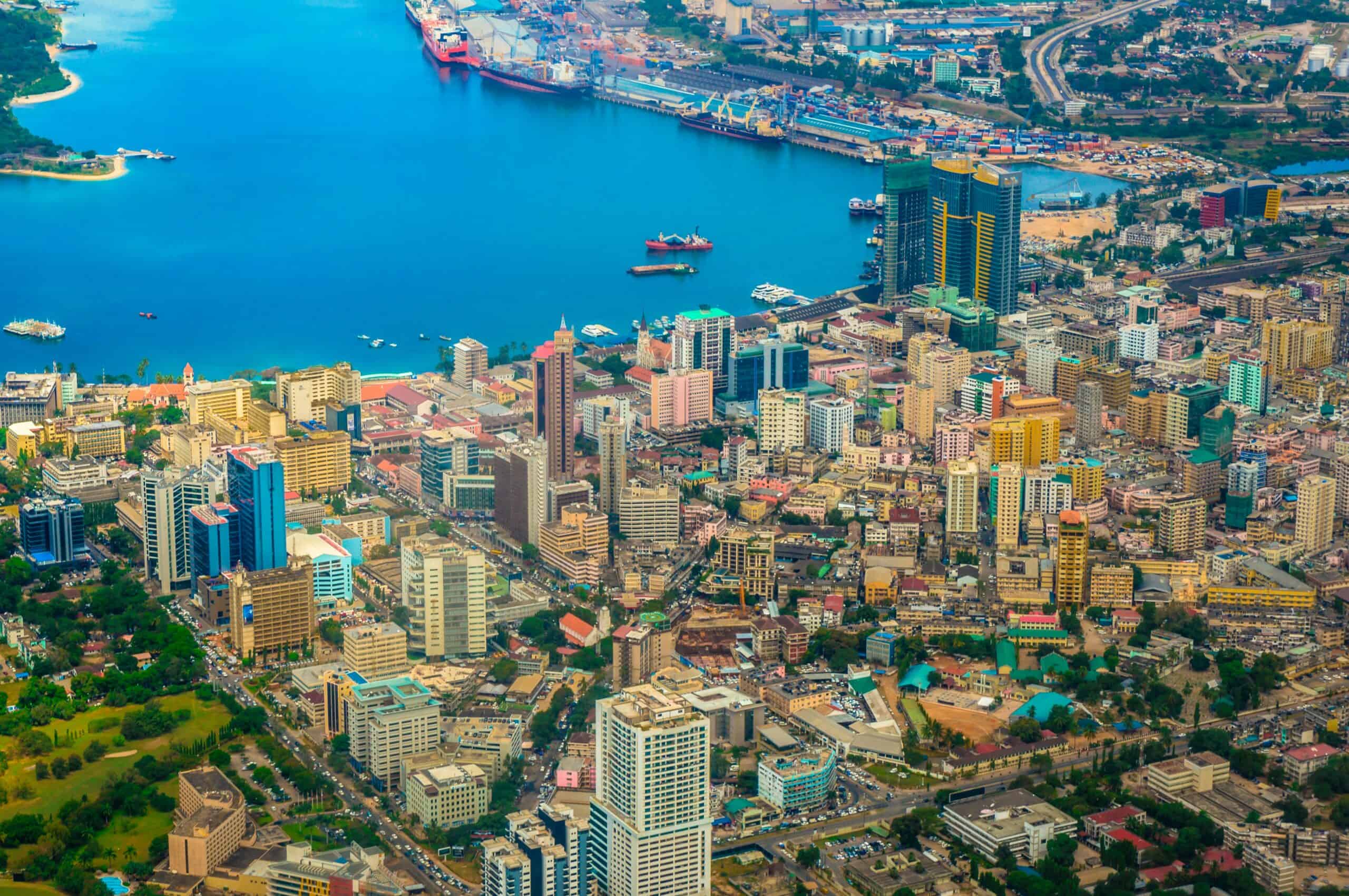
Tanzania’s GDP per capita in 2024 was about $1,186, yet safari tourism stays strong because the experience still feels genuinely rare. Government statistics reported 2,141,895 international visitor arrivals in 2024. The Serengeti and Ngorongoro bring the headline drama, while quieter parks and Zanzibar shoreline time can soften the intensity. The responsible version is clear: reputable operators, fair wages for staff, realistic driving days, and respect for rules that keep animals from being boxed in for photos. Long waits at waterholes often beat constant driving.
Uganda
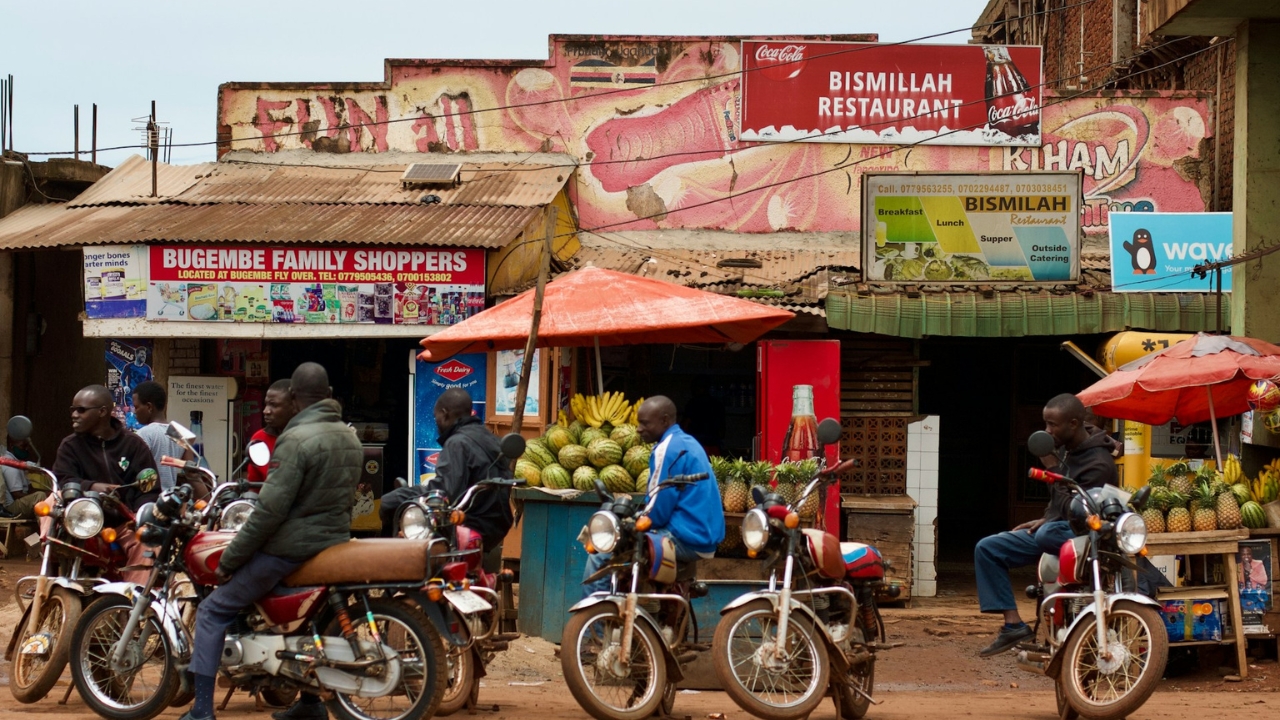
Uganda’s GDP per capita in 2024 was about $1,073, yet it attracts travelers seeking wildlife encounters that feel close and personal. Uganda’s tourism ministry reported 1,371,895 international visitors in 2024. Gorilla and chimp trekking are the headline, but crater lakes, the Nile corridor, and smaller lodges add quieter days between permits. Because permits fund conservation, smart planning matters: book licensed operators, follow ranger instructions, and treat the encounter as privilege, not entertainment. Kibale and Bwindi gateways reward slow mornings.
The Gambia
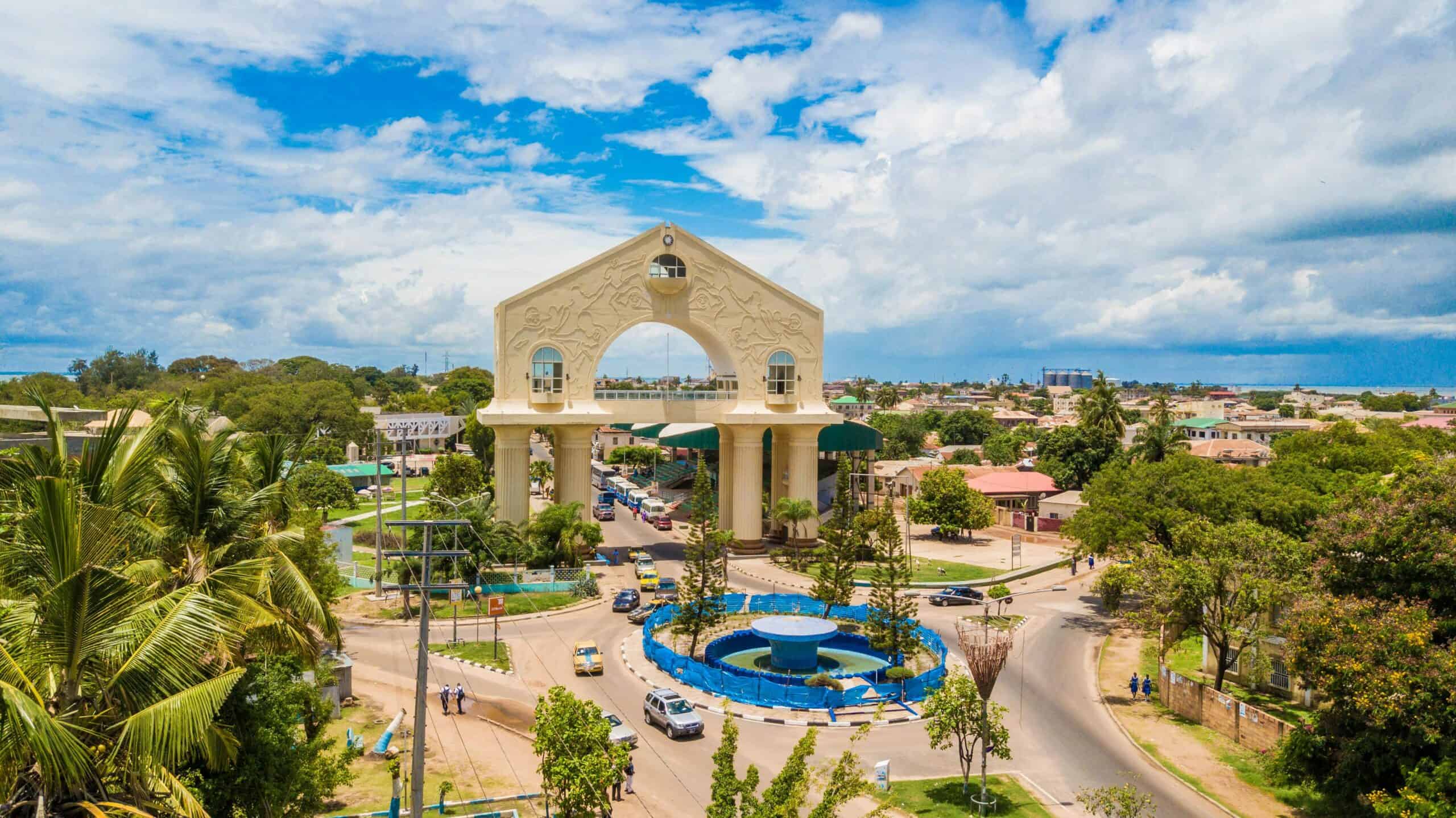
The Gambia is among the lower-income countries that still runs a recognizable tourism season, built around winter sun, Atlantic beaches, and everyday culture. World Bank data lists 2024 GDP per capita at about $871.3. A government annual review noted tourist arrivals reaching 232,000 in the 2024/2025 season. The best visits keep spending local: hire Gambian guides, eat in family-run spots, and treat markets and neighborhoods as communities, not stages, while leaving time for river and birdlife outings. Even a simple beach day ends well with live music.