We may earn money or products from the companies mentioned in this post. This means if you click on the link and purchase the item, I will receive a small commission at no extra cost to you ... you're just helping re-supply our family's travel fund.

Big airports dominate the conversation, but many of the easiest travel days start at smaller terminals that simply work better. These airports are easier to enter, easier to navigate, and far less draining once the trip begins. Parking is usually close, security lines move faster, and the terminal layout makes sense without forcing long walks or confusing detours. Across the country, a handful of regional airports have quietly built loyal followings by doing the basics well and adding just enough local character to make the experience feel calm, not clinical.
Huntsville International Airport (HSV)
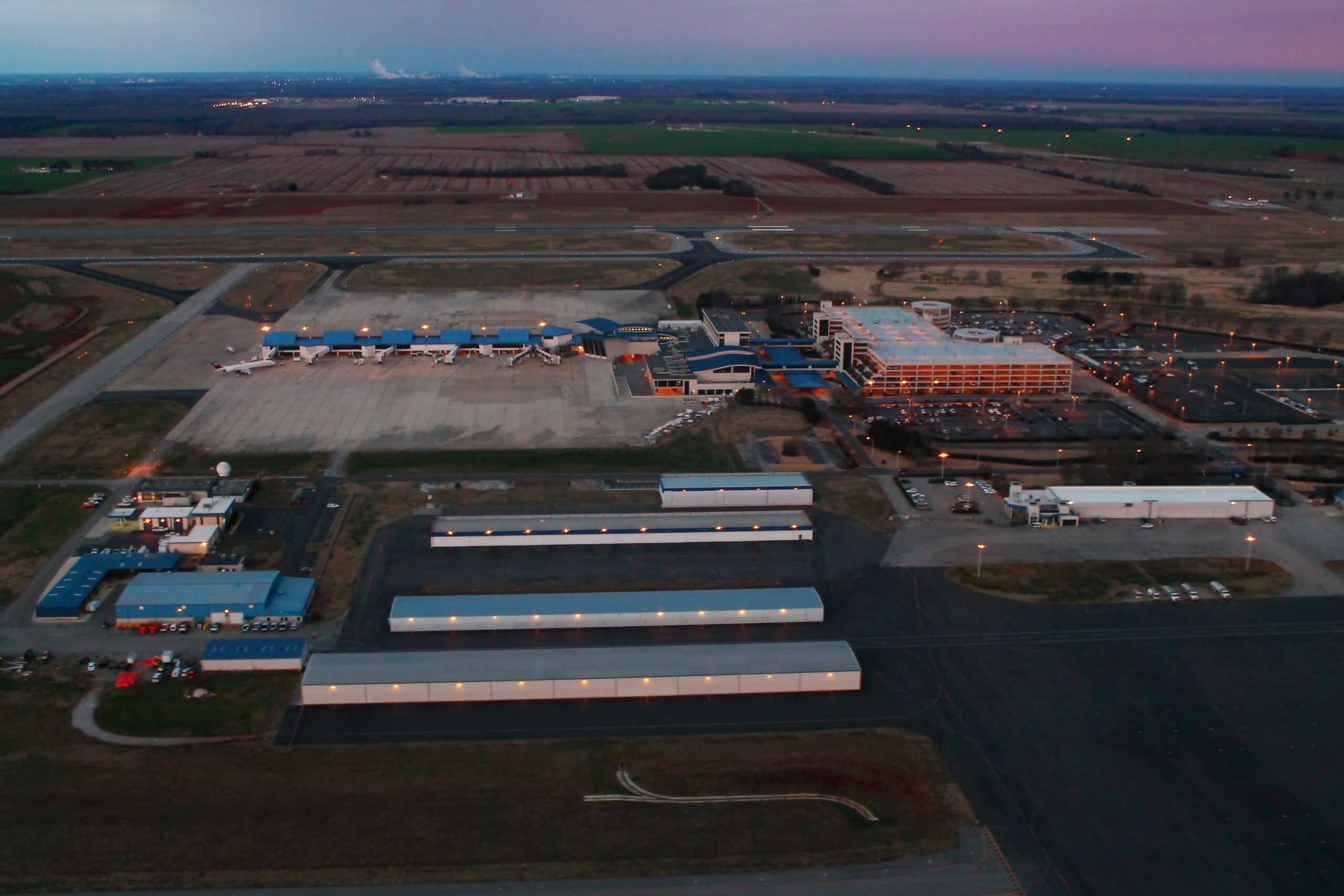
Huntsville International gets a lot right before the boarding pass is even scanned. Parking is manageable, the terminal is easy to read, and the walk from curb to gate feels refreshingly short, which removes a huge layer of stress from the day. It also offers a stronger route network than many travelers expect from a smaller airport, so convenience does not come at the cost of flexibility. Inside, the atmosphere feels local and grounded, with art displays and clean common areas that make the airport feel cared for, not merely functional.
Gerald R. Ford International Airport (GRR)

Gerald R. Ford International in Grand Rapids has grown steadily, but it still feels controlled in the best way. The layout is clear, the terminal flow is smooth, and the airport avoids the cluttered, high-pressure feel that often comes with rising passenger volume. That balance is what makes it memorable. It handles real traffic while keeping the experience comfortable, with well-kept seating areas, solid food options, and a polished overall design that helps the airport feel modern without becoming cold or overwhelming for families and frequent flyers.
Greenville-Spartanburg International Airport (GSP)

Greenville-Spartanburg International stands out because it keeps things simple without feeling bare. The airport serves a busy and growing region, yet it still delivers an easy rhythm from drop-off to departure, with clear signage, practical parking, and a terminal design that does not punish travelers with extra steps. It has expanded in smart ways, adding capacity where it matters most while protecting the comfort that made people like it in the first place. That restraint gives GSP a rare quality: it feels efficient, but never rushed or impersonal.
Portland International Jetport (PWM)

Portland International Jetport feels like Maine in airport form: practical, friendly, and quietly polished. It connects travelers to major cities, but it still keeps a small-airport pace that lowers stress and makes the whole trip feel lighter. The terminal is straightforward, the amenities are useful, and there is a clear sense of local identity in the art, design, and service style. Even during busier periods, the Jetport tends to feel organized rather than chaotic, which makes it especially appealing for travelers who care more about ease and consistency than flashy terminals.
Lehigh Valley International Airport (ABE)

Lehigh Valley International wins people over by staying focused on comfort. The parking sits close to the terminal, the interior is easy to move through, and the airport experience feels designed around real travel needs instead of airport theater. That matters even more for families, older passengers, and anyone trying to avoid the grind of a major hub. ABE also does a good job with practical amenities, including accessible spaces and quiet spots that make delays easier to manage. It is a smaller airport that respects time, energy, and patience.