We may earn money or products from the companies mentioned in this post. This means if you click on the link and purchase the item, I will receive a small commission at no extra cost to you ... you're just helping re-supply our family's travel fund.
As 2026 approaches, several new driving laws and vehicle-safety standards are set to reshape how Americans interact with the road. While many of these changes have been discussed quietly in regulatory circles, their actual impact will feel surprisingly immediate once the new model-year vehicles roll out. From built-in safety technologies to stricter accountability measures, these updates reflect a shift toward preventing accidents rather than merely responding to them. Drivers across the country may find themselves adapting to features that feel futuristic today but will soon become part of daily travel.
1. Automatic Emergency Braking Becomes Standard on New Light Vehicles

Beginning in 2026, most new light-duty vehicles must include Automatic Emergency Braking systems capable of detecting forward collisions at speeds up to 62 mph. This mandate affects roughly 98% of annual U.S. passenger-vehicle sales, which account for over 15 million units in a typical year. The system uses sensors and onboard algorithms to slow or stop the car when a driver fails to respond in time. While many brands already offer AEB, uniform performance standards mean drivers can expect more reliable, calibrated responses that reduce the nearly 2.2 million annual rear-end crashes nationwide.
2. Expanded NCAP Ratings Add Four New Safety Technologies
The 2026 model year introduces major changes to federal crash-safety ratings by adding four new assessed technologies: Pedestrian AEB, Lane Keeping Assist, Blind-Spot Warning, and Blind-Spot Intervention. These features will now contribute to how vehicles earn their federal safety “checkmarks,” influencing shopping decisions for more than 30 million car buyers annually. Automakers must demonstrate consistent performance in each category using updated federal test procedures. The expanded NCAP system shifts emphasis from surviving accidents to preventing them entirely, aligning safety scores with real-world crash-avoidance statistics.
3. Rear-Seat Belt Reminder Systems Become Mandatory Across New Models

By 2026, all newly manufactured vehicles must include an audible and visual alert system if any rear passenger remains unbuckled once the vehicle exceeds 10 mph. This update addresses a persistent safety gap, given that nearly 43% of rear-seat occupants involved in fatal crashes were unrestrained in recent years. The reminder system activates within seconds and continues until belts are fastened, functioning similarly to existing front-seat alerts. With more than 7,000 annual fatalities linked to improper restraint use, this rule aims to sharply reduce preventable injuries, especially in family-focused vehicles.
4. Drunk-Driving Detection Technology Moves Toward Implementation

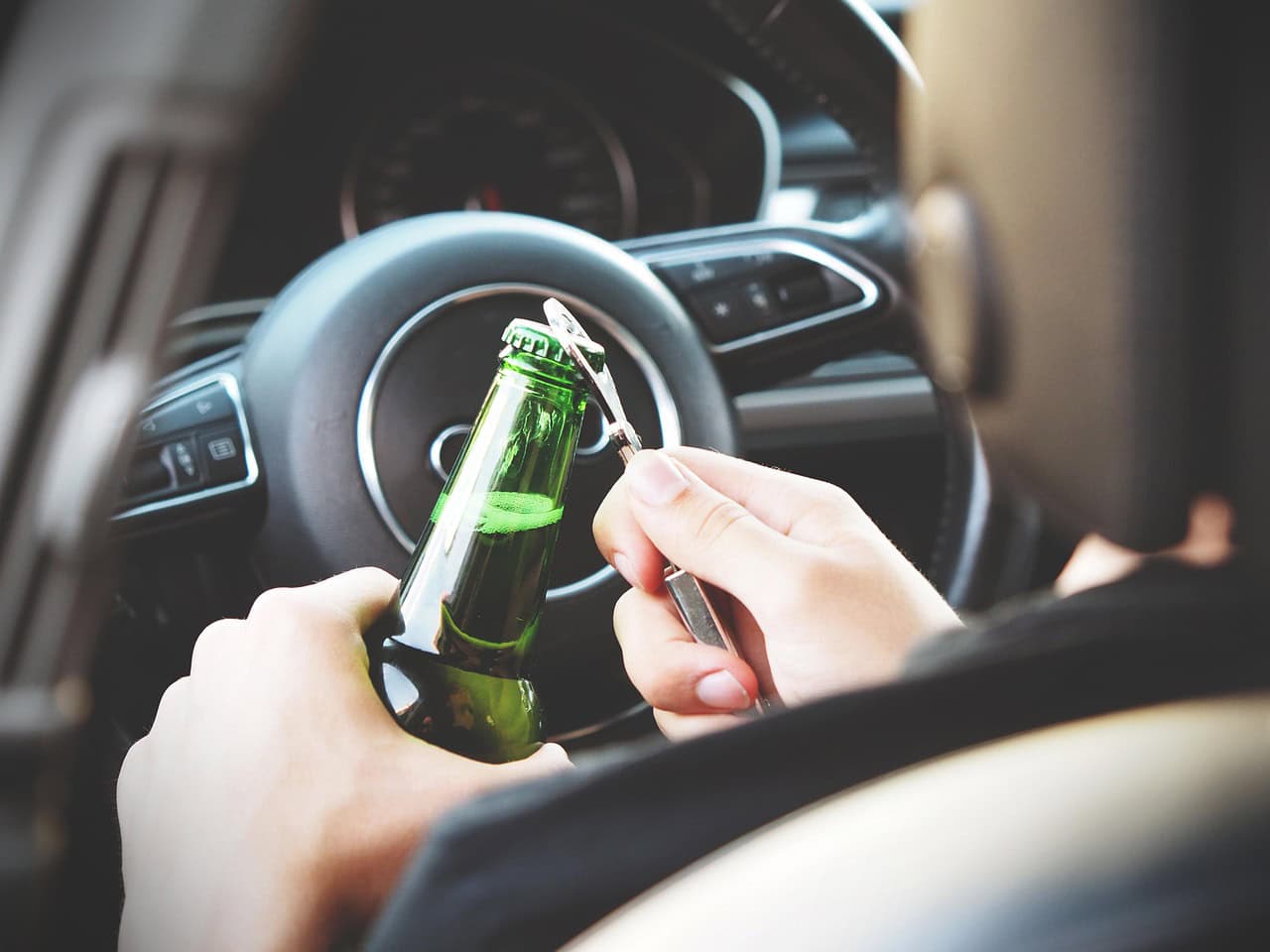
In 2026, automakers must begin preparing for a federally mandated impaired-driving prevention system capable of detecting elevated blood-alcohol levels or driver incapacitation. While full deployment will take additional years, the groundwork begins with sensor integration and data-driven monitoring strategies. With roughly 13,000 alcohol-related deaths occurring annually, regulators consider this technology a major step toward proactive safety. Early prototypes evaluate steering patterns, eye movement, and cabin-air chemistry. Even though the law doesn’t force activation in 2026, manufacturers must demonstrate meaningful progress toward compliance.
5. Stronger Pedestrian-Safety Requirements Change Vehicle Design

Starting with 2026 releases, vehicles must meet new pedestrian-impact benchmarks, prompting changes in bumper geometry, hood flexibility, and sensor-based detection ranges. These updates respond to rising pedestrian fatalities, which exceeded 7,500 in the U.S. last year—the highest number in four decades. Manufacturers must ensure that cars detect pedestrians within expanded angles and respond within milliseconds to avoid or minimize collisions. Structural adjustments will be subtle but widespread, influencing everything from SUV front-end profiles to compact-car crumple zones, making everyday streets measurably safer for walkers and cyclists.